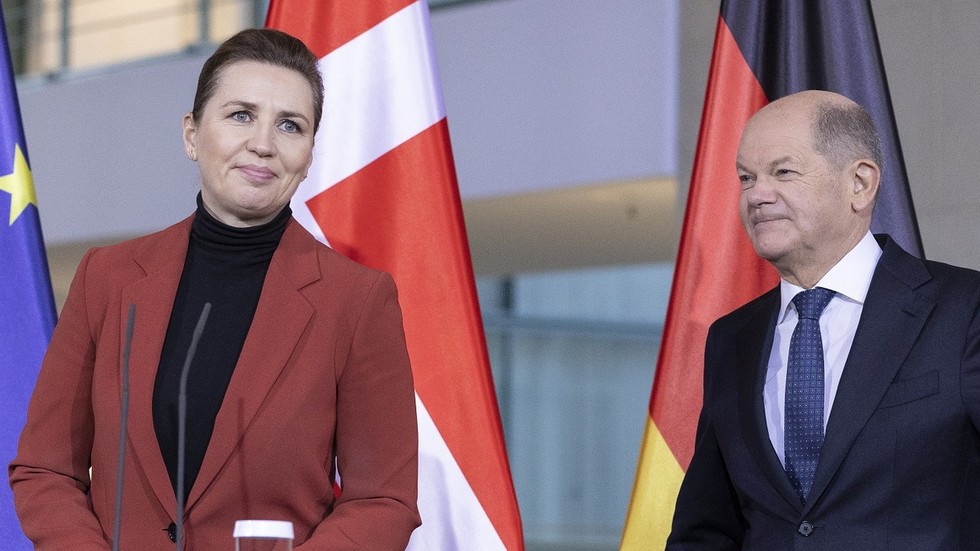

The Germany NATO Greenland mission marks a pivotal initiative aimed at enhancing security in the Arctic region amidst evolving geopolitical dynamics. German Foreign Minister Johannes Wadtfull recently expressed his confidence in forging a cooperative agreement with the United States to bolster Greenland’s defense framework. During discussions with U.S. Secretary of State Rubio, he emphasized the importance of the NATO Arctic plans, symbolizing a unified approach to national security. As the negotiations unfold, Germany is committed to actively participating in military support negotiations to ensure a strategic presence in Greenland. This mission not only aims to safeguard Greenland security but also seeks to reinforce U.S.-Europe relations in a time of potential turmoil.
Initiating a collaborative defense effort in the Arctic, the mission led by Germany in conjunction with NATO represents a significant shift in international military strategy. The engagement of German officials, particularly Wadtfull, highlights the urgency and importance of establishing a robust security apparatus in Greenland, crucial for the region’s stability. This endeavor, framed within the broader context of NATO’s plans for the Arctic, illustrates a renewed commitment to addressing northern vulnerabilities amid global uncertainties. With ongoing discussions revolving around military support and partnership negotiations, the focus is centered on ensuring that European and American interests align in safeguarding this vital area. As these talks progress, the implications for transatlantic relations and Arctic security remain a vital area of scrutiny.
Germany’s Role in the NATO Arctic Plans
Germany’s involvement in NATO’s Arctic plans signifies a strategic shift in Europe’s approach to security. The nation, spearheaded by Foreign Minister Johannes Wadtfull, is actively engaging with the United States to create a comprehensive strategy for Greenland’s defense. This initiative reflects a broader understanding among NATO allies regarding the rising geopolitical tensions in the Arctic region, where security is becoming an increasingly urgent priority. Germany’s commitment to contributing military support underscores its pivotal role in strengthening the collective defense of Europe and enhancing the transatlantic alliance.
The discussions surrounding NATO’s Arctic plans have led to a renewed focus on military readiness among member states. Wadtfull’s optimism about reaching an agreement with the U.S. emphasizes the importance of collaborative efforts in ensuring Greenland’s security. As NATO begins to outline concrete steps, Germany’s contributions will not only bolster its bilateral relations with the United States but also solidify its position as a key player in Arctic security matters. This collaboration reflects a paramount goal of the alliance: to maintain stability and deter potential threats in the region, particularly those that may stem from increased Russian activity.
Negotiations and Military Support for Greenland Security
The ongoing negotiations between the United States, Europe, and Ukraine highlight the complexity of international security discussions, especially regarding Greenland. The German Foreign Minister reiterated Germany’s support for military missions to guarantee stability in the region, indicating a strategic alignment with U.S. goals. The commitment to bolster Greenland’s security can be viewed as part of a larger NATO strategy intended to address emerging threats in the Arctic, particularly as nations navigate the impacts of climate change and its implications for territorial sovereignty.
Moreover, these negotiations represent more than just military support; they are a testament to the evolving nature of U.S.-Europe relations. As countries work together to fortify defenses, the emphasis on mutual cooperation is paramount. It serves to enhance NATO’s credibility as a collective defense entity while providing Germany with the opportunity to assert its influence in shaping security policies that affect the Arctic. The future of Greenland’s security will hinge on successful diplomatic engagements that seek to align interests among NATO allies and create robust military frameworks.
Impact of U.S. Foreign Policy on NATO’s Arctic Strategies
U.S. foreign policy plays a critical role in determining the direction of NATO’s Arctic strategies, a fact that does not escape German officials. As discussions progress between Wadtfull and Secretary of State Rubio, the importance of U.S. engagement in Arctic missions becomes increasingly clear. The American commitment to enhancing security frameworks in Greenland aligns with Germany’s vision for NATO’s strategic goals, illustrating the interconnectedness of transatlantic security efforts. Moreover, the collaborative nature of these discussions aims to balance national interests with the collective security aspirations of NATO.
Furthermore, concrete plans and proposals set forth during these high-level meetings are essential in fostering confidence among member states. The effective coordination of military support negotiations is vital to ensuring readiness against threats, including those posed by non-state actors and state aggressors. Germany’s role in these dialogues showcases its dedication to not just regional stability but also its growing influence in shaping security discourse. As NATO continues to redefine its strategic objectives in the Arctic, the partnership between the U.S. and Germany will underpin many of these initiatives.
Strengthening NATO through Germany and U.S. Cooperation
The cooperation between Germany and the U.S. in strengthening NATO’s presence in the Arctic is pivotal for enduring stability. As the two nations engage in diplomatic talks about military strategies, they aim to address critical security concerns in regions like Greenland. The emerging commitment to formulating a cohesive military presence exemplifies the proactive stance that NATO members are taking to adapt to modern challenges. By fostering a strong allegiance with the U.S., Germany reinforces its role not only as a defender of European interests but also as a key architect in NATO’s evolving defense capabilities.
As NATO formulates specific plans to bolster its military effectiveness in the Arctic, Germany’s contributions become integral to the alliance’s operational readiness. Encouraging transparency and collaborative planning among member states enhances trust and assures the Baltic and Arctic nations of NATO’s unwavering support. This dynamic embodies the essence of NATO’s founding principle of collective defense, where the security of one is fundamentally tied to the security of all. With Germany’s continued advocacy for robust military engagement, the NATO-Arctic alliance stands to gain significant strength through united efforts.
The Significance of Greenland in NATO’s Security Framework
Greenland has emerged as a critical focal point within NATO’s security framework, particularly in light of changing geopolitical dynamics in the Arctic. Foreign Minister Johannes Wadtfull’s assertions underscore the significance of ensuring the territory’s security as a vital component of NATO’s overarching strategy. The region’s strategic location offers extensive opportunities for surveillance, military presence, and rapid response capabilities, all of which are essential for addressing both traditional and non-traditional security threats.
Incorporating discussions about Greenland into NATO’s operational plans demonstrates a recognition of its importance in regional stability. As the Arctic’s geopolitical landscape shifts, NATO’s ability to adapt and formulate effective strategies will directly influence its overall mission. Thus, Germany’s proactive engagement in these dialogues serves to not only fortify its interests but also align with collective efforts to ensure peace and security in vital areas of Europe and beyond.
Future Prospects for NATO Missions in the Arctic
The future of NATO missions in the Arctic appears promising, with increased commitment from member countries such as Germany. As discussions about military support become more tangible, the expectation is set towards establishing a durable security presence in Greenland. The ongoing talks reflect a mutual desire among NATO allies to confront emerging challenges head-on, reinforcing the alliance’s relevance in an increasingly complex global environment. With the inclusion of U.S. support in these strategies, the collective strength of NATO is expected to improve significantly.
Moreover, establishing a clear plan for NATO’s Arctic operations will aid in addressing not only military threats but also humanitarian and environmental concerns. Collaboration among member states will facilitate the sharing of resources and expertise, enhancing the effectiveness of future missions. As Wadtfull articulates Germany’s willingness to contribute to security initiatives, it signals a unified approach toward defending the Arctic, leading to a stronger and more cohesive NATO alliance in the long run.
Adapting to Changes in the Arctic Region
As the Arctic region undergoes significant environmental and geopolitical changes, NATO is required to adapt its strategies accordingly. The melting ice caps, shifting shipping routes, and increasing accessibility to natural resources underscore the importance of maintaining a robust military presence. Germany’s insights, as expressed by Foreign Minister Wadtfull, indicate that the nation is prepared to address these emerging realities in cooperation with its NATO allies. This adaptability is crucial, not only for territorial defense but also for securing the interests of the member nations involved.
The strategic conversations about the Arctic’s future revolve around ensuring environmental stability, conserving resources, and maintaining open lines of communication among nations. Adapting to these changes will involve complex negotiations and collaborative military planning. Germany’s involvement positions it as a proactive contributor to NATO’s efforts in the region, emphasizing that collective security entails a holistic approach. Anticipating future challenges in the Arctic will ensure that NATO is well-prepared to tackle any threats that arise, safeguarding the stability and security of Greenland and the surrounding areas.
Germany’s Commitment to NATO’s Collective Defense
Germany’s commitment to NATO’s collective defense framework manifests through active participation in shaping security responses to emerging threats. As conversations with U.S. officials continue, the emphasis on multi-national cooperation is essential in structuring effective military strategies, especially for Greenland’s security. By articulating a willingness to support NATO missions, Germany is not only reaffirming its obligations but also enhancing the overall resilience of the alliance. The collaborative efforts aimed at reinforcing military capabilities exemplify the commitment to collective defense that has underpinned NATO’s success since its inception.
The focus on Greenland as a central security issue illustrates the prioritization of strategic locations within NATO’s collective defense posture. Agreeing on military support negotiations reflects a unified stance against potential aggressors and fosters stronger relationships among member states. In doing so, Germany is positioning itself as a leader in advocating for enhanced military readiness, ensuring that NATO remains equipped to respond to the evolving security landscape in the Arctic region and beyond.
Conclusion: The Future of NATO in the Arctic
In conclusion, the future of NATO in the Arctic hinges on collaborative efforts among member states, particularly Germany and the United States. The recent discussions between Wadtfull and Rubio signify a commitment to addressing security concerns in Greenland, marking a significant step forward in NATO’s operational strategy. With the continued dialogue on military support and collective defense, NATO is poised to strengthen its presence and effectiveness in the Arctic region, seeking to counteract potential threats with coordinated responses.
Ultimately, Germany’s proactive stance and willingness to contribute to NATO’s Arctic missions not only reinforces its position within the alliance but also affirms the collective security doctrine that has served as a foundation for transatlantic relations. As the complexities of the Arctic region grow, the alliance will need to navigate these challenges carefully, ensuring that Germany, along with its NATO partners, plays a pivotal role in shaping the future of security strategies that safeguard Europe’s interests and promote stability in the region.
Frequently Asked Questions
What is the status of the Germany NATO Greenland mission?
The Germany NATO Greenland mission is in the planning phase, as NATO begins to formulate concrete plans for Arctic security, with strong optimism from the German Foreign Minister Johannes Wadtfull about achieving compromises with the U.S.
How does the NATO Arctic plan involve Germany and the U.S.?
The NATO Arctic plan involves Germany and the U.S. collaborating on military support negotiations to enhance security in Greenland, as German officials express readiness to work closely with American partners in this initiative.
What role is Germany expected to play in the Greenland security mission?
Germany is expected to actively contribute to the Greenland security mission by participating in NATO’s military support negotiations and ensuring a coordinated approach to Arctic security alongside the U.S. and other NATO allies.
How does the U.S. Europe relations impact the Greenland NATO mission?
U.S. Europe relations are crucial for the Greenland NATO mission, as the German Foreign Minister emphasizes the need for collaborative efforts and compromises to ensure effective military support in the Arctic region.
What are the implications of the Greenland security negotiations for NATO?
The implications of the Greenland security negotiations for NATO are significant, as they represent a commitment to strengthening Arctic defense strategies, ensuring member states like Germany and the U.S. work cohesively to address security challenges.
What did Johannes Wadtfull say about U.S. participation in Greenland NATO operations?
Johannes Wadtfull expressed hope for U.S. participation in new NATO operations focused on Greenland security, indicating that discussions are ongoing to achieve alignment among NATO members for Arctic defense.
What are the key topics discussed between Germany and the U.S. regarding Greenland security?
Key topics discussed include military support negotiations, NATO Arctic plans, and the need for a unified approach to enhance Greenland’s security amid evolving geopolitical dynamics.
Why is the Greenland mission important for NATO’s strategic interests?
The Greenland mission is important for NATO’s strategic interests as it addresses security challenges in the Arctic, enhances collective defense capabilities, and reinforces U.S. Europe relations in a critical geopolitical region.
| Key Point | Details |
|---|---|
| Optimism for Compromise | German Foreign Minister Johannes Wadtfull is optimistic about reaching a compromise with the U.S. regarding Greenland. |
| Meeting with U.S. Secretary of State | Wadtfull met with U.S. Secretary of State Rubio to discuss cooperation on Greenland’s security. |
| NATO Mission Proposal | The U.S. is encouraged to participate in a new NATO mission in the Arctic to ensure Greenland’s security. |
| NATO Planning | NATO is starting to formulate concrete plans to be discussed with U.S. partners. |
| Germany’s Commitment | Germany has expressed its commitment to contribute to the NATO mission efforts. |
| Security Guarantees | Ongoing negotiations between the U.S., Europe, and Ukraine are part of the broader security framework. |
Summary
The Germany NATO Greenland mission highlights the optimistic outlook of German Foreign Minister Johannes Wadtfull towards a potential compromise with the United States. As discussions unfold regarding NATO’s involvement in Arctic security, Germany’s commitment to contribute signifies strong transatlantic cooperation vital for ensuring peace and security in Greenland and the broader Arctic region.
Related: More from Ethereum News | Google Cloud, MoneyGram Join New Privacy Network Bank Initiative | Ethereum Network Transactions Hit New Record: What It Means for You