
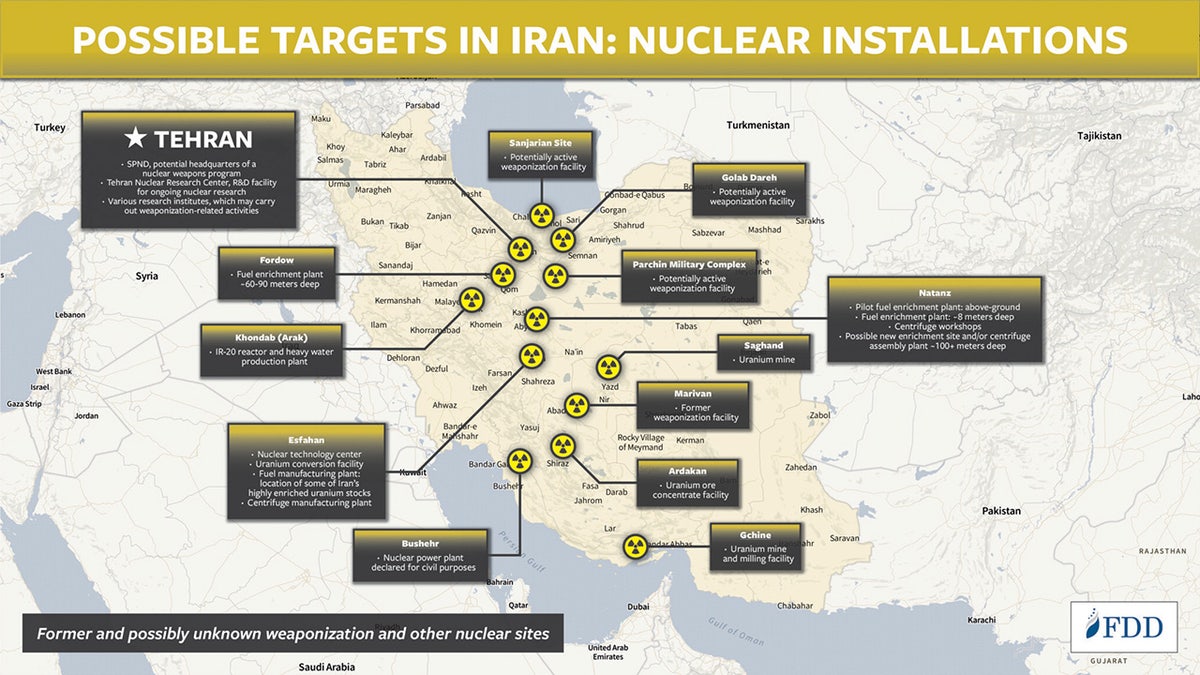

The Iran nuclear proposal has become a focal point in the ongoing discussions surrounding U.S. foreign policy in the Middle East. This new initiative from Tehran aims to negotiate terms that would limit its controversial nuclear program, a move that could influence the trajectory of the Iran nuclear deal, which has been a contentious issue since its inception. As President Trump evaluates his options, including potential military strikes against Iran, the White House’s diplomatic strategy urges a more measured approach, calling for engagement before escalation. Key voices within the administration, including Vice President Pence, have stressed the importance of these nuclear negotiations in fostering stability and preventing conflict. This evolving situation reflects the complex dynamics of international relations and the need for a comprehensive strategy that balances national security with diplomatic efforts.
In discussions surrounding Iran’s recent diplomatic overtures, one can observe a strategic shift from mere military deterrence tactics to a more nuanced approach aimed at engagement. This proposal from Iran represents a critical opportunity for the U.S. to reconsider its stance on disarmament and nuclear capabilities. While President Trump’s inclination toward military interventions raises concerns, senior officials advocate for leveraging dialogue as a first step in navigating the choppy waters of the Iran nuclear issue. Such negotiations could potentially pave the way for a renewed understanding that benefits both nations and curbs the risks associated with nuclear proliferation. By addressing this proposal with an open mind, the U.S. can align its foreign policy more effectively with contemporary global challenges.
The Current Status of the Iran Nuclear Proposal
The recent Iran nuclear proposal has captured the attention of U.S. officials who view it as a potential pathway to mitigate nuclear risks associated with Iran. This proposal comes at a pivotal moment in global politics, as negotiations surrounding the Iran nuclear deal have been fraught with tension and uncertainty. The White House is weighing various diplomatic approaches to this initiative, suggesting that they are open to dialogue as a means of resolving contentious issues that have arisen in the wake of increased military threats.
As reports reveal, Vice President Pence and other senior aides are advocating for a strategic approach to engagement, emphasizing dialogue over violence. The objective is clear: to explore opportunities for a renewed nuclear deal that may prevent further escalation of military confrontations. Such diplomatic strategies could potentially stabilize relations between the U.S. and Iran while ensuring that rigorous measures are in place to limit the nation’s nuclear capabilities.
Frequently Asked Questions
What is Iran’s nuclear proposal regarding the Iran nuclear deal?
Iran’s nuclear proposal seeks to address the terms of the Iran nuclear deal by suggesting modifications that would allow for a more flexible approach to its nuclear program. This proposal is viewed as a diplomatic effort to prevent escalation and promote dialogue between Iran and the United States.
How does Trump’s Iran policy impact negotiations on Iran’s nuclear proposal?
Trump’s Iran policy significantly affects negotiations surrounding Iran’s nuclear proposal, as it emphasizes a hardline stance. While some officials advocate for engaging diplomatically with Iran, the potential for military strikes remains a concern that influences the overall dynamics of the discussions.
What role does the White House diplomatic strategy play in handling Iran’s nuclear proposal?
The White House diplomatic strategy focuses on assessing Iran’s nuclear proposal and weighing its merits against the backdrop of existing tensions. This strategy aims to explore avenues for negotiation while considering potential military responses as a last resort.
Are military strikes against Iran a possibility in light of the nuclear negotiations?
Yes, military strikes against Iran remain a possibility, especially as discussions around Iran’s nuclear proposal continue. However, many officials, including Vice President Pence, are advocating for a continued diplomatic approach before considering military action.
What are the implications of Iran’s nuclear proposal for future negotiations?
Iran’s nuclear proposal could reshape future negotiations by opening channels for dialogue that aim to address both parties’ concerns regarding nuclear capabilities and regional security. This could lead to a reevaluation of the Iran nuclear deal and the strategic responses from the U.S.
| Date | Source | Key Points | Official Remarks |
|---|---|---|---|
| January 12, 2026 | Wall Street Journal | U.S. considering Iran’s nuclear proposal | White House is weighing diplomatic options before military action. |
| Proposal aims to limit Iran’s nuclear program | Vice President Pence advocates for diplomacy. | ||
| Trump considers military strikes against Iran | Some aides suggest engaging diplomatically first. |
Summary
The Iran nuclear proposal is a significant diplomatic effort aimed at negotiating limits on Iran’s nuclear capabilities. As the U.S. administration evaluates this proposal, the balance between diplomacy and military action illustrates the complexities surrounding international relations. Engaging in constructive dialogue may pave the way for a more stable resolution in the region.
Related: More from Regulation & Policy | UK FCA to Consider Cryptos for Gambling Payments | Judge Halts Binance Effort to Arbitrate US Cryptocurrency Claims


