

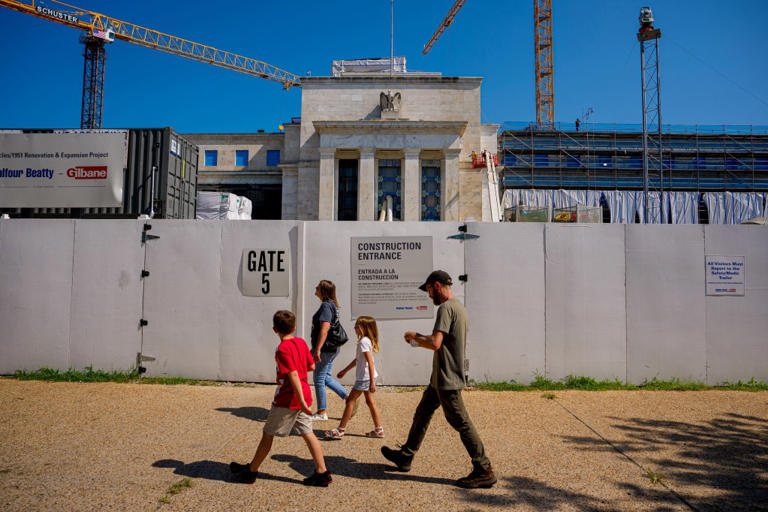

The ongoing Federal Reserve renovation project has become a focal point for discussions surrounding budget constraints and fiscal accountability. Recent updates reveal that the costs of renovations for the Federal Reserve building have ballooned far beyond initial estimates, raising concerns among taxpayers and policymakers alike. As the Director of the National Economic Council, Hassett, emphasized the importance of maintaining Federal Reserve independence, he also acknowledged the pressing Federal Reserve budget issues that must be addressed to ensure the project remains viable. This renovation marks a critical juncture for the institution, promising not only modernized facilities but also a necessary examination of how budgetary oversights could impact economic stability. With stakeholders keeping a close watch, the outcome of this renovation is likely to influence perceptions of the Federal Reserve’s financial management and operational effectiveness well into the future.
The revitalization of the Federal Reserve’s infrastructure is an essential undertaking that touches upon broader themes of economic governance and institutional integrity. Amid rising concerns about the spiraling expenses associated with the Federal Reserve building’s refurbishment, discussions have surged regarding the need for greater fiscal responsibility. The National Economic Council’s perspective, particularly from its director, emphasizes a balanced view on sustaining the Federal Reserve’s autonomy while navigating pressing budgetary challenges. As the costs of renovations grow, it becomes increasingly crucial to assess the long-term implications this project may have on public trust and economic oversight. Ultimately, these renovations not only reflect the institution’s commitment to modernity but also its responsibility in managing taxpayer funds effectively.
The Importance of Renovation Projects for the Federal Reserve
Renovation projects for iconic institutions like the Federal Reserve building play a crucial role in enhancing the functionality, aesthetics, and security of the facility. A well-planned renovation can improve operational efficiency, ensuring that the Federal Reserve can maintain its independence and operational integrity. Such projects, however, come with significant financial implications, which often lead to budget concerns. The costs of renovations can escalate unexpectedly due to a variety of factors, including labor shortages, supply chain disruptions, and the need for modern technology installations.
In recent discussions, the Director of the National Economic Council, Hassett, expressed his respect for the Federal Reserve’s autonomy in managing its renovation projects. This independence is vital as it allows for decisions to be made that align with the institution’s long-term goals and stability in the financial sector. While budget constraints are always a concern, especially in the wake of rising costs, maintaining the integrity and independence of the Federal Reserve in executing these renovations remains paramount to ensure effective functioning.
Navigating Federal Reserve Budget Issues
The Federal Reserve is continually assessing its budget to ensure that it remains effective in its economic oversight. Recent budget issues have been exacerbated by unexpected costs associated with the renovation of the Federal Reserve building. As noted by Hassett from the National Economic Council, these issues can significantly impact the operational budget of the institution, necessitating careful planning and prioritization of expenditures. It is important for the Federal Reserve to balance its renovation ambitions with its operational costs to maintain its focus on core objectives.
The discussions surrounding budget management at the Federal Reserve also highlight the importance of transparency and accountability in government institutions. With increasing public scrutiny, managing costs effectively during renovation projects becomes imperative. The Federal Reserve’s independence allows it to approach these challenges without excessive external influence, enabling it to make financially sound decisions. This independence is key to navigating the complexities of budget issues while ensuring that the institution continues to serve its purpose effectively.
Federal Reserve Independence and Its Impact on Budget Planning
The independence of the Federal Reserve is a foundational aspect of its ability to operate without political pressure, which is crucial for sound economic policymaking. This autonomy extends to budget planning, including decisions related to the funding and execution of renovation projects. While the costs of renovations can place strain on the overall budget, the freeze on external influences allows the Federal Reserve to make pragmatic choices that are in the best interest of long-term financial stability. This independence fosters a resistance to short-term political motivations that may otherwise complicate budget considerations.
Maintaining this independence requires ongoing vigilance, especially in light of increasing expenses. As the Federal Reserve navigates the complexities of renovation costs, it is essential to remain transparent with stakeholders about budgetary decisions. This approach not only reinforces public trust but also ensures that the Federal Reserve can maintain its core functions. Ultimately, the relationship between the Federal Reserve’s independence and its budgeting processes is critical in both preserving its operational integrity and effectively managing renovation projects.
Understanding the Costs of Federal Reserve Renovations
When discussing the costs associated with renovations at the Federal Reserve building, it is essential to dissect the various elements contributing to these expenses. Factor in material costs, labor rates, and construction technology, and it becomes evident that budgets can quickly escalate beyond initial projections. The unexpected rise in costs is often due to market fluctuations, which can present significant challenges to budget adherence. The rising costs of renovations emphasize the need for comprehensive planning and forecasting to mitigate risks and ensure that the project stays on track.
Hassett’s comments on the need for smooth execution amidst rising costs reflect broader conversations within the economic policy community. The Federal Reserve must approach renovations not just as a physical upgrade but also as an integral part of its mission to uphold economic stability. Effective monitoring and management of renovation budgets will be required to mitigate the financial impact while ensuring that the building remains a capable centerpiece for the Federal Reserve’s operations.
The Role of Economic Councils in Federal Reserve Operations
Economic councils, like the one led by Hassett, play a pivotal role in shaping the policies that affect the Federal Reserve. Their insights support informed decision-making, especially regarding budget issues and the prioritization of projects, including renovations. These councils analyze economic conditions and provide guidance that can help the Federal Reserve navigate its financial obligations more effectively. Understanding the economic landscape is vital when planning renovations, as it informs the council on potential impacts and necessary adjustments to the budget.
By collaborating with the Federal Reserve, economic councils facilitate a better understanding of the interplay between monetary policy and fiscal responsibility. Such collaboration ensures that renovation plans align with broader economic goals, promoting sound decision-making while respecting the independence of the Federal Reserve. The continuous feedback loop between economic councils and the Federal Reserve strengthens institutional resilience and helps safeguard against unforeseen financial challenges.
Ensuring Transparency in Federal Reserve Renovation Projects
Transparency is essential when the Federal Reserve embarks on major renovation projects. It instills public confidence and ensures accountability within the institution. As costs begin to outpace budgets, it is crucial for the Federal Reserve to communicate the reasons behind financial decisions clearly. Public awareness about the renovation process and the incurred expenses empowers taxpayers and stakeholders to understand the necessity of these investments. Increased transparency also invites external scrutiny that can help mitigate mismanagement claims, reinforcing the integrity of the Federal Reserve.
Furthermore, the commitment to transparency demonstrates the Federal Reserve’s dedication to maintaining its independence while acknowledging its responsibility to the public. By providing regular updates and detailed reports on renovation progress and expenses, the Federal Reserve can create an informed public dialogue regarding the importance and impact of their projects. Such engagement can also foster a collaborative atmosphere, inspiring trust and reinforcing the central bank’s role in economic stewardship.
Future Implications of Renovations on Federal Reserve Functions
The impact of renovations on the Federal Reserve’s functions extends well beyond the physical upgrades to the building. The successful completion of renovation projects is critical to enhancing the Federal Reserve’s operational capabilities and technological infrastructure. As the institution adapts to the evolving financial landscape, the renovation of its facilities can provide the necessary support for innovative practices and policies. This evolution is vital to ensuring that the Federal Reserve continues to fulfill its mission effectively and efficiently.
Considering the future implications of such renovations, it is essential that the Federal Reserve strategically plans for growth and adaptation. By incorporating modern amenities and technologies during renovations, the Federal Reserve can position itself to respond better to future economic challenges. This proactive approach not only strengthens the institution’s resilience but also ensures its independence by affording it the flexibility necessary to navigate an unpredictable financial landscape.
The Economic Significance of the Federal Reserve Building
The Federal Reserve building stands as an emblem of the nation’s monetary policy and economic stability. Renovations to this iconic structure reflect an investment in the economic future of the country. By modernizing and maintaining the building, the Federal Reserve signals its commitment to excellence in governance and adherence to evolving economic demands. This is crucial not just for the institution but also for the broader economy, as it ensures the Federal Reserve can operate effectively and independently.
Moreover, as renovations unfold, they also serve as a platform for the discussion of vital economic themes, such as fiscal responsibility and budgeting. Renovations invite the community to engage with the processes and challenges that a major economic institution like the Federal Reserve faces. Understanding the importance of these renovations and their implications helps reinforce the significance of maintaining the Federal Reserve’s independence and the overall health of the economy.
Operational Enhancements Through Federal Reserve Renovations
Renovations to the Federal Reserve building are not merely cosmetic; they represent a significant opportunity to enhance operational capabilities and improve functions. Upgraded facilities can allow for better workflow, increased security measures, and enhanced technological capabilities, which are crucial for the Federal Reserve’s diverse responsibilities. These enhancements ultimately contribute to a more effective economic policy execution and assist in meeting the challenges of a dynamic financial landscape.
By investing in renovations, the Federal Reserve can adapt to modern demands while preserving its historical essence. This balance between modernization and tradition is vital to maintain the institution’s credibility and effectiveness. It also underscores the institution’s dedication to continuous improvement, ensuring that the Federal Reserve remains a cornerstone of economic governance in the United States.
Frequently Asked Questions
What are the current costs of the Federal Reserve renovation project?
The costs of the Federal Reserve renovation project have significantly exceeded the original budget, creating concerns about the Federal Reserve budget issues that need to be addressed.
How does the Federal Reserve renovation impact its independence?
The Federal Reserve renovation is being handled with careful consideration to maintain the institution’s independence, as emphasized by Hassett of the National Economic Council.
Who is overseeing the Federal Reserve renovation process?
The renovation process of the Federal Reserve building is monitored closely to ensure it aligns with both budget considerations and the Federal Reserve’s independence.
What challenges has the Federal Reserve faced during the renovation?
The Federal Reserve has encountered several challenges during the renovation project, primarily related to rising costs that have greatly surpassed initial estimates.
Why is the Federal Reserve renovation important?
The Federal Reserve renovation is important not only for upgrading the facilities but also for maintaining the integrity and independence of the Federal Reserve’s operations in the face of budget issues.
Is the Federal Reserve renovation project on schedule?
While the Federal Reserve renovation project aims to be completed smoothly, the exceeding costs have raised concerns about the project’s overall timeline and budget adherence.
What role does the National Economic Council play in the Federal Reserve renovation?
The National Economic Council, under the direction of Hassett, respects the Federal Reserve’s independence and monitors the renovation’s financial implications to ensure economic stability.
How does the renovation of the Federal Reserve building affect its operations?
The renovation of the Federal Reserve building is designed to enhance operational efficiency, all while striving to uphold the institution’s independence amidst budgetary challenges.
| Key Point | Details |
|---|---|
| Director’s Statement | Hassett respects the independence of the Federal Reserve. |
| Renovation Costs | The costs for the renovation project have significantly exceeded the budget. |
| Future Outlook | Hassett hopes everything will go smoothly with the Federal Reserve’s project. |
Summary
The Federal Reserve renovation project has become a topic of discussion due to its exceeded budget and the implications it holds for the future. The Director of the National Economic Council has publicly supported the independence of the Federal Reserve, highlighting the importance of the project in maintaining the structure’s integrity and functionality. As the project progresses, stakeholders remain hopeful for a successful outcome that respects both the financial constraints and operational needs of the Federal Reserve.
Related: More from Market Analysis | PayPal USD Powers New PYUSDx App | Pantera and Franklin Test Sentient AI Agent