
Dubai crypto token regulations are evolving rapidly, as the Dubai Financial Services Authority (DFSA) has introduced substantial updates that redefine the landscape for digital asset compliance. With a focus on principles-based regulation, companies within the Dubai International Financial Centre (DIFC) are now tasked with independently assessing the applicability of their crypto offerings, marking a significant shift from prior regulatory frameworks. This evolution, which commenced with a consultation process in October 2025, aims to foster innovation while ensuring robust crypto compliance in Dubai. The DFSA’s updates render previous lists of recognized crypto tokens obsolete, showcasing a new, adaptable approach to digital asset governance. As a result, businesses must stay vigilant and understand the intricacies of the emerging crypto token framework to thrive in this dynamic environment.
The landscape of cryptocurrency governance in Dubai is undergoing transformative changes as new guidelines are set forth by the local regulatory authority. This shift introduces a more dynamic approach to digital token management, allowing organizations in the Dubai International Financial Centre to navigate compliance without the prior restrictive frameworks. By moving towards a flexible regulatory structure, the DFSA aims to streamline the process for those engaged in the crypto token ecosystem. Companies are now empowered to evaluate their digital assets’ compliance independently, ensuring they adapt to the continuously evolving market. As these regulatory changes come into play, the focus on innovation and accountability is paramount for maintaining integrity within the digital asset space.
Overview of DFSA Updates on Crypto Tokens
The Dubai Financial Services Authority (DFSA) has recently announced major updates to its regulatory framework concerning crypto tokens. This move aims to enhance the efficiency and adaptability of regulations that govern digital assets within the Dubai International Financial Centre (DIFC). With this latest amendment, the responsibility of assessing the applicability of crypto tokens now lies with licensed firms rather than the DFSA itself. This shift marks a significant evolution in how regulations are managed in Dubai, allowing companies to engage more flexibly with the ever-evolving landscape of cryptocurrencies and digital assets.
The DFSA’s decision, articulated by Charlotte Robins, signifies a transition toward a more principles-based regulatory approach. This aligns with global trends where regulators favor flexibility and responsibility among market participants. With the suspension of a published list of recognized crypto tokens, companies are now granted greater autonomy, requiring them to exercise due diligence in determining compliance with the DFSA standards. This change reflects not just an operational adjustment but a progressive step in accommodating innovation while maintaining regulatory oversight.
DIFC Regulatory Changes and Their Impact on Crypto Firms
The DIFC is at the forefront of Dubai’s financial developments, especially regarding crypto tokens. The recent regulatory changes are set to have profound implications for crypto firms operating within this international financial hub. By empowering licensed companies to evaluate the applicability of their crypto tokens independently, the DIFC is encouraging a more dynamic market environment. This regulatory autonomy means that firms can more rapidly adapt to changes in technology and market demand without waiting on the morass of regulatory approvals.
Additionally, these regulatory changes promote a self-regulating ethos among firms in the DIFC. With the responsibility transferred to the companies, there is an expectation for high compliance standards and ethical practices within the crypto space. Firms must now diligently assess their products against the revised DFSA standards, leading to a more integrated approach to regulatory compliance. The DIFC’s embrace of a principles-based framework is expected to bolster investor confidence and accelerate the growth of the crypto sector, as firms innovate safely and responsibly.
The Crypto Token Framework in Dubai: Key Elements
The crypto token framework introduced in Dubai aims to provide a robust structure within which digital assets can flourish. This framework is designed to accommodate a myriad of digital asset offerings while promoting transparency and risk management. One of the key elements of the framework is the flexibility it offers to businesses; without a prescriptive list of recognized tokens, companies can explore innovative token designs and functionalities that can be tailored to the needs of their users.
Moreover, the principles-based regulation emphasizes compliance over mere checkbox activities. Firms are encouraged to develop internal guidelines that resonate with the risks and characteristics of their crypto products. This approach allows for a curated regulatory experience where businesses can thrive while still being accountable for their operations. The DFSA’s shift reflects an understanding of the need to support an agile marketplace amidst the rapidly changing nature of the digital asset landscape.
Principles-Based Regulation: A New Approach
Principles-based regulation represents a philosophical shift in the way compliance is approached within the financial services sector. In the context of Dubai’s crypto regulations, this model encourages companies to work within a framework that prioritizes outcomes and risk management rather than strict adherence to prescriptive rules. By adopting this approach, the DFSA is fostering an environment that promotes both innovation and stringent ethical practices among crypto service providers.
This new regulatory landscape empowers firms to make informed decisions based on their unique operational contexts. By analyzing the risks associated with their crypto offerings, companies can create tailored compliance strategies that align with the DFSA’s principles. This flexibility is crucial for the fast-paced world of crypto assets, allowing for adaptability while ensuring that fundamental consumer protections and financial system integrity are maintained.
Ensuring Crypto Compliance in Dubai’s Emerging Market
As Dubai continues to position itself as a global leader in digital innovation and finance, ensuring compliance within the crypto sector is paramount. The responsibilities placed on licensed companies to assess their crypto tokens aligns with global best practices in regulatory compliance. By fostering a culture of accountability, the DFSA is encouraging transparent operations within the crypto market, which is essential for maintaining investor trust and promoting sustainable growth.
Furthermore, firms navigating the new regulatory landscape must stay abreast of evolving compliance requirements. The obligation to independently determine token applicability means that companies must invest in compliance resources and expertise. This proactive approach to crypto compliance not only safeguards businesses against potential regulatory pitfalls but also enhances the overall stability of the digital asset market in Dubai.
Navigating the Evolution of Dubai’s Crypto Landscape
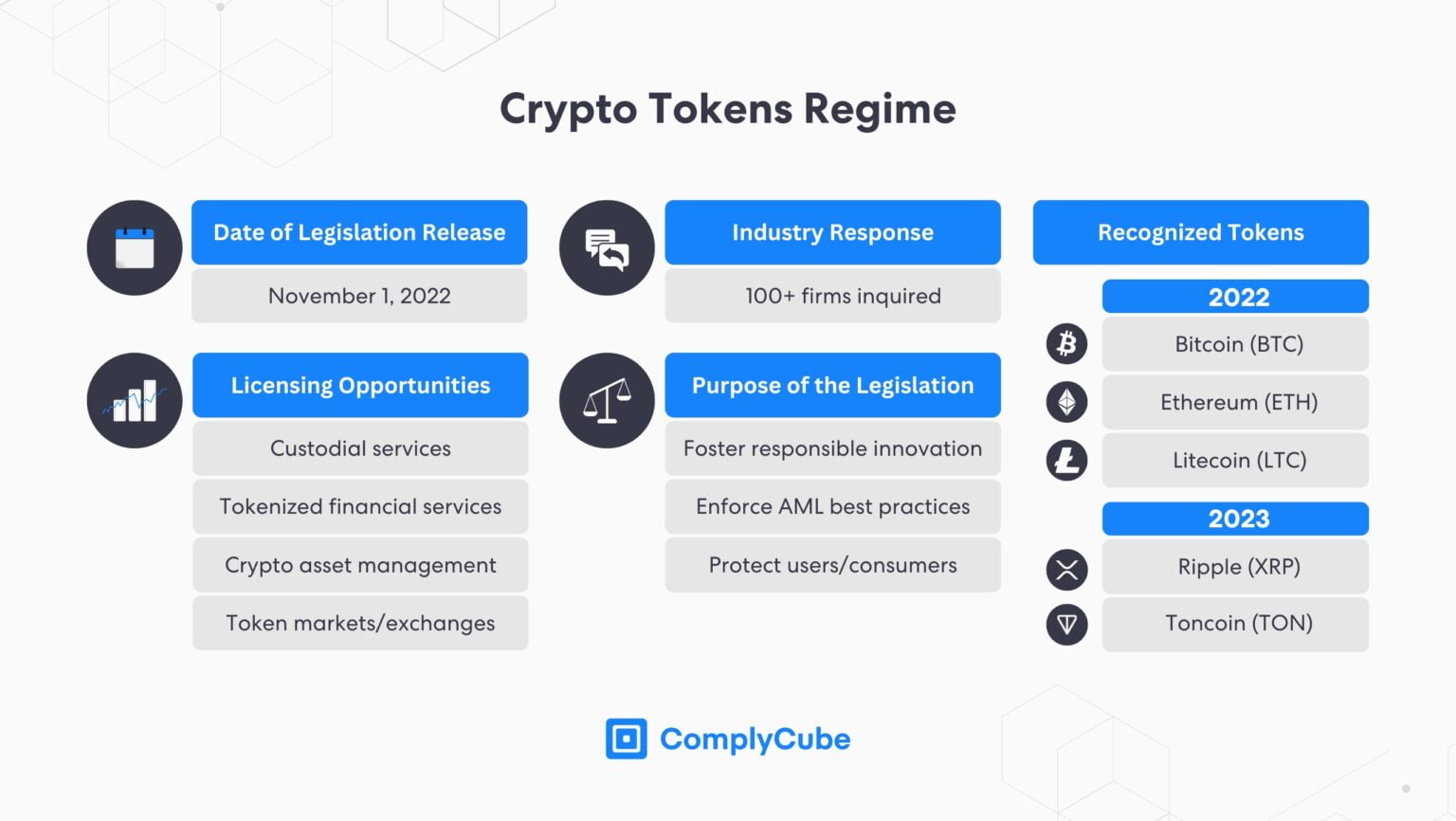
Dubai’s crypto landscape has undergone rapid transformations since the introduction of the crypto token framework in 2022. As regulatory frameworks evolve, firms must quickly adapt to ensure they remain compliant while simultaneously pushing for innovation. The DFSA’s latest updates reflect an understanding of this necessity, enabling companies to take ownership of their compliance obligations. This evolution ultimately enables the growth of a robust ecosystem where technology and regulation work hand-in-hand.
As the market matures, firms in Dubai should prioritize understanding how to navigate these regulatory changes effectively. Building a solid foundation of compliance practices will be essential for capitalizing on emerging opportunities within the crypto space. With the proper strategies, companies not only comply with regulations but also position themselves as responsible leaders in a competitive market.
The Future of Crypto Regulation in Dubai
Looking ahead, the future of crypto regulation in Dubai appears poised for continued evolution and refinement. The introduction of a principles-based approach by the DFSA sets a precedent for other jurisdictions considering similar frameworks. By focusing on outcomes rather than strict rules, Dubai can foster an environment conducive to innovation while maintaining rigorous standards for compliance. This balance will be critical as the unique challenges of the crypto sector continue to unfold.
Furthermore, with ongoing developments in the global arena, Dubai’s regulatory framework will need to remain dynamic and responsive. As technology advances and new financial products emerge, the DFSA will likely adapt its guidelines to ensure they meet the needs of businesses and the market. This continuous dialogue among regulators, businesses, and other stakeholders will be essential in shaping a resilient and forward-thinking crypto ecosystem in Dubai.
Collaborative Efforts in Crypto Compliance
The importance of collaboration in ensuring effective crypto compliance cannot be overstated. As each firm assesses its obligations under the new framework, sharing insights and best practices can create a collective knowledge base that strengthens the industry. Building partnerships among stakeholders, including regulatory bodies, fintech companies, and legal advisors, establishes a robust network capable of navigating the complexities of crypto compliance.
Workshops, seminars, and collaborative initiatives aimed at disseminating information on compliance strategies can facilitate a culture of shared learning. The DFSA’s role in guiding these partnerships will be vital to ensure that firms across the DIFC are aligned in their understanding of compliance standards. Open forums for discussion can also encourage feedback between the regulatory body and market participants, resulting in a more effective and responsive regulatory environment.
Building Investor Trust in the Crypto Sector
Investor trust is fundamental to the success of any financial market, and the crypto sector is no exception. With the DFSA’s updated regulations, companies have a clear framework to adhere to that emphasizes responsible practices and transparency. By committing to stringent compliance requirements, firms can establish themselves as trustworthy players in the market, which is crucial for attracting both institutional and retail investors.
As more investors enter the crypto market in Dubai, maintaining a reputation for reliability and adherence to regulatory standards will be essential. Companies that actively engage in responsible practices and prioritize investor protection will not only contribute to the stability of the market but also pave the way for future growth and innovation. Educating investors about the regulatory framework and the steps firms are taking to comply with their obligations fosters greater confidence and promotes a healthy investment climate.
Frequently Asked Questions
What are the recent updates on Dubai crypto token regulations by the DFSA?
The Dubai Financial Services Authority (DFSA) has significantly updated its crypto token regulations, transferring the responsibility of assessing crypto token applicability from the regulatory body to licensed companies in the Dubai International Financial Centre (DIFC). This change aligns with a more flexible, principles-based regulatory model introduced after extensive consultation.
How do the DIFC regulatory changes impact crypto compliance in Dubai?
The DIFC regulatory changes require companies to independently determine if their crypto tokens comply with the DFSA’s standards. This marks a move towards a more principles-based regulation, enhancing crypto compliance in Dubai by allowing firms to apply their insights instead of relying on a predefined regulatory list.
What is the new crypto token framework implemented by the DFSA?
The new crypto token framework established by the DFSA emphasizes a principles-based approach, allowing licensed firms to assess the applicability of crypto tokens without relying on a maintained list of recognized tokens, thus fostering innovation and compliance among businesses in Dubai.
How does the DFSA’s shift to principles-based regulation affect crypto token issuers in Dubai?
The shift to principles-based regulation by the DFSA empowers crypto token issuers in Dubai to evaluate their tokens’ compliance independently. This increases accountability and encourages businesses to align their operations with the DFSA’s standards proactively.
Are there any restrictions on specific categories of digital assets under Dubai crypto token regulations?
Under the updated Dubai crypto token regulations, there are no explicit prohibitions against any specific categories of digital assets. The DFSA’s new framework focuses on the applicability of tokens rather than restricting them, promoting a more open environment for crypto innovation.
What are the implications of DFSA’s approach on the future of crypto token regulation in Dubai?
The DFSA’s approach reflects a trend towards flexibility in crypto token regulation in Dubai, allowing for the diverse nature of digital assets. This shift is likely to foster innovation, enabling firms to explore new crypto token opportunities while maintaining compliance with regulatory standards.
| Key Points | Details |
|---|---|
| Regulatory Changes | The DFSA has updated its regulatory framework for crypto tokens, transferring assessment responsibilities to licensed companies. |
| Scope of Responsibility | Companies in the DIFC must determine the applicability of their crypto tokens without relying on the DFSA. |
| Consultation Process | This update follows a consultation that started in October 2025, marking a shift in regulatory approach. |
| Flexible Framework | Charlotte Robins described the changes as a move towards a more flexible and principles-based regulatory model. |
| No Recognized List | The DFSA will no longer publish a list of recognized crypto tokens. |
| Categories of Assets | The updated framework does not explicitly prohibit any categories of digital assets. |
Summary
Dubai crypto token regulations have undergone significant changes, indicating a new era for companies operating in the Dubai International Financial Centre (DIFC). The responsibility for assessing crypto token applicability has been placed in the hands of licensed entities, allowing for greater flexibility and independence in compliance. This regulatory evolution aims to foster a more adaptable environment for digital assets while removing the constraints of a fixed list of recognized tokens. As companies navigate these changes, they can expect a more principles-based approach to crypto token regulation in Dubai.
Related: More from Regulation & Policy | UK FCA to Consider Cryptos for Gambling Payments | Judge Halts Binance Effort to Arbitrate US Cryptocurrency Claims