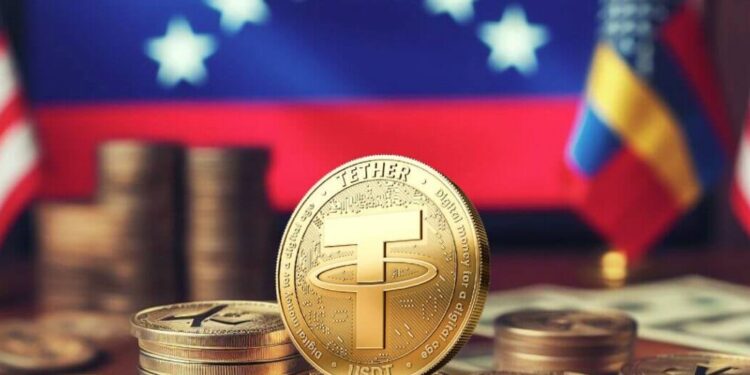

The emergence of Tether in Venezuela and Iran illuminates the critical role of stablecoins during tumultuous times. As inflation skyrockets and economic stability falters, many citizens in these countries are increasingly relying on Tether, a prominent stablecoin, to preserve their purchasing power. This trend showcases a growing wave of stablecoin adoption as individuals seek refuge from collapsing national currencies, like the Venezuelan bolivar and the Iranian rial. In particular, cryptocurrency in crisis scenarios such as these empowers locals to engage in everyday transactions, offering a semblance of financial security. By examining the landscape of Tether’s use, we can better understand how stablecoins in Iran and Venezuela are reshaping economic dynamics amid political unrest and sanctions.
In recent years, the application of Tether has unfolded dramatically against the backdrop of Venezuela’s and Iran’s economic struggles. These nations have turned to digital currencies, particularly stablecoins, as a means to navigate through financial disarray and government-imposed sanctions. With rising dollar-pegged assets, citizens have adopted these alternatives due to the instability of their national currencies. The ongoing crisis has driven many to seek cryptocurrencies not just for investment but as viable solutions for everyday transactions. As political turmoil ensues, the significance of stablecoin transactions shines through, revealing their pivotal role in these economically strained environments.
Understanding Tether’s Role in Crisis Situations
Tether, as the leading stablecoin, has found its role magnified in crisis situations such as those in Venezuela and Iran. In these regions, citizens have turned to Tether to mitigate the impacts of rampant inflation, currency devaluation, and political turmoil. The stablecoin’s US dollar-pegged value provides a semblance of stability that local currencies, like the Iranian rial and Venezuelan bolivar, simply cannot offer. By enabling transactions and savings that aren’t subject to hyperinflation, Tether has become a crucial financial resource for everyday people trying to navigate economic despair.
Moreover, Tether’s resilience in these environments also draws attention from sanctioned entities that attempt to evade international restrictions. In Iran, for instance, reports suggest significant use of Tether by groups associated with the Islamic Revolutionary Guard Corps. This dual usage of Tether highlights a critical conversation about the ethical implications of stablecoin adoption in crisis-ridden nations, where the same technology that helps citizens find economic relief also assists in circumventing sanctions.
Frequently Asked Questions
How is Tether stablecoin used in Venezuela and Iran?
Tether stablecoin (USDT) is predominantly used in Venezuela and Iran as a safeguard against economic instability and hyperinflation. In Venezuela, the collapse of the bolivar has led residents to utilize USDT for everyday transactions, while in Iran, citizens turn to Tether to offset the decline of the rial and cope with ongoing economic challenges.
What role does Tether play in the economies of Iran and Venezuela?
In both Iran and Venezuela, Tether serves as a vital tool for economic resilience. It provides individuals with access to a stable asset during crises, allowing them to conduct everyday transactions and hedge against inflation. Furthermore, USDT is utilized by state-linked entities in Venezuela for oil payments, effectively integrating cryptocurrencies into mainstream economic activities.
Can Tether help circumvent sanctions in Iran?
Yes, Tether has been implicated in helping sanctioned entities in Iran evade financial restrictions. Reports indicate that Iran’s Islamic Revolutionary Guard Corps has utilized stablecoins like USDT for significant financial transfers, leveraging it as part of a network to facilitate sanctioned operations without detection.
What challenges does Tether face in Iran and Venezuela?
Despite its widespread use, Tether faces significant challenges in both countries. In Iran, government regulations limit individual holdings of stablecoins, and hacking incidents have plagued local exchanges. In Venezuela, regulatory scrutiny and the need for blacklisting wallets associated with illicit activities pose obstacles to the unregulated use of Tether.
What is the impact of cryptocurrency adoption in crisis-hit regions like Iran and Venezuela?
The adoption of cryptocurrency, particularly Tether, in crisis-hit regions like Iran and Venezuela has underscored the importance of digital finance in unstable economies. Stablecoin adoption allows individuals to retain value, conduct trades, and bypass traditional banking systems, thereby fostering a degree of economic autonomy amidst political upheavals and inflationary pressures.
How does Tether manage blacklisting to prevent misuse?
Tether employs a proactive approach by blacklisting certain wallets linked to illegal activities, including those associated with sanctions evasion. This strategy includes cooperating with regulatory authorities to ensure that USDT is not utilized for criminal purposes, thereby enhancing the legitimacy of stablecoin use in the broader market.
What are the implications of Tether’s use on local currencies in Iran and Venezuela?
The extensive use of Tether in place of local currencies such as the rial and bolivar highlights a diminishing trust in local financial systems. As more individuals turn to USDT for transactions, it creates a dual economy where stablecoins hold greater purchasing power, further exacerbating the challenges faced by traditional banking and monetary policies.
Is Tether the most popular stablecoin in Iran and Venezuela?
Yes, Tether is reported to be the most popular stablecoin in both Iran and Venezuela. Its widespread acceptance stems from its stability, ease of use in transactions, and the trust it offers to users amidst significant local currency fluctuations and economic instability.
| Key Point | Details |
|---|---|
| Tether’s Importance | Tether (USDT) serves as a crucial financial tool for both Venezuelans and Iranians facing economic crisis due to inflation and political instability. |
| Iran’s Economic Turmoil | Protests have erupted in response to the devaluation of the Iranian rial; Tether is widely used to protect against inflation. |
| Government Restrictions | Iran’s government imposed limits on Tether purchases and holdings to curb its use in sanctions evasion. |
| Usage in Venezuela | Venezuelans use Tether for their daily transactions due to the collapse of the bolivar and lack of trust in banks. |
| State Involvement | Venezuela’s state-run oil company has started accepting payments in Tether to bypass US sanctions. |
| Sanctions Evasion | Both countries have seen Tether used by sanctioned entities to evade international sanctions. |
| Tether’s Response | Tether collaborates with the US government to track and blacklist wallet addresses linked to illicit activities. |
Summary
Tether in Venezuela and Iran illustrates the duality of stablecoins, serving as both a vital resource for everyday citizens and a potential tool for sanctioned entities. In Venezuela, the rising adoption of Tether has become a necessity for individuals struggling with hyperinflation, allowing them to transact and safeguard their assets. Similarly, citizens in Iran rely on Tether to navigate through severe economic crises exacerbated by sanctions and currency devaluation. Nevertheless, the use of Tether has become a point of contention, as it also facilitates financial operations for entities under international sanction. Despite efforts to combat this misuse, Tether continues to play a significant role in the economies of both countries, reflecting the complexities and implications of stablecoin utilization.
Related: More from Ethereum News | Google Cloud, MoneyGram Join New Privacy Network Bank Initiative | Ethereum Network Transactions Hit New Record: What It Means for You