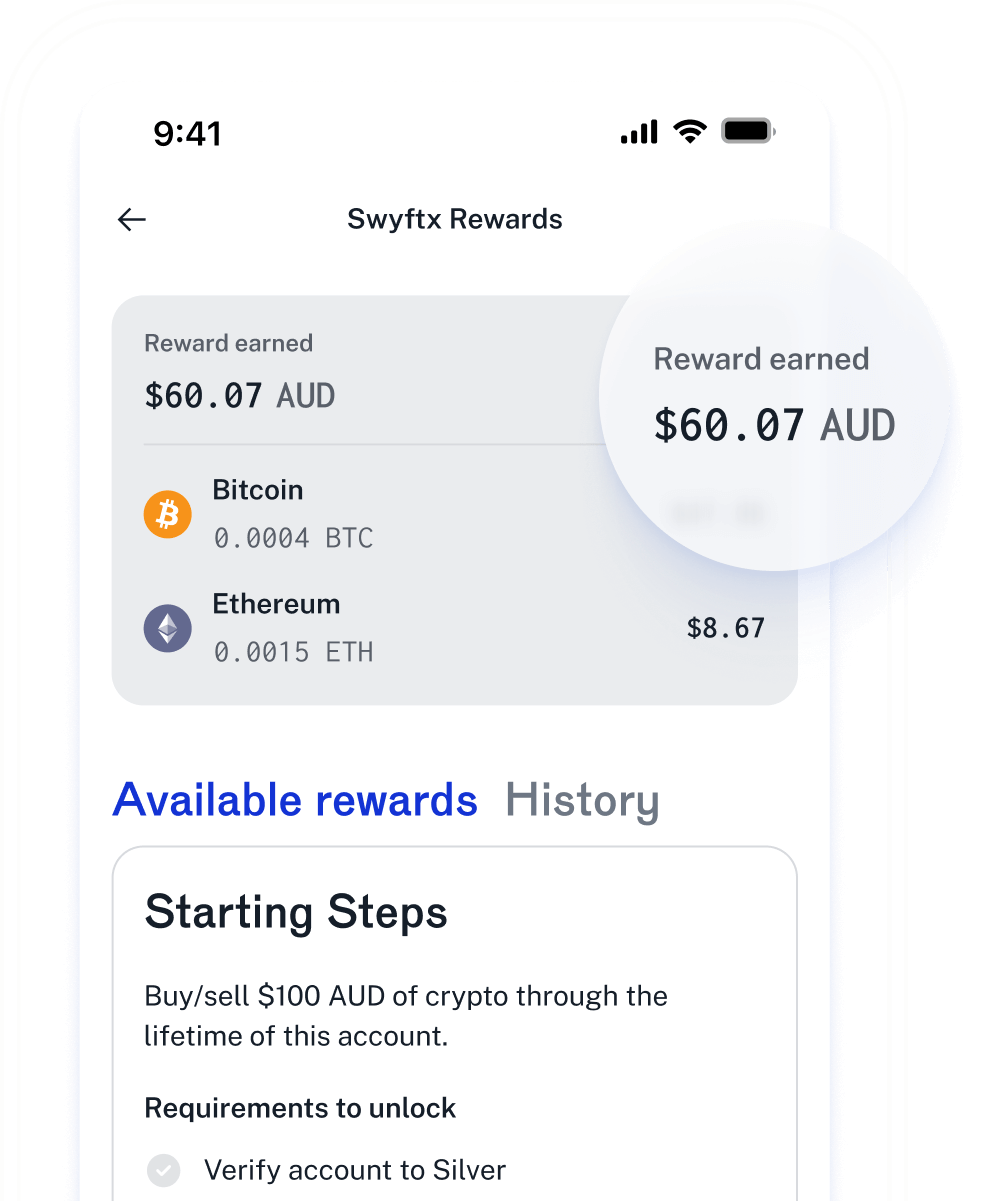

In the rapidly evolving landscape of finance, crypto rewards have emerged as a compelling alternative for those seeking better returns on their investments. These rewards stem from stablecoins, which offer enticing incentives that challenge traditional banking systems, potentially leading to significant banking revenue loss. While banks lobby against these innovative financial tools under the guise of protecting consumers, the reality is that they are eager to preserve a $360 billion revenue machine. As Congress debates the implications of the GENIUS Act on digital currencies, the competitive pressure from crypto rewards grows ever more pronounced. The promise of crypto rewards not only disrupts the status quo but also highlights the advantages of digital currency yields, underscoring the urgent need for regulatory clarity in an increasingly crypto-driven economy.
In recent discussions about advancements in digital finance, terms like cryptocurrency incentives and stablecoin benefits are gaining traction as they redefine investment strategies. As the financial sector contemplates the emergence of blockchain-based rewards, the potential for disruption is palpable, especially considering the response from traditional banks facing inevitable competition. With threats of significant revenue shifts on the horizon, incumbents argue about banking stability while many consumers seek the advantages offered by alternative currency systems. These dynamics, coupled with a potential shift in regulatory landscape under policies like the GENIUS Act, foreshadow a future where digital currencies and their yields could reshape our understanding of value exchange. Ultimately, the emergence of digital currencies as viable alternatives places the bank’s traditional revenue streams under scrutiny, begging the question: how will they adapt to maintain their foothold?
Understanding the Threat of Crypto Rewards to Traditional Banking
As traditional banking institutions face growing competition from innovative financial technologies, the idea of crypto rewards has emerged as a significant threat. These rewards incentivize users to engage with cryptocurrencies like stablecoins, which offer benefits such as competitive interest rates that legacy banks simply cannot match. The substantial revenue streams that banks currently rely on—including interest from reserve balances at the Federal Reserve and swipe fees—are at risk if stablecoins gain traction and attract customers seeking better yields.
The projection that stablecoins could capture even a fraction of the transaction volume currently processed through bank payment systems poses a legitimate headache for banks. With a staggering $360 billion in combined annual income from payments and deposits at stake, it’s no wonder banks are lobbying to suppress crypto rewards. Their argument frames this as a matter of financial stability, but many observers suggest it’s more about protecting profits than safeguarding customer interests.
The Banking Revenue Loss: A Secret Worth Billions
The substantial revenue loss banks face due to the introduction of competitive financial products such as stablecoins cannot be overlooked. As stablecoins allow users to earn yields directly tied to safe assets like Treasury securities, traditional banks are increasingly wary of a future where their profit margins significantly diminish. Currently, banks profit substantially from card transaction fees, totaling around $187 billion annually. If consumers turn to stablecoins for their transaction needs, these banks could see their lucrative fee income dry up.
Furthermore, stablecoins can facilitate on-chain payments that drastically reduce processing fees compared to traditional credit and debit card payments. The implications are dire for banks facing the potential loss of billions in revenue. This looming financial threat leads banks to push back against crypto rewards, aiming to stymie this competitive advancement while maintaining their entrenched business models.
The Impact of the GENIUS Act on Crypto Rewards
The GENIUS Act has introduced stringent regulations that disallow stablecoin issuers from offering interest or yield, which restricts their ability to compete directly against traditional banking products. By deeming any rewards or incentives through affiliated programs as illegal, the legislation could potentially stifle innovation in the crypto space. This act embodies a significant twist in the ongoing struggle between the old guard of banks and the new players in the crypto ecosystem, as it conditions the future landscape of digital financial services.
However, despite the ban on direct yields, many crypto platforms have found ways to route rewards through affiliate mechanisms, treating them as marketing incentives rather than direct returns on stablecoin holdings. This has led to a contentious debate: should Congress extend this ban to encompass all forms of rewards, or should the existing competitive framework remain intact? The outcome may determine how effectively stablecoins can position themselves in the marketplace, and whether they can capture users from conventional banks.
Stablecoin Benefits: Advantages Over Traditional Banking
Stablecoins bring numerous benefits that can attract consumers away from traditional banking. One of the most significant advantages is the potential for earning higher yields on deposited funds, from which banks typically profit without compensating depositors fairly. By utilizing treasury yields to back stablecoins, issuers can offer competitive interest rates, incentivizing users to choose digital currencies over traditional savings and checking accounts.
Another benefit of stablecoins is their inherent adaptability within the digital finance ecosystem, which allows for streamlined transactions without the hefty fees associated with traditional banking. As stablecoins enable on-chain transfers without intermediaries—such as large card networks—consumers stand to save substantially on transaction costs. In this landscape, stablecoins operate not just as an alternative means of payment, but as a viable substitute for interest-yielding accounts, appealing directly to consumers left unfulfilled by conventional banking options.
Navigating Digital Currency Yields: A New Frontier
The rise of digital currencies has signaled a new era in financial services, where users demand not just utility but also value in terms of yields from their holdings. With digital currency yields on the rise, stablecoins are emerging as a frontrunner in providing consumers with the ability to earn passive income through their deposits. This shift places traditional banks at risk of losing their customer base to these emerging financial products.
As banks grapple with the challenges posed by the increasing popularity of digital currency yields, they must adapt or risk obsolescence. Understanding and integrating the benefits of offering competitive yields on deposits could be key for banks to retain customer loyalty. However, the regulatory hurdles set by measures like the GENIUS Act complicate their strategies, as they must navigate a legislative landscape that may limit their ability to offer similar rewards.
How Stablecoins Reshape Consumer Behavior
The introduction of stablecoins and their associated rewards systems marks a revolutionary shift in consumer behavior regarding financial products. As users become more aware of the potential yield opportunities offered by stablecoins, their expectations of traditional banks are also changing. Consumers are less willing to accept low-interest rates on savings accounts, especially when stablecoins present clearly higher yields.
Engaging with cryptocurrencies introduces a new paradigm in how users view financial services, leading to a demand for more transparency and better rewards structures from banks. It compels financial institutions to reconsider their service delivery models and may prompt them to embrace digital innovations in an effort to remain competitive against the lure of crypto rewards.
The Role of Legislation in Shaping the Crypto Landscape
Legislation plays a critical role in defining the parameters within which financial ecosystems operate, particularly as the world gradually pivots to more digital forms of currency. Laws like the GENIUS Act reflect the complexities and challenges that come with regulating rapidly expanding industries like cryptocurrency. These legal frameworks can serve as either a barrier to innovation or a structured way to incorporate new financial products into the existing landscape.
Proponents of crypto argue that overly restrictive legislation could stifle competition and innovation, while banks may tout the need for regulation to maintain consumer confidence and financial stability. As legislators deliberate on the boundaries of what constitutes fair operating ground for digital currencies and their rewards systems, the decisions made will ultimately shape the future dynamics between traditional banks and the new crypto players emerging on the scene.
The Fight for Financial Innovation: Banks vs. Crypto
The ongoing struggle between traditional banking institutions and cryptocurrency platforms is not just a battle for market share; it is fundamentally a fight for the future of finance. As banks engage in lobbying efforts against crypto rewards, they seek to maintain a competitive edge that has long favored them. This conflict exposes underlying fears concerning the disruption that digital currencies present to established business models.
In response, crypto proponents assert that ongoing innovation should be embraced rather than stifled. Their belief is that by allowing for competitive rewards systems—which yield higher returns for users—the financial services industry can evolve to better meet the needs of consumers. As both sides present their cases, the outcome of this battle will define the landscape of financial services for years to come.
Consumer Advantage: Why Stablecoin Rewards Matter
Understanding the importance of stablecoin rewards for consumers is crucial in evaluating the changing financial landscape. These rewards not only provide direct financial benefits through higher yields but also expand access to financial services for individuals who may be underserved by traditional banks. The low barriers to entry for stablecoins allow a broader spectrum of people to participate in the financial ecosystem.
As consumers increasingly recognize the value of earning rewards on their crypto assets, this trend highlights the shifting expectations toward financial products. Financial empowerment through stablecoins may encourage more individuals to take control of their economic futures, showcasing the potential of cryptocurrencies to challenge the status quo and create unprecedented opportunities for wealth generation.
Frequently Asked Questions
What are the benefits of crypto rewards compared to traditional banking?
Crypto rewards, particularly from stablecoins, offer benefits such as competitive yields that surpass traditional bank savings accounts. Unlike banking revenue loss due to lower interest rates, stablecoins allow users to earn real returns, often between 1.5% to 5%, funded by Treasury yields. This attractive feature positions stablecoin rewards as a formidable competitor to conventional banking products.
How do crypto rewards relate to the banking revenue loss debate?
The rising popularity of crypto rewards threatens traditional banking revenue streams, particularly the $360 billion generated from interest on reserve balances and card swipe fees. As users flock to stablecoins for their superior rewards, banks face potential revenue losses. This competitive shift raises concerns among financial institutions about maintaining their profit margins amidst increased crypto adoption.
What are the implications of the GENIUS Act on crypto rewards?
The GENIUS Act prohibits stablecoin issuers from offering direct or indirect interest payments, including rewards through affiliate programs. This legislation aims to eliminate the competitive edge that crypto rewards provide against traditional banks. Should banking groups succeed in interpreting the Act broadly, the implications could restrict the growth of rewards in the crypto space, limiting consumer choice in favor of protecting traditional banking revenues.
How do digital currency yields challenge conventional banking systems?
Digital currency yields from stablecoins directly compete with low yields on traditional savings accounts. By offering higher rewards funded through reserves in Treasury securities, stablecoins can displace bank deposits and reduce the banks’ margins on lending and fee-based revenues. This dynamic creates a new financial landscape where consumers benefit from better returns on their holdings.
What competitive edge do crypto rewards provide over traditional credit card rewards?
Crypto rewards, especially from stablecoins, offer lower transaction costs compared to the standard credit card rewards funded through high interchange fees. As stablecoins capture market share from credit card transactions, users can benefit from significant savings while still earning rewards. This shift has the potential to disrupt the current rewards structure that banks and card issuers rely on.
What is the future of crypto rewards considering potential regulatory changes?
The future of crypto rewards will largely depend on how regulatory bodies interpret laws like the GENIUS Act. If crypto platforms can continue to find loopholes to offer rewards through affiliate programs, they may thrive in a competitive landscape. Conversely, stringent regulations could stifle growth and innovation in the crypto rewards sector, solidifying traditional banks’ hold on depositors and earnings.
Can stablecoin rewards significantly affect community bank deposits?
Research indicates that while stablecoin rewards present a competitive option, their current yield rates ranging from 1% to 3% are not likely to cause mass migration of deposits from community banks. Even under extreme market conditions, evidence suggests community banks would retain the vast majority of their deposits, indicating that while stablecoin rewards pose a threat, they do not yet represent an immediate concern for traditional banking institutions.
How do banking institutions perceive the rise of crypto rewards?
Banking institutions view the rise of crypto rewards as a direct threat to their established revenue streams. Their concern stems from the competitive nature of stablecoin yields that could draw consumers away from traditional savings options, leading to banking revenue loss. As a result, banks actively lobby for regulatory measures to limit the appeal of crypto rewards, fearing that these innovations will disrupt their widely profitable business models.
| Key Points |
|---|
| Banks are opposing crypto rewards, particularly from stablecoins, as they pose a threat to their significant revenue streams. |
Summary
Crypto rewards are emerging as a significant challenge to traditional banking models. The lobbying efforts from banks to eliminate these rewards highlight their desire to protect a hidden revenue system worth $360 billion, which impacts every household. With stablecoins offering competitive yields and bypassing network fees typical of credit card payments, they represent a viable alternative for consumers. As Congress navigates these regulatory waters, the future of crypto rewards will depend on balancing consumer benefits against the financial interests of banks.
Related: More from DeFi & Stablecoins | Aixovia Burns 90,357,968 AIXDROP Tokens On-Chain Proof | Arthur Hayes Liquidates DeFi Tokens: A $3.48 Million Loss You Should See