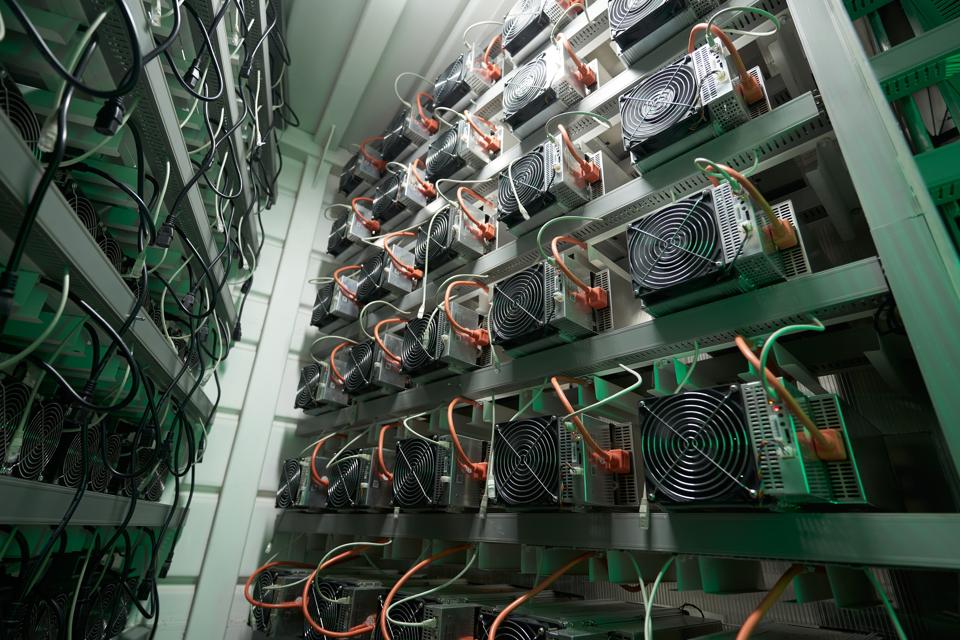

Bitcoin mining has been at the forefront of energy discussions, drawing attention for its substantial energy consumption and economic implications. As this digital currency extraction method continues to develop, it faces mounting scrutiny over its environmental impact, particularly in light of recent warnings from bitcoin-etfs/" class="bpay-semantic-link" style="color:#0a7a64; font-weight:700; text-decoration:none;" target="_blank" rel="noopener">BlackRock regarding energy competition. The question arises: how will Bitcoin mining navigate its energy demands alongside the burgeoning AI energy demand, which threatens to reshape the landscape of electricity consumption? The interplay between cryptocurrency operations and AI presents a unique challenge, as both sectors seek power in an age of tightening energy grids. In this evolving context, understanding the dynamics of Bitcoin mining competition becomes crucial for investors and policymakers alike, as energy availability could determine the viability of these digital ventures.
Engaging in the extraction of Bitcoin, often referred to as cryptocurrency mining, has rapidly emerged as a central player in global energy debates, particularly concerning its consumption of electrical resources. This sector is now facing challenges from various technological advancements, most notably the rise of artificial intelligence, which demands significant energy resources to operate efficiently. As the rivalry for power escalates between these sectors, the implications of Bitcoin mining may extend beyond mere profits—impacting national energy strategies and regulatory measures. The intricate relationship between cryptocurrency operations and artificial intelligence highlights the importance of energy supply and distribution in shaping the future of digital finance. Exploring alternative approaches to energy consumption in this competitive environment will be essential in determining which technological advances thrive in the coming years.
Understanding Bitcoin Mining’s Energy Consumption
Bitcoin mining relies on complex computations, which demand vast amounts of electrical energy to secure operations. As the network grows, the energy consumption of this process continues to escalate, raising critical concerns regarding its environmental impact and sustainability. The debate surrounding Bitcoin mining energy consumption often revolves around its efficiency and carbon footprint, prompting discussions on energy sources and the shift towards more renewable options. In many regions, miners leverage surplus power, especially from renewable sources, but this does not entirely alleviate the scrutiny surrounding their operations.
Additionally, as cryptocurrencies like Bitcoin vie for energy alongside rising trends in Artificial Intelligence (AI), the competition for energy resources intensifies. Reports suggest that as global energy demands increase, Bitcoin miners may face pressure from both regulators and the public to reduce their energy consumption or transition to greener energy solutions. The intricate relationship between Bitcoin mining and energy consumption highlights the pressing need for clean energy innovations and strategic energy policies to foster a sustainable digital currency environment.
The Intersection of Cryptocurrency and AI Energy Demand
The confluence of cryptocurrency and AI presents a unique challenge in energy demand. With AI systems projected to occupy a significant share of global electricity consumption, pivots towards integrating Bitcoin mining operations with AI infrastructure will be crucial. Both sectors are becoming increasingly energy-intensive, leading to potential energy scarcity that could reshape their operational models. This development foreshadows a highly competitive scenario where both cryptocurrencies and AI must jostle for available energy resources.
As this competition intensifies, industry stakeholders must strategize around energy efficiency and consumption. Bitcoin miners, traditionally viewed as flexible energy consumers, may need to adapt to the more rigid energy demands of AI data centers, which require constant power supply without interruptions. The evolving dynamics between these two sectors will dictate future policies and practices, highlighting the importance of sustainable energy solutions capable of meeting the dual demands of AI and Bitcoin mining.
Challenges in the Energy Grid for Miners and AI
As Bitcoin mining continues to advocate for its operational flexibility during periods of grid stress, the rapid growth of AI data centers poses new challenges for energy grids. Miners have historically leveraged their ability to curtail energy consumption during peak periods, presenting themselves as valuable partners in energy management. However, with AI’s demand for stable and predictable energy, the grid’s response capability faces significant strains. The increasing load from both sectors will likely necessitate revisions in regulatory frameworks and utility structures.
Grid operators must contend with these competing demands, particularly in regions like Texas where energy markets are evolving rapidly. If grid access becomes a bottleneck, Bitcoin miners could find themselves at a disadvantage compared to AI operations that focus on establishing long-term energy contracts. Addressing these energy grid challenges is paramount; otherwise, local policymakers may prioritize segments of the market over others, influencing the future landscape of both AI and cryptocurrency industries.
Bitcoin Mining Competition: The Fight for Energy Resources
The competition for energy resources has intensified as Bitcoin mining faces increasing challenges from burgeoning AI sectors. This battle for energy access could reshape industry operating models, as companies in both sectors vie for favorable contracts and access to reliable electricity supplies. Miners, who have historically flourished in regions with surplus energy, may find that AI’s entrance into the energy market complicates their operations. As electricity demand escalates, Bitcoin miners must distinguish themselves by demonstrating their unique value propositions in energy management and consumption efficiency.
Moreover, miners may be compelled to innovate and adopt energy strategies that not only allow them to remain competitive in pricing but also align with sustainability initiatives. In regions where energy competition is fierce, miners that can showcase flexible consumption practices without degrading service reliability could gain a significant advantage, particularly as energy regulations begin to take shape. The outcome of this competitive landscape will be crucial for the future sustainability of both Bitcoin mining operations and the AI industry’s energy demands.
Evaluating the Environmental Impact of AI and Bitcoin Mining
The environmental implications of AI and Bitcoin mining present crucial considerations as both sectors expand. Bitcoin mining has come under fire for its heightened energy consumption and carbon emissions, a concern raised continuously by environmental advocacy groups. As AI systems begin to emerge with similarly high electricity demands, especially given projections that suggest dramatic rises in energy consumption by 2030, the focus on environmentally sustainable practices becomes increasingly urgent. Both industries must address their environmental footprints proactively to ensure public and governmental support.
To mitigate the adverse effects, adopting innovative technologies and transitioning towards greener energy sources will be essential. The integration of renewable energy solutions into mining practices and AI infrastructure can significantly contribute to reducing overall emissions. Companies identifying as environmentally responsible in their branding will not only align with consumer expectations but could also benefit from new regulatory frameworks aimed at reducing carbon footprints across industries.
Opportunities for Collaboration Between AI and Bitcoin Miners
While competition for energy resources currently dominates the landscape, opportunities for collaboration between AI and Bitcoin miners also exist. Bitcoin miners possess expertise in energy consumption flexibility and management, offering valuable insights into the optimization of energy use. By sharing best practices and technological innovations, both sectors could work together to enhance energy efficiency and secure a sustainable energy future. This cooperation could lead to shared energy infrastructures where AI facilities and Bitcoin mining operations benefit mutually.
Moreover, harnessing the strengths of both sectors could present lucrative new avenues for revenue generation. For instance, miners could leverage AI technologies to predict energy demands better and manage their consumption, while AI data centers could benefit from the energy market’s dynamics facilitated by mining operations. Through collaboration, these sectors can help each other thrive amid increased energy competition, potentially paving the way for a more sustainable and economically robust partnership.
Strategic Energy Solutions for Bitcoin Miners
In an environment characterized by tightening energy markets, strategic energy solutions will play a pivotal role for Bitcoin miners. As electricity becomes a contested resource, miners must adapt their operational strategies by incorporating energy-efficient technologies and leveraging flexible consumption models. Investing in advancements such as carbon capture and renewable energy sources, such as solar or wind, can not only lower operational costs but also enhance miners’ public perception amidst environmental scrutiny.
Additionally, policy engagement and collaboration with utility providers can help miners strike favorable energy agreements. By advocating for changes in energy regulations and highlighting the stability that mining can provide to the grid, miners can create a responsible operational framework that allows them to capitalize on available energy resources. In doing so, miners can flaunt their contributions towards grid stability while navigating the evolving energy landscape.
Policy Implications of Rising AI and Bitcoin Energy Demands
The increasing energy demands from both AI and Bitcoin mining will necessitate proactive policy interventions to ensure a balanced energy landscape. Policymakers will have to consider how to allocate energy resources across industries efficiently while keeping sustainability goals in mind. As AI’s energy usage escalates, new regulatory frameworks will need to emerge, fostering collaborations that might offer Bitcoin miners opportunities to showcase their contributions to grid reliability and energy efficiency.
Furthermore, there may be a need for tailored regulations that account for the unique energy profiles both sectors exhibit. Policymakers must harmonize growth incentives across industries while ensuring that energy demands do not outpace supply capabilities. In this context, there will be critical dialogues between industry representatives and policymakers to shape the future energy grid’s role and response strategies.
Redefining the Future of Bitcoin Mining Amid AI Growth
As AI technologies progress, redefining the future of Bitcoin mining will be necessary to align industry practices with emerging energy realities. Miners must embrace adaptability, investing in technology that accommodates the evolving landscape where energy access becomes paramount. This includes aligning with renewable energy initiatives, enhancing energy-efficient practices, and prioritizing sustainable operations that resonate with a broader demographic increasingly favoring ecological responsibility.
Additionally, miners may need to diversify their operations, moving from purely cryptocurrency mining to offering more expansive computing capabilities that cater to both traditional sectors and emergent needs such as AI. This transition may provide a competitive edge by securing essential energy resources that benefit from existing infrastructure while pursuing innovative solutions, positioning Bitcoin mining as a cornerstone in sustainable energy production.
Frequently Asked Questions
What impact does Bitcoin mining have on energy consumption compared to AI?
Bitcoin mining significantly contributes to energy consumption, with estimates indicating it accounted for about 0.6% to 2.3% of U.S. electricity consumption in 2024. As AI expands, it may surpass Bitcoin mining in energy demand, potentially consuming up to 24% of total U.S. electricity by 2030. This shift could intensify the competition for energy resources between Bitcoin miners and AI data centers.
How does Bitcoin mining relate to energy grid challenges?
Bitcoin mining is often viewed as a flexible energy consumer, capable of ramping down operations during peak demand times to alleviate pressure on the grid. However, as AI data centers demand a steady baseload of power, Bitcoin miners may face increased challenges accessing affordable energy as competition for grid connection intensifies.
What are the implications of Bitcoin mining competition with AI for electricity resources?
As AI technology becomes more prevalent and demands more electricity, Bitcoin mining could find itself competing for limited energy resources. This competition may force miners to innovate and adapt their operations to secure access to cheap energy while maintaining profitability within a tightening energy market.
Are Bitcoin miners adapting their strategies in response to AI’s growing energy demand?
Yes, Bitcoin miners are increasingly looking to transition from traditional mining operations to hosting AI infrastructure. This pivot is motivated by the demand for stable energy access, which is crucial for AI operations. Miners are leveraging their existing power rights and infrastructure to attract new business from AI developers.
What role do Bitcoin miners play in managing energy consumption within the grid?
Bitcoin miners have the potential to act as flexible energy users, strategically curtailing their operations during high-demand periods to stabilize the grid. This capability positions them as valuable partners in the energy ecosystem, especially as AI and other energy-intensive technologies compete for limited resources.
How might Bitcoin mining and AI influence future energy regulations?
As Bitcoin mining and AI continue to shape energy consumption patterns, regulators may prioritize ‘productive’ energy loads, which could influence the legislative landscape. The pressure on energy markets may lead to a more favorable regulatory environment for AI data centers, while Bitcoin miners may need to prove their value in energy consumption debates.
What are the future prospects for Bitcoin mining in an AI-driven energy landscape?
The future of Bitcoin mining in an AI-driven energy landscape will likely depend on miners’ ability to adapt their business models. Those who can integrate with energy grids and provide demand-response capabilities may thrive, while miners unable to secure competitive energy access may face operational challenges.
How does increased competition for energy affect Bitcoin mining profitability?
Increased competition for energy resources can significantly impact Bitcoin mining profitability. As energy prices rise due to heightened demand from AI data centers, miners will need to find innovative ways to operate at lower costs or potentially relocate to areas where energy is more affordable and accessible.
| Key Point | Details |
|---|---|
| Energy Consumption | Bitcoin mining faces scrutiny over energy use amid rising electricity demands from AI. |
| AI’s Energy Profiling | AI is viewed as an energy-consuming entity, potentially consuming up to 24% of US electricity by 2030. |
| Bitcoin Mining Dynamics | Miners operate on the premise of accessing low-cost energy, but competition for resources is increasing. |
| Operational Flexibility | Bitcoin miners can curtail operations during peak demand, unlike AI data centers which require consistent energy. |
| Value of Power Access | Accessing cheap power is becoming more difficult; miners may adapt by offering hosting services. |
| Future Outlook | The thriving AI sector could overshadow mining, pushing miners to innovate in energy utilization and partnerships. |
| Policy Implications | Political focus may shift towards AI as critical infrastructure, affecting regulations for Bitcoin mining negatively. |
Summary
Bitcoin mining is entering a challenging phase marked by rising competition for energy resources, particularly as AI technologies expand their demand for electricity. The intertwined dynamics of these sectors could reshape the landscape, with miners needing to adapt to maintain operational viability. As BlackRock suggests, the era of cheap energy may soon come to an end, compelling Bitcoin miners to innovate, form new partnerships, and potentially transition to more stable business models to ensure their continued presence in the energy-constrained future.
Related: More from Bitcoin News | Bitcoin Analysts: BTC Market Bottoming in Q4 2026 | BTC Below $70K, JPN Inflation Under 2%: Monthly Charts