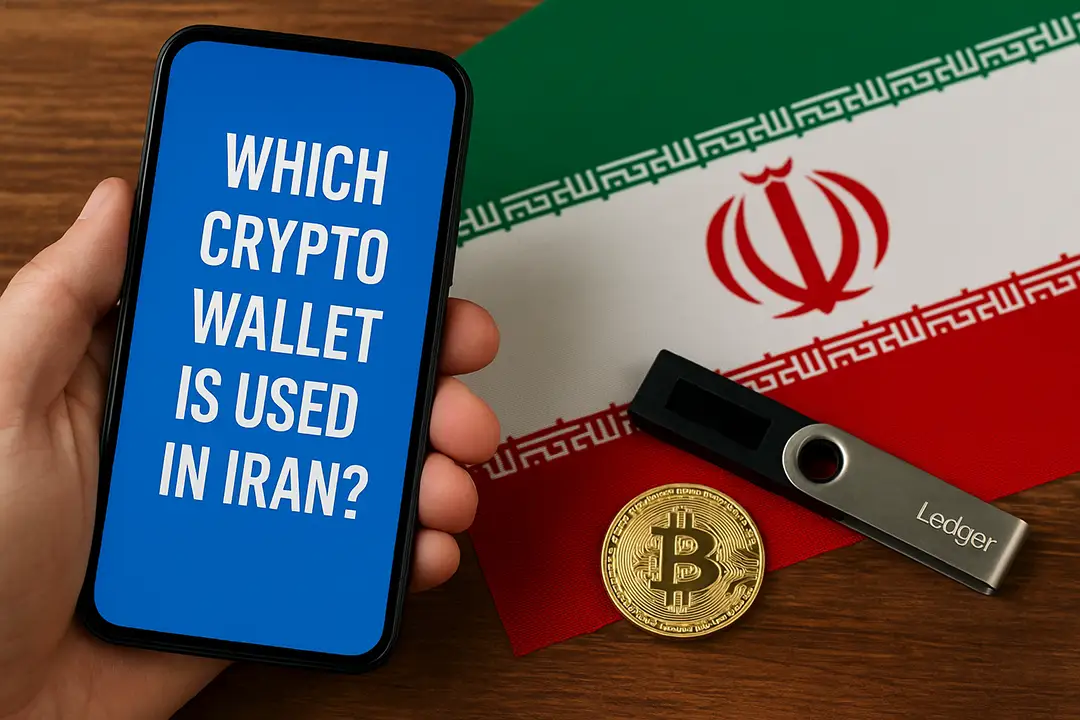

Crypto use in Iran has emerged as a vital lifeline during times of economic turmoil and governmental internet shutdowns. As protests erupted over steep inflation and the declining value of the Iranian rial, the regime’s response included cutting off internet access, raising concerns about how citizens could maintain their financial autonomy through cryptocurrency. Remarkably, around seven million Iranians are estimated to engage in crypto transactions, with significant amounts flowing through various platforms even amidst governmental restrictions. While traditional internet channels are blocked, innovations like Starlink and blockchain technologies offer new pathways for offline transactions, allowing Iranians to potentially preserve their wealth. This evolving situation underscores the critical role of cryptocurrency during protests and economic instability in Iran today.
The utilization of digital currencies in Iran represents an unconventional yet increasingly necessary approach as the country grapples with severe economic distress and state-imposed internet isolation. With widespread unrest leading to significant government actions, including an internet blackout, many individuals are turning to alternative financial solutions, such as cryptocurrencies. The ability to conduct transactions through various innovative methods, like satellite networks and emerging mobile technologies, is crucial for maintaining financial activity amidst these turbulent times. Such developments highlight the importance of decentralized currencies in providing resilience against governmental control and economic limitations. In this context, the conversation around cryptocurrency in Iran takes on new dimensions, particularly related to its potential to support citizens as they navigate these challenges.
The Impact of Internet Shutdown on Crypto Transactions in Iran
The recent internet shutdown in Iran has posed significant challenges for cryptocurrency transactions, impacting millions of crypto users in the country. With the Iranian rial plummeting against the US dollar, many users have turned to cryptocurrencies as a means of wealth preservation. However, the lack of internet access complicates these efforts, making it difficult for users to conduct offline transactions. Despite these barriers, innovative solutions and alternative technologies are emerging to bridge the gap and maintain crypto activity during this tumultuous period.
The blockchain technology powering cryptocurrencies allows for decentralized transactions, but it traditionally relies on internet connectivity for verifying and recording these transactions on the ledger. In Iran, where the government has restricted internet access in an attempt to control the situation during widespread protests, the challenge lies in enabling these transactions without traditional internet infrastructure. As individuals seek ways to navigate these obstacles, creative technologies, such as satellite internet systems and decentralized messaging apps, are becoming lifelines for crypto enthusiasts.
Exploring Bitcoin Offline Transactions in Crisis
In the wake of the internet blackout, the concept of offline Bitcoin transactions has gained traction among the Iranian population. Bitcoin’s unique characteristics enable transactions to be conducted under various conditions, even without direct internet access. With innovative systems like Blockstream’s satellite broadcasting, users can potentially receive Bitcoin transaction information via satellite, allowing them to remain engaged in the cryptocurrency market while disconnected from the internet.
Moreover, initiatives such as Bitchat, a peer-to-peer messaging application, are proving valuable. By utilizing Bluetooth mesh networks, it allows users to share transaction data locally, enabling the execution of Bitcoin transactions without internet connectivity. As the socio-political landscape of Iran evolves, these offline transaction methods could play a central role in maintaining financial autonomy for citizens amid ongoing protests and civil unrest.
Starlink: A Beacon of Hope for Crypto Access in Iran
Elon Musk’s Starlink has emerged as a potential savior for those seeking access to cryptocurrency during Iran’s stringent internet shutdown. Given its ability to provide high-speed internet in areas lacking coverage, Starlink could facilitate vital communications for crypto users relying on timely data for transactions. The call for deploying Starlink in Iran reflects a growing recognition of the importance of sustained internet access for both financial transactions and broader communication during times of crisis.
If Starlink can effectively restore internet access, it could significantly enhance the ability of Iranian crypto users to engage with blockchain technologies and maintain their digital assets. This decentralized satellite service could pave the way for transactions in real-time, even amidst government-imposed restrictions. As global attention increases on Iran’s economic challenges, the role of Starlink in promoting cryptocurrency access underscores the intersection of technology and financial resilience.
Cryptocurrency During Protests: A Means of Resistance
In Iran, the use of cryptocurrency during protests highlights a growing trend of utilizing decentralized finance as a form of resistance against oppressive governmental policies. As economic conditions worsen and the value of the rial continues to decrease, many citizens have turned to cryptocurrencies like Bitcoin as a means to shield their assets from inflation and potential state seizure. This trend showcases how crypto can be a powerful tool for safeguarding wealth, especially in politically unstable environments.
The intersection of protests and cryptocurrencies presents a unique scenario where digital assets become not only a financial lifeline but a political statement. Iranians engaging in crypto transactions during protests can signal their dissent against oppressive measures while also finding innovative ways to preserve their wealth despite the government’s attempt to subdue their voices. Such actions reflect a broader understanding of the role of blockchain technologies in supporting individual freedoms and economic autonomy.
Innovative Technologies Enabling Offline Crypto Use
The advent of various technologies aiming to facilitate offline cryptocurrency use has emerged as a response to limited internet access, especially in crisis zones like Iran. Darkwire, a decentralized mesh network tool, is one of the key innovations allowing users to transmit Bitcoin transactions without relying on traditional internet infrastructure. This suffices users in regions where internet access is restricted, offering an alternative means of communication essential for conducting cryptocurrency operations during crises.
Similarly, the projects like Machankura allow individuals to send and receive Bitcoin using mobile telecom networks. This development has the potential to change the landscape of cryptocurrency transactions in countries experiencing severe internet downtimes. Such initiatives demonstrate the resiliency and adaptability of cryptocurrency users who leverage technology to overcome obstacles to financial independence and secure their assets against systemic challenges.
The Role of Blockchain Technologies in Iran’s Economy
Blockchain technologies offer transformative potential for economies like Iran’s, especially during periods of economic turmoil and civil unrest. By enabling secure, decentralized transactions, blockchain can provide a means for preserving wealth and fostering financial inclusion. Given the country’s challenges with its centralized banking system and hyperinflation, integrating blockchain solutions could aid in stabilizing its economic landscape and attracting international interest.
As more individuals turn to cryptocurrencies to circumvent traditional financial restrictions, the implementation of blockchain technologies in Iran could revolutionize the economy and create new opportunities for trade. Education and adoption of these technologies can empower citizens to participate more actively in the global economy, further driving demand for cryptocurrency solutions that address local issues while embracing global innovation.
Harnessing the Power of Decentralized Finance in Iran
Decentralized finance (DeFi) represents a significant opportunity for financial liberation in Iran amid economic hardship and stringent government controls. By utilizing blockchain technologies, individuals can gain access to financial services without the need for intermediaries such as banks. This paradigm shift not only helps users retain control over their assets but also promotes a more inclusive financial system that can emerge despite infrastructural barriers posed by the ongoing protests.
As Iranians increasingly rely on DeFi solutions, the potential for cryptocurrency to act as a vehicle for economic empowerment grows. These financial innovations allow individuals to engage in traditional banking activities such as lending and borrowing while using digital assets. As such, DeFi has the capacity to transform the financial landscape in Iran, enabling citizens to build resilience against a backdrop of economic challenges and fostering a culture of entrepreneurship and innovation.
Challenges of Cryptocurrency Adoption Amidst Political Unrest
Despite the growing interest in cryptocurrencies, significant barriers still impede widespread adoption in Iran, particularly amid the ongoing political unrest. Government crackdowns on civil liberties and internet access complicate the landscape, as users face uncertainty regarding the legality and security of their digital assets. This apprehension can deter new users from entering the cryptocurrency space, limiting the growth potential of blockchain technologies in the region.
Additionally, the fear of regulatory repercussions may hinder innovation and entrepreneurial efforts within the crypto sector. As Iran navigates these complexities, it becomes essential for advocates and developers to create environments that foster safe and compliant cryptocurrency usage. Addressing these challenges head-on will be crucial in realizing the full potential of cryptocurrencies to empower the Iranian populace and enhance their economic situations.
The Future of Crypto in Iran: Trends and Predictions
Looking ahead, the future of cryptocurrency in Iran appears promising, despite current challenges. As internet access is restored and technological innovations continue to proliferate, there is a potential for increased integration of cryptocurrencies into the Iranian economy. The resilience shown by crypto enthusiasts during the current climate suggests a strong underlying demand for decentralized financial solutions that can withstand political and economic fluctuations.
Moreover, with the rising awareness of blockchain technologies and the critical role they play in financial sovereignty, there is an opportunity for broader acceptance among the Iranian populace. Should conditions improve and infrastructure be enhanced, Iran could position itself as a regional leader in cryptocurrency adoption, paving the way for more innovative solutions that address the unique needs of its citizens.
Frequently Asked Questions
How can Iranians use cryptocurrency during internet shutdowns?
During internet shutdowns in Iran, citizens can still engage in cryptocurrency transactions through innovative technologies. Solutions like Blockstream’s satellite network can broadcast Bitcoin data without relying on the internet, allowing users to transact indirectly. Furthermore, alternative platforms such as Jack Dorsey’s Bitchat can transmit transaction data via Bluetooth mesh networks, which facilitates communication without internet access.
What role does Bitcoin play for Iranians amid economic protests?
Bitcoin serves as a potential means of wealth preservation for Iranians amidst economic protests and the depreciation of the rial. With limited internet access, leveraging Bitcoin offline or through satellite technology may offer an avenue for citizens to maintain their financial autonomy during turbulent times.
Are there any technologies enabling offline crypto transactions in Iran?
Yes, technologies like Darkwire and Machankura are being developed to facilitate offline cryptocurrency transactions in Iran. Darkwire creates a decentralized mesh network for data transmission, while Machankura allows users to send and receive Bitcoin via mobile telecom networks without an internet connection.
Can Starlink help restore crypto access in Iran?
Starlink can potentially restore internet access for Iranians, thus enabling them to access cryptocurrency platforms again. Elon Musk’s Starlink satellite internet service can provide connectivity in regions without traditional infrastructure, enhancing crypto accessibility during periods of internet blackouts.
What are the implications of blockchain technologies in Iran’s current situation?
Blockchain technologies in Iran present opportunities for financial independence amidst internet restrictions and economic challenges. By enabling decentralized transactions and offering secure storage of assets, cryptocurrencies can empower citizens during political unrest and foster economic resilience.
| Key Aspect | Details |
|---|---|
| Current Situation | Iran’s internet access has been cut off due to protests triggered by economic decline and the fall of the rial. |
| Crypto Users | Approximately 7 million out of 92 million Iranians are estimated to be crypto users. |
| Crypto Flows | TRM Labs tracked around $3.7 billion in crypto flows in Iran from January to July 2025. |
| Challenges | The lack of internet access poses challenges to conducting crypto transactions. |
| Possible Solutions | Technologies like Starlink for internet access and Blockstream’s satellite services may assist crypto transactions. |
| Innovative Tools | Services like Bitchat can transmit Bitcoin transaction data over a Bluetooth mesh network. |
| Future Developments | Tools like Darkwire and Machankura are being developed to facilitate offline Bitcoin transactions. |
Summary
Crypto use in Iran has gained traction even amid significant internet outages and economic turmoil. While access to the internet has been restricted due to protests, innovative technologies and developing tools may still allow citizens to engage in cryptocurrency transactions. Despite the challenges, the growing interest in crypto could offer Iranians a means to preserve their wealth and seek financial solutions during these tough times.
Related: More from DeFi & Stablecoins | Alchemy USDC Payment for Autonomous AI Agents | Yen