

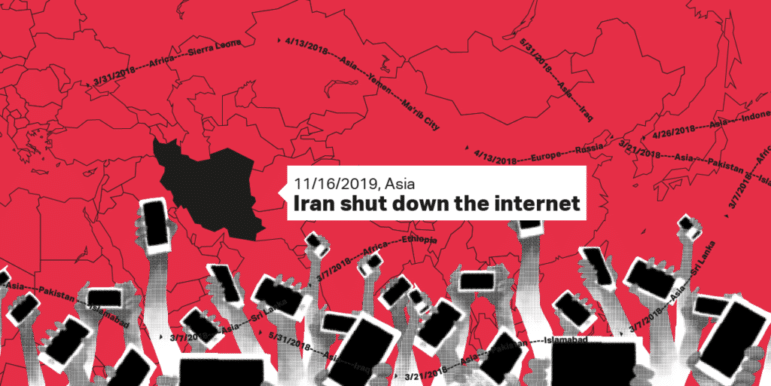

The recent Iran internet shutdown has sent shockwaves through the country’s cryptocurrency landscape, leaving millions unable to engage in cryptocurrency trading in Iran. Amid growing protests and the rial’s plummeting value, this abrupt disconnection has left approximately 7 million users in limbo, questioning the future of their investments. The impact of internet censorship in Iran extends beyond simple access, threatening the very fabric of the cryptocurrency market and its burgeoning role as a safe haven during economic turmoil. As many look for alternative methods to conduct offline Bitcoin transactions, innovative solutions are emerging to allow trading even without the internet. This situation has not only highlighted the resilience of cryptocurrency enthusiasts but also sparked debates on how Iran protests cryptocurrency, further complicating an already tense socio-economic environment.
The recent interruption of internet services across Iran has raised significant concerns regarding the implications for digital currencies in the region. This sudden disruption affects not only basic connectivity but also the vital channels for cryptocurrency trading and investment. Many citizens rely on cryptocurrencies as a financial lifeline amid economic challenges, making this situation particularly dire. The rise of alternative methods for transactions, including offline Bitcoin exchanges and decentralized communication platforms, reflects a growing adaptability among users. With ongoing unrest and financial instability, the intersection of internet accessibility and cryptocurrency remains a critical topic of discussion in Iran.
Impact of Iran’s Internet Shutdown on Cryptocurrency Trading
The recent nationwide internet shutdown in Iran has sent shockwaves through the country’s burgeoning cryptocurrency market. With around 7 million users suddenly cut off from online trading platforms, the shutdown has brought cryptocurrency trading in Iran to a standstill. As protests escalate due to economic hardships, analysts are raising alarms about the long-term implications of such drastic measures on the digital economy. The disruption in internet access not only affects trading activities but also the overall flow of cryptocurrency transactions, which totaled around $3.7 billion earlier in the year.
In this challenging environment, traders and investors are exploring alternative methods of conducting transactions. The decline of the rial has significantly fueled interest in cryptocurrencies as a hedge against inflation. However, without internet access, many are finding it difficult to engage in cryptocurrency exchanges, which leads to uncertainty and volatility in prices. Moreover, this situation showcases the broader issue of internet censorship in Iran and how it poses a significant barrier to technological adoption and economic growth.
Alternative Solutions for Offline Cryptocurrency Transactions
Despite the restrictions stemming from the internet shutdown, innovative solutions are emerging to facilitate Bitcoin transactions offline. The activation of Starlink satellite internet within the country is a notable response, offering high-speed connectivity that bypasses traditional internet infrastructure. Additionally, the Blockstream satellite network is playing a crucial role by broadcasting Bitcoin data globally, ensuring that users can still access essential market updates even in situations where regular internet services are unavailable.
Furthermore, decentralized communication platforms like Bitchat and Darkwire are making strides in providing means for users to conduct transactions without relying on internet access. Bitchat, which utilizes Bluetooth mesh networks, has gained traction with over 1.4 million downloads, proving that there is a significant demand for offline solutions among cryptocurrency enthusiasts. Similarly, Machankura’s ability to operate over telecommunication networks provides another pathway for users to send and receive Bitcoin, indicating a persistent drive within the Iranian population to maintain their involvement in the global cryptocurrency market despite governmental restrictions.
The Role of Cryptocurrency Amid Iran’s Economic Crisis
In light of the recent protests and economic turmoil, cryptocurrencies are increasingly viewed as viable alternatives for wealth preservation in Iran. With the rial hitting historic lows, citizens are gravitating towards digital currencies, which are perceived as more stable forms of value storage. This trend has resulted in a surge of interest in cryptocurrency trading, highlighting how digital assets can provide hope amid economic uncertainty.
As the Iranian government enforces tight controls on financial systems, the decentralized nature of cryptocurrencies allows individuals to bypass these restrictions. The current situation amplifies the connection between Iran’s protests and the crypto market, as many citizens see digital currencies as tools for economic empowerment. The intersection of cryptocurrency and social movement indicates a growing recognition that digital assets may play an integral role in challenging financial oppression.
Exploring Offline Bitcoin Transaction Methods
In the wake of Iran’s internet shutdown, alternative methods for executing Bitcoin transactions are increasingly necessary. Solutions like the Darkwire project, which leverages long-range radio technology to create mesh networks, demonstrate the extent to which technology can be adapted to fit the needs of users in restrictive environments. This project particularly showcases the innovative spirit among Iranians who are eager to maintain their transaction capabilities regardless of connectivity issues.
Moreover, offline trading through telecommunication, such as the Machankura platform, offers another layer of practicality in this crisis. By allowing users to transact without the internet, these methods empower individuals to stay connected within the cryptocurrency ecosystem, ensuring that they are not entirely isolated by governmental controls. Exploring such offline solutions could significantly mitigate the adverse effects of internet censorship in Iran, preserving the vibrancy of its digital economy.
Cryptocurrency as a Response to Government Censorship in Iran
The government-imposed internet shutdown in Iran has heightened awareness of internet censorship and its impact on people’s lives, including their economic activities. As citizens increasingly face restrictions on traditional financial systems, many are turning towards cryptocurrencies, seeing them not just as investment opportunities but also as means of resisting governmental overreach. The ability to conduct transactions privately and without interference places cryptocurrencies in a unique position as a form of liberation amid adversity.
This shift towards cryptocurrency usage can also be seen as a direct response to widespread unrest, with many users recognizing the potential of digital currencies to defy censorship. The protests currently taking place across the country underscore the urgent need for economic solutions, and cryptocurrencies have emerged as a beacon of hope. For Iranians, the ability to engage with the global cryptocurrency market is more than just a financial decision; it’s a statement in support of their rights and freedoms.
Market Volatility and Resilience in Iranian Cryptocurrency
As the Iranian government enforces an internet shutdown amid economic turmoil, the cryptocurrency market’s response highlights its inherent volatility and resilience. The significant dip in trading activities can lead to drastic price fluctuations, reflecting the uncertainty faced by traders. However, the cryptocurrency market has historically shown the capacity to rebound when faced with adversity, especially in regions experiencing economic sanctions and restrictions.
This volatility creates both risks and opportunities for traders eager to capitalize on changes in market dynamics. By remaining vigilant and adapting to new trading strategies, Iranian cryptocurrency users can navigate this challenging landscape. Nevertheless, the reliance on cryptocurrencies as a response to governmental controls also raises questions about the sustainability of such markets under continued censorship, highlighting a critical area for future analysis.
The Future of Cryptocurrency Trading in Iran
Looking ahead, the future of cryptocurrency trading in Iran rests on several pivotal factors, including government policies, technological advancements, and the ongoing commitment of users to push back against internet censorship. As Iranian authorities grapple with the implications of their restrictive measures, they may be forced to reconsider their stance on cryptocurrencies and digital finance, especially given their potential to stimulate the economy.
Moreover, the emergence of offline trading technologies may pave the way for more resilient cryptocurrency trading systems in the future. As users continue to develop innovative methods for transacting without the internet, the Iranian cryptocurrency landscape could evolve into a self-sustaining ecosystem. However, ongoing political and economic challenges will shape how this market develops, presenting both obstacles and opportunities for the resiliency of digital financial strategies.
Cryptocurrency and Social Movements in Iran
The intersection of cryptocurrency trading and social movements in Iran is becoming increasingly evident, particularly in light of recent protests against governmental oppression and economic hardship. As citizens take to the streets to voice their discontent, many are finding solace in digital currencies that empower them to resist financial control and censorship. This relationship highlights how cryptocurrencies can be more than financial instruments; they can also be catalysts for change and symbols of resistance.
The role of cryptocurrency in social movements not only raises awareness about the economic struggles within Iran but also fosters a sense of community among users. As people unite to support one another through decentralized financial platforms, the potential for a larger movement advocating against censorship and for economic freedoms continues to grow. Ultimately, the ongoing developments in cryptocurrency could significantly influence the trajectory of social change in Iran.
Challenges Ahead for Cryptocurrency Investors in Iran
Despite the promising potential of cryptocurrencies as a hedge against economic instability in Iran, investors are facing significant challenges. The combination of government restrictions, internet shutdowns, and volatile market conditions creates a precarious environment for cryptocurrency investment. These challenges necessitate that investors adopt more cautious strategies, diversifying their assets and staying informed about the rapidly evolving landscape.
Moreover, external factors such as international sanctions and geopolitical tension could further complicate the future of cryptocurrency trading in Iran. Investors must navigate not only local challenges but also the global context affecting digital assets. As they explore opportunities within the cryptocurrency market, understanding these multifaceted challenges will be crucial for strategic investments and long-term success.
Frequently Asked Questions
What is the impact of the Iran internet shutdown on cryptocurrency trading in Iran?
The Iran internet shutdown significantly disrupts cryptocurrency trading, affecting nearly 7 million users. This blackout hinders access to trading platforms and essential market data, prompting concerns over the future of cryptocurrency transactions during this period of internet censorship in Iran.
How does internet censorship in Iran affect the cryptocurrency market?
Internet censorship in Iran poses serious challenges to the cryptocurrency market by restricting access to essential trading and information resources. The recent shutdown has raised barriers for traders, leading to uncertainties about market volatility and accessibility to cryptocurrencies during protests.
What offline Bitcoin transaction methods are available during the Iran internet shutdown?
During the Iran internet shutdown, users can rely on offline Bitcoin transaction methods such as the Starlink satellite internet service, Blockstream satellite network, or decentralized communication tools like Bitchat and Darkwire. These methods enable users to send and receive Bitcoin despite the lack of standard internet access.
How are the protests in Iran impacting cryptocurrency trading?
The protests in Iran have led to a nationwide internet shutdown, severely limiting cryptocurrency trading activities. With the rial’s decline and the increased focus on cryptocurrency as a stable asset, these demonstrations intensify the urgency for secure means of trading in an increasingly hostile environment.
What alternatives do Iranian cryptocurrency users have when trading offline?
In response to the Iran internet shutdown, users have several alternatives for offline trading, including using satellite networks like Starlink and Blockstream, as well as local technologies such as Bitchat and Machankura, which allow transactions without traditional internet access.
How does the Iranian government’s internet shutdown affect the overall cryptocurrency market?
Iran’s internet shutdown creates ripples in the overall cryptocurrency market by limiting participation from a significant user base. This situation can affect global market dynamics as trade volume decreases, causing potential volatility or price fluctuations based on the diminished access to Iranian cryptocurrency traders.
Are there any long-term effects of the Iran internet shutdown on cryptocurrency adoption?
The long-term effects of the Iran internet shutdown on cryptocurrency adoption could be profound. If users find reliable offline trading solutions, it might encourage broader acceptance of decentralized financial systems. However, prolonged censorship could also deter potential investors and users, stifling growth in the Iranian cryptocurrency market.
| Key Point | Details |
|---|---|
| Internet Shutdown | Iran has implemented a nationwide internet shutdown affecting about 7 million cryptocurrency users. |
| Reason for Shutdown | The shutdown follows widespread protests and a significant decline in the rial’s exchange rate. |
| Cryptocurrency Flow | The total cryptocurrency flow in Iran was approximately $3.7 billion from January to July 2025. |
| Offline Trading Solutions | Starlink and Blockstream satellite networks provide high-speed connectivity for trading cryptocurrency. |
| Alternative Communication Methods | Apps like Bitchat and Darkwire, along with Machankura, facilitate transaction communication without the internet. |
Summary
The Iran internet shutdown has raised significant concerns, particularly among cryptocurrency users who rely on online trading platforms. The effective communication solutions developed in response highlight the resilience and adaptability of users facing government-imposed limitations. Understanding the impact of such shutdowns is essential for grasping the broader implications for digital finance and personal freedoms.
Related: More from Market Analysis | Barclays Looks at Blockchain for Payments, Deposits | PayPal USD Powers New PYUSDx App