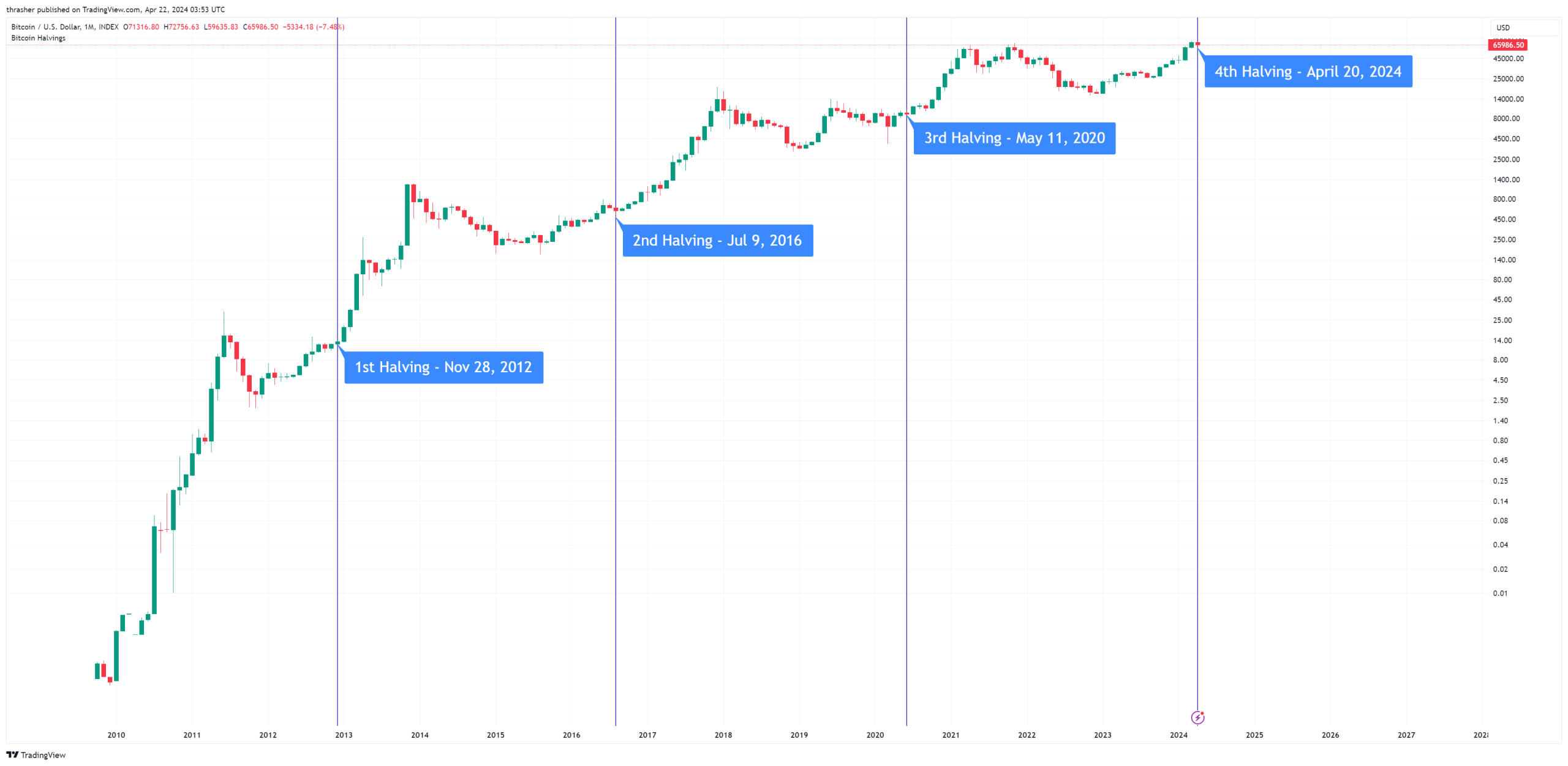

Bitcoin price prediction continues to capture the interest of investors and analysts alike, especially with forecasts suggesting it could soar to $2.9 million by 2050. According to the asset management firm VanEck, this impressive milestone hinges on Bitcoin becoming a settlement currency for international and domestic trade, while gaining traction in the central bank reserves. Analysts Matthew Sigel and Patrick Bush foresee this growth occurring through a 15% Compounded Annual Growth Rate (CAGR), anticipating that Bitcoin could settle between 5-10% of global trade by then. Anticipated factors contributing to this price surge include an expansion of global liquidity and the financial strains of monetary debasement. Are you ready to explore the future of Bitcoin and how it may redefine financial landscapes worldwide?
The trajectory of cryptocurrency, especially Bitcoin, is under constant scrutiny as market participants look to understand its future implications. Many are curious about how Bitcoin might evolve into a pivotal settlement currency, capable of meeting the transactional needs of both domestic and international trade. With institutions like VanEck providing detailed Bitcoin forecasts, analysts are beginning to grasp the substantial role that digital assets could play in central bank reserves. As Bitcoin’s position solidifies in financial systems, its potential for appreciation is becoming a focal point, raising questions about its long-term viability amid sovereign debt challenges. In this pursuit, it becomes essential to discuss not only price estimates but also the underlying economic factors that could propel cryptocurrencies toward mainstream adoption.
Bitcoin Price Prediction: Analyzing Future Trends
Analysts at VanEck have made a bold Bitcoin price prediction that the cryptocurrency could soar to an astonishing $2.9 million by the year 2050. This projection is based on Bitcoin’s potential role as a settlement currency in both international and domestic trade. If Bitcoin were to capture a mere 5-10% of global trade, alongside the backing of central bank reserves, it would significantly enhance its demand and value. The shared vision among analysts posits that a Compound Annual Growth Rate (CAGR) of 15% could drive Bitcoin’s price to these unprecedented heights, illustrating the transformative potential of digital currencies in global finance.
Market analysts believe that Bitcoin’s ascent is driven by the monetary landscape, where traditional systems face challenges, including potential debasement. Matthew Sigel and Patrick Bush from VanEck emphasize that Bitcoin serves as a long-term hedge against adverse outcomes in monetary frameworks, positioning it distinctively as a non-speculative asset. This long-view perspective contributes to a mounting optimism regarding Bitcoin’s future role, not only raising price expectations but also influencing broader adoption across various economic sectors.
The Future of Bitcoin as a Settlement Currency
In the backdrop of escalating global trade complexities, Bitcoin is emerging as a viable settlement currency, especially in regions facing economic sanctions. Countries like Venezuela, Iran, and Russia are already leveraging Bitcoin for international transactions, hinting at a potential shift in how trade is conducted on a global scale. Should Bitcoin achieve a 5-10% market share of international trade, it could replicate the historical significance of traditional currencies like the British pound in global commerce. This paradigm shift could enhance Bitcoin’s utility, anchoring its position as a cornerstone of future financial systems.
The foundational elements of Bitcoin becoming a settlement currency hinge on its reliability and acceptance across borders. To facilitate such massive adoption, Bitcoin must demonstrate resilience against existing financial systems and prove its status as a stable asset in uncertain economic climates. If central banks begin to incorporate Bitcoin into their reserves, it could reinvigorate investor confidence and stabilize its value, paving the way for broader acceptance in domestic trades as well. Analysts predict that widespread institutional adoption could elevate cryptocurrencies beyond mere speculation, embedding them deeply into the global financial engine.
VanEck Bitcoin Analysis: Insights into Price Dynamics
The insights provided by VanEck’s Bitcoin analysis reveal a multifaceted understanding of Bitcoin’s possible trajectories. The firm projects multiple scenarios, with the base case estimating Bitcoin reaching $2.9 million based on its potential to become a mainstream trading currency. Furthermore, their bear case forecasts a modest growth to $130,000, highlighting the intrinsic volatility within the cryptocurrency market. Critics and proponents alike must pay attention to these projections as they navigate the evolving landscape, influenced by macroeconomic factors and changes in financial regulations.
Moreover, VanEck emphasizes the importance of the underlying macroeconomic environment in shaping Bitcoin’s price dynamics. A commitment from central banks to adapt and include Bitcoin in their asset allocations could lead to unprecedented increases in its valuation. The analysts project that if central banks were to allocate approximately 2.5% of their assets to Bitcoin, it could fundamentally transform its role in global finance, potentially stabilizing its volatility and fostering an era of increased acceptance among institutional investors.
Beneath the Buzz: Bitcoin Central Bank Reserves
Investing in Bitcoin by central banks is not merely a speculative venture; it aligns with a growing recognition of digital assets as legitimate components of national reserves. Current trends indicate a gradual acceptance of cryptocurrencies, bolstered by the need for central banks to hedge against economic uncertainties. By allocating a portion of their reserves to Bitcoin, institutions could not only diversify their portfolios but also provide a buffer against inflation and currency devaluation. This strategic pivot could drastically shape the future landscape of global finance.
As central banks consider Bitcoin for their reserves, discussions surrounding regulatory frameworks and operational logistics will take center stage. Challenges regarding security, valuation, and volatility must be addressed to mitigate risks associated with incorporating such an asset into official reserves. However, the potential benefits—such as enhanced liquidity and operational agility in crisis conditions—make a compelling case for Bitcoin’s inclusion in the reserves of forward-thinking central banks, further legitimizing its role in achieving financial stability.
Bitcoin Forecast 2050: Growth Projections and Predictions
Looking ahead to the year 2050, the consensus among leading analysts is that Bitcoin’s influence in the financial sector will be profound. The Bitcoin forecast for 2050 envisions a world where the cryptocurrency plays a central role in everyday transactions and as a reserve asset for nations worldwide. This shift would not only elevate Bitcoin’s status in the financial hierarchy but also redefine the very perception of currency in the digital age, hand-in-hand with continued advancements in technology and regulatory acceptance.
The 2050 forecast suggests that Bitcoin could mirror the historical rise of gold as a safe haven asset while also transforming currency movements globally. As nations grapple with issues of sovereign debt and inflation, Bitcoin’s supply cap and decentralized structure provide an appealing alternative. The growing confidence in Bitcoin’s attributes propels forward perspectives, with financial ecosystems evolving to accommodate these digital assets across diverse platforms and big institutions rearranging their strategies to include cryptocurrencies in their asset mix.
Bitcoin’s Role in Global Monetary Policy
As Bitcoin continues to evolve, it increasingly occupies a significant position in discussions around global monetary policy. With traditional currencies facing devaluation and fiscal policies being re-evaluated, central banks are naturally drawn to explore innovative solutions such as Bitcoin. This exploration could lead to a radical shift in how monetary policies are implemented, with Bitcoin potentially functioning as a stabilizing factor amid economic chaos. Analysts suggest that incorporating Bitcoin into central banking strategies could enhance monetary flexibility, opening avenues for greater fiscal management.
Furthermore, the interplay between Bitcoin adoption and traditional monetary policies may lead to unforeseen changes in economic stability. If central banks recognize Bitcoin’s potential as a reserve asset, this could solidify its legitimacy and drive further acceptance within broader economic frameworks. Such developments would enhance Bitcoin’s role not merely as a speculative asset but as a fundamental component of global monetary systems, changing the priorities of how countries approach financial security and asset management.
The Intersection of Bitcoin and International Trade
Bitcoin’s emergence as a currency for international trade marks a significant shift in how global commerce functions. Particularly in sanctioned nations, Bitcoin has demonstrated its capabilities as a reliable transactional medium. If Bitcoin captures a larger share of international trade, it would help stabilize exchange rates and reduce transaction costs, fostering a more efficient trading environment across nations. The protocol’s decentralization ensures that funds can be transferred seamlessly, circumventing the challenges posed by traditional banking systems.
Moreover, the adoption of Bitcoin for trade transactions could prompt a re-evaluation of existing trade agreements and partnerships. Countries may find it advantageous to integrate Bitcoin into their settlement processes, easing the burden of currency fluctuations and enhancing trade trust. As Bitcoin continues to gain traction, its integration into international trade could redefine economic relations, enabling countries to transact without relying heavily on conventional currencies, which face increasing scrutiny in times of economic fluctuations.
Long-Term Investment Prospects for Bitcoin
Investors are increasingly looking at Bitcoin as a long-term investment vehicle, driven by its potential returns and unique utility. Analysts at VanEck project that Bitcoin could serve as a reliable hedge for investors against inflation and economic instability over the coming decades. As Bitcoin gains institutional acceptance and becomes woven into the fabric of various investment portfolios, it presents an enticing opportunity for those looking to secure their financial futures. The forecasted price appreciation supports this perspective, bolstering Bitcoin’s appeal as a sound long-term investment.
Additionally, the diversification aspect of including Bitcoin in an investment strategy cannot be overstated. As equities encounter volatility and bonds yield diminishing returns, institutional and retail investors alike may turn to Bitcoin as a potent asset class. The anticipated growth, fueled by increasing global adoption and the digitalization of finance, places Bitcoin in a unique position to outperform traditional assets, making a compelling case for its consideration as a primary investment option.
Navigating Bitcoin Market Volatility: Strategies for Investors
Investing in Bitcoin comes with its set of risks, particularly regarding market volatility. Price fluctuations can be dramatic, prompting both caution and opportunity for investors. To navigate this landscape effectively, individuals and institutions must craft sound strategies that account for both short-term volatility and long-term growth potential. Dollar-cost averaging and diversifying investments can act as protective measures to buffer against significant market swings while still allowing participants to benefit from Bitcoin’s upward trajectory.
Furthermore, staying informed about regulatory changes and market trends is essential for any Bitcoin investor. As more institutional players enter the market, understanding the implications of these shifts will be pivotal. Investors are advised to conduct thorough research and consider expert insights to make informed decisions. This knowledge can empower them to adapt their strategies quickly in a rapidly changing environment, ensuring they capitalize on Bitcoin’s rise while mitigating exposure to potential risks associated with its volatility.
Frequently Asked Questions
What is the Bitcoin price prediction for 2050 according to VanEck?
VanEck analysts predict that Bitcoin could reach $2.9 million by 2050 if it becomes a settlement currency for international trade and is included in more central bank reserves. This estimate is based on a 15% Compounded Annual Growth Rate (CAGR).
How could Bitcoin’s use as a settlement currency impact its future price?
If Bitcoin is adopted as a settlement currency for global and domestic trade, it’s anticipated to significantly increase its price. VanEck suggests that Bitcoin could capture 5-10% of global trade settlements, which could push its price to the predicted $2.9 million by 2050.
What factors contribute to the Bitcoin forecast for 2050?
The Bitcoin forecast for 2050 is driven by several factors, including global liquidity expansion, monetary debasement, and the potential for central banks to allocate up to 2.5% of their assets in Bitcoin. These elements contribute to the significant long-term price predictions.
What are VanEck’s different scenarios for Bitcoin’s future price?
VanEck presents multiple scenarios for Bitcoin’s future price: a bear case predicting a growth to $130,000 at a 2% CAGR, a base case estimating $2.9 million, and a bull case that expects an extraordinary surge to $52.4 million with a 20% CAGR.
How does Bitcoin’s integration into trade affect its valuation?
Integrating Bitcoin into international trade, especially in countries facing sanctions, boosts its valuation. If Bitcoin captures a portion of trade settlements, similar to the British pound today, its valuation could rise dramatically, supporting the high price predictions.
What is the significance of Bitcoin in the context of central bank reserves?
Central bank reserves could potentially include Bitcoin, up to 2.5% of their total assets. This inclusion enhances Bitcoin’s legitimacy as a secure asset, contributing to the price predictions and overall financial stability.
How has the narrative around Bitcoin shifted according to VanEck analysts?
According to VanEck analysts, the narrative has shifted from viewing Bitcoin as a tactical trade to understanding it as a long-term hedge against adverse monetary outcomes, particularly in the face of sovereign debt systemic issues.
Why is the Bitcoin price prediction based on a 15% CAGR?
The 15% Compounded Annual Growth Rate (CAGR) reflects an expectation of Bitcoin’s performance considering its demand as a settlement currency and its adoption among central banks, providing a more conservative but realistic long-term forecast.
What role does liquidity play in Bitcoin price prediction?
Liquidity plays a critical role in Bitcoin price predictions, as short-term price movements are heavily influenced by global liquidity cycles. Analysts highlight that long-term Bitcoin value will be positively affected by sustained liquidity and economic factors.
How does Bitcoin’s use in international trade impact its future price and adoption?
Bitcoin’s emerging use in international trade, particularly in nations like Venezuela, Iran, and Russia, suggests a growing acceptance. If this trend continues, it could bolster Bitcoin’s price and encourage broader adoption among other nations.
| Key Point | Details |
|---|---|
| Bitcoin Price Target by 2050 | $2.9 million if it becomes a settlement currency for trade |
| Assumptions for Price Target | 15% CAGR, 5-10% of global international trade and 5% of domestic trade |
| Drivers of Price Increase | Global liquidity expansion and monetary debasement |
| Central Bank Adoption | Central banks may hold 2.5% of assets in Bitcoin |
| Price Scenarios by VanEck | Base case: $2.9 million, Bear case: $130,000, Bull case: $52.4 million |
| Current Utilization | Used in international trade, especially in sanctioned countries |
| G7 Adoption | Minimal adoption among G7 nations despite potential benefits |
| Comparison to British Pound | Would function similarly for international trade settlements |
| Historical Projections | CAGR decrease from 25% to 15% since December 2024 projections |
| U.S. Bitcoin Reserve Potential | 1 million coins could potentially reduce U.S. debt by 35% by 2049 |
Summary
Bitcoin price prediction indicates that by 2050, Bitcoin could astonishingly reach up to $2.9 million if it secures its role as a fundamental settlement currency in global and domestic trade. Grounded in analysis from VanEck, this projection highlights Bitcoin’s potential to significantly impact international finance, driven by an expected expansion of global liquidity and a strategic shift within central banks toward asset diversification, including holdings in Bitcoin. Understanding these dynamics is crucial as the cryptocurrency market continues to evolve, bringing both risks and opportunities.
Related: More from Bitcoin News | Stablecoin Strength Pressures Bitcoin Treasury | Analysts: No Evidence of Jane Street Bitcoin Manipulation, ETF Demand Soars