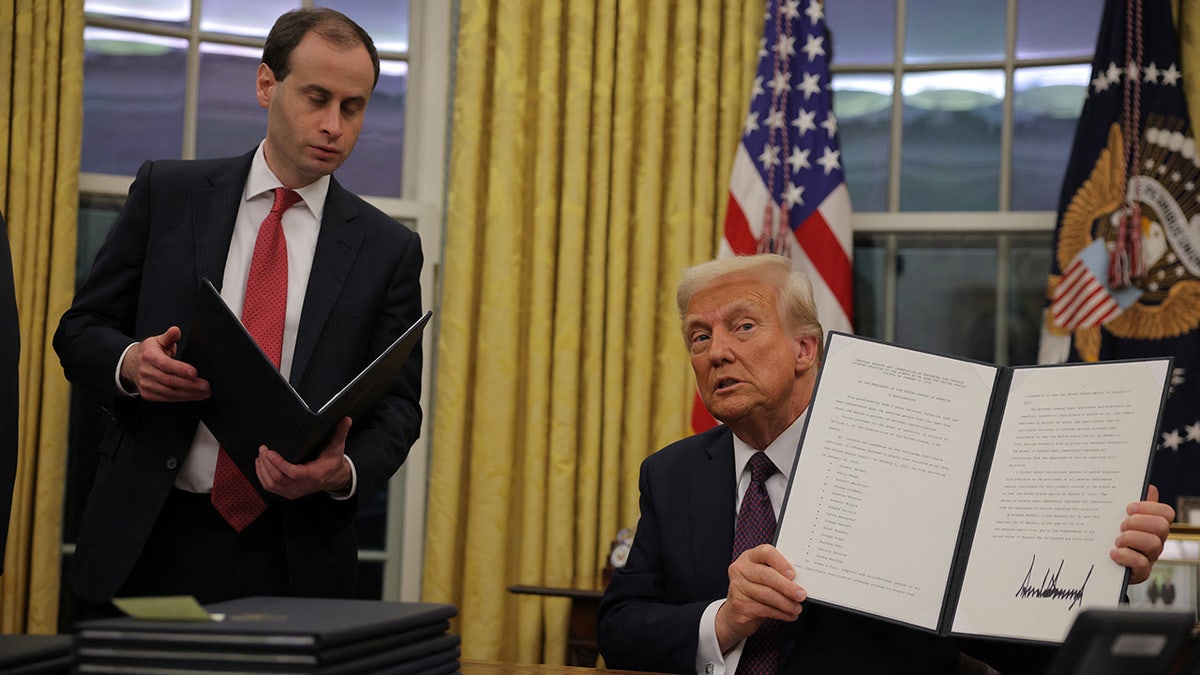

In a recent statement, Trump denies SBF pardon, clarifying that he has no plans to grant clemency to Sam Bankman-Fried, the controversial founder of FTX. This decision comes in the wake of Bankman-Fried’s conviction on numerous charges related to misappropriating customer funds and financial fraud, marking a significant development in the ongoing Sam Bankman-Fried news cycle. During his Trump interview 2023 with The New York Times, the former president underscored his reluctance to intervene in high-profile legal matters, indicating that SBF will not benefit from any presidential pardons. Interestingly, while Trump has previously exercised his pardoning power for individuals he deems politically supportive, the FTX founder’s legal troubles remain beyond his reach. The implications of this decision ripple through the cryptocurrency landscape, highlighting the ongoing challenges of cryptocurrency regulation and the intricate intertwining of pardon politics with the complexities of financial accountability.
In an intriguing turn of events, former President Trump has firmly rejected any notion of offering a pardon to the disgraced FTX CEO, Sam Bankman-Fried. This high-profile stance underscores the complexities of legal reprieves in the realm of cryptocurrency, with Bankman-Fried’s case drawing significant attention amid the discourse on financial integrity and ethical compliance. The discussions surrounding possible pardons have consistently included a mix of public figures and celebrities; yet, SBF’s situation stands out due to its broader implications on cryptocurrency regulation implications. As the financial world watches closely, the refusal to pardon Bankman-Fried raises questions about political influence and justice in the context of emerging financial technologies. The intersection of pardon politics and the fate of high-stakes figures like SBF continues to shape the narrative of accountability within the evolving cryptocurrency sector.
Trump Denies Pardon for Sam Bankman-Fried
In a recent interview with The New York Times, former President Donald Trump made headlines when he stated he would not consider granting a pardon to Sam Bankman-Fried (SBF), the notorious founder of the cryptocurrency exchange FTX. Bankman-Fried’s legal troubles escalated in 2023 after being convicted of serious offenses related to misappropriating customer funds and engaging in financial fraud. As Trump’s comments surfaced, they underscored both the gravity of SBF’s situation and the broader implications surrounding cryptocurrency regulation. The former president’s firm stance signals that the narrative surrounding cryptocurrency and accountability is far from over.
SBF’s case has become emblematic of the heightened scrutiny facing the cryptocurrency sector, emphasizing the need for stringent regulation as the market matures. Trump’s refusal to pardon SBF not only impacts his future but also reflects on ongoing discussions about the ethical responsibilities of cryptocurrency leaders and the potential risks faced by investors. Analysts argue that Trump’s denial highlights a shift in public perception and legal standards regarding financial misconduct in the crypto world, suggesting that those involved in similar scandals will have to face the legal consequences without expectation of pardon.
The Implications of Trump’s Comments on Cryptocurrency Regulation
Trump’s remarks about not pardoning Sam Bankman-Fried could have significant repercussions for cryptocurrency regulation in the United States. His decision resonates with a growing sentiment among regulators and lawmakers that accountability must be upheld within the rapidly evolving digital asset space. As the industry faces increasing scrutiny, the implications of Bankman-Fried’s convictions will likely influence future regulations aimed at protecting investors and ensuring compliance across the board. The discussions on governmental oversight over cryptocurrency firms are becoming more crucial, especially in light of high-profile cases of misconduct.
Moreover, the political dynamics surrounding pardons draw attention to the broader conversation about justice in the context of financial crimes. With many people calling for harsher penalties and rigorous enforcement in the cryptocurrency sector, Trump’s comments may act as a catalyst for legislative changes. As the landscape shifts, discussions propelled by SBF’s actions and the subsequent legal ramifications could inform future policies, urging a tighter regulatory framework for cryptocurrencies and setting a precedent for accountability among business leaders in this absorbed market.
Public and Political Reactions to Trump’s Denial
Following Trump’s explicit denial to consider a pardon for Sam Bankman-Fried, public reactions have been mixed. Many in the cryptocurrency community view the former president’s decision as a necessary step in highlighting the importance of accountability and integrity within the industry. The response from both critics and supporters of Trump showcases the polarized perspectives in the ongoing dialogue about money laundering, fraud, and governance in digital currencies. Individuals advocating for reform are energized, suggesting that Trump’s refusal could prevent future unethical behavior among financial leaders.
Conversely, some political commentators argue that the handling of Bankman-Fried’s case indicates selective justice. Critics of Trump’s political maneuverings assert that the former president has previously pardoned individuals aligned with his interests, raising questions about his motivations concerning SBF. This divergence in public opinion reveals broader concerns regarding pardoning powers and their implications in the political arena, as well as the motivations behind such decisions. As discussions unfold, they could reshape the conversation around financial ethics and the necessary regulation of cryptocurrency enterprises.
Analysis of Sam Bankman-Fried’s Legal Situation
The legal landscape for Sam Bankman-Fried remains perilous as he grapples with the consequences of his actions. Convicted of misappropriating funds and engaging in financial fraud, SBF’s situation has drawn attention from both media and analysts who examine the ramifications of white-collar crimes in cryptocurrency. The evolving nature of regulatory frameworks and the potential for further legal consequences underscore the seriousness of his case, particularly as the cryptocurrency sector faces growing pressure to enhance compliance measures and prevent similar incidents.
Market observers are closely watching how Bankman-Fried’s legal outcomes might impact investor confidence and the overall stability of cryptocurrency exchanges. Legal experts suggest that the implications of his case extend beyond individual accountability; they may also influence overarching regulatory landscapes as lawmakers react to high-profile collapses and frauds within the industry. Consequently, Bitcoin and other cryptocurrencies are facing intense scrutiny, with discussions about creating a more structured and transparent regulatory environment becoming paramount.
The Future of Cryptocurrency Compliance and Regulation
As the cryptocurrency market continues to evolve, compliance and regulatory measures are set to undergo significant transformation, particularly in response to high-profile cases like that of Sam Bankman-Fried. Investors and stakeholders are demanding stricter governance to ensure the integrity of the financial systems they are part of. The implications of Bankman-Fried’s actions will likely serve as a critical reference point for regulators aiming to enact legislation designed to prevent future fraud and misconduct. This renewed focus on compliance could lead to a wave of new regulations that further define the legal landscape for cryptocurrencies.
In light of recent events, industry leaders are proactively discussing best practices for compliance as they seek to instill confidence among users and investors. Implementing robust systems to monitor financial transactions and safeguard customer assets are becoming essential components for businesses in the cryptocurrency space. As discussions unfold in government hearings and regulatory meetings, the broader implications of enforcing stricter guidelines will shape the narrative of cryptocurrency compliance, potentially leading to a more stable and trustworthy market.
The Political Undercurrents Influencing Future Pardons
Trump’s refusal to pardon Sam Bankman-Fried highlights the complex interaction between politics and judicial decisions in the United States. The juxtaposition of public opinion, political alliances, and legal standards plays a crucial role in determining who might receive clemency. In recent years, some high-profile individuals, especially those aligned with Trump’s political views, have successfully obtained pardons, raising questions about the consistency of the process. This connection underscores a trend where politics significantly impacts legal outcomes.
Understanding the motivations behind pardons becomes essential as discussions continue about the role of justice in financial misconduct. With the cryptocurrency domain facing increased scrutiny, the political climate may further dictate how laws are enforced and who benefits from those laws. As the narrative develops, the intersection of political leverage and judicial integrity may lead to fresh debates on the appropriateness of presidential pardons, particularly in the context of financial crimes within the emerging digital economy.
The Broader Impact of SBF’s Case on Investor Sentiment
The case of Sam Bankman-Fried serves as a cautionary tale for investors within the cryptocurrency market, emphasizing the need for thorough due diligence. As FTX’s collapse continues to reverberate across the industry, investor sentiment has been directly affected, instigating a demand for greater transparency and security measures. With many investors reevaluating their strategies and risk tolerance, the focus is swinging towards ensuring that investment avenues are not only profitable but also ethically sound and legally compliant.
This shift in investor perspective can lead to a reconfiguration of the cryptocurrency market. The growing call for regulation and oversight might inspire new models of accountability, encouraging firms to prioritize compliance to prevent future scandals. As discussions around Sam Bankman-Fried and his legal challenges persist, the emergent narratives will shape investor confidence, ultimately influencing the trajectory of cryptocurrency innovation and regulation in unprecedented ways.
Understanding Cryptocurrency and Legal Accountability
In light of the legal challenges faced by figures like Sam Bankman-Fried, understanding the relationship between cryptocurrency and legal accountability has become vital. The rapid advancement of digital currencies has outpaced traditional regulatory frameworks, prompting a reevaluation of legal standards in the realm of finance. The conversation is now more focused on how existing laws can adapt to digital assets while ensuring that accountability remains a core principle.
As stakeholders in the cryptocurrency sector navigate this new landscape, clarity around legal ramifications is essential. A transparent regulatory approach might not only protect consumers but also foster innovation within the industry. The ongoing scrutiny surrounding Bankman-Fried’s case ultimately serves as a timely reminder that while the promise of cryptocurrency is vast, the responsibilities that come with it are equally significant. A balanced approach to regulation and accountability will be necessary to ensure the long-term stability of this burgeoning market.
Political Trends Shaping Cryptocurrency Future
As public interest in cryptocurrency continues to grow, the political landscape surrounding these digital assets is rapidly evolving. The interviews and statements made by public figures, including former President Trump, reveal the intricate relationship between politics and the regulation of the cryptocurrency market. Sam Bankman-Fried’s high-profile case represents a pivotal moment in this evolution, serving as a lens through which the intertwining of political decisions and business conduct can be examined.
Lawmakers are increasingly acknowledging the potential for both economic benefit and risk associated with cryptocurrencies. As a result, there is a concerted effort to establish a regulatory framework that balances innovation with investor protection. Understanding the political context in which these regulations emerge is crucial for stakeholders involved in the cryptocurrency sphere. As discussions unfold, the outcomes could significantly influence how cryptocurrencies operate within the wider economy, setting precedents that define future success and accountability in the industry.
Navigating Cryptocurrency’s Legal Landscape post-SBF
The legal repercussions stemming from Sam Bankman-Fried’s actions have propelled urgent discussions on navigating the complex landscape of cryptocurrency regulations. His case has sparked widespread recognition of the challenges regulators face in establishing frameworks that can effectively govern digital currencies. As unfortunate incidents arise, like those surrounding FTX, it emphasizes the necessity for proactive measures that safeguard consumers while allowing for innovation. This duality of protection versus progress will shape the ongoing discourse about how best to regulate the cryptocurrency market.
As regulators grapple with the lessons learned from Bankman-Fried’s mismanagement, clarity and precision in regulations will be paramount. Moving forward, the cryptocurrency industry may witness the birth of more comprehensive guidelines that facilitate responsible business practices and deter fraudulent behavior. Enhancing compliance mechanisms will not only protect investors but ideally rejuvenate their confidence, fostering a more sustainable market motivated by ethical considerations.
Frequently Asked Questions
Why did Trump deny a pardon for Sam Bankman-Fried (SBF)?
In a recent interview with The New York Times, Trump explicitly stated he would not consider pardoning Sam Bankman-Fried, the FTX founder convicted of serious financial crimes, including misappropriating customer funds. This decision underscores Trump’s stance against granting pardons to individuals like SBF, highlighting the significant political and legal implications surrounding his case.
What were the charges against Sam Bankman-Fried that led to Trump’s denial of a pardon?
Sam Bankman-Fried faced several charges, including financial fraud and misappropriation of customer funds, resulting in his conviction in 2023. Trump’s denial of a pardon for SBF suggests a reluctance to intervene in high-profile criminal cases tied to the cryptocurrency industry’s reputation and regulatory discussions.
What implications does Trump’s rejection of a pardon for SBF have on cryptocurrency regulation?
Trump’s denial of a pardon for Sam Bankman-Fried may impact ongoing discussions around compliance and regulation in the cryptocurrency industry. Analysts suggest that his statement reinforces the notion that serious financial crimes will be pursued without favor, potentially leading to stricter regulatory measures.
What does Trump’s stance on pardons say about his views on ‘pardon politics’?
Trump’s rejection of a pardon for SBF reflects his selective approach to ‘pardon politics,’ where he has favored individuals who align with his narrative of ‘politicized justice.’ This selective pardoning strategy excludes high-profile cases like that of Sam Bankman-Fried, indicating a possible shift in how Trump views accountability.
How does Trump’s decision regarding SBF compare to other individuals he has pardoned?
While Trump has exercised his pardon powers to benefit political allies in the past, his firm stance against pardoning Sam Bankman-Fried sets a clear differentiation. Unlike those who have supported his views, SBF’s serious legal troubles and the implications of his case in cryptocurrency regulation led Trump to deny any pardon consideration.
What are the future implications for Sam Bankman-Fried after Trump’s denial of a pardon?
After Trump’s denial of a pardon, the prospects of Sam Bankman-Fried being released early are exceedingly low. His ongoing criminal liability and civil accountability will likely continue, setting important precedents for future cases in the cryptocurrency sector and influencing regulatory frameworks.
| Key Point | Details |
|---|---|
| Trump’s Statement | Trump explicitly stated he would not consider pardoning Sam Bankman-Fried (SBF) during an interview. |
| SBF’s Conviction | SBF was convicted in 2023 for misappropriating customer funds and financial fraud. |
| Pardons for Others | While Trump has pardoned others, such as political allies, he has not included SBF or Sean Combs in his considerations. |
| Implications for Cryptocurrency Compliance | Analysts suggest SBF’s case may have lasting implications on compliance and regulations in the cryptocurrency industry. |
Summary
Trump denies SBF pardon, making it clear that he has no plans to grant clemency to the convicted founder of FTX. This statement not only highlights his stance on individual cases but also underscores the ongoing scrutiny within the cryptocurrency sector following SBF’s high-profile legal battles. The decision to exclude SBF from considerations for a presidential pardon signifies that his challenges are far from over, affecting conversations around regulation and compliance that are crucial for the future of cryptocurrency.
Related: More from Regulation & Policy | EU Crypto Taxes: Practical Implications Explained | UK FCA to Consider Cryptos for Gambling Payments