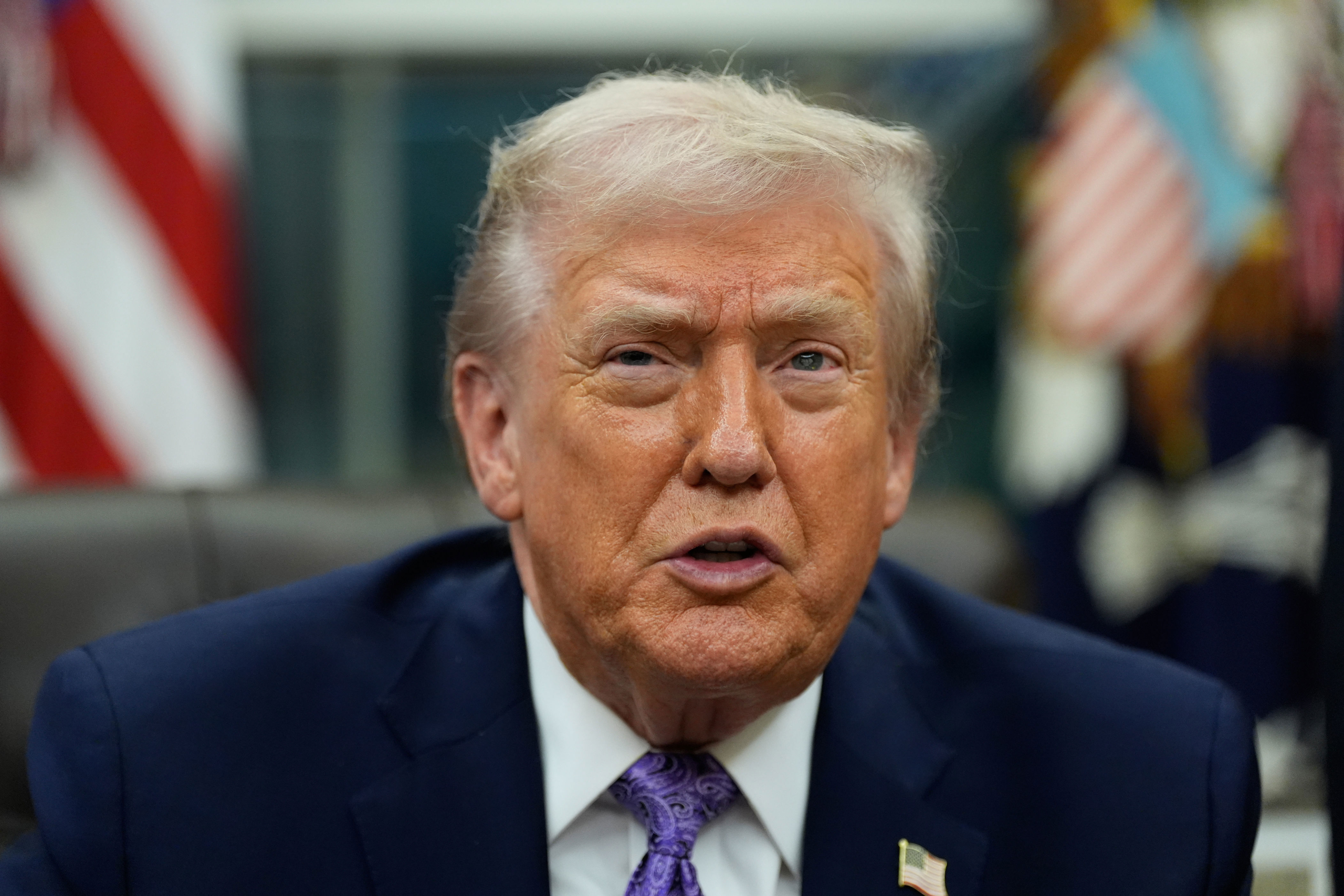

In recent developments, Trump threats against Iran have escalated as unrest continues to grip the nation, shaking the geopolitical landscape. On January 8, 2026, President Trump delivered a stark warning, declaring that the U.S. would respond with “severe strikes” if the Iranian government escalates its violent response to protests. This latest episode has drawn significant attention amid increasing tensions in U.S.-Iran relations, particularly with the backdrop of ongoing protests reported in Iran and the government’s firm stance against foreign intervention. The U.S. President’s remarks underscore a fraught conflict where the safety of civilians hangs in the balance, as the Iranian protests gain momentum and intensity. Furthermore, the Iranian government insists that its people must resolve their internal issues through dialogue rather than submitting to foreign pressure, setting the stage for a potentially volatile clash in the US-Iran conflict.
Recent tensions have resurfaced between the United States and Iran, particularly as President Trump issues new warnings related to the ongoing turmoil within Iran’s borders. As protests have erupted across various cities, the U.S. administration has kept a close watch on the situation, highlighting concerns about the Iranian government’s reaction to its citizens’ demands. The unfolding Iranian protests of January 2026 have raised questions about the proper response to perceived state violence, which may trigger international intervention. Amid these developments, the Iranian leadership maintains that its people can handle their challenges through internal discourse, resisting any external influence from the U.S. The precarious nature of these interactions reveals the complexities of international diplomacy and the urgent need for solutions to mitigate escalating tensions.
Trump’s Escalating Threats Against Iran
In the context of ongoing unrest in Iran, President Trump has made pointed threats against the Iranian government. His warning, delivered on January 8, 2026, suggested that severe military action could be imminent if the situation continues to escalate. Trump underscored the importance of monitoring the unrest, implying that the U.S. government is prepared to react should the Iranian authorities fail to manage the protests adequately. This rhetoric marks a notable step in U.S.-Iran relations, highlighting the delicate balance of diplomacy and military readiness the two countries must navigate amidst rising tensions.
The backdrop of these threats is the ongoing protests in Iran, which have reportedly led to significant casualties. Trump’s assertion that there will be ‘heavy consequences’ for Iranian officials directly linked to the deaths illustrates a shift towards a more aggressive stance. Critics argue that such threats could exacerbate the situation, while the Iranian government has reaffirmed its position against foreign interference, emphasizing that it will handle domestic issues independently. As protests continue across the nation, the risk of an escalating U.S.-Iran conflict seems to loom larger.
Impact of Unrest on US-Iran Relations
The unrest in Iran presents a complex scenario for U.S.-Iran relations. As the Iranian population expresses dissent against their government, the international community, particularly the U.S., is left to decide how to respond. Trump’s threats of military intervention are seen by many as a potential strategy to leverage pressure on the Iranian regime, but they also raise concerns about igniting a broader conflict. The U.S. history of intervention in the Middle East complicates the situation further, drawing scrutiny and skepticism from various global observers.
Moreover, the Iranian government has made it clear that it will not tolerate any foreign powers dictating the terms of its internal governance. In response to Trump’s threats, Iranian officials reiterated their commitment to resolving conflicts through dialogue, dismissing the notion that foreign threats could influence their national policy. This standoff highlights the fragile nature of diplomatic engagement, with unrest likely affecting negotiations around broader issues such as nuclear agreements, sanctions, and regional stability.
The Iranian Government’s Response to Protests
In response to the mounting protests across Iran, the Iranian government has insisted on the necessity of internal dialogue over foreign intervention. Following Trump’s threats, officials have emphasized their resolve to stabilize the country without external pressures. The government seeks to portray itself as capable of handling its issues, positioning foreign threats as a means to undermine Iran’s sovereignty. This resolute stance is coupled with a commitment to address the public’s grievances internally, although the effectiveness of such measures remains to be seen.
As protests continue through January 2026, the challenge for the Iranian leadership is maintaining control while simultaneously addressing the demands of the populace. Critics of the government argue that it must take meaningful steps towards reform rather than relying on rhetoric alone. The administration’s public responses to unrest reveal a dichotomy between maintaining authority and yielding to popular pressure, a balancing act that could potentially shape the future of the Iranian political landscape.
Analysis of Iran Protests in January 2026
The protests that erupted in Iran in January 2026 have drawn global attention, partly due to their scale and intensity. These demonstrations appear to be fueled by a combination of economic hardship, political discontent, and calls for greater freedoms. Analysts have noted that such uprisings could represent a pivotal moment for the Iranian populace, who have increasingly shown a readiness to challenge the government. The situation has escalated rapidly, with the U.S. stepping into the fray through President Trump’s warnings of potential action.
Moreover, the January protests have a unique backdrop in the context of Trump’s foreign policy toward Iran. His threatening rhetoric not only reflects his administration’s stance but also resonates with a long-standing narrative of U.S.-Iran tensions. This intersection of domestic unrest and international diplomacy could dictate the trajectory of the protests and the government’s response. Observers are keenly watching whether the Iranian government will implement reforms in response to the crisis or whether it will resort to more oppressive measures, as the balance of power shifts amidst unrest.
Reactions from the International Community
The international community has reacted with varying degrees of concern regarding the unrest in Iran and Trump’s subsequent threats. While some countries have echoed calls for restraint and respect for human rights, others have criticized the U.S. for what they view as incendiary threats that could further destabilize the region. The responses highlight a dichotomy in international perspectives on interventionism and sovereignty, with a broader debate emerging around the effectiveness and ethics of foreign pressure in sovereign nations.
Furthermore, organizations that track human rights have called on the Iranian regime to respect the right to peaceful protests and expression. Trump’s threats may have further complicated this issue, raising fears about possible military actions in response to the protests. As countries navigate their diplomatic stances, the focus remains on the potential implications for regional stability and the broader U.S.-Iran conflict.
Potential Consequences of Military Action
Should Trump’s threats escalate into military action, the consequences could be manifold, affecting both the immediate situation in Iran and the broader geopolitical landscape. A military strike against Iran, especially amid such public dissent, may fuel further unrest and anti-American sentiment within the country. Additionally, it could provoke widespread condemnation from the international community and potentially lead to a coalition of opposition against U.S. actions.
Moreover, military engagement could destabilize an already volatile region, with repercussions that might extend beyond Iran’s borders. Iran’s likely response to military aggression could involve both conventional and asymmetric warfare, complicating the U.S.’s strategic goals in the Middle East. Thus, the potential for an escalated U.S.-Iran conflict hangs heavily over the current unrest, influencing strategic calculations not only for Washington but for allies in the region as well.
The Broader Implications of Iranian Unrest
The ongoing unrest in Iran holds significant implications not just for domestic politics but for the entire Middle Eastern geopolitical landscape. As protests gain momentum, the potential for a shift in power dynamics within Iran increases, which could lead to uncertainties for U.S. policy in the region. A successful grassroots movement might alter the current authority of the Iranian government and present a new set of challenges for U.S.-Iran relations moving forward.
At the same time, the international implications are hard to ignore. Should Iran’s protests lead to major political shifts, it would prompt neighboring countries and international actors to reevaluate their strategies toward Tehran. The possibility of a newly empowered Iran could lead to recalibrated alliances and influence in regional conflicts, underscoring the importance of closely monitoring the evolving situation and understanding the nuanced connections between Iranian internal dynamics and external geopolitical relations.
Historical Context of U.S.-Iran Relations
To fully appreciate the significance of the current unrest in Iran and Trump’s threats, it is essential to consider the historical context of U.S.-Iran relations. Since the 1979 Iranian Revolution, the relationship has been fraught with tension, marked by mutual distrust and a series of confrontations over various issues, including nuclear proliferation and regional influence. This history complicates the current response from both sides and shapes the rhetoric used by leaders.
Historically, American intervention in the region has had long-lasting effects that continue to influence contemporary politics. For instance, past military actions and support for opposition forces in Iran often led to unintended consequences, fostering anti-Western sentiment. As the U.S. navigates the latest unrest, it is crucial to examine whether lessons from history will inform a more measured approach to interactions with Iran.
Future Prospects for Iran and the Region
As Iran grapples with internal unrest and external threats, the future remains uncertain both for its government and the wider region. The response from the Iranian leadership to the protests will play a pivotal role in determining whether the current unrest will result in transformative change or further suppression of dissent. Should the government choose to adopt more democratic reforms, it might quell the protests and lead to a more stable political environment.
Conversely, if the situation devolves into further confrontation, it could escalate tensions with the U.S. and potentially other nations, leading to wider conflicts that may destabilize the region for years to come. Thus, the evolution of the situation in Iran has far-reaching implications not just within its borders but across the geopolitical landscape, necessitating vigilance and astute analysis from international observers.
Frequently Asked Questions
What are Trump’s recent threats against Iran regarding the unrest?
On January 8, 2026, President Trump issued new threats against Iran, warning of ‘severe strikes’ if further deaths occurred due to the unrest. This statement highlights the escalating tensions in Trump Iran relations amidst the ongoing US Iran conflict.
How has the Iranian government responded to Trump’s threats during the unrest?
In response to Trump’s threats regarding the unrest in Iran, the Iranian government stated that the Iranian people will resolve their issues through dialogue. They emphasized that foreign intervention, including actions by the U.S., would not be tolerated and warned of a response to any reckless actions.
What factors are contributing to the unrest in Iran that prompted Trump’s threats?
The unrest in Iran, which has led to casualties and widespread protests, appears to stem from multiple socio-political issues. Trump’s threats against Iran were prompted by these developments, which have been characterized by calls for change, impacting Trump Iran relations and intensifying the US Iran conflict.
What did Trump mean by ‘pay a heavy price’ in the context of his threats against Iran?
When Trump stated that Iranian authorities would ‘pay a heavy price’ if they are responsible for deaths during the unrest, he indicated a potential for military action or severe sanctions against Iran. This reflects the heightened tensions and the possibility of escalating the US Iran conflict.
How are the Iran protests in January 2026 influencing U.S. foreign policy?
The Iran protests in January 2026 are significantly influencing U.S. foreign policy, particularly with Trump’s recent threats against Iran. As unrest escalates, the U.S. is closely monitoring the situation, which may lead to further intervention or sanctions depending on how the Iranian government responds to the public discontent.
| Key Points | Details |
|---|---|
| Trump’s Threats | Trump has issued threats of severe strikes against Iran if unrest results in further deaths. |
| Monitoring Situation | The U.S. is closely monitoring the unrest in Iran, indicating intervention may be on the table. |
| Response from Iran | Iranian government insists on resolving issues through dialogue, rejecting foreign intervention. |
| Counter Threats | Iran has warned against U.S. intervention, stating there would be a response to reckless actions. |
Summary
Trump’s threats against Iran have escalated amidst ongoing unrest in the country. The U.S. president’s warnings of severe consequences for any further deaths signal a significant increase in tensions between the two nations. Meanwhile, Iran remains steadfast in its belief that it will handle its internal issues without foreign interference, setting the stage for a potential confrontation if the situation does not deescalate.
Related: More from Market Analysis | Barclays Looks at Blockchain for Payments, Deposits | PayPal USD Powers New PYUSDx App