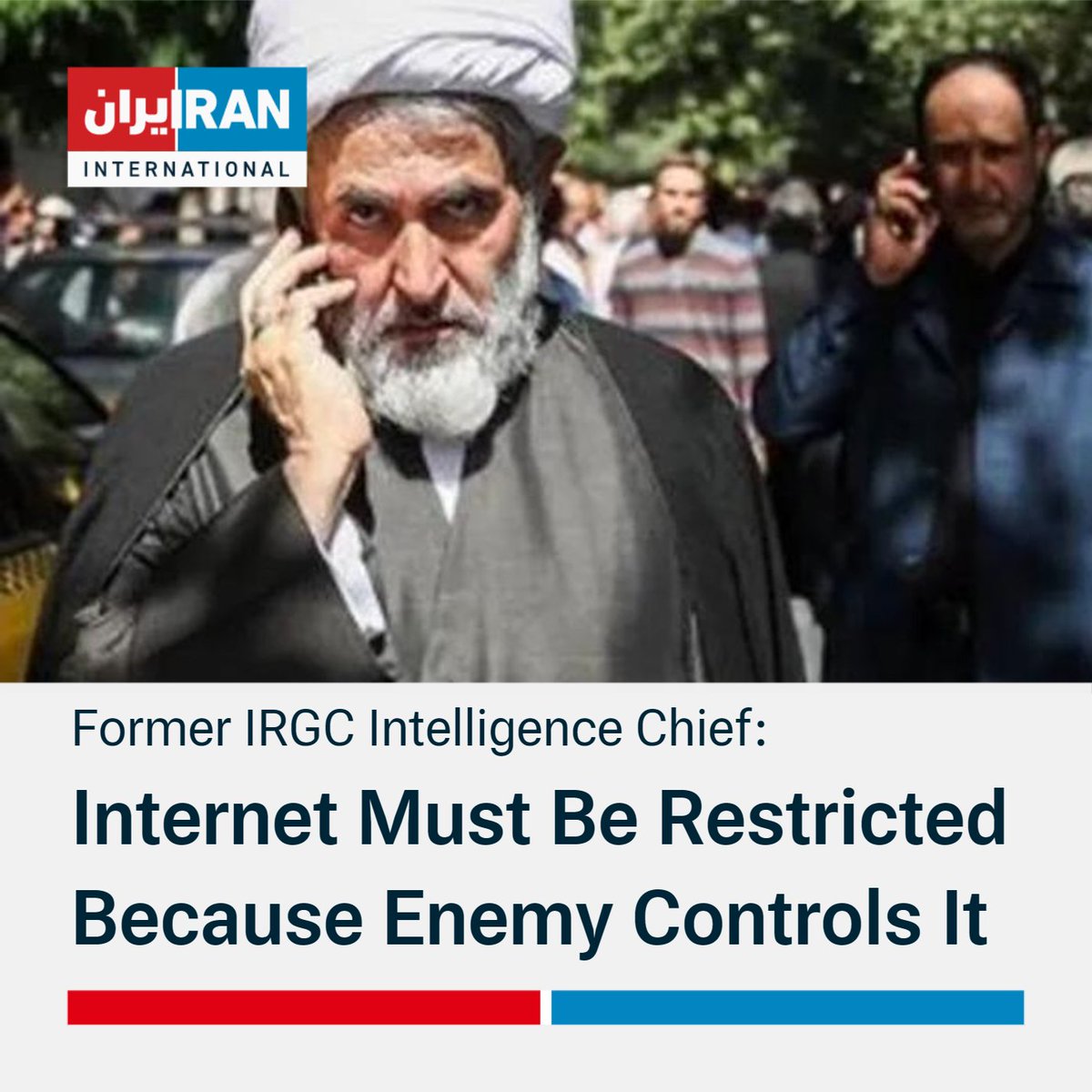

Iran internet control has become a pressing issue, particularly as the government enforces stringent measures in the capital, Tehran. Recent developments highlight the extent of Tehran internet restrictions, which serve to limit access to information and maintain state authority. Amidst global discussions on freedom online, Iran’s approach to internet censorship reveals a complex landscape influenced by concerns over national security and political dissent. With advancements in Iran cybersecurity, authorities are increasingly employing network surveillance tactics to monitor and suppress online activities. As a result, the digital rights of Iranian citizens are significantly compromised, sparking debates on the balance between security and freedom in the digital age.
In recent years, restrictions on online freedoms in Iran have escalated, particularly within its urban hub, Tehran. The government’s stringent policies aim to control information flow and monitor citizens’ activities through advanced surveillance systems. Such actions reflect a broader trend of digital repression, where online platforms become battlegrounds for authority and opposition. As the nation navigates its path towards modernity, the implications for internet freedom and citizens’ rights are profound. The ongoing struggle for digital autonomy in Iran raises crucial questions about the future of privacy and expression in an interconnected world.
Understanding Iran Internet Control and Its Implications
Iran’s decision to impose internet control in Tehran signifies a strategic move to regulate the flow of information within the capital. This act is often justified by the government as a necessary measure to ensure national security and public order. Amid increasing protests, the Iranian regime views stringent internet censorship as a tool to stifle dissent and control narratives that challenge the state’s authority. As a result, users in Tehran may experience disruptions in accessibility to various websites and social media platforms, which are commonly used for mobilization and organization by opposition groups.
The repercussions of such internet control extend far beyond mere inconvenience; they threaten the digital rights of citizens. By curbing access to information, the Iranian government intensifies its grip on societal discourse, limiting people’s ability to express their opinions freely or engage in digital activism. This has sparked widespread concerns about the future of internet censorship in Iran and its alignment with international human rights standards, leaving activists and citizens advocating for greater transparency and connectivity.
Tehran Internet Restrictions: The Rise of Network Surveillance
The implementation of internet controls in Tehran correlates with an alarming trend of network surveillance within Iran. Surveillance technologies have become increasingly sophisticated, enabling the government to monitor internet usage and track individuals without their consent. This intrusive monitoring fosters a chilling environment where citizens may fear expressing their thoughts online, severely impacting Iran’s digital landscape and freedom of speech.
Moreover, this rise in surveillance is often coupled with targeted cyber operations against activists and dissenters. The Iranian government employs various tactics to disrupt communication among groups mobilizing for change, using both advanced technology and human intelligence networks. As such, understanding the methods behind Tehran’s internet restrictions is crucial for comprehending the overall environment of cybersecurity in Iran and the persistent threats faced by those advocating for digital rights.
The Impact of Internet Censorship on Iranian Society
Internet censorship in Iran has profound sociopolitical implications that affect every facet of life in the country. By restricting access to information, the government not only suppresses dissent but also limits educational opportunities and access to global perspectives. This creates a disconnected populace, often fueled by misinformation propagated through state-controlled media. As a result, the Iranian youth, who are among the most connected demographics, find themselves disenfranchised and frustrated by the lack of truthful discourse.
Furthermore, the cultural implications of such censorship are significant. Artists, filmmakers, and writers face significant barriers in expressing creativity or presenting works that critique the government. The digital space that could facilitate modern cultural expressions becomes a battleground for free expression, where only government-approved narratives thrive. This scenario raises critical questions about the future of Iran’s rich cultural heritage and its ability to adapt to a rapidly evolving technological world.
Iran Cybersecurity: The Intersection of Control and Privacy
As Iran tightens its grip on internet communication, cybersecurity emerges as a critical concern for both citizens and the government. With heightened surveillance and restrictions in place, many individuals are left vulnerable to online threats and breaches of privacy. The dichotomy between the government’s push for security and the public’s right to privacy presents a complex challenge, especially in a society that is heavily monitored.
Moreover, the role of cybersecurity in Iranian policy cannot be understated. It’s not solely about protecting state interests but also about maintaining social control through information management. While the government may promote cybersecurity initiatives, the primary goal appears to be the protection of its regime against perceived threats. This paradox creates a landscape where citizens must navigate through tailored laws that claim to protect them yet effectively strip away their fundamental rights.
The Role of Digital Rights Advocates in Iran
In a context marked by severe internet controls, the role of digital rights activists in Iran has never been more critical. These advocates tirelessly work to promote freedom of expression and access to information, often at great personal risk. They seek to galvanize public opinion and rally support for international measures aimed at countering the oppressive laws set forth by the government.
Despite the significant challenges posed by harsh censorship and state surveillance, digital rights advocates have successfully raised awareness about the importance of internet freedom. They leverage social media and underground networks to disseminate information about violations and mobilize grassroots movements. Their efforts underline a resilient spirit among Iranians who refuse to remain silent, even in the face of formidable opposition.
Global Perspectives on Iran’s Internet Censorship Policies
Internationally, Iran’s internet censorship policies draw criticism from various human rights organizations and foreign governments advocating for digital freedom. These global entities frequently highlight how Iran’s actions contradict fundamental principles of free speech recognized worldwide. By imposing stringent internet controls, Iran not only undermines the rights of its citizens but also isolates itself from the international community that values democratic governance and communication.
Additionally, the global outcry surrounding internet censorship in Iran highlights the interconnectedness of digital rights and international diplomacy. Countries with similar values often band together to impose sanctions or take other diplomatic actions against Iran, pushing the narrative that human rights should be at the forefront of international relations. This ongoing dialogue emphasizes the importance of maintaining a free and open internet as not just a local issue, but a global one.
The Future of Digital Activism in Iran
As Iranian citizens continue to face stringent internet controls, the future of digital activism remains uncertain yet teeming with possibilities. The legs of digital activism have grown over time, fueled by clever strategies to bypass censorship and engage the broader community. Emerging technologies such as VPNs and end-to-end encryption offer avenues for activists to communicate securely and share information beyond the government’s watchful eyes.
However, the resilience of digital activists in Iran is tested by governmental repressive tactics. Nonetheless, these advocates continuously adapt and innovate, finding new methods to raise awareness and promote change. The landscape of digital rights activism is changing, propelled by a new generation of technologically savvy individuals who seek to reclaim their digital space and amplify the voices of the marginalized.
The Interplay Between Tehran Network Surveillance and State Control
Tehran’s network surveillance mechanisms are illustrative of a broader strategy employed by the Iranian government to assert control over its population. These mechanisms are designed to not only monitor various online activities but also to enforce compliance with state-imposed norms. By closely surveilling internet activity, the government can swiftly identify and neutralize potential threats, employing a mixture of both technological and human resources to maintain its power.
As people become increasingly aware of the invasive nature of such surveillance, resistance is likely to grow. There is a rising demand for tools that protect digital privacy and facilitate secure communication, indicating that citizens are becoming more conscious of their cybersecurity needs. This interplay between surveillance and state control serves to fuel a counterculture focused on reclaiming digital rights and privacy, pushing back against the oppressive measures enforced by the government.
The Challenge of Reform in Internet Governance in Iran
Debates around internet governance in Iran often highlight the necessity for reform, especially in light of increased restrictions. Transitioning from an oppressive paradigm to one that respects digital rights demands comprehensive policy changes that reflect both international standards and the aspirations of the Iranian citizenry. The significant pushback against current censorship practices indicates a public yearning for more transparent governance.
However, moving towards a more open internet environment remains fraught with challenges. Resistance from conservative factions within the government underscores the complexities inherent in reforming such entrenched systems of control. Therefore, advocates for reform must navigate a fine line, employing tactical approaches that can persuade key stakeholders while galvanizing public support for a more liberated digital future.
Frequently Asked Questions
What is the current state of internet control in Iran?
Iran continues to impose strict internet control, particularly in Tehran, characterized by extensive internet censorship and monitoring of online activities. This network surveillance is aimed at restricting access to information and limiting the digital rights of citizens.
How does Tehran internet restriction affect daily life?
Tehran internet restrictions significantly disrupt daily life by limiting access to social media, news sites, and various communication platforms, which impacts both personal and professional interactions.
What measures are taken for Iran cybersecurity amid internet control?
In response to increasing online threats and to maintain regime stability, Iran cybersecurity measures include monitoring online activity, implementing firewalls, and conducting frequent cyber surveillance to manage digital communications.
How has internet censorship in Iran evolved over time?
Internet censorship in Iran has evolved into more sophisticated forms of control with advanced techniques for tracking online behavior, enforcement of restrictions on content, and the occasional complete shutdown of services during protests.
What role does Tehran network surveillance play in Iran’s internet policies?
Tehran network surveillance plays a crucial role in enforcing Iran’s internet policies, allowing the government to track users’ online activities, censor content, and stifle dissent through targeted monitoring efforts.
How does internet censorship in Iran impact digital rights?
Internet censorship in Iran directly undermines digital rights by restricting freedom of expression, limiting access to information, and infringing on personal privacy, all of which are essential components of a free and open internet.
What are the implications of internet control in Iran for activists?
Iran’s internet control creates a risky environment for activists, as heightened surveillance and censorship efforts pose significant threats to their safety and ability to communicate and organize effectively.
Are there any global responses to Iran’s internet control and censorship?
Global responses to Iran’s internet control include condemnation from human rights organizations and calls for action from various countries to support Iranian citizens in seeking greater digital rights and internet freedom.
| Key Point | Details |
|---|---|
| Event Date | 8th local time |
| Location | Tehran, Iran |
| Action Taken | Implementation of internet control |
| Source | Xinhua News Agency |
Summary
Iran internet control has recently been put in place in Tehran, reflecting the government’s approach to manage and monitor online activity. This action indicates ongoing tensions between the Iranian authorities and the public regarding digital freedom and access to information.
Related: More from Regulation & Policy | EU Crypto Taxes: Practical Implications Explained | UK FCA to Consider Cryptos for Gambling Payments