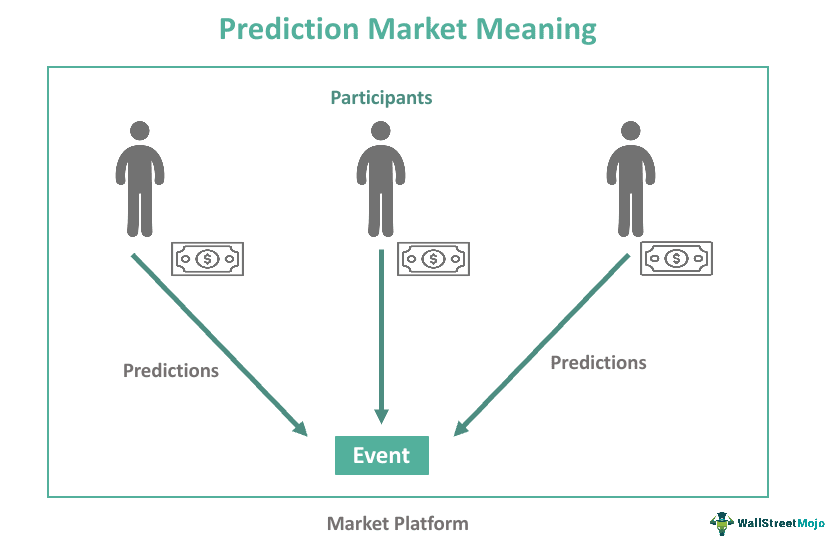

Prediction markets are emerging platforms that harness collective knowledge to forecast future events, and they are increasingly drawing attention due to recent proposed legislation. Tarek Mansour, CEO of the prediction market platform Kalshi, has voiced strong support for the “2026 Public Integrity Financial Prediction Markets Act,” a bill aimed at banning insider trading within these markets. This legislation is particularly relevant as concerns over insider trading in prediction markets have spiked, especially following controversies surrounding unregulated platforms. By implementing strict rules against insider trading, Kalshi aims to maintain integrity and trust in the market, distinguishing itself from its foreign counterparts. As regulation of prediction markets continues to evolve, understanding these dynamics will be essential for both investors and policymakers alike.
Alternative forecasting platforms, often referred to as speculative prediction markets or event markets, are becoming crucial tools for gauging public sentiment and potential outcomes. These markets gather opinions from participants, enabling them to bet on future events like political elections or economic shifts, thus creating a market-driven prediction model. Recent discussions, particularly surrounding the legislative efforts to regulate these platforms, are shaping the future landscape of how event-based trading is perceived and managed. With the focus on legislating insider trading practices in the realm of these markets, platforms like Kalshi are positioning themselves at the forefront of compliance and transparency. As the regulatory framework develops, these alternative terms for prediction markets will help clarify the broader implications of market behavior and investment strategies.
Understanding the 2026 Public Integrity Financial Prediction Markets Act
The 2026 Public Integrity Financial Prediction Markets Act seeks to create a more transparent and fair betting environment within the realm of prediction markets. Spearheaded by Congressman Ritchie Torres, this legislation draws crucial attention to the ethical implications of insider trading, particularly as the popularity of platforms like Kalshi continues to surge. The act explicitly seeks to ban federally elected officials and government employees from engaging in prediction market transactions tied to political outcomes, recognizing the potential for corrupt practices that can arise when insider information is misused.
The significance of this legislation cannot be understated; it aims to align prediction markets more closely with existing financial market regulations. Kalshi’s CEO, Tarek Mansour, has publicly endorsed the legislation, highlighting that the platform has proactively instituted rules designed to prevent insider trading. As these markets evolve, establishing a solid legal framework is essential to maintaining public trust and ensuring fair play among all participants, which this act aims to solidify.
Subheadings in the context of this act could focus on its implications for investors and the legal structure of prediction markets, addressing how this legislation can impact the growth and reliability of platforms like Kalshi. Additionally, the need for compliance and how Kalshi’s proactive measures position it favorably within this emerging regulatory landscape could also be highlighted.
Finally, discussing the future of prediction markets in relation to this legislation would provide valuable insights for stakeholders in the field. As the industry adapts to new regulatory environments, understanding the nuances of such laws will be crucial for ensuring compliance and fostering long-term growth.
The Role of Prediction Markets in Modern Trading
Prediction markets have emerged as an innovative tool for gauging the likelihood of various outcomes, ranging from political events to market trends. As platforms such as Kalshi gain recognition, they bring a fresh perspective to market forecasting, providing users with the ability to engage in informed speculation based on collective insights. The integration of prediction markets into broader trading environments may significantly shift the dynamics of investment strategies, enabling users to capitalize on their predictive abilities while measuring sentiment on specific events.
The rise of regulated prediction markets is critical in maintaining a safe trading environment, especially amid concerns over insider trading. Kalshi’s model, which adheres to regulatory standards similar to those of major stock exchanges, exemplifies how such markets can operate transparently without falling prey to unethical practices. By establishing robust rules against insider trading and collaborating with lawmakers on initiatives like the 2026 Public Integrity Financial Prediction Markets Act, Kalshi not only sets a standard for responsible trading but also fosters a more informed user base.
With the public increasingly leaning towards platforms that promote ethical trading practices, the future of prediction markets looks promising. As awareness of the potential misuse of insider information rises, users are likely to support platforms that commit to maintaining the integrity of their markets. This creates an opportunity for Kalshi and similar platforms to distinguish themselves in a crowded marketplace by offering a fair and regulated environment for predictions and trades.
Furthermore, examining the historical performance of prediction markets and their impact on investors’ decision-making processes will provide a comprehensive view of their role in modern trading. This can lead to a broader acceptance of prediction markets as viable investment forums, reinforcing their place in the financial ecosystem.
The Importance of Regulated Prediction Markets
As prediction markets continue to evolve, the discussion surrounding regulation becomes increasingly vital. Regulated prediction markets, like Kalshi, play a crucial role in mitigating risks associated with unregulated platforms, which may not uphold the same standards for ethical trading practices. With the rise of decentralized platforms that lack oversight, the need for a distinction between regulated and unregulated environments is apparent, especially when considering vulnerabilities to insider trading.
Kalshi’s endorsement of the proposed legislation highlights the company’s commitment to not only fostering a reliable trading environment but also supporting the regulatory framework that underpins these markets. The ability to draw a line between ethical trading practices and the murky waters of unregulated markets will be essential for consumer confidence. Investors want assurance that their trades are not vulnerable to misinformation or unethical dealings, and regulated platforms provide that security.
Also, the adoption of stringent rules similar to those of traditional financial markets not only safeguards investors but also enhances the credibility of prediction markets in a rapidly changing digital landscape. As more users recognize the importance of transparency and regulation in their trading choices, the popularity of platforms like Kalshi could skyrocket, further solidifying their role in modern investing.
Ultimately, fostering a culture of accountability and compliance within regulated prediction markets presents valuable insights for the industry at large. It encourages other platforms to follow similar paths, which could lead to a more organized and trustworthy market environment for all participants.
Insider Trading in Prediction Markets: Risks and Solutions
Insider trading presents one of the most significant risks to the integrity of prediction markets, such as those operated by Kalshi. The potential for individuals to capitalize on private information poses ethical challenges, ultimately threatening the credibility of the trading space. In recognition of these risks, the 2026 Public Integrity Financial Prediction Markets Act aims to close loopholes that may allow such practices to flourish. The legislation focuses on prohibiting specific government officials from participating in prediction markets, addressing the concern that insider knowledge can unduly influence outcomes and trades.
Kalshi has taken a proactive approach by implementing rigorous mechanisms to combat insider trading. By mirroring regulations found in established markets such as the NYSE and NASDAQ, Kalshi’s platform elevates its standards to ensure fair practices among its users. This commitment not only protects investors but also underlines the importance of transparency and integrity in trading environments, setting a precedent for other platforms.
Addressing insider trading with robust legislation is only one part of the solution; continuous education on ethical trading practices and investor awareness is essential. Users must be informed about the implications of insider trading and how to engage with prediction markets responsibly. With ongoing enhancements to compliance protocols and user education, the prediction market landscape can evolve safely while still harnessing the innovative potential it offers.
As the conversation surrounding insider trading expands, platforms like Kalshi will play a pivotal role in shaping future regulations and practices. By fostering a workspace devoid of unethical trading practices, prediction markets can solidify their position as credible tools for forecasting and engagement.
The Future of Prediction Markets in Light of Legislative Changes
The trajectory of prediction markets is significantly influenced by legislative changes, particularly in light of the 2026 Public Integrity Financial Prediction Markets Act. Such regulations not only establish a framework for ethical trading practices but also pave the way for expansion and growth within the industry. As platforms like Kalshi adapt to comply with these new laws, they will likely attract a broader range of users seeking reliability in their trading activities.
This evolving legislative landscape presents both opportunities and challenges for prediction markets. On one hand, stringent regulations can enhance the credibility and security of these platforms, encouraging more users to participate and invest. On the other hand, compliance may impose operational challenges and require platforms to continuously adapt to changing rules. Ultimately, the future success of prediction markets hinges on their ability to navigate these dynamics while fostering an environment conducive to user trust and satisfaction.
Moreover, monitoring how these legislative changes impact trading behaviors and overall market dynamics will be crucial for stakeholders. By understanding the relationship between regulation and market participation, platforms can tailor their offerings to align with user expectations while adhering to legal standards. This adaptability will be key to ensuring that prediction markets not only survive but thrive amidst shifting regulatory climates.
As Kalshi and its peers forge ahead, embracing the regulatory landscape can lead to innovative practices and greater alignment with user needs, which may ultimately redefine the perception of prediction markets in the financial ecosystem.
Kalshi’s Role in Shaping Regulatory Practices
Kalshi plays a pivotal role in shaping the future of regulatory practices within prediction markets. By actively supporting legislative measures, such as the 2026 Public Integrity Financial Prediction Markets Act, the platform is demonstrating its commitment to establishing ethical trading environments. Kalshi’s CEO, Tarek Mansour, believes that adopting regulations akin to those governing traditional financial markets will help ensure the integrity and safety of prediction trades, encouraging wider participation and ultimately benefiting all users.
As a federally regulated platform, Kalshi operates under a different set of standards compared to unregulated prediction markets. This distinction is essential in promoting awareness about the importance of compliance and ethical behavior in trading. By collaborating with lawmakers and advocating for clear guidelines, Kalshi sets a benchmark for best practices within the industry, which could motivate other platforms to follow suit.
Furthermore, Kalshi’s proactive stance on regulation can lead to more informed users while enhancing the overall credibility of prediction markets. By showing that ethical trading is possible and emphasizing the potential risks of unregulated platforms, Kalshi contributes significantly to public discourse surrounding financial integrity in this sector.
Ultimately, Kalshi’s influence on the regulatory framework of prediction markets may have lasting implications for how these platforms function and are perceived in the market landscape. This evolving dynamic highlights the need for continuous dialogue between regulators, platforms, and users as the market matures.
Comparative Analysis: Regulated vs. Unregulated Prediction Markets
Understanding the differences between regulated and unregulated prediction markets is vital for investors and stakeholders alike. Regulated platforms, such as Kalshi, require adherence to strict guidelines regarding insider trading, transparency, and ethical behavior, which fundamentally enhance user trust and investment safety. In contrast, unregulated platforms often lack oversight, increasing the potential for unethical practices and misinformation which can mislead investors and compromise market integrity.
The recent controversies surrounding unregulated markets highlight the risks associated with trading on platforms devoid of clear-cut regulations. For instance, the case of insider trading on platforms like Polymarket raises fundamental questions about market reliability and ethical conduct. As lawmakers push for statutes like the 2026 Public Integrity Financial Prediction Markets Act, the spotlight is increasingly on the need to delineate the characteristics that define trustworthy trading spaces. This growing scrutiny reinforces the premise that regulated platforms can provide a more stable environment conducive to investor confidence.
In the long term, the emergence of a solid regulatory framework may enhance competitive balance among platforms, favoring those like Kalshi that prioritize ethical practices. Such differentiation will likely resonate with markets and investors eager for fortified operational security, creating a positive feedback loop where regulated markets can thrive, further attracting users concerned with integrity and compliance.
Understanding how these differentiations illustrate the broader implications for the future of prediction markets will prove essential as stakeholders navigate this evolving landscape. The competitive advantages held by regulated platforms emphasize the need for sustained regulatory efforts to ensure market integrity and foster success.
Impact of Prediction Market Growth on Financial Integrity
The growth of prediction markets has sparked discussions surrounding financial integrity and the ethical implications of trading strategies. As platforms such as Kalshi continue to expand, the potential for ethical dilemmas increases, underscoring the importance of robust regulatory frameworks to prevent fraudulent practices. By supporting measures like the 2026 Public Integrity Financial Prediction Markets Act, Kalshi positions itself as a leader in promoting sustainable growth while ensuring the integrity of its trading environment.
Moreover, the implementation of stringent regulations not only minimizes risks of insider trading but also contributes to a healthier financial ecosystem where investors can engage confidently. The rise of regulated prediction markets paves the way for broader acceptance within the investment community, as users are more likely to transact in environments that prioritize compliance and ethical trading.
As the industry matures, embracing the principles of integrity and transparency will be paramount for its long-term sustainability. Continuing to advocate for ethical trading practices while remaining vigilant against the risks associated with unregulated markets will define the future landscape of prediction markets. As Kalshi and similar platforms set the precedent for responsible trading, they can positively influence perceptions and behaviors within the financial sector.
In this context, fostering an environment of integrity will facilitate better informed decision-making among investors, leading to a more resilient prediction market framework where the emphasis on ethical engagement remains at the forefront.
Frequently Asked Questions
What are prediction markets and how do they function?
Prediction markets are platforms where participants can place bets on the outcomes of future events, such as elections or market trends. These markets aggregate diverse opinions, allowing traders to use real-time data to predict future events accurately. Regulated prediction markets, like those operated by Kalshi, implement strict rules to ensure fairness and legality.
How does Kalshi support legislation against insider trading in prediction markets?
Kalshi’s CEO, Tarek Mansour, has voiced support for the ‘2026 Public Integrity Financial Prediction Markets Act,’ which bans insider trading in prediction markets. Kalshi already has internal rules to prevent insider trading, aligning with regulations similar to those of the New York Stock Exchange, thus ensuring a fair marketplace.
What is the impact of the 2026 Public Integrity Financial Prediction Markets Act on prediction markets?
The 2026 Public Integrity Financial Prediction Markets Act aims to prohibit specific officials from participating in prediction markets that involve government-related events. This legislation targets insider trading and aims to ensure that regulated prediction markets operate fairly, thereby enhancing public trust in these platforms.
What differentiates regulated prediction markets from unregulated ones?
Regulated prediction markets, such as Kalshi, adhere to strict guidelines and are overseen by federal authorities, ensuring compliance and consumer protection. Unregulated platforms, like some decentralized options, can operate without these safeguards, leading to potential risks and issues like insider trading, as highlighted by the controversies involving Polymarket.
How do insider trading regulations affect traders on prediction markets?
Insider trading regulations in prediction markets, such as those implemented by Kalshi, prevent individuals with non-public information about government actions from trading on related events. This ensures a level playing field, allowing all traders to participate based on publicly available information, which boosts the overall integrity of prediction markets.
What were the trading volumes for Kalshi and Polymarket recently?
In December 2025, both Kalshi and Polymarket reached historic trading volumes, with Kalshi achieving approximately $6.26 billion and Polymarket around $2.28 billion. Kalshi has maintained a leading position since March 2025, highlighting its strength in regulated prediction markets.
How do prediction markets help in informing public opinion?
Prediction markets aggregate the insights and opinions of diverse participants on future events, which can serve as an indicator of public sentiment. This function, particularly within regulated prediction markets like Kalshi, enables stakeholders to gauge predictions regarding political outcomes and market trends effectively.
What are the implications of insider trading in prediction markets for investors?
Insider trading in prediction markets poses significant risks for investors, as it undermines market fairness and can lead to distorted outcomes based on non-public information. Regulation through acts like the 2026 Public Integrity Financial Prediction Markets Act aims to eliminate these risks, ensuring that all investors can rely on public information for their trading decisions.
| Key Point | Details |
|---|---|
| Kalshi CEO’s Support | Tarek Mansour supports the legislation to ban insider trading in prediction markets. |
| Proposed Legislation | The “2026 Public Integrity Financial Prediction Markets Act” aims to prohibit insider trading. |
| Eligibility Restrictions | It bans federal officials from participating in prediction markets concerning government actions or policies. |
| Concerns Raised | Recent events have shown potential misuse of insider info in prediction markets, highlighting the need for regulation. |
| Differentiation of Platforms | Mansour stresses the importance of distinguishing between regulated U.S. platforms like Kalshi and unregulated foreign platforms. |
| Kalshi’s Trading Volume | In December 2025, Kalshi recorded $6.26 billion in trading volume, significantly higher than Polymarket’s $2.28 billion. |
Summary
Prediction markets are gaining significant attention, especially with the support from Kalshi’s CEO for legislative measures to combat insider trading. By promoting the “2026 Public Integrity Financial Prediction Markets Act,” Tarek Mansour emphasizes the need for a regulated environment in which prediction markets can operate fairly and transparently, thereby restoring trust among users and investors. With Kalshi already implementing its own insider trading rules, it stands as a model for how regulated platforms can protect the integrity of prediction markets, fostering a more trustworthy trading environment.
Related: More from Market Analysis | Figure Shares Drop After Mixed Q4 Results as Crypto Loan Volume Grows | Barclays Looks at Blockchain for Payments, Deposits