


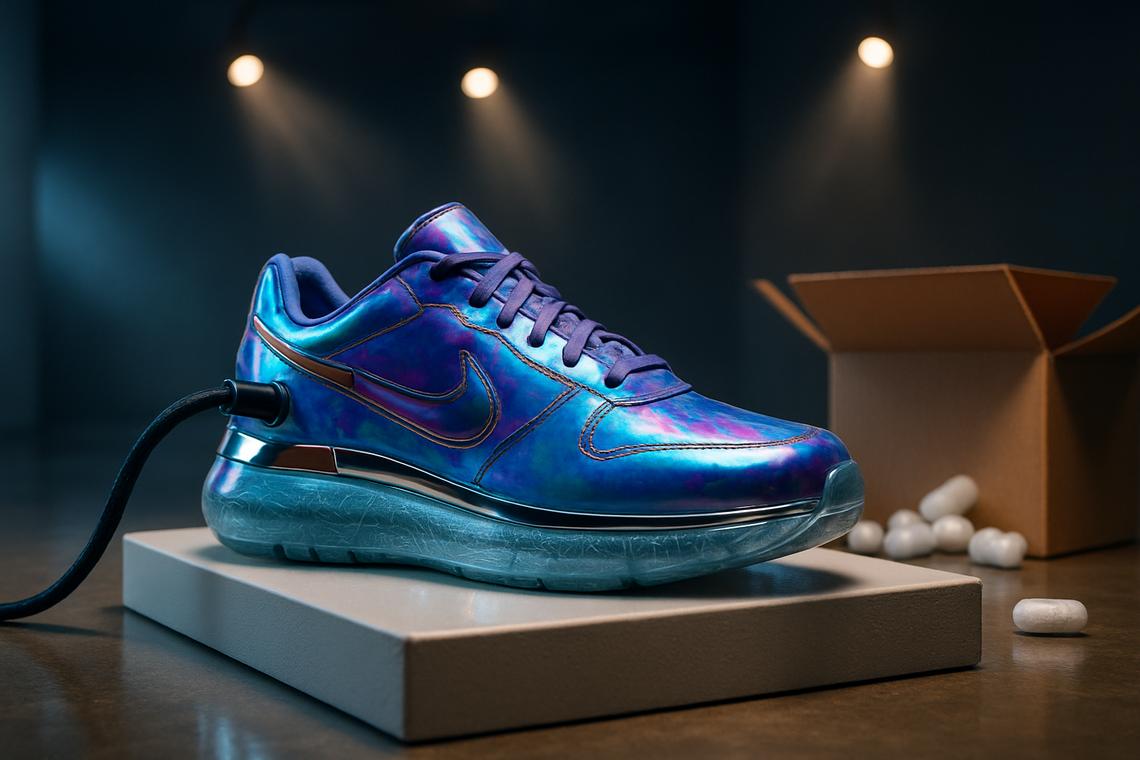

The recent Nike RTFKT sale marks a significant transition in the world of digital collectibles and NFT ventures. Following the surge in popularity of non-fungible tokens, Nike had acquired RTFKT as a key component of its bold Web3 strategy. However, as the NFT market decline became apparent, this once-celebrated acquisition has now culminated in a quiet sell-off, reflecting the shifting landscape of blockchain technology. While specifics of the sale remain undisclosed, the move signifies Nike’s strategic pivot away from its blockchain aspirations, as it continues to explore digital experiences. With the NFT market’s volatility and changing consumer priorities, Nike’s retreat raises questions about the future of digital collectibles in a challenging economic environment.
Nike’s recent divestment of RTFKT embodies a notable shift in the realm of digital assets and virtual collectibles. Initially heralded as a pioneering step in embracing the new digital frontier of Web3, the brand’s acquisition of RTFKT aimed to connect sports and culture through innovative online experiences. However, the recent downturn in the NFT scene has forced Nike to rethink its investment strategy. As interest wanes in digital assets, companies are reassessing their positions in the marketplace, underscoring the urgent need for real-world applications amid changing consumer behavior. This sale not only mirrors the larger challenges faced by many in the NFT domain but also highlights the necessity for adaptability in an evolving digital landscape.
The Shift in Nike’s Digital Strategy: Understanding the RTFKT Sale
Nike’s quiet sale of RTFKT marks a significant shift in the company’s digital strategy, especially in the realm of digital collectibles and NFTs. Initially acquired during the NFT boom in December 2021, RTFKT was envisioned as a bridge to the worlds of sports, gaming, and cutting-edge culture. However, as the NFT market declined, Nike opted to retreat from this ambitious venture, sparking conversations about the viability of corporate investments in blockchain technology. This maneuver highlights how brands are rethinking their Web3 strategies amid changing consumer expectations and market dynamics.
The decision to distance itself from RTFKT may reflect broader trends within the NFT landscape. As trading volumes have plummeted and investor confidence has waned, many companies, including Nike, are reassessing their roles in this relatively nascent technology space. The announcement from Nike emphasizes its commitment to continuing investments in digital experiences, albeit in a more cautious manner, signaling a potential pivot toward new strategies that align better with the current market conditions.
The Impact of the NFT Market Decline on Corporate Ventures
The decline of the NFT market has prompted a significant reevaluation of corporate ventures in the Web3 space. After a peak market capitalization of $17 billion in 2022, the sector witnessed a drastic decrease to around $2.4 billion by the end of 2025. This contraction not only affected investor sentiment but also led brands to reconsider their engagement with digital collectibles. Nike’s reported exit from RTFKT encapsulates this trend, exemplifying how brands formerly excited about NFTs are now reassessing their commitments amid a deteriorating market.
Furthermore, the ramifications of this market decline can be seen in the rise of legal disputes, as seen with the class-action lawsuit against Nike from RTFKT token holders. Investors allege that the company’s marketing and branding created an inflated perception of value for their digital assets which ultimately became worthless following the cessation of RTFKT’s operations. This situation underscores the fragility of the NFT ecosystem and the challenges companies face when navigating investments in blockchain technology during turbulent times.
By reconsidering their NFT strategies, brands can pivot toward creating more meaningful engagements that prioritize utility and consumer value. This evolving outlook reflects overall shifts in the NFT discourse, where enthusiasm that once fueled speculation is now leaning towards integrating NFTs into real-world applications and cultural relevance.
Nike’s Web3 Strategy: Lessons Learned from RTFKT
Nike’s acquisition of RTFKT was once heralded as a pioneering step into the Web3 world, with ambitions to fuse sports and digital collectibles in innovative ways. However, the subsequent sale of RTFKT highlights critical lessons in corporate strategy regarding the volatile nature of the NFT market. While the brand initially viewed the acquisition as a robust avenue for engaging customers in the metaverse, the swift decline in NFT trading volumes forced Nike to reconsider the sustainability of such ventures. This illustrates the need for companies to remain agile and informed amid rapid technological advancements and market shifts.
Moreover, the decision to cease operations within RTFKT can serve as a cautionary tale for other companies looking to enter the realm of blockchain technology. It emphasizes the importance of understanding market dynamics and consumer behavior before diving into ambitious projects. Brands that aim to leverage NFTs and digital collectibles must prioritize transparency and foster genuine communities around their products to withstand market fluctuations and avoid backlash from disillusioned investors.
Moving Forward: Nike’s Commitment to Digital Experiences
Despite the sale of RTFKT, Nike remains committed to investing in digital experiences, signaling resilience in a challenging NFT landscape. The company’s acknowledgment of the shifting paradigms within the NFT space reflects an understanding of the need to evolve its approach. Partnerships with gaming platforms suggest that Nike is keen to explore new avenues of engagement that align better with consumer interests and technological developments.
This pivot towards gaming integration may also enhance Nike’s strategy in connecting with younger, tech-savvy demographics that are increasingly influential in digital spaces. By emphasizing utility and interactive experiences, Nike can create more sustainable engagements with consumers, benefiting from the lessons learned during its RTFKT venture while adapting to the changing digital landscape.
From Hype to Real-World Utility: The Future of NFTs
As the NFT market recalibrates post-boom, there’s a clear trend toward prioritizing real-world utility over speculative hype. Brand approaches are shifting from creating digital collectibles solely for trading to developing NFTs that offer tangible benefits in real-life scenarios. This transition underscores a growing consumer desire for meaningful connections and applications of digital assets that extend beyond mere ownership, something that Nike may be eyeing in its future strategies.
In this evolving context, companies are examining how blockchain technology can facilitate authentic interactions and enhance customer loyalty. The move towards utility-driven NFTs could usher in a new era for brands seeking to engage with digital audiences more effectively. As we move forward, the focus will likely be on creating ecosystems where digital collectibles serve practical purposes, contributing to a more vibrant and sustainable digital future.
RTFKT’s Legacy: What Remains After the Sale
The sale of RTFKT not only marks the end of a chapter for Nike but also signifies a transition for the digital collectibles community it cultivated. While the ceasing of operations denotes a loss for some, it also opens up questions regarding the future of the digital assets that many RTFKT holders have acquired. The legacy of RTFKT’s innovative designs and community engagement will likely linger on in the minds of enthusiasts and collectors, urging them to seek new opportunities within the NFT realm.
Moreover, the transition presents a potential opportunity for other startups and companies eager to step into the void left by Nike’s exit. There remains a robust interest in digital fashion and collectibles, and companies that can articulate clear value propositions and innovative use cases for blockchain technology will find fertile ground for growth. RTFKT’s departure from the forefront of the NFT movement highlights the importance of adaptability and consumer connection in this rapidly evolving digital landscape.
The Rise and Fall of NFT Hype: Implications for Brands
The rise and eventual decline of the NFT hype cycle has profound implications for brands venturing into the digital asset space. Initially, NFTs were viewed as novel means to monopolize the attention of tech-forward consumers, but as the market has cooled, many brands are forced to confront the reality of diminished interest and financial return. Nike’s recent exit from RTFKT underscores this precarious environment, where brands are now recalibrating their strategies to keep pace with market sentiment.
As companies reflect on the volatility of NFTs, there is an urgent need to establish long-term frameworks that prioritize sustainability and consumer engagement. The hype behind NFTs has taught valuable lessons about the ephemeral nature of trends; those brands that can withstand such fluctuations are those that anchor their offerings in genuine utility and community involvement. This can guide future projects, ensuring that they are built to last, fostering consumer trust and loyalty amidst uncertainty.
Navigating Legal Challenges in the NFT Landscape
As the NFT market matures, the legal landscape surrounding digital collectibles is becoming increasingly complex. The class-action lawsuit faced by Nike highlights the potential ramifications brands may face when engaging with blockchain technologies without clear communication or value assurances. As seen with RTFKT, misalignment between corporate actions and consumer expectations can lead to legal disputes that not only jeopardize company reputation but also erode consumer trust.
Brands must therefore take proactive measures to navigate these challenges, including transparent communication with investors and a clear understanding of the rights and value associated with NFTs. By building robust platforms that empower consumers and clarify their investment risks, brands can mitigate potential legal issues while fostering a healthier environment for digital asset ownership. The lessons learned from the RTFKT sale could serve as crucial pointers for brands aiming to engage with the NFT space in a more constructive manner.
The Future of Digital Collectibles: Opportunities and Challenges Ahead
The future of digital collectibles lies at a crossroads, facing both exciting opportunities and significant challenges as the NFT market stabilizes. With increased scrutiny from regulators and the need to establish clear use cases, brands will have to innovate creatively to capture consumer interest. Companies like Nike, while retreating from overly speculative ventures, can still explore new models that integrate digital assets into existing ecosystems, thus perpetuating engagement without relying on hype.
Conversely, the ongoing challenge will be to reconnect with consumers in a meaningful way. The NFT market’s shift towards utility emphasizes the importance of creating experiences that resonate beyond the digital realm. Engaging storytelling, personalization, and real-world applications will be crucial elements that can drive the next wave of digital collectibles, ensuring that they hold real value for consumers. As the market evolves, brands must remain adaptable and visionary, leveraging insights gained from past experiences to foster sustainable growth.
Frequently Asked Questions
What does the Nike RTFKT sale mean for the future of digital collectibles?
The Nike RTFKT sale signifies a potential shift in the landscape of digital collectibles, as it reflects Nike’s strategic decision to step back from a major Web3 project amid a declining NFT market. This exit indicates a need for brands to reassess their investments in blockchain technology and digital experiences, particularly as the value of NFTs has diminished significantly since their peak.
Why did Nike decide to sell RTFKT after acquiring it?
Nike’s decision to sell RTFKT was likely influenced by the declining interest and trading volumes in the NFT market. Despite the initial excitement surrounding RTFKT’s digital collectibles, market conditions have changed, prompting Nike to redirect its focus from NFTs towards more sustainable digital experiences and partnerships with gaming platforms.
How has the NFT market decline affected Nike’s Web3 strategy?
The decline in the NFT market has prompted Nike to reevaluate its Web3 strategy, leading to the quiet sale of RTFKT. This withdrawal suggests that Nike intends to adjust its approach to digital assets and experiences rather than relying on traditional NFT models that have struggled in a changing market landscape.
What was RTFKT’s role in Nike’s blockchain technology initiatives?
RTFKT played a key role in Nike’s blockchain technology initiatives by offering innovative digital collectibles like NFT-based sneakers and apparel. However, with the recent sale, Nike appears to be shifting away from this experimental phase, focusing instead on building community engagement and digital experiences without the pressures of the fluctuating NFT market.
Will Nike continue to invest in digital experiences after the RTFKT sale?
Yes, despite the RTFKT sale, Nike has indicated that it will continue to invest in digital experiences. The company remains committed to exploring partnerships with gaming platforms and other avenues that enhance community engagement and cultural relevance in the digital space, independent of its previous NFT ventures.
| Key Point | Details |
|---|---|
| Nike’s Sale of RTFKT | Nike reported selling RTFKT, the digital collectibles studio acquired during the NFT boom, although details about the buyer and financial aspects remain undisclosed. |
| Timing of Sale | The sale reportedly occurred in December 2022, almost a year after Nike announced it would close RTFKT. |
| Nike’s Public Statement | Nike stated the transaction marked a new chapter for RTFKT and its community, but has not confirmed the sale publicly. |
| Impact of Market Conditions | Nike’s exit signifies the end of a significant corporate NFT initiative, highlighting a broader withdrawal from the NFT market amidst declining values. |
| NFT Holders’ Lawsuit | Following the announcement to cease operations, RTFKT NFT holders filed a class-action lawsuit seeking $5 million, alleging undue loss of asset value. |
| NFT Market Downturn | The NFT market has sharply declined, with trading volumes falling since 2021; holders are now focusing on utility and real-world applications. |
| Cancellation of Events | The NFT market decline prompted the cancellation of major events like NFT Paris, indicating significant industry challenges. |
Summary
The recent Nike RTFKT sale marks a significant shift in the company’s strategy towards digital collectibles. Following the NFT market’s decline, Nike’s decision to exit the RTFKT initiative reflects broader challenges within the NFT ecosystem. This move not only ends a prominent chapter for one of the most ambitious corporate NFT experiments but also indicates a wider retreat from speculative digital assets as market dynamics shift towards utility and real-world applications. Investors holding RTFKT NFTs have expressed concerns over the value loss due to this transition, which aligns with a broader industry trend that witnesses a contraction in trade volumes and market capitalization.
Related: More from Market Analysis | Figure Shares Drop After Mixed Q4 Results as Crypto Loan Volume Grows | Barclays Looks at Blockchain for Payments, Deposits