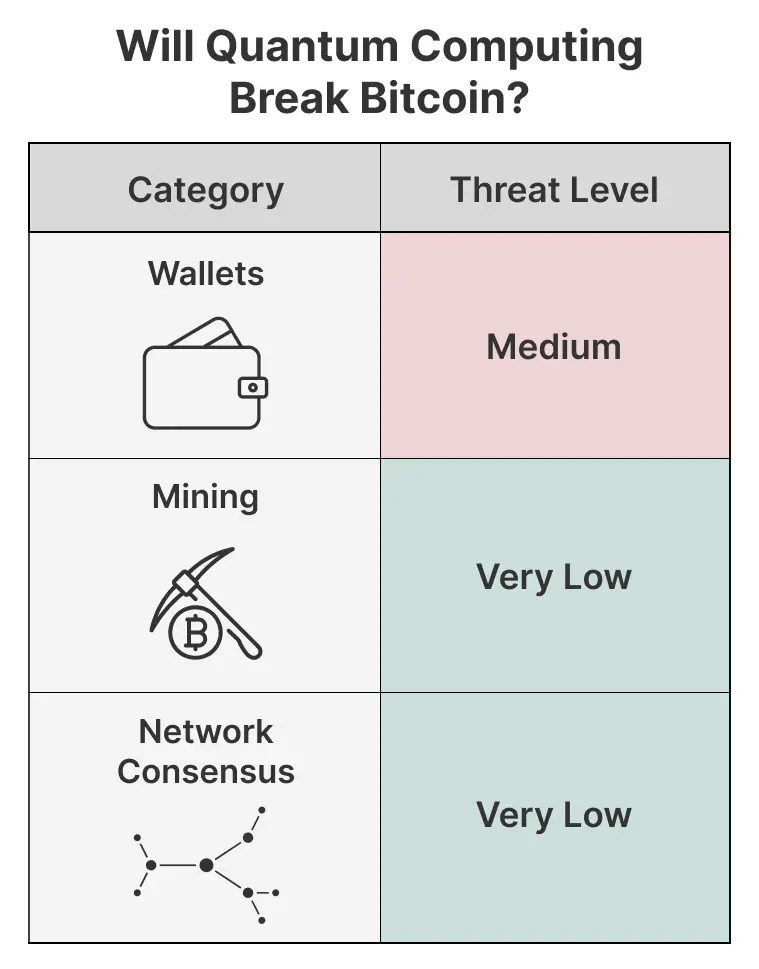

The quantum computing threat to Bitcoin looms large as technological advances challenge the very foundations of cryptocurrency security. As researchers delve deeper, they realize that quantum computers could easily disrupt Bitcoin mining and diminish Bitcoin wallet security, paving the way for unprecedented cryptographic attacks on the network. The potential capabilities of quantum computers raise alarming Bitcoin security risks, particularly with their ability to break traditional encryption methods. Industry experts warn that once quantum computers reach a certain level—often referred to as “Q-day”—they could exploit vulnerabilities in Bitcoin’s cryptographic frameworks, severely compromising user privacy. Therefore, understanding how quantum computing intersects with Bitcoin is crucial for safeguarding the future of digital currencies and protecting assets.
Emerging technologies in quantum computing pose significant challenges not only to Bitcoin but also to the entire cryptocurrency landscape. These advanced machines are theorized to execute computational tasks at speeds unattainable by today’s hardware, raising substantial concerns about the resilience of cryptographic systems that underpin digital wallets and blockchain integrity. The implications for Bitcoin’s operational security are profound, as advancements could lead to increased risk of unauthorized access and efficiency in blockchain mining processes. As discussions surrounding the security of decentralized currencies evolve, it becomes evident that innovative solutions are essential for mitigating the potential dangers posed by quantum advancements. Ultimately, the intersection of quantum technology and virtual currencies necessitates urgent attention to ensure ongoing protection against these looming threats.
Understanding Quantum Computing and Its Impact on Bitcoin Security
Quantum computing has emerged as a groundbreaking technology, capable of processing large amounts of data at unprecedented speeds. This could fundamentally alter the landscape of cybersecurity, particularly in relation to Bitcoin. Traditional cryptocurrencies rely heavily on cryptographic techniques like the Elliptic Curve Digital Signature Algorithm (ECDSA) and SHA-256. If quantum computers harness the ability to execute Shor’s and Grover’s algorithms effectively, they might be able to break these encryption methods, exposing critical vulnerabilities in Bitcoin wallets and overall security framework.
The rise of quantum computing raises significant concerns about Bitcoin security risks, as the ability to quickly uncover private keys could lead to massive thefts and breaches within the network. As such, the traditional methods of securing Bitcoin wallets may become obsolete, requiring urgent attention from developers and the crypto community. With growing awareness of cryptographic attacks on Bitcoin, it becomes imperative for stakeholders to explore post-quantum cryptography solutions for safeguarding digital assets against the looming threats presented by quantum technologies.
The Dual Threat of Quantum Computing to Bitcoin
Experts like David Duong emphasize that quantum computing presents two significant threats to Bitcoin: the potential to undermine the cryptographic integrity of private keys and the enhanced efficiency in Bitcoin mining that quantum computers can offer. If an attacker can breach the cryptographic signature used in Bitcoin transactions, they could gain unauthorized access to user funds, creating chaos within the ecosystem. Furthermore, the power of quantum computers could disrupt the delicate balance among Bitcoin miners, altering the competitive landscape and destabilizing the economic framework of the cryptocurrency.
Additionally, the implications of a 51% attack become more pronounced with the advent of quantum computing. If a single miner or coalition could achieve dominance over the mining power using quantum capabilities, it would allow them to manipulate the blockchain significantly. This scenario highlights the urgency for the Bitcoin community to remain proactive in enhancing security measures and adapting to emerging technologies that threaten the integrity of the cryptocurrency.
The Uncertainty of Quantum Threat and Industry Perspectives
While industry leaders are cautious about the imminent threat of quantum computing, opinions vary widely among experts. Some, like cypherpunk Adam Back, believe that the technological capabilities necessary to pose a real danger to Bitcoin are still decades away, arguing that the timeline for quantum risk is exaggerated. This viewpoint allows for a certain level of complacency within the community, as immediate threats seem distant and manageable.
Conversely, advocates like Charles Edwards argue that the threat from quantum computing is already upon us and that developing countermeasures should be a top priority. As the discourse evolves, it is essential for stakeholders in the Bitcoin ecosystem to regard the potential risks seriously and engage in meaningful conversations around securing Bitcoin wallet security and the overall integrity of the blockchain, ensuring that they are not caught off guard when the quantum era genuinely arrives.
Mitigating Quantum Computing Risks: The Path Forward
To safeguard Bitcoin from the threats posed by quantum computing, the community needs to invest in research and development focused on post-quantum cryptography. Effective measures could include transitioning away from vulnerable cryptographic algorithms and seeking alternatives that are resistant to quantum attacks. As David Duong mentions, signature migration is currently a focal point, which underscores the urgency of preparing for a potential quantum future.
Collaboration among developers, miners, and industry stakeholders will be crucial in fostering an environment ready to tackle these challenges. By maintaining an open dialogue about technological developments and their implications, the community can enhance Bitcoin’s resilience against cryptographic attacks and ensure that Bitcoin continues to thrive in a world increasingly influenced by quantum advancements.
The Role of the Open-Source Community in Quantum Preparedness
The open-source community plays a pivotal role in addressing the challenges posed by quantum computing. With its collaborative nature, it fosters innovation and encourages rapid development of countermeasures against potential threats. Active participation from developers can help accelerate the migration to quantum-resistant algorithms, ensuring Bitcoin wallet security isn’t compromised as technology evolves.
Furthermore, the open-source nature of Bitcoin allows for continuous scrutiny and improvement of the codebase. This vigilance is crucial in light of ongoing developments in quantum computing, assuring that potential cryptographic vulnerabilities are identified and addressed promptly. Engaging the community in discussions about advancements in quantum technology will create a robust framework for securing Bitcoin against future risks.
Balancing Bitcoin Mining and Quantum Advancement
The interaction between Bitcoin mining and the advancing capabilities of quantum computing raises essential questions regarding the balance of power within the blockchain ecosystem. As quantum computers potentially enable miners to process transactions significantly faster than traditional machines, the equilibrium among miners could be disrupted, leading to concerns about centralization and the fairness of the mining process.
Maintaining diversity in Bitcoin mining operations will be crucial to counterbalance the advantages that quantum miners might hold. Strategies may need to be put in place to promote decentralization, ensuring that no single entity gains overwhelming power. By proactively addressing these potential shifts and exploring innovative mining techniques, the Bitcoin community can work towards preserving its foundational principles, even in the face of disruptive technological advancements.
Future Prospects: Quantum Computing and Bitcoin’s Survival
The future of Bitcoin in the face of quantum computing remains uncertain, yet it is critical to prepare for various scenarios. As quantum technology continues to progress, Bitcoin must adapt to ensure its longevity. This could involve updating encryption protocols, implementing new consensus mechanisms, or developing entirely new cryptocurrencies built to withstand quantum attacks.
The survival of Bitcoin will rely heavily on the proactive measures taken today. Engaging in research on quantum-resilient technologies and fostering a constructive dialogue among the crypto community are key actions that could enhance Bitcoin’s security against future threats. By acknowledging the importance of addressing quantum risks now, the community can pave the way for a more secure and robust Bitcoin ecosystem.
The Influence of Regulatory Bodies on Quantum Preparedness
As quantum computing evolves, regulatory bodies may also play a role in shaping Bitcoin’s response to these challenges. Governments and regulatory agencies can provide guidelines and frameworks that encourage the adoption of quantum-resistant technologies. This coordinated approach could help secure the cryptocurrency landscape and enhance investor confidence amid growing concerns about Bitcoin security risks.
Collaboration between the cryptocurrency community and regulators could lead to the development of standards aimed at protecting digital assets against quantum threats. By establishing protocols that ensure Bitcoin wallets and transactions are secure from potential cryptographic attacks, the industry can better navigate the complexities posed by the emergence of quantum computing, ultimately preserving the integrity of Bitcoin in the ever-evolving digital landscape.
Educational Initiatives: Raising Awareness about Quantum Risks
Educating the Bitcoin community about the risks associated with quantum computing is essential for fostering a culture of preparedness. Initiatives aimed at raising awareness can equip miners, developers, and users with the knowledge needed to understand potential threats and the importance of adopting safer practices. Topics such as the impact of quantum computing on Bitcoin mining and wallet security should be at the forefront of discussions.
Moreover, educational programs could facilitate conversations around preventative measures, such as the implementation of post-quantum cryptography. By nurturing an informed community, stakeholders are better positioned to combat the challenges posed by quantum advancements, ensuring Bitcoin remains secure and relevant in an uncertain technological future.
Frequently Asked Questions
What is the quantum computing threat to Bitcoin security?
The quantum computing threat to Bitcoin security lies in its potential to break the cryptographic algorithms that protect user wallets and transactions. Specifically, quantum computers could exploit vulnerabilities in the Elliptic Curve Digital Signature Algorithm (ECDSA), which secures Bitcoin transactions, and can significantly enhance Bitcoin mining efficiency, threatening the overall economic model of the network.
How could quantum computing affect Bitcoin wallet security?
Quantum computing could compromise Bitcoin wallet security by potentially revealing private keys through advanced algorithms, such as Shor’s algorithm. This would allow attackers to steal funds from Bitcoin wallets, highlighting the urgent need for developing post-quantum cryptographic solutions.
Are there specific cryptographic attacks on Bitcoin that quantum computing could enable?
Yes, quantum computing could enable cryptographic attacks on Bitcoin by using algorithms like Shor’s to break ECDSA signatures and Grover’s algorithm to enhance brute-force attacks on keys. This raises concerns about the integrity and security of Bitcoin transactions as quantum technology evolves.
What is the relationship between quantum computers and cryptocurrencies like Bitcoin?
Quantum computers pose a significant threat to cryptocurrencies like Bitcoin by potentially undermining their cryptographic foundations. If quantum computing advances to a functional level, it could break the current encryption methods used in Bitcoin, thus jeopardizing the security of wallets and decentralized transactions.
How do quantum computers threaten Bitcoin mining operations?
Quantum computers threaten Bitcoin mining operations by potentially solving cryptographic puzzles faster than traditional mining hardware. This could disturb the balance among miners and enable a single entity to execute a 51% attack, thus manipulating the blockchain and disrupting the economy of Bitcoin.
Is the quantum computing threat to Bitcoin immediate, or is it a concern for the future?
While many experts, including David Duong, suggest that quantum computing is not an immediate threat due to current technological limitations, the possibility of future advancements means that the Bitcoin community should remain vigilant and proactively work on post-quantum migration strategies.
What steps are being taken to secure Bitcoin against quantum computing threats?
The Bitcoin community is actively exploring post-quantum cryptographic approaches to enhance security against potential quantum computing threats. Open-source initiatives are focusing on transitioning Bitcoin’s cryptographic systems to more robust alternatives that would withstand the capabilities of quantum computers.
What are the opinions on the urgency of the quantum computing threat to Bitcoin?
There is a divide in opinions regarding the urgency of the quantum computing threat to Bitcoin. Some experts believe immediate actions are necessary to secure the network, while skeptics argue that significant breakthroughs in quantum technology are still decades away, making it less of an immediate concern for Bitcoin.
| Key Points |
|---|
| Quantum computing poses a security risk to Bitcoin wallets and its economic framework. |
| Quantum computers could efficiently mine Bitcoin blocks and break existing encryption methods. |
| Shor’s and Grover’s Algorithms could potentially undermine Bitcoin’s cryptographic signatures. |
| Bitcoin’s security relies on ECDSA for transaction signatures and SHA-256 for mining. |
| Quantum computers may compromise private keys and disrupt mining economics. |
| A 51% attack could allow a single miner to control the majority of Bitcoin’s mining power. |
| Current quantum computing technology is not yet capable of breaching Bitcoin’s encryption. |
| There is debate about when the quantum computing threat will materialize, with some calling for vigilance. |
Summary
The quantum computing threat to Bitcoin is a significant concern as it threatens the very security foundations of this cryptocurrency. Advances in quantum technology may one day allow attackers to undermine cryptographic methods that secure Bitcoin transactions and wallets. While current systems are not adequate to breach Bitcoin’s cryptography, the potential for quantum computers to mine Bitcoin blocks more efficiently also raises alarms about economic disruption in the mining landscape. Activists for both sides of the argument exist; some believe immediate action is necessary to secure the network, while skeptics argue that the threat is far in the future. It is critical for the Bitcoin community to stay vigilant and prepare for potential post-quantum migration to safeguard the ecosystem.
Related: More from Bitcoin News | Gold, AI, Tech Stocks Lead as Bitcoin Fades | UBS Slides on US Stocks: Bitcoin’s Fate?