
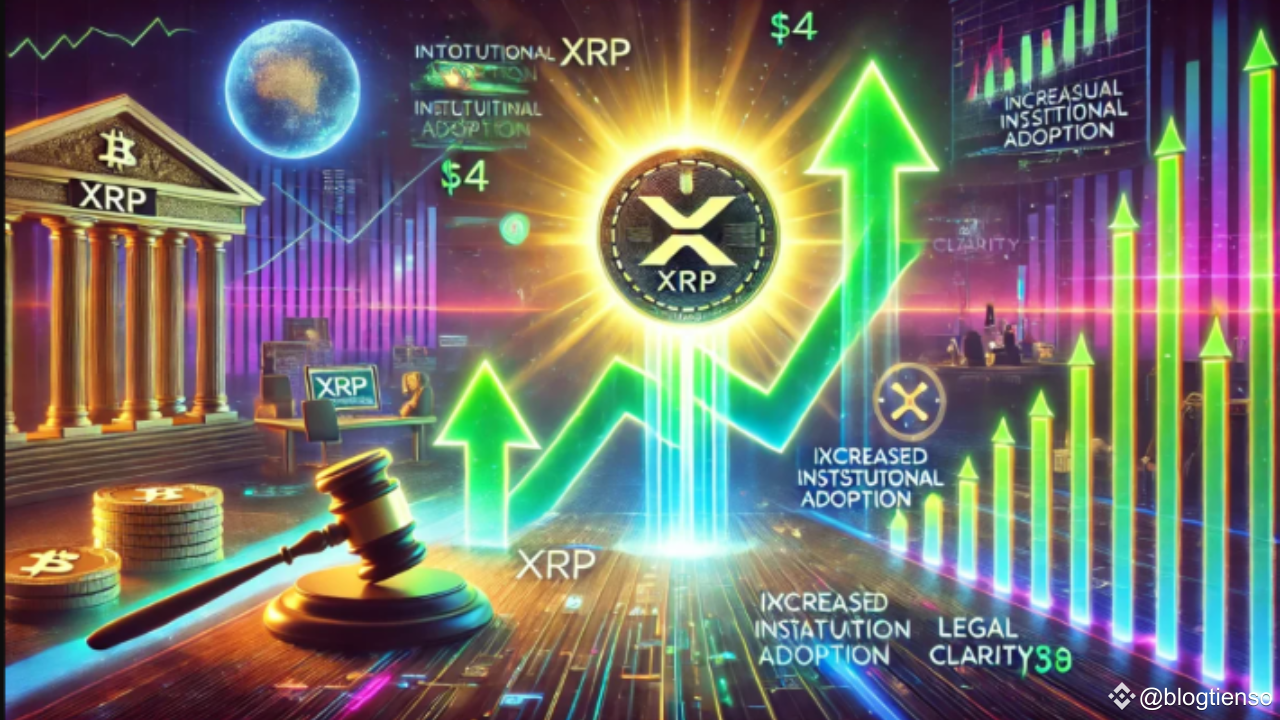

XRP dominance in Japan is becoming increasingly significant as the country prepares to embrace a new era for digital assets. With a recently enacted flat tax rate of 20% on crypto income, Japan is strategically positioning itself as a lucrative market for cryptocurrency and XRP investment opportunities. This reform, aimed at enhancing crypto regulation in Japan, aligns the taxation of crypto gains with that of traditional stock investments, generating a favorable environment for institutional investors. Notably, the Ripple SBI partnership has further solidified XRP’s role and potential within Japan’s financial ecosystem. As the landscape evolves, the future of XRP in Japan looks promising, poised to attract substantial cash inflows and drive innovation in the digital asset sector.
The prominence of XRP in Japan’s cryptocurrency market signifies a transformative shift in how digital currencies are integrated into the financial landscape. As the nation solidifies its regulatory framework around digital currencies, opportunities for XRP investments are set to expand significantly. With a focus on improving the tax environment for investors and enhancing compliance through established crypto regulations, Japan is becoming a breeding ground for innovative financial solutions. In partnership with Ripple, institutions like SBI Holdings are actively driving the adoption of XRP for real-world applications, making it an increasingly vital component of Japan’s economic infrastructure. The evolving nature of crypto assets within Japan’s markets indicates a bright future for XRP, especially amidst growing institutional interest.
Understanding XRP Dominance in Japan
XRP is heralded as a leading cryptocurrency in Japan, garnering attention for its robust market position and substantial cash inflows. The recent strategic moves by Japan’s government, particularly the announcement by Finance Minister Satsuki Katayama, showcases a commitment to integrating digital assets into the mainstream financial system. By aligning crypto regulation with traditional securities, XRP stands to benefit immensely from reduced taxation on crypto investments, encouraging both retail and institutional investors to dive into the market. This dynamic indicates a strong potential for XRP to solidify its dominance and attract a plethora of investment opportunities as the landscape evolves.
As Japan’s economy aims to embrace digital currencies, the impending flat 20% tax rate on crypto profits aligns with the budding interest in XRP. This favorable tax condition not only incentivizes individual and institutional investments but also fosters a more competitive atmosphere among cryptocurrencies. Investors are expected to seize upon XRP as it continues to demonstrate a leading edge in transaction speeds and reliability, further fortified by regulatory support. These developments herald a promising future for XRP within Japan, allowing it to maintain its status as a cryptocurrency leader amidst a rapidly changing financial framework.
Policy Changes Impacting XRP Investment
Recent regulatory changes introduced by Japan’s Financial Services Agency (FSA) reflect a seismic shift towards embracing cryptocurrencies under institutional frameworks. The reclassification of major crypto assets, including XRP, as financial products is integral to this evolution. This new classification mandates stringent disclosure and reporting requirements, mirroring those for traditional financial instruments. Such measures are designed to bolster investor confidence, mitigate risks associated with volatility, and promote transparency, paving the way for institutional players to invest in XRP and other cryptocurrencies.
The regulatory landscape in Japan is meticulously crafted to encourage crypto investment by ensuring that necessary safeguards are in place. The FSA’s efforts to align cryptocurrency trading with established practices used in stock markets not only reflect the growing legitimacy of digital assets but also drive home the message that XRP and others are now recognized as vital components of the financial ecosystem. As institutions begin to recognize the benefits of integrating XRP into their portfolios, investors can expect increased market stability and an influx of capital into the crypto space.
Innovations in Tax Reformation
Tax reforms in Japan hold the key to unlocking the full potential of cryptocurrencies, particularly XRP. By standardizing the tax rate on crypto gains to a flat 20%, Japan ensures that individuals and businesses can engage in crypto investments with clearer financial expectations. This uniformity helps compare tax liabilities across crypto and traditional investments, thereby prompting seasoned investors who have previously shunned crypto assets due to high tax brackets to reconsider their strategies.
With lower capital gains taxes on cryptocurrencies, XRP is expected to see a surge in trading activities, as more high-net-worth individuals and institutional investors look to diversify their portfolios amidst the shrinking tax gap. This reform marks a significant shift – where investment in digital assets becomes not only feasible but financially prudent. The future of XRP in Japan thus appears bright, as favorable tax reforms enhance its attractiveness over time, especially in the rapidly evolving financial landscape.
Stablecoin Initiatives and Their Effect on XRP
Japan is leading the charge in stablecoin innovation, with the introduction of yen-pegged stablecoins like JPYC serving as significant steps towards a holistic crypto framework. These initiatives not only streamline crypto transactions but also enhance the efficiency of payments. As fiat-backed cryptocurrencies gain traction, their integration with XRP and other assets elevates the overall utility of digital currencies. This synergistic relationship bolsters XRP’s role within Japan’s digital economy, allowing it to tap into new transaction pathways and liquidity sources.
Moreover, the regulatory acknowledgment of stablecoins amplifies institutional interest in XRP, reinforcing its position as a reliable medium for remittance and trading. As domestic banks step into the cryptocurrency trading space, firms utilizing XRP for seamless cross-border transactions will find themselves at a competitive advantage. Consequently, the ongoing adoption of stablecoins is anticipated to complement XRP’s use cases, laying the foundation for an enriched investment landscape for all players in the market.
Real-World Use Cases for XRP in Japan’s Markets
XRP’s real-world applications are becoming increasingly evident, particularly through its partnerships such as the one with SBI Holdings. The collaboration has enabled SBI Remit to leverage Ripple’s technology for its remittance services, effectively tapping into new regions beyond just Japan. This practical usage not only illustrates XRP’s capabilities in facilitating fast and cost-effective transactions but also highlights its importance as a liquidity bridge in a landscape often riddled with delays and high fees associated with traditional remittance methods.
As SBI Remit expands its use of XRP across various corridors, the cryptocurrency’s role in enhancing cross-border trading and remittance solutions is firmly established. The implications are profound, suggesting that the integration of XRP will encourage more firms to adopt similar solutions in Japan’s remittance market. Enhanced utilization paves the way for institutional confidence in investing in XRP and utilizing it for real-world transactions, underscoring its practicality and potential for growth within Japan.
The Future of XRP Within Japan’s Crypto Landscape
The outlook for XRP in Japan remains optimistic as the country’s regulatory environment continues to evolve favorably. Recent proposals surrounding exchange-traded funds (ETFs) and stablecoins represent potential milestones for the expansion of XRP’s prevalence. Should the SEC and other regulatory bodies approve such financial products, it would open up additional channels for investment, further solidifying XRP’s familiar standing.
As Japan sets the stage for a digital transformation in its financial sector, XRP’s established infrastructure positions it to capitalize on these sweeping changes. With institutional interest peaking and the liquidity of XRP well-established, upcoming regulations and initiatives are likely to further enhance its market presence. Investors should closely monitor these developments, as XRP could very well emerge as a cornerstone in Japan’s futuristic approach to cryptocurrency and digital finance.
Ripple and SBI’s Partnership: A Game-Changer for XRP
The partnership between Ripple and SBI Holdings is a cornerstone for the growth and adoption of XRP in Japan. By facilitating cross-border payments and offering innovative remittance solutions, this collaboration signifies how strategically important Ripple’s technology is for modern financial transactions. As the two entities enhance their services, it creates an ecosystem where XRP plays a vital role, helping to position it strongly in global markets.
With this partnership, the utilization of XRP in regional remittances across multiple countries suggests a shift towards greater acceptance of digital currencies in everyday transactions. As SBI Roadmap unfolds to incorporate XRP further, it will likely attract more users and investors who see practical applications for their assets. Thus, the Ripple and SBI partnership exemplifies how collaborative innovation can propel XRP to new heights, potentially rewriting the narrative for digital currencies in Japan.
The Ripple Effect of Regulation on XRP’s Market Behavior
The recent regulatory changes in Japan, especially regarding crypto assets, have profound implications for XRP’s market behavior. By categorizing cryptocurrencies such as XRP under the Financial Instruments and Exchange Act, the FSA is not only legitimizing these assets but also paving the way for institutional investors who were previously hesitant due to regulatory uncertainty. This comprehensive regulatory framework places XRP in a prime position to attract significant investment, as institutional players increasingly look to diversify their portfolios in response to shifting market dynamics.
Investors can expect to see a ripple effect stemming from this regulatory clarity. As XRP gains traction among institutional investors and financial institutions, its market liquidity and transactional efficiency are anticipated to improve. The symmetry between crypto regulation in Japan and traditional financial products is creating a fertile ground for long-term growth, suggesting robust demand for XRP as a vehicle for both investment and practical monetary use in digital transactions as these regulatory benefits take shape.
XRP Investment Opportunities on the Rise
With Japan embracing a new regulatory approach to cryptocurrency, investment opportunities in XRP are on the rise. As the country continues to welcome digital assets into its financial mainstream, savvy investors are seizing upon the potential for lucrative returns. The lowered tax rates on crypto gains create a more favorable investment landscape, encouraging individuals and businesses alike to explore XRP as a viable avenue for diversifying their portfolios.
An influx of both retail and institutional capital is expected to flow into XRP as more investors look for secure and innovative financial products. Given its dominant position in Japan’s cryptocurrency market, XRP is exceptionally well-positioned to cater to these new investment trends. The combination of regulatory support and market demand suggests that XRP could turn into not just a trading asset, but a foundational component in a well-rounded investment strategy moving forward.
Frequently Asked Questions
What is XRP’s dominance in Japan and how does it affect crypto investment opportunities?
XRP is currently the leading cryptocurrency in Japan, dominating cash inflows with an on-ramp volume of approximately $21.7 billion in JPY. This dominance enhances XRP investment opportunities by positioning it favorably for institutional interest, especially following recent regulatory changes like a reduced 20% tax rate on eligible crypto income, aligning it with traditional stock investment taxation.
How will the new Japan XRP tax rate impact the future of XRP in Japan?
The new 20% tax rate on cryptocurrencies is expected to significantly boost XRP’s future in Japan by attracting high net-worth individuals and institutional investors who find the lower tax burden conducive to trading and holding crypto assets. This reform aims to stimulate more seamless investment flows into XRP as Japan embraces digital assets.
What role does the Ripple SBI partnership play in XRP’s dominance in Japan?
The Ripple and SBI Holdings partnership strengthens XRP’s dominance in Japan by facilitating real-world applications. SBI Remit’s use of Ripple’s technology for remittances creates broader XRP-based transfer corridors, thereby reinforcing XRP’s utility in financial transactions and promoting its adoption in the region.
How does crypto regulation in Japan support XRP’s continued growth?
Japan’s proactive crypto regulation, including the reclassification of major cryptoassets as financial products, supports XRP’s growth by promoting transparency and investor protection. These regulatory measures are designed to streamline institutional entry into the crypto market, providing a structured environment for XRP and enhancing its appeal as an investment.
What are the prospects for XRP’s future in Japan with the evolving digital asset landscape?
XRP’s future in Japan looks promising, especially as the country focuses on integrating digital assets into traditional finance systems. With ongoing reforms, the potential approval of ETFs like the proposed dual-asset Bitcoin-XRP ETF, and increased emphasis on stablecoins, XRP is positioned to become a key player in Japan’s evolving crypto landscape.
| Key Points | Details |
|---|---|
| XRP Dominance in Cash Inflows | XRP accounts for approximately $21.7 billion in cash inflows in Japan. |
| Tax Reformation | A new flat 20% tax on crypto income is being implemented, down from up to 55%. |
| Regulatory Developments | Japan’s FSA is reclassifying crypto as financial products to enhance transparency and attract investors. |
| Stablecoin Initiatives | Regulated yen-pegged stablecoins, such as JPYC, are being introduced to improve payment solutions. |
| Partnerships Reinforcing Use Cases | Ripple partners with SBI Holdings to enhance XRP’s utility in financial transactions. |
| Future of XRP in Japan | XRP’s future will depend on ETF approvals and the acceptance of stablecoins to maintain its market position. |
Summary
XRP dominance in Japan is currently being solidified by a significant reduction in tax rates and regulatory support for cryptoassets. With the 20% tax rate on eligible crypto income making trading more attractive, and the FSA’s efforts to classify crypto as financial products, XRP is well-positioned to benefit from Japan’s evolving digital asset landscape. This combination of favorable policies, coupled with partnerships that enhance the real-world usability of XRP, underlines its pivotal role within Japan’s financial ecosystem as it embraces cryptocurrency integration.
Related: More from Altcoin News | Solana ETF Gains, DEX Usage Up, Fees Higher: Is SOL Undervalued? | SBI Offers XRP for $3Y Bond Sale