
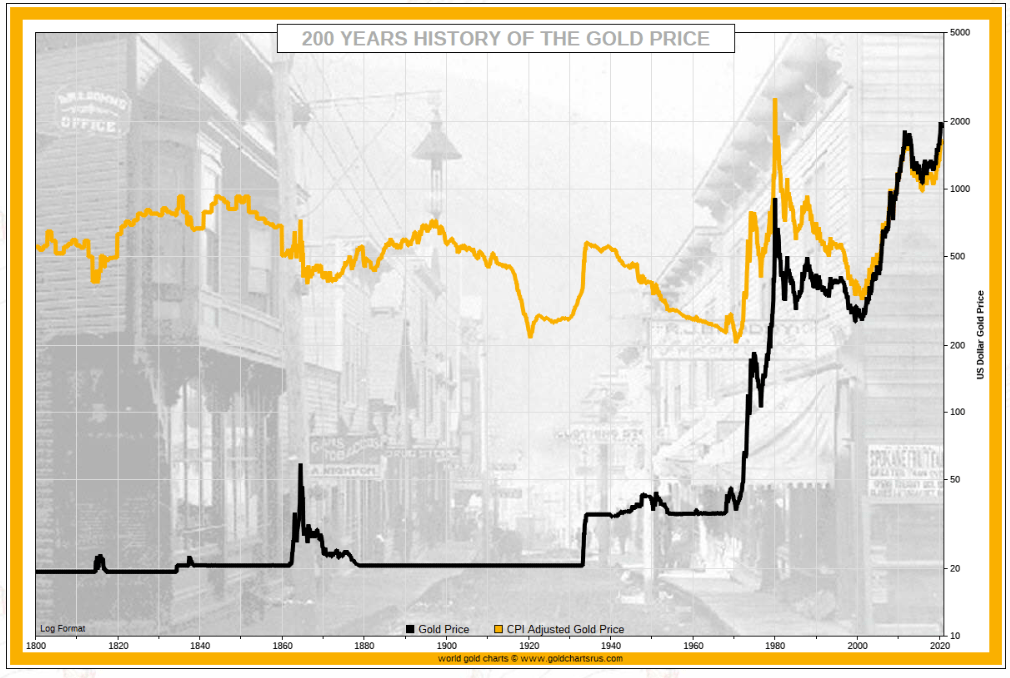

Gold prices have taken center stage in financial markets as they remain heavily influenced by various economic and geopolitical factors. Currently, the fluctuations in gold prices are fueled by ongoing geopolitical tensions and a mix of weak data from the U.S. economy. Analysts suggest that investor sentiment towards gold is buoyed by the potential uncertainties surrounding interest rate cuts and inflation concerns. Given these dynamics, monitoring current gold prices is essential for both traders and investors seeking to understand market trends. Furthermore, gold price analysis reveals how external events can significantly impact gold price trends, making it a critical asset in times of crisis.
The valuation of this precious metal, often viewed as a safe-haven asset, is increasingly pertinent for economic observers. As fluctuations continue, enthusiasts and investors alike are drawn to the narratives surrounding the value of bullion and its reactions to market volatility. The interplay between global events and the allure of gold creates an intriguing environment for price speculation, as rates shift alongside investor confidence. Additionally, the influence of economic data releases plays a pivotal role, bringing into focus the delicate balance between risk and reward in the gold market. Understanding the nuances behind these movements can provide valuable insights into the future direction of gold’s market performance.
Understanding Current Gold Prices and Their Trends
Current gold prices serve as a key indicator not just for investors but also for the overall economic health. As of now, gold is being heavily influenced by various factors including geopolitical tensions, inflation rates, and changes in monetary policy. Analysts closely watch these dynamics as they track the movement of gold prices, given that gold has historically been a safe haven asset during times of uncertainty. When global tensions rise, investors often flock to gold, driving up its value, which leads to fluctuations in the market.
Moreover, gold price trends are also significantly affected by economic data releases, such as the U.S. non-farm payroll report. A strong jobs report can suggest a robust economy, potentially leading to higher interest rates which typically depress gold prices. Conversely, weak employment figures tend to bolster gold prices as they imply economic fragility. Hence, keeping an eye on gold price analysis is crucial for any investor looking to navigate this volatile commodity market.
Factors Impacting Gold Prices in 2023
Several factors play a crucial role in determining gold prices, with geopolitical tensions being at the forefront of these influences. Events such as trade conflicts, military confrontations, or shifts in global leadership can lead to increased demand for gold as a protective asset. Investors often seek refuge in gold during these unstable times, thus driving up its price. In 2023, the lingering effects of various international disputes have continued to support a bullish trend in gold prices.
In addition to geopolitical factors, economic indicators like inflation and interest rates significantly sway the gold market. For instance, an expectation of rising inflation boosts gold’s appeal as a hedge, causing prices to rise. Conversely, increased interest rates can diminish gold’s attractiveness, leading some investors to shift away from this precious metal. Therefore, analyzing how these elements interact is vital for understanding the broader landscape of gold prices.
Gold Price Analysis: Insights and Predictions
Gold price analysis is essential for investors looking to make informed decisions in the market. By examining historical data, price trends, and current economic indicators, analysts can forecast potential future movements in gold prices. In 2023, ongoing geopolitical tensions alongside weak U.S. data provide a mixed backdrop for gold investments. Experts believe that if the upcoming economic data reveals robust growth, we might see a pullback in gold prices, as this could lead traders to anticipate interest rate hikes.
Moreover, ongoing geopolitical uncertainties may continue to keep gold prices buoyant. For instance, if the U.S. Supreme Court’s decisions regarding tariff policies lead to stifled economic growth or if tariffs remain unchanged, gold’s upward trend could persist. Thus, employing thorough gold price analysis enables investors to discern patterns and prepare for potential shifts, securing their investments during turbulent market conditions.
Geopolitical Tensions and Gold Prices
Geopolitical tensions have a profound effect on gold prices, often resulting in significant increases during times of crisis. As countries experience turmoil, whether through wars, trade disputes, or political upheavals, investors seek the safety of gold, reinforcing its status as a safe-haven asset. In recent times, ongoing diplomatic tensions involving major economies have created a precarious environment for financial markets, directly boosting demand for gold and consequently driving its prices up.
In addition to immediate crises, long-standing geopolitical issues can keep an undercurrent of demand for gold. Investors are vigilant about potential future conflicts, leading to a mindset that favors gold accumulation. As such, it is critical to monitor news related to international relations, as this can provide insights into future gold price movements. Understanding these dynamics can empower investors to take calculated risks, especially in times of heightened uncertainty.
The Role of U.S. Economic Data in Gold Price Fluctuations
U.S. economic data significantly influences gold prices, with critical reports like the non-farm payroll data providing insights into the health of the U.S. economy. A robust payroll report tends to suggest stronger economic conditions, which may lead to expectations for higher interest rates, subsequently exerting downward pressure on gold prices. On the flip side, weaker data can prompt traders to increase their gold holdings in anticipation of continued low rates, which supports buying and can drive prices higher.
Furthermore, the March 2023 non-farm payroll report is particularly noteworthy amidst discussions of potential interest rate cuts by the Federal Reserve. If the report reflects disappointing employment figures, the subsequent uncertainty can bolster investor sentiment towards gold, resulting in upward pressure on its price. Thus, remaining attuned to U.S. economic releases is essential for making strategic decisions in the gold market.
The Impact of Tariff Policies on Gold Prices
Tariff policies, particularly those proposed by the U.S. government under previous administrations, have significant implications for gold prices. These tariffs can lead to increased costs for imported goods and subsequently raise inflationary pressures in the economy. If the U.S. Supreme Court were to rule against Trump’s tariff policies, it might ease inflation fears, creating a scenario where gold prices could decline as confidence in the economy grows.
Conversely, if tariffs remain intact, the ongoing risk of stagflation could support gold prices as investors seek refuge from economic uncertainty. Thus, understanding the connection between tariffs and economic conditions offers valuable insight for those tracking gold price trends. Traders must keep an eye on policy changes and rulings, as these could signal shifts in market sentiment that directly impact gold prices.
Navigating Gold Price Trends in Uncertain Markets
Navigating gold price trends in today’s uncertain markets requires both knowledge and responsiveness to changing conditions. Investors should stay alert to various signals such as geopolitical developments, economic indicators, and central bank decisions. In volatile economic climates, where gold often shines as a stabilizing asset, discerning patterns in gold price movements can provide substantial opportunities for profit.
As geopolitical tensions remain elevated, coupled with mixed economic data, the propensity for significant gold price fluctuations increases. Savvy investors take the time to analyze and interpret these influences, staying ahead of potential market rallies or setbacks. By focusing on trends and being adaptable to changes within the economic landscape, they can make informed decisions on when to enter or exit positions in gold.
The Future Outlook for Gold Prices Amid Global Changes
The future outlook for gold prices is closely tied to global economic changes and geopolitical events. With central banks’ ongoing responses to inflation combined with shifts in fiscal policies, gold is positioned to remain a pivotal investment choice. As governments navigate through recovery efforts post-pandemic, the dynamics surrounding gold prices will inevitably shift, influenced by policy decisions and economic health indicators.
Furthermore, as international tensions evolve, so will the landscape for gold as a safe-haven asset. Investors should keep a keen eye on emerging trends and be prepared to adapt their strategies accordingly. The ability to forecast these changes with insights from economic data and geopolitical developments will be crucial in capitalizing on gold price movements in the coming years.
Frequently Asked Questions
What are the current gold prices and how do they fluctuate?
Current gold prices reflect a dynamic market influenced by various factors. Prices change frequently due to market demand, geopolitical tensions, and economic data releases. Keeping an eye on these factors can help you understand fluctuations in the gold market.
What factors are impacting gold prices today?
Gold prices are impacted by several key factors, including geopolitical tensions, weak economic data from the U.S., and investor sentiment. As analysts predict, ongoing geopolitical events can lead to fluctuations in price, with recent reports indicating support for gold amid uncertainty.
How can I analyze gold price trends effectively?
To analyze gold price trends effectively, consider monitoring historical price data, following expert analyses, and keeping abreast of economic indicators such as non-farm payroll reports. Understanding these trends allows investors to make informed decisions regarding gold investments.
What role do geopolitical tensions play in gold prices?
Geopolitical tensions often lead to increased gold prices as investors seek a safe haven for their assets during uncertain times. Ongoing conflicts or trade disputes can significantly influence market sentiment and drive demand for gold, pushing prices upward.
How do upcoming economic reports affect current gold prices?
Upcoming economic reports, especially from the U.S., can heavily influence current gold prices. For instance, strong economic data may lead to a decline in gold prices as expectations for interest rate hikes increase. Conversely, weak data could reinforce the upward trend in gold.
| Key Points |
|---|
| Current gold prices are supported by geopolitical tensions and weak U.S. economic data. |
| Bullish momentum for gold prices remains strong despite potential challenges from upcoming U.S. economic data. |
| The U.S. non-farm payroll report could impact gold prices significantly depending on its strength – strong data may lead to a pullback. |
| Weak economic data will likely maintain or boost gold prices. |
| The U.S. Supreme Court’s ruling on tariffs could also affect gold prices; an overturning of tariffs might reduce stagflation risks and lower gold prices. |
| If tariffs remain unchanged, gold prices may experience steady growth without significant fluctuations. |
Summary
Gold prices are significantly influenced by various economic indicators and geopolitical decisions. As geopolitical tensions persist and U.S. data point towards weakness, gold prices are positioned to remain buoyant. The upcoming non-farm payroll report is critical; strong results could trigger a sharp decline in gold prices, while weak results would likely support price increases. Meanwhile, shifts in U.S. tariff policies can also play a pivotal role, either bolstering or undermining the current gold price momentum. Thus, investors should closely monitor these developments to anticipate changes in the gold market.
Related: More from Market Analysis | Figure Shares Drop After Mixed Q4 Results as Crypto Loan Volume Grows | Barclays Looks at Blockchain for Payments, Deposits