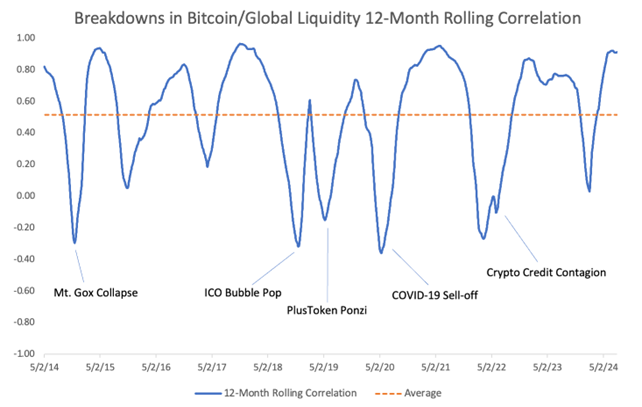

In the ever-evolving landscape of finance, Bitcoin now grapples with the unsettling phenomenon of a “liquidity drain” as Japan’s 30-year government bond yield ascends to unprecedented heights. With global interest rates climbing, particularly influenced by shifts in the Japanese market, the implications for the cryptocurrency sector are profound. Observers note that rising yields, particularly in pivotal economies like Japan, can indirectly amplify pressures on Bitcoin, affecting its status as a liquid asset. Coupled with tightening monetary conditions and fluctuating Japanese bond yields, the cryptocurrency market trends are poised for turbulence, influencing everything from investor strategy to overall market health. As the interplay between Bitcoin and rising interest rates unfolds, it highlights the intricate connections among global financial systems, where liquidity is king.
As Bitcoin navigates the complexities of a tightening financial environment, it finds itself deeply intertwined with diverse global monetary dynamics. The term “liquidity crisis” aptly describes the challenges posed by increasing sovereign yields, especially in the context of Japanese financial markets. Investors are now wary of how rising Japanese bond yields can trigger broad impacts across cryptocurrency valuations, underscoring the need for vigilance in monitoring fiscal health. With discussions swirling around debt sustainability and potential fiscal adjustments, Bitcoin’s role as a hedge or alternative asset becomes even more critical. In this evolving scenario, cryptocurrency enthusiasts and stakeholders must remain alert to how these macroeconomic factors will influence trading behavior and future market developments.
Understanding Bitcoin Liquidity Drain Amid Rising Japanese Yields
The recent surge in Japan’s 30-year government bond yield to 3.5% signals more than just a shift in local financial markets; it highlights a significant potential liquidity drain affecting Bitcoin. For decades, Japan’s low yields created an environment where global investors turned to Japanese government bonds as a safe harbor for liquidity. However, with rising rates, that safety net is starting to unravel, prompting market participants to reassess their exposure to risk assets like Bitcoin. This liquidity drain, driven by rising yields, is a crucial factor that could hinder Bitcoin’s growth as investors may feel compelled to sell off their crypto holdings to cover losses in other areas or reallocate funds back into safer assets.
As the structural term premium increases within Japan, Bitcoin faces more direct challenges from declining liquidity. The mechanics of how rising Japanese yields impact Bitcoin trading revolve around how and when long-term interest rates increase investor risk aversion. Historical trends show that as yield on safer assets rises, the attractiveness of riskier investments, including cryptocurrencies, diminishes. Therefore, traders need to be aware that liquidity fetches have lasting repercussions on Bitcoin’s market dynamics, as they could trigger further price declines if market liquidity continues to dry up.
The Ripple Effect of Japanese Bond Market Changes on Bitcoin
The interconnectedness of global financial markets means that changes in Japan’s bond yields can have far-reaching effects on Bitcoin and other cryptocurrencies. Japan has historically been a cornerstone for global liquidity; when Japanese yields rise, it can lead to a recalibration of risk assumptions across various asset classes. This ripple effect originates particularly from the unwinding of yen financing strategies, where market players have borrowed cheaply to invest in higher-yielding assets. As Japanese bond returns become more competitive, market sentiment shifts, and Bitcoin could be caught in the crossfire, facing both selling pressure and diminished investor enthusiasm.
Furthermore, as Japanese yields rise, it places additional strain on global liquidity conditions. Countries with heavy exposure to Japanese investments may experience tightening monetary paths, which can ultimately lead to adverse effects on the cryptocurrency market. Amidst these changing dynamics, Bitcoin’s status as a liquid global risk asset means that it must contend with the broader economic ramifications of Japan’s evolving bond landscape. Traders observing these shifts should also be keenly aware of the impact on market volatility and risk appetite among investors, as they might influence Bitcoin’s price movements substantially.
Bitcoin and Interest Rates: What Investors Need to Know About the Economic Landscape from Japan and Beyond
Impact of Japanese Economic Policies on Global Cryptocurrency Trends
Japan’s recent monetary policy decisions can significantly shape the broader trends in the cryptocurrency market. Increased interest rates and rising bond yields indicate a shift from the long-standing culture of low-cost borrowing that has underpinned much of the capitalist machinery not only in Japan but globally. As the Bank of Japan instigates these changes, global markets will likely respond to increased volatility and a reassessment of the financial landscape. Bitcoin, as one of the more volatile assets, mirrors these shifts, displaying a marked sensitivity to changes in overall liquidity and fiscal sentiment.
Looking ahead, cryptocurrencies, especially Bitcoin, may find themselves under heightened scrutiny as market players recalibrate their expectations based on Japan’s economic trajectory. The rising interest rates could deter speculative investment in Bitcoin, knocking it back to lower price levels as investors gravitate towards safer, yield-generating investments. The correlation between rising bond yields and the prevailing macroeconomic sentiment will dictate the overall market trend for Bitcoin, making it imperative for investors to keep a close watch on index movements stemming from Japanese financial policies.
Understanding the Yen Funding Channel and its Effects on Bitcoin
The yen has been pivotal in the carry trade, where investors have pursued better yields by borrowing cheaper funds in yen to invest in riskier assets like Bitcoin. However, with rising Japanese yields, the cost of leveraging yen is becoming more daunting. As borrowing expenses begin to outstrip the advantages of high-risk investments, margins tighten and liquidity conditions can become strained. Traders should take particular note of how unwinding of these strategic trades can create sudden volatility in Bitcoin’s market, as any significant movements in global liquidity can lead to mass sell-offs across various asset classes, including cryptocurrencies.
This phenomenon showcases how interconnected current financial systems are, with Bitcoin positioned to be highly reactive to the practicality of yen financing. Market participants who utilized the yen for funding to amplify their investments in Bitcoin may swiftly become unwound, further contributing to downward pressures on Bitcoin prices. Maintaining a pulse on yen performance against other currencies will thus be vital for investors as fluctuations in the financing landscape can yield substantial ripple effects within the cryptocurrency ecosystem.
Navigating Bitcoin Dynamics in the Context of Japan’s Fiscal Changes
Japan’s evolving fiscal environment poses nuanced challenges and opportunities for Bitcoin investors. As the Bank of Japan adjusts its policies and tightens monetary conditions, the potential for rising bond yields translates into conversation about fiscal sustainability and long-term value not only in government bonds but also in alternative assets like Bitcoin. Investors might find themselves more drawn to Bitcoin as a hedge against potential erosion in fiat currency value; however, this speculative behavior can also bring about increased volatility, especially as traditional security assets face headwinds.
Moreover, discussions around fiscal integrity, especially as Japan faces increased debt servicing burdens, may intensify interest in Bitcoin as a counter-economic asset. Appetite for Bitcoin could grow among those who begin viewing traditional national debt as increasingly risky, effectively positioning Bitcoin within the context of innovative, ultimate value storage. Investors must anticipate how shifts in the fiscal landscape influence Bitcoin’s narrative as either a risk asset or as an emerging store of value amidst growing skepticism of traditional financial safeguards.
Global Market Impact of Japanese Economic Adjustments on Bitcoin Prices
The effects of Japan’s rising bond yields extend beyond its borders, casting a shadow on global financial market dynamics, including those of cryptocurrencies like Bitcoin. As financial conditions tighten worldwide, investors are faced with greater scrutiny of their risk allocations, leading to potential increases in Bitcoin sell-offs to maintain balance across their portfolios. The corresponding negative impact of rising bond yields on asset valuations can lead to a shift in investor behavior towards more liquid forms of assets, possibly amplifying volatility in Bitcoin prices.
It is critical for traders to monitor how Japan’s financial policies influence other economies and how these changes resonate with international cryptocurrency markets. The degree to which Bitcoin responds to these changes may vary considerably; hence, maintaining a proactive stance and staying informed about geopolitical economic developments can steer investment decisions. Those invested in cryptocurrencies should consider both short-term reactions and long-standing trends resulting from Japan’s economic adjustments.
Monitoring Key Variables in Bitcoin’s Liquidity Perspective
To effectively gauge Bitcoin’s positioning during this time of potential liquidity drain caused by Japan’s yield adjustments, monitoring key variables becomes vital. Essential indicators include the strength of the Japanese yen, the performance of long-end yields, and the cross-border securities flows, which can offer insights into capital movements that affect Bitcoin’s market dynamics. Rapid shifts in these variables may hint at looming liquidity issues that could create vulnerabilities in Bitcoin’s valuation.
Monitoring these factors equips fiat traders with tools necessary for anticipating price shifts in Bitcoin as growing jitters about economic stability can mobilize risk appetite within the cryptocurrency market. Investors that remain vigilant about these signals, especially in conjunction with broader economic narratives, may navigate the turbulent waters of Bitcoin trading more adeptly and protect their portfolios against unfettered volatility.
The Interplay Between Bitcoin and Japanese Fiscal Trust Issues
As the landscape of Japanese government yields evolves, resulting fiscal trust issues significantly impact Bitcoin’s performance and appeal. Japanese investors grappling with increasing debt levels and concerns about debt sustainability may seek refuge in non-traditional assets, like Bitcoin, which can be perceived as a hedge against deteriorating financial trust in government institutions. As discussions surrounding trust in sovereign debt rise, there exists both an opportunity and challenge for Bitcoin to position itself as a safer alternative for value preservation amid economic uncertainty.
However, the timing and investor sentiment surrounding these dynamics are crucial. While there may be an inclination towards Bitcoin as a store of value, short-term market movements may initially exhibit disorder as traditional assets respond to fiscal anxiety. The challenge lies in aligning Bitcoin’s potential as a safe haven amidst rising concerns against the immediate pressures of liquidity constraints, which could affect its market perception as a reliable asset.
Concluding Thoughts on Bitcoin in Relation to Japan’s Changing Financial Landscape
Understanding the nuanced interplay between Japan’s financial system dynamics and Bitcoin’s position in the global market is essential for stakeholders across the cryptocurrency arena. Observing the implications of rising long-end yields highlights the thinner line Bitcoin walks in attracting investment amidst tightening liquidity conditions. The importance of these shifts cannot be overstated, as they carry the potential to reshape risk perceptions and investment strategies within the crypto space significantly.
Ultimately, Bitcoin is not merely an isolated asset; it is intricately woven into the fabric of the global economic landscape. As participants in the cryptocurrency market navigate this terrain marked by rising interest rates and the evolving role of Japanese bonds, awareness of the global liquidity effects becomes paramount. Staying informed and adaptable to these financial adjustments will offer Bitcoin investors the greatest chance at sustained value creation.
Frequently Asked Questions
How does Bitcoin liquidity drain relate to Japan’s 30-year bond yields?
The liquidity drain in Bitcoin is intricately linked to Japan’s 30-year bond yields as rising yields typically indicate tightening financial conditions. This impacts Bitcoin by reducing the available liquidity that traders use for buying and selling, as borrowing costs increase and investors may shift focus away from risk assets like Bitcoin.
What impact does the Bank of Japan’s interest rate policy have on Bitcoin liquidity?
The Bank of Japan’s decision to raise interest rates affects Bitcoin liquidity by increasing the cost of borrowing yen, which has historically been used to fund Bitcoin purchases. As borrowing becomes more expensive, the demand for Bitcoin may decline, leading to a liquidity drain in the crypto markets.
Can the rising Japanese bond yields signal a liquidity drain for Bitcoin and cryptocurrencies?
Yes, rising Japanese bond yields can signal a liquidity drain for Bitcoin as they reflect broader changes in global financial conditions. Higher yields can tighten access to capital, forcing investors to liquidate riskier assets, including Bitcoin, to cover increasing costs.
How do global liquidity effects from Japan’s monetary policy influence Bitcoin markets?
Global liquidity effects from Japan’s monetary policy play a critical role in influencing Bitcoin markets. As Japan reduces liquidity by allowing bond yields to rise, it can lead to capital flight from riskier assets like Bitcoin as investors seek safer, more stable investments.
What role do cryptocurrency market trends play in Bitcoin liquidity drain in relation to Japan’s bond yields?
Cryptocurrency market trends are significantly influenced by traditional markets. As Japan’s bond yields rise, the resulting liquidity drain can create a bearish trend for Bitcoin, as traders react to changes in the risk appetite driven by broader economic conditions.
What is the relationship between Japanese bond yields and Bitcoin’s role as a store of value?
Japanese bond yields can affect perceptions of Bitcoin as a store of value. If rising yields lead to increased confidence in traditional assets, Bitcoin may see reduced demand as an alternative store of value, contributing to potential liquidity issues.
How do interest rates in Japan intersect with Bitcoin’s liquidity and value?
Interest rates in Japan directly intersect with Bitcoin’s liquidity and value by influencing borrowing costs and investor behavior. Higher interest rates can result in less liquidity for Bitcoin, as investors may choose to allocate their funds elsewhere in search of better yields.
What signals should investors watch to gauge Bitcoin liquidity in light of Japan’s economic changes?
Investors should monitor Japan’s 30-year bond yields, the strength of the yen, and trends in capital flows related to Japanese investments. Changes in these areas can indicate shifting liquidity conditions that directly impact Bitcoin and its market dynamics.
Are there specific scenarios that can exacerbate Bitcoin liquidity drain due to Japanese economic policies?
Yes, scenarios including rapid spikes in Japanese bond yields or aggressive tightening by the Bank of Japan can exacerbate Bitcoin liquidity drain, causing immediate impact on prices and forcing traders to sell off their positions in response to increasing costs.
How can understanding Japan’s liquidity reforms help investors navigate Bitcoin’s value fluctuations?
Understanding Japan’s liquidity reforms can help investors anticipate Bitcoin’s value fluctuations. By recognizing the interconnectedness of bond yields, interest rate policies, and Bitcoin’s market dynamics, investors can better manage risk and make informed trading decisions.
| Key Point | Details |
|---|---|
| Japan’s 30-Year Yield | Surged to approximately 3.5%, a historic high, indicating a shift in global liquidity dynamics. |
| Impact on Bitcoin Liquidity | As Japan allows rates to rise, it signals reduced liquidity, adversely affecting Bitcoin’s market stability. |
| Yen Funding Channel | Rising yields may lead to deleveraging, affecting Bitcoin as it is often sold during risk reduction. |
| Term Premium Influence | Higher Japanese yields influence global term premiums, tightening financial conditions, which can pressure Bitcoin. |
| Fiscal Trust Growth | Concerns over Japan’s fiscal sustainability could prompt some investors to consider Bitcoin as an alternative. |
| Monitoring Indicators | Key indicators: USD/JPY, Japan’s long-end yield, and securities flows are crucial for understanding market conditions. |
Summary
The Bitcoin liquidity drain is becoming increasingly pronounced as Japan’s 30-year yield breaks historic records. With the Bank of Japan’s shift away from a zero-rate environment and tightening monetary policy, Bitcoin faces significant challenges in terms of market liquidity and risk. Investors must remain vigilant of global trends stemming from Japan’s fiscal strategies, as they are intricately connected to Bitcoin’s performance.
Related: More from Bitcoin News | Gold, AI, Tech Stocks Lead as Bitcoin Fades | UBS Slides on US Stocks: Bitcoin’s Fate?