

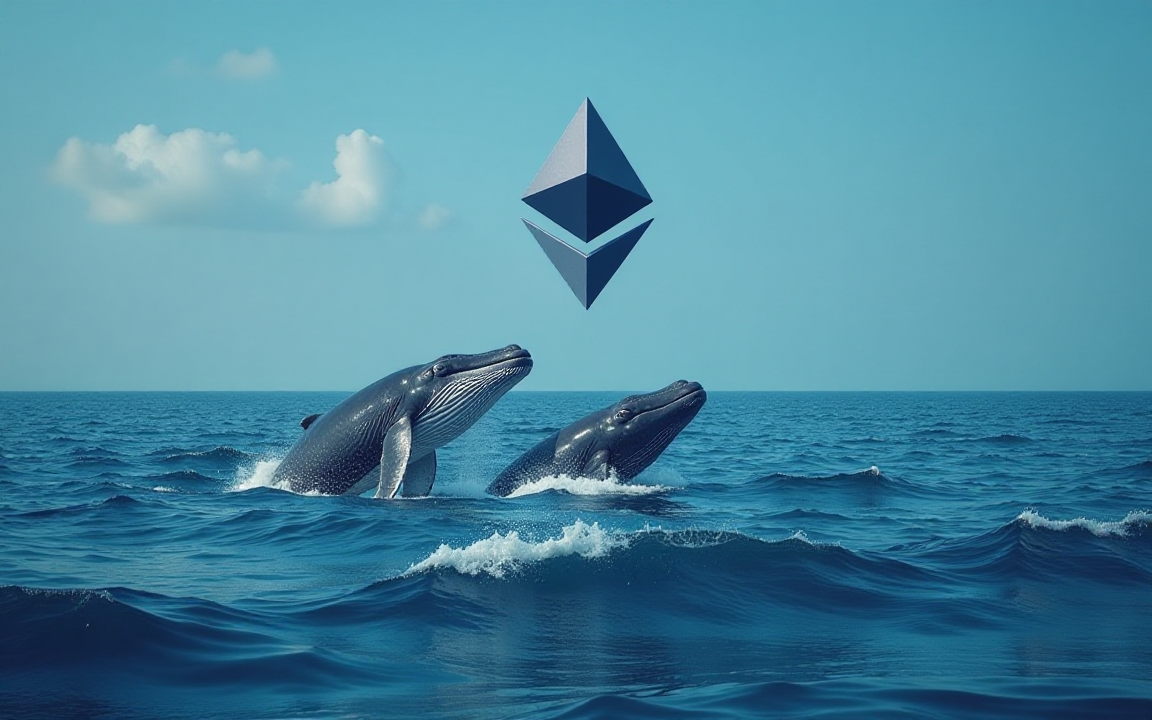

In the ever-evolving world of cryptocurrency, the recent ETH whale staking loss has made headlines as a significant event for investors and analysts alike. A particular whale, holding 33,499 ETH valued at approximately 106.17 million USD, has fallen into the red with an unrealized loss of 7.36 million USD. This scenario not only highlights the risks associated with whale staking in Ethereum but also raises questions about the stability of the ETH investment amid fluctuating market conditions. The Onchain Lens report sheds light on the broader implications of such losses, particularly within the context of crypto unrealized losses that many investors are facing today. As the Ethereum market analysis continues to evolve, this incident serves as a stark reminder of the volatility inherent in cryptocurrency assets.
The dynamics of large-scale Ethereum investments have come under scrutiny following the staggering losses incurred by crypto whales. In particular, the predicament surrounding substantial staked amounts of ETH has spotlighted how market fluctuations can significantly impact investors’ holdings. The recent report from Onchain Lens indicates that some of these prominent Ethereum holders are experiencing notable unrealized losses, demonstrating the precarious nature of whale staking practices. As the market oscillates, the challenges faced by these significant stakeholders reflect broader trends affecting the entire crypto ecosystem. Understanding these developments is crucial for those navigating the complex landscape of Ethereum staking and investment.
Severe Challenges for ETH Whales in 2023
In the volatile landscape of cryptocurrency, even the most seasoned investors, like ETH whales, have faced significant hurdles. Recently, a prominent whale, identified by wallet address 0x7ab…61dd, staked a staggering 33,499 ETH. At the time of staking, these assets were valued at approximately 106.17 million USD. However, the market’s downturn has led to an alarming situation where this whale is currently contending with an unrealized loss of 7.36 million USD. This scenario not only highlights the inherent risks involved in staking large amounts of ETH but also reflects broader trends in the Ethereum market.
The stakes in the world of ETH investments can be exceedingly high, particularly for large holders like whales. As they accumulate substantial positions in the Ethereum network, their actions can significantly impact market dynamics. The unrealized loss of 7.36 million USD experienced by this whale serves as a cautionary tale for others in the crypto space. Despite staking providing potential rewards through yields, the volatility associated with the Ethereum market means that even large-scale investors must navigate periods of loss and uncertainty.
Understanding Crypto Unrealized Loss: The Case of ETH Whale Staking
Crypto unrealized loss signifies the difference between the current market value of an asset and its purchase price when the asset is not sold. In the case of the ETH whale mentioned in the Onchain Lens report, their staked ETH, which was acquired for 113.25 million USD, is now only worth 106.17 million USD. This discrepancy illustrates a significant unrealized loss of 7.36 million USD as the whale has not yet liquidated their position. Such losses are common in the highly volatile crypto markets, where fluctuations in asset values can quickly change the financial landscape for investors.
Understanding unrealized losses is crucial for ETH investors, particularly given the increasing interest in whale staking strategies. As Ethereum continues to evolve, investors should closely monitor market analysis and reports like those from Onchain Lens. These reports provide insights into staking dynamics and can help investors make informed decisions amidst the inherent risks of holding large amounts of crypto.
The Impact of Whale Staking on Ethereum Market Sentiment
Whales often wield substantial influence over market sentiment, especially in a decentralized network like Ethereum. The notable staking of 33,499 ETH by a single whale has drawn attention to the potential implications for ETH prices and overall market health. High-profile investments, followed by significant unrealized losses, can lead to heightened volatility as traders react to the perceived strength or weakness of large players within the market. Investors should pay attention to the movements of such whales, as their strategy often sets the tone for broader market trends.
Market sentiment can shift rapidly based on the actions of these large holders. For instance, if more whales begin to show losses similar to the one experienced by the wallet 0x7ab…61dd, it may trigger a sell-off by smaller investors, amplifying the price decline. Conversely, if whales are successful in their staking and yield generation strategies, it could signal strength in the Ethereum ecosystem and encourage additional investments, creating a cycle of positive reinforcement in the market. This duality in behavior attests to the complex relationship between whale staking and overall market performance.
Navigating ETH Investment Risks as a Whale
For whales looking to invest in Ethereum, understanding and managing investment risks becomes paramount, especially in light of potential unrealized losses. The significant amount of ETH staked by whales highlights their long-term commitment to the Ethereum network; however, this commitment can come with substantial risks. As outlined in the Onchain Lens report, the balance between staking rewards and the risk of losses becomes crucial when forming a strategy around ETH investment. Diversification and risk management are essential strategies for mitigating potential downturns.
Moreover, larger investors must keep a pulse on market sentiment and news that can affect ETH prices. With the Ethereum network undergoing various upgrades and changes, staying informed about development timelines and market projections is essential. ETH whales should develop a responsive approach to their investment strategy that accounts for both current market conditions and longer-term trends, especially when faced with significant unrealized losses.
Analyzing Ethereum Market Trends Post-Staking
The Ethereum market landscape is constantly evolving, influenced by various factors including whale activity, technological developments, and macroeconomic conditions. Analyzing market trends involves looking at both onchain metrics and broader economic indicators. For instance, the whale staking 33,499 ETH at a loss provides valuable insights into market sentiment and potential price movements. By monitoring these trends, investors can calibrate their strategies to leverage favorable conditions and minimize losses.
Moreover, analyzing onchain data and reports from resources like Onchain Lens can provide a clearer picture of investor behavior in response to market fluctuations. Understanding how large holdings impact overall market psychology is crucial for anticipating potential price shifts. With reports indicating losses such as those faced by the ETH whale, investors must be vigilant and adjust their approach as new data emerges, preparing for the unpredictable nature of the cryptocurrency market.
Strategies for ETH Investors Managing Unrealized Losses
For ETH investors, particularly those mirroring the strategies of whales, managing unrealized losses involves a combination of patience and strategic adjustments. When faced with a significant unrealized loss, as seen with the whale’s current predicament, investors need to evaluate their long-term goals in the context of market conditions. It could be beneficial for some to hold through volatility, particularly if they believe in Ethereum’s long-term value proposition and potential for recovery in prices.
Additionally, employing tactics such as dollar-cost averaging during downturns can help investors gradually lower their average cost basis while contributing capital to their positions. This approach can be particularly effective in volatile markets where prices fluctuate drastically. Staying informed through reliable sources and market analyses, including insights from Onchain Lens and sentiment tracking, can greatly aid investors in navigating their ETH holdings during challenging times.
The Future of Staking in Ethereum: Predictions and Insights
As Ethereum moves towards further decentralization and scalability enhancements, the future of staking presents both opportunities and challenges for investors. With the impending upgrades and potential shifts in the staking landscape, predictions suggest that whale staking may become more integral to the Ethereum network’s stability. However, as illustrated by the recent unrealized loss experienced by the whale, potential risks remain ever-present. Awareness of these dynamics is crucial for ETH stakeholders.
Insights gathered from onchain data and market analyses will become vital for predicting future outcomes for staked ETH. Investors must stay engaged with evolving market conditions and be adaptable in their approaches. As Ethereum continues to gain traction and evolve, being well-informed will empower investors to make intelligent choices amid uncertainty, ultimately shaping the future of whale staking and general market health.
Whale Strategies in the Ethereum Ecosystem: The Role of Onchain Analysis
Onchain analysis tools provide invaluable insights into the behaviors and strategies of whales in the Ethereum ecosystem. The current situation of the identified whale staker offers a clear illustration of how these tools can be leveraged to understand market dynamics better. By analyzing transaction histories, staking patterns, and liquidity trends, investors can gain a deeper understanding of the prevailing sentiment among large holders and their influence on price movements.
Moreover, the Onchain Lens report highlights the importance of ongoing monitoring of whale activities. By tracking significant wallets and their consequent market actions, investors, both large and small, can adapt their strategies in real time. The interplay between whale staking and general market trends is complex, and staying up-to-date with comprehensive onchain data allows investors to strategize effectively in a constantly evolving landscape.
Conclusion: The Importance of Vigilance in ETH Investing
In conclusion, the intricacies of investing in Ethereum are underscored by the challenges faced by ETH whales, particularly those experiencing unrealized losses due to staking. The current climate of volatility highlights the necessity for all investors to remain vigilant, continuously adapting their strategies based on market trends and new data. This includes utilizing resources like Onchain Lens to inform decisions and responsibly manage investments.
As the Ethereum ecosystem matures and faces both opportunities and unexpected challenges, remaining engaged with market analysis and understanding the significance of whale activity will serve as crucial components in achieving investment success. For ETH investors, a proactive and informed approach is essential in navigating the unpredictable waves of the crypto landscape.
Frequently Asked Questions
What is the significance of the ETH whale staking loss reported by Onchain Lens?
The ETH whale staking loss highlighted by Onchain Lens reflects the financial implications of staking large amounts of Ethereum. In this case, a whale staked 33,499 ETH, incurring an unrealized loss of 7.36 million USD, representing the difference between their purchase cost and the current market value of their ETH investment.
How does whale staking in Ethereum impact the market?
Whale staking Ethereum can significantly influence market dynamics. When large holders stake substantial amounts like 33,499 ETH, it can lead to increased market stability or price fluctuations, affecting overall investor sentiment, as evidenced by the unrealized losses these whales face.
What does an unrealized loss mean for ETH investors, particularly whales?
An unrealized loss indicates that the current value of an investor’s asset, in this case, Ethereum staked by a whale, is lower than its purchase price. For ETH investors, especially whales, this highlights the risks associated with crypto investments and demonstrates the volatility of the Ethereum market.
How are ETH staking losses calculated for crypto whales?
ETH staking losses for crypto whales are calculated by comparing the initial purchase price of the staked Ethereum with its current market value. For example, a whale that bought 33,499 ETH for 113.25 million USD and currently sees it valued at 106.17 million USD faces a loss of 7.36 million USD.
What trends can be observed from the Onchain Lens report on ETH staking?
The Onchain Lens report indicating the loss experienced by the whale staking Ethereum emphasizes the volatility in the crypto market. Such reports provide valuable insights into investor behaviors and market analysis, enabling other investors to understand the potential risks associated with staking significant amounts of ETH.
What strategies might whales consider to mitigate staking losses in Ethereum?
To mitigate staking losses in Ethereum, whales may consider diversifying their investments, utilizing stop-loss strategies, actively monitoring market trends, or adjusting their staking positions based on comprehensive Ethereum market analysis to better manage risks.
| Detail | Value |
|---|---|
| Whale Address | 0x7ab…61dd |
| ETH Staked | 33,499 ETH |
| Market Value of Staked ETH | 106.17 million USD |
| Purchase Cost | 113.25 million USD |
| Unrealized Loss | 7.36 million USD |
Summary
ETH whale staking loss is currently a significant concern as illustrated by the case of a whale who has staked 33,499 ETH but faces an unrealized loss of 7.36 million USD. This situation highlights the volatile nature of cryptocurrency investments and the potential risks involved in staking large amounts of assets.
Related: More from Ethereum News | Google Cloud, MoneyGram Join New Privacy Network Bank Initiative | Ethereum Network Transactions Hit New Record: What It Means for You