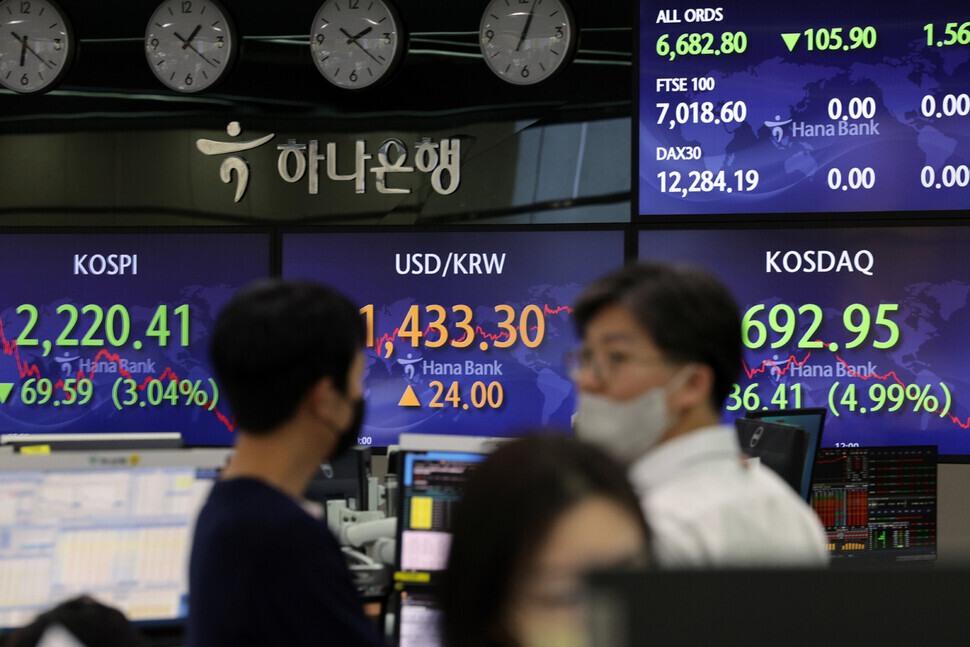

The Japanese and South Korean stock markets are experiencing a remarkable surge, capturing the attention of investors and analysts alike. As of January 5, 2026, the South Korean KOSPI index achieved an all-time high, soaring by 3.43%, while the Nikkei 225 saw a substantial increase of nearly 3%. This ascent is primarily driven by a rally in semiconductor stocks, underscoring their pivotal role in both nations’ economies. With increased global demand for technology, the stock market surge has been particularly beneficial for these sectors, encouraging investments in South Korean stocks and boosting the overall market sentiment. The impressive performance of these indices highlights the vitality of Asian markets and the potential for further growth as economic conditions evolve.
In recent developments, the financial landscapes of Japan and South Korea are witnessing unprecedented growth as both nations’ stock exchanges thrive. Known for their technological powerhouses, the markets are heavily influenced by the uptrend in semiconductor investments. The remarkable rise in the KOSPI, which has reached record levels, reflects a broader trend in the regional economy driven by innovation and industry advancements. Meanwhile, the gains in Japan’s Nikkei index signify a revitalization within major sectors, fueling optimism among market participants. This trend underscores the dynamic nature of Asian equities as they adapt to changing global conditions and investment flows.
Surge in Japanese and South Korean Stock Markets
On January 5, 2026, both the Japanese and South Korean stock markets experienced remarkable growth, illustrating robust investor confidence and market resilience. The Nikkei 225 index surged by an impressive 2.97%, closing at 51,832.80 points. This increase can primarily be attributed to strong performances in the semiconductor and heavy industry sectors, which have seen tremendous demand both domestically and internationally. Investors are optimistic, anticipating further growth as companies in these sectors continue to innovate and expand.
The South Korean KOSPI index also reached new heights, closing at 4,457.52 points, marking an all-time high with an impressive 3.43% rise in a single day. This milestone reflects the growing strength of South Korean stocks, particularly in the technology and semiconductor markets, where demand has been accelerating. With giants like Samsung Electronics reporting significant single-day gains, investors are eyeing new opportunities in the fast-evolving landscape of technology stocks.
KOSPI Reaches All-Time High, What It Means for Investors
The recent milestone reached by the KOSPI index signals a pivotal moment for investors in South Korean markets. The soaring index, driven by strong gains in semiconductor stocks, heralds a promising outlook as these sectors continue to thrive amidst global advancements in technology. Investors closely monitoring South Korean stocks are likely to see continued volatility, but the long-term trends suggest that growth may persist as firms adapt to market demands.
Achieving an all-time high is not just a reflection of current market conditions but also a testament to the resilience of the South Korean economy. As semiconductor stocks lead the charge, analysts predict that further investment in these areas could yield substantial returns. This upward trajectory of the KOSPI not only boosts national confidence but also attracts foreign investment, fostering a more dynamic economic environment.
Nikkei 225’s Remarkable Gain: Driving Forces Behind the Surge
The Nikkei 225’s recent gain of 1,493.32 points highlights the underlying strengths of the Japanese market. The driving forces behind this surge can be linked to a combination of favorable economic indicators and positive investor sentiment. With significant contributions from semiconductor and heavy industry stocks, investors are taking a keen interest in sectors that show potential for sustained growth, especially as Japan aims to regain its technological prowess on a global scale.
Market analysts have noted that the rally in the Nikkei 225 corresponds with positive shifts in corporate earnings reports and a robust export environment, particularly in technology-related sectors. As Japan positions itself as a leader in semiconductor production, investments in these companies are likely to become increasingly appealing. Observers expect that as manufacturing capabilities expand, the market will continue to see upward pressure, benefiting investors committed to Japanese stocks.
Impact of Semiconductor Stocks on Market Growth
Semiconductor stocks have proven to be pivotal in the recent surge of the Japanese and South Korean stock markets. As these companies experience a surge in demand driven by technological advancements and increased global connectivity, their influence on market indices becomes significantly pronounced. The steady rise in semiconductor stocks serves as a bellwether for overall market health, reflecting investor confidence in sectors poised for growth.
In South Korea, semiconductor firms dominate the KOSPI’s performance, making up a substantial portion of the index’s gains. The expansion of digital technologies in various industries has propelled demand for semiconductors, showcasing the critical role these stocks play in economic growth. Investors are capitalizing on this trend, acknowledging that the semiconductor industry’s trajectory will heavily impact future market performance.
What Investors Should Know About Market Trends
Understanding the underlying market trends is essential for investors looking to navigate the complex landscape of the Japanese and South Korean stock markets. With the KOSPI reaching record highs and the Nikkei 225 on an upward trajectory, investors need to pay attention to key indicators that signal market movements. Factors such as international demand, tech advancements, and corporate earnings reports play crucial roles in shaping the current investment climate.
Furthermore, as South Korean and Japanese stocks continue to respond to global economic shifts, a keen understanding of sector-specific dynamics becomes indispensable. Investors should consider diversifying their portfolios to include high-performing sectors like semiconductors while remaining vigilant about broader economic shifts that could influence these markets in the future.
The Role of Global Economic Factors
Global economic conditions significantly influence the patterns and trends observed in the Japanese and South Korean stock markets. Factors such as foreign trade dynamics, currency fluctuations, and international investor sentiment all contribute to the resilience of these markets. With the KOSPI and Nikkei 225 making historic gains, understanding these global economic factors becomes crucial for investors seeking to maximize their returns.
In light of increasing globalization, the interplay between the domestic performance of stocks and international developments cannot be underestimated. Investors must keep a close eye on economic indicators from major economies to gauge potential impacts on South Korean and Japanese markets. The synergy between global trends and local performance will likely shape the future trajectory of these indices.
Emerging Opportunities in South Korean Stocks
As the South Korean KOSPI reaches unprecedented heights, investors are on the lookout for emerging opportunities within the landscape of South Korean stocks. The technology sector, particularly semiconductor and defense stocks, remains a focal point for investors eager to capitalize on growth potential. With the market trend favoring innovations in technology, sectors related to these advancements present particularly promising investment avenues.
Furthermore, as market dynamics continue to evolve, seasoned investors are advised to stay apprised of regulatory changes and market entry strategies for newly developed stocks. Emerging companies in the tech sector may offer high growth potential, complemented by the overall bullish trend observed in South Korean stocks. As global demand amplifies, identifying and investing in these companies could yield substantial returns for discerning investors.
The Future of the Nikkei 225: Predictions and Insights
Looking ahead, analysts are making predictions about the future trajectory of the Nikkei 225. Following its recent surge, the index’s performance will likely be influenced by ongoing developments in key sectors such as technology and manufacturing. Investors are advised to maintain a close watch on economic policies and trends that could impact company performance within these dynamic industries.
The bullish momentum observed in the Nikkei 225 does not only signify short-term gains but also suggests long-term growth potential as companies adapt and innovate. As Japan continues to strengthen its position in the global market, the outlook for investors engaging with Japanese stocks remains optimistic. Long-term investment strategies that leverage this upward trend could well result in significant rewards for those willing to navigate the volatility.
Market Sentiment and Investor Confidence
The surge in both the KOSPI and Nikkei indices has been accompanied by a palpable increase in market sentiment and investor confidence. As these markets break historical barriers, the positive momentum is attracting both domestic and international investors eager to capitalize on growth opportunities. The confidence in the stability of South Korean and Japanese economies plays a crucial role in sustaining this upward trajectory.
Moreover, the boost in semiconductor stocks serves to further enhance investor outlook, suggesting that industries poised for growth are essential indicators of market health. The prevailing investor enthusiasm is a pivotal factor in determining the future performance of these stock markets, as optimistic market conditions often lead to increased investment activity, further fueling market growth.
Frequently Asked Questions
What recent events have contributed to the surge in the Japanese and South Korean stock markets?
The recent surge in the Japanese and South Korean stock markets can be attributed to strong performances in key indices such as the KOSPI and Nikkei 225. Specifically, on January 5, 2026, the Nikkei 225 rose by 2.97% while the KOSPI reached an all-time high, driven by the impressive performance of semiconductor stocks and heavy industry sectors.
How did the semiconductor stocks impact the recent increase in the KOSPI and Nikkei 225?
Semiconductor stocks played a crucial role in the recent increases of the KOSPI and Nikkei 225 indices. On January 5, 2026, these stocks led the gains, with Samsung Electronics rising significantly. This increased investment in the semiconductor sector reflects market confidence and contributes to the overall stock market surge in South Korea and Japan.
What is the significance of the KOSPI reaching an all-time high for South Korean stocks?
The KOSPI reaching an all-time high signifies a strong bullish trend in South Korean stocks, indicating heightened investor confidence and economic growth. This milestone, achieved on January 5, 2026, underscores the robust performance of sectors like semiconductors and defense, highlighting the growth potential of the South Korean economy.
What factors are influencing the Nikkei 225 increase in the current market environment?
The Nikkei 225 increase is influenced by strong corporate earnings, particularly in the semiconductor and heavy industry sectors. The index closing up by 2.97% on January 5, 2026, reflects positive market sentiment and investor enthusiasm driven by Japan’s economic recovery and global demand for technology.
Are South Korean semiconductor stocks expected to continue their growth trends?
Given recent performance and demand in technology, South Korean semiconductor stocks are expected to continue their growth trends. The significant rise in stocks like Samsung Electronics and favorable market conditions suggest a sustained interest and investment in this critical sector, especially as global technology needs expand.
What does the surge in the Japanese and South Korean stock markets indicate for investors?
The surge in the Japanese and South Korean stock markets indicates a positive outlook for investors, especially in sectors like technology and defense. With the KOSPI achieving a record high and the Nikkei 225 showing strong gains, investors are encouraged to consider opportunities in these thriving markets amidst the current economic momentum.
| Market | Index Change | Closing Value | Key Drivers |
|---|---|---|---|
| Japan – Nikkei 225 | +1493.32 (+2.97%) | 51,832.80 | Semiconductor, Heavy Industry |
| South Korea – KOSPI | +147.89 (+3.43%) | 4,457.52 | Semiconductor, Defense |
Summary
The recent surge in the Japanese and South Korean stock markets marks a historic moment, particularly underscored by the South Korean KOSPI index reaching an all-time high. This remarkable performance is led by major increases in semiconductor and defense sectors, reflecting strong investor sentiment and market resilience. As both markets continue to thrive, they indicate a bullish trend that may persist in the coming months, offering ample opportunities for investors in the Japanese and South Korean stock markets.
Related: More from Market Analysis | Kaspa KAS Price Forecast: Why $0.03 Crucial for Bulls | Barclays Looks at Blockchain for Payments, Deposits