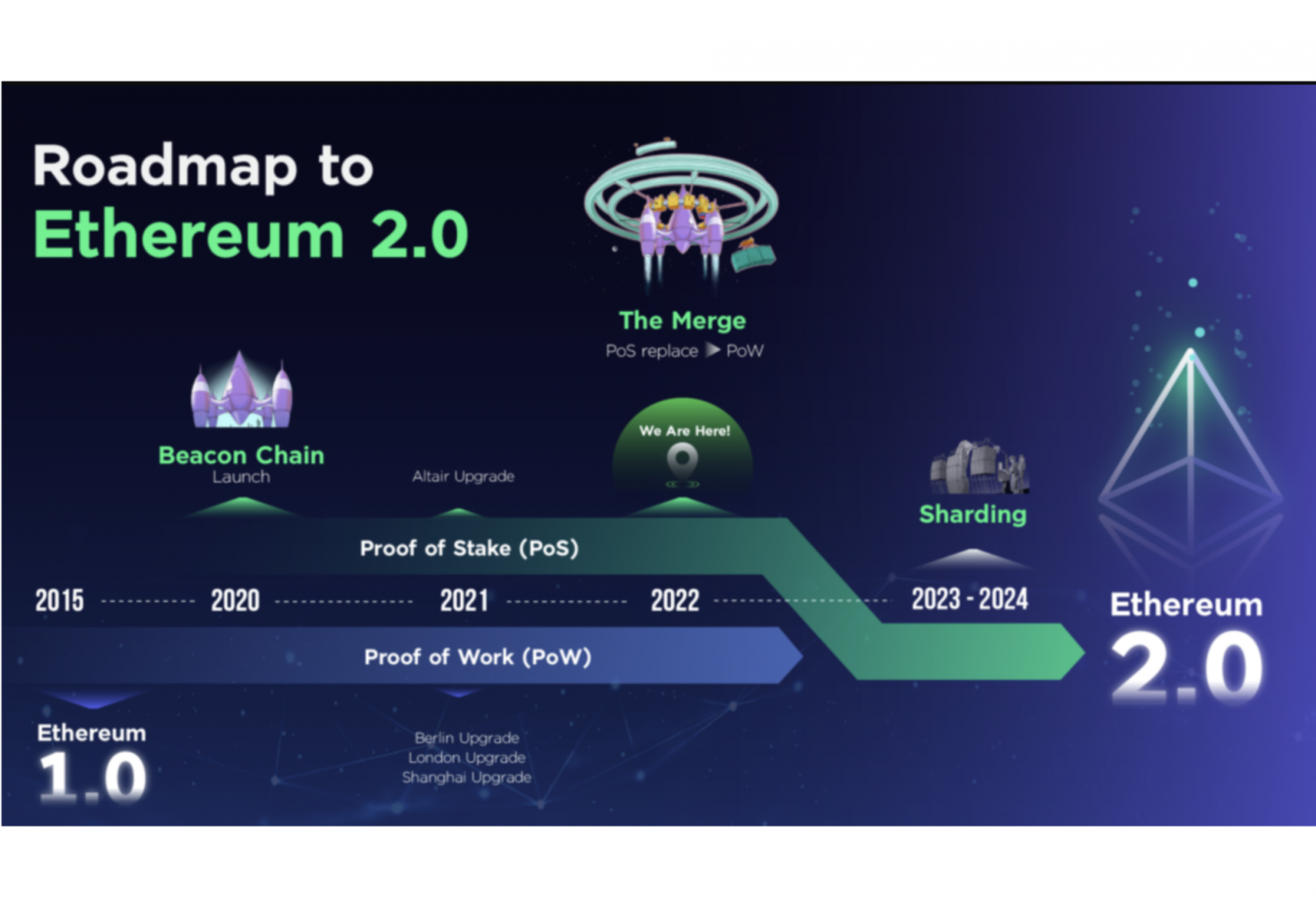

Ethereum upgrades are crucial stepping stones towards addressing the infamous “blockchain trilemma,” a challenge that balances decentralization, security, and scalability within the blockchain ecosystem. Vitalik Buterin, one of Ethereum’s co-founders, highlighted two groundbreaking innovations: PeerDAS and ZK-EVM. These upgrades are set to transform Ethereum into a more powerful decentralized network, enhancing its capabilities significantly. While PeerDAS is anticipated to launch on the mainnet by 2025, ZK-EVM is already showcasing impressive production-level performance, with small-scale implementations expected by 2026. As these upgrades roll out, Ethereum is on the brink of a new era that will not only improve its scalability but also solidify its position in the competitive landscape of blockchain technology.
The recent advancements in Ethereum, commonly referred to as protocol enhancements, have sparked significant excitement among developers and users alike. These improvements aim to tackle the well-known challenges of balancing decentralization, security, and transaction throughput, often described as the “blockchain trilemma.” Among these innovations, the introduction of PeerDAS and ZK-EVM stands out as pivotal elements in evolving a more robust decentralized network. As Ethereum transitions towards better scalability, the implications for developers and businesses utilizing this platform could be profound. With production-level capabilities already being tested, the future of Ethereum looks promising as it strives for optimised blockchain functionality.
Understanding the Blockchain Trilemma and Ethereum’s Solutions
The blockchain trilemma is a fundamental challenge in blockchain technology that seeks to achieve three crucial goals: decentralization, security, and scalability. Vitalik Buterin has highlighted that Ethereum is nearing a solution to this trilemma, providing a path for a more robust decentralized network. The Ethereum upgrades, including PeerDAS and ZK-EVM, play pivotal roles in addressing these challenges while supporting the network’s overall integrity.
By focusing on enhancing scalability, PeerDAS will allow Ethereum to manage an increased load of transactions without compromising its decentralized nature or security measures. The emphasis on achieving a balance among these three attributes is vital for the future of Ethereum, offering users a more efficient platform that continues to prioritize its foundational principles.
Frequently Asked Questions
What are the upcoming Ethereum upgrades and their significance?
The upcoming Ethereum upgrades, notably PeerDAS and ZK-EVM, are crucial in addressing the blockchain trilemma, which focuses on balancing decentralization, security, and scalability. These upgrades aim to transform Ethereum into a more robust decentralized network. PeerDAS is expected to launch on the mainnet in 2025, while ZK-EVM, already performing at a production level, is anticipated for small-scale deployment by 2026.
How do PeerDAS and ZK-EVM contribute to Ethereum scalability?
PeerDAS and ZK-EVM significantly enhance Ethereum scalability by introducing innovative solutions to improve data availability and transaction throughput. PeerDAS will allow for efficient data handling on the Ethereum blockchain, while ZK-EVM provides enhanced security and faster validation processes, thus enabling the network to support more transactions without sacrificing decentralization.
What is the blockchain trilemma and how does Ethereum address it?
The blockchain trilemma refers to the challenge of achieving decentralization, security, and scalability simultaneously in blockchain networks. Ethereum addresses this challenge through its upgrades, specifically by utilizing technologies like PeerDAS and ZK-EVM. These advancements are designed to incrementally enhance Ethereum’s performance and ensure that the decentralized network can maintain high levels of security and throughput.
When will the PeerDAS upgrade be released on the Ethereum mainnet?
The PeerDAS upgrade is scheduled to launch on the Ethereum mainnet in 2025. This upgrade is crucial for enhancing Ethereum’s scalability and data availability, aiming to create a more powerful decentralized network that balances the blockchain trilemma.
What is ZK-EVM and how does it relate to Ethereum’s future?
ZK-EVM (Zero-Knowledge Ethereum Virtual Machine) is an upgrade that enhances security and efficiency by allowing more effective executions of smart contracts. Its introduction is expected to occur gradually, with small-scale use expected by 2026. As part of Ethereum’s upcoming upgrades, ZK-EVM will play a vital role in solving scalability issues while maintaining decentralization.
How do Ethereum upgrades impact the network’s performance?
Ethereum upgrades like PeerDAS and ZK-EVM are designed to significantly improve the network’s performance by addressing long-standing issues related to scalability and security. By increasing the gas limit and introducing new validation methods, Ethereum will enhance its ability to process transactions, thereby fostering a more efficient and resilient decentralized network.
What has been the focus of Ethereum’s development in the past decade?
Over the last decade, Ethereum’s development has focused on solving key challenges such as data availability and scalability. The introduction of upgrades like PeerDAS and ZK-EVM marks the culmination of nearly 10 years of engineering efforts to create a decentralized network capable of achieving a balance between decentralization, security, and high throughput.
| Key Point | Details |
|---|---|
| Blockchain Trilemma | Ethereum is nearing a resolution to the blockchain trilemma, focusing on decentralization, security, and scalability. |
| Key Upgrades | PeerDAS and ZK-EVM are identified as the two transformative upgrades for Ethereum. |
| PeerDAS Launch Date | Scheduled to launch on the Ethereum mainnet in 2025. |
| ZK-EVM Status | Currently enhancing security, but has reached production-level performance with small-scale use expected by 2026. |
| Future Developments | Plans to increase gas limits, adjust state structure, and introduce ZK-EVM validation methods. |
| Engineering Achievement | The upgrades are based on nearly 10 years of engineering efforts focused on scalability and data availability. |
Summary
Ethereum upgrades are set to revolutionize the network with significant enhancements aimed at solving the blockchain trilemma. With the anticipated launches of PeerDAS and ZK-EVM, Ethereum is on the brink of becoming a more powerful decentralized platform. Vitalik Buterin’s declaration underscores the ongoing commitment to balance decentralization, security, and scalability, marking a pivotal moment in Ethereum’s evolution. As these upgrades progress, the vision of an efficient and robust Ethereum network is progressively becoming a reality, reflecting nearly a decade of continuous work and innovation.
Related: More from Ethereum News | World Liberty Financial Links Staking to Voting: USD1 Supply Exceeds $4.7B | Ethereum Transforms into High