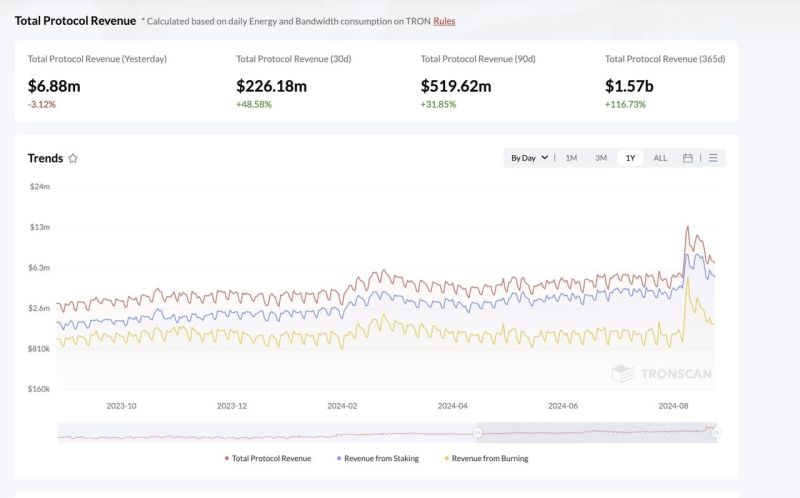

In the rapidly evolving landscape of decentralized finance, **protocol revenue growth** has emerged as a focal point for sustaining success and dominance. David, the head of Blockworks Advisory, advocates for protocols to prioritize reinvesting their revenues into growth strategies rather than relying heavily on token buybacks. He argues that no protocol, regardless of its stature, is shielded from competitive pressures, highlighting the need for strategic financial decisions to foster long-term viability. By shifting the focus towards expansion and customer acquisition, protocols can not only survive but thrive in a market marked by constant changes. The insights from Blockworks Advisory underscore the importance of maintaining competitive advantages while navigating the complexities of Aave token economics and other models.
The conversation surrounding **revenue growth within protocols** has increasingly gained traction, particularly as competing frameworks continue to emerge in the decentralized finance sector. Insights from industry leaders suggest that rather than engaging in token repurchase programs, protocols should direct their financial resources into comprehensive growth initiatives. These growth initiatives can encompass vertical or horizontal expansion strategies that enhance user engagement and market presence. As highlighted by Blockworks Advisory, acknowledging and addressing competitive pressures is crucial for sustaining a protocol’s relevance over time. Thus, innovative economic models must emphasize long-term strategies that move beyond the immediate allure of token buybacks.
The Impact of Token Buybacks on Protocol Viability
Token buybacks have long been a strategy employed by various protocols to manage existing supply and potentially increase the value of their tokens. However, the implications of this practice can often overshadow its perceived benefits. For instance, by prioritizing token buybacks, protocols may inadvertently signify to the market that they are under pressure and lack innovative strategies to enhance growth. This perception can lead to diminished confidence among investors and stakeholders, ultimately hindering the long-term viability of the protocol.
Moreover, the reliance on buybacks often takes away essential revenue that could be reinvested into critical areas such as technology development, community engagement, or expanded market outreach. Protocols, especially those with robust economic models like Aave, must consider the potential competitive pressure they face in a rapidly evolving sector. By diverting funds to buybacks instead of growth initiatives, these protocols risk falling behind rivals that are strategically positioning themselves for future expansion.
Prioritizing Protocol Revenue Growth for Competitive Advantage
The concept of protocol revenue growth has increasingly emerged as a priority among leading decentralized finance platforms. As highlighted by the Blockworks Advisory head, long-term growth strategies should supersede token buybacks, particularly in a landscape rife with competitive pressures. By focusing on revenue growth, protocols can invest in fundamental enhancements that not only improve their service offerings but also solidify their market position against emerging competitors. This shift in focus aligns with a broader vision of sustainability and resilience.
Incorporating aggressive growth strategies, whether through vertical or horizontal expansion, enables protocols to build stronger customer bases and enhance their overall value proposition. This approach facilitates the allocation of resources towards innovation, community-building, and other growth-centric initiatives, enabling protocols to not only maintain their position but to thrive. The insights from experts in the field accentuate the importance of adopting a forward-looking mindset that prioritizes proactive measures over reactive solutions.
Understanding Aave Token Economics in Growth Context
The Aave token economics model serves as a case study that highlights the importance of growth-focused strategies over token buybacks. This model emphasizes sustainable revenue generation and efficient utilization of resources to boost overall protocol performance. By analyzing the intricacies of Aave’s economic framework, it’s evident that protocols must seek to invest their profits in transformative initiatives that enhance user experience and foster community loyalty. Token buybacks, while appealing, may not provide the same long-lasting benefits as investing in core business strategies.
Furthermore, protocols operating within the competitive landscape of DeFi must recognize that maintaining mere dominance is insufficient in the face of rapid innovation and emerging projects. Aave’s success demonstrates the importance of leveraging economic advantages to propel growth within a competitive context. By reallocating revenue towards growth initiatives, protocols can navigate the challenges posed by market incumbents and new entrants alike, thus ensuring their relevance and sustainability.
Strategic Growth Through Customer Acquisition Efforts
Customer acquisition is at the heart of any successful protocol, especially in DeFi markets that are becoming increasingly competitive. The effective use of revenue to attract and retain users not only drives immediate gains but also establishes a solid user foundation for sustainable expansion. Blockworks Advisory advocates for proactive allocation of funds towards marketing and outreach initiatives to enhance user engagement, signaling a commitment to long-term growth strategies. Such investment is crucial for adapting to market dynamics and achieving scalability.
Additionally, a focus on customer acquisition can yield substantial returns on investment as protocols build strength in their user community. By developing unique value propositions and harnessing the insights derived from user feedback, protocols can refine their offerings. This iterative process not only attracts new users but also strengthens loyalty among existing customers, paving the way for a thriving ecosystem. As the market for decentralized finance continues to evolve, protocols must prioritize customer-centric approaches to remain competitive.
Navigating Competitive Pressures in the DeFi Landscape
The decentralized finance landscape is evolving rapidly, and protocols must navigate competitive pressures with strategic foresight. David’s perspective highlights that no protocol is immune to these pressures, regardless of its historical performance or market share. Addressing these challenges requires a commitment to innovative growth strategies that prioritize long-term advantages over short-term gains. As such, protocols need to be agile and responsive to shifts in the market while maintaining a keen focus on their core mission.
By understanding the competitive dynamics at play, protocols are better equipped to address the complexities of their operational environment. Reinforcing their value proposition and adapting to changing user needs are critical for sustaining growth. Protocols embracing a culture of innovation and long-term planning are poised to thrive, avoiding the risks associated with complacency that can arise from excessive reliance on token buybacks or passive revenue management.
Informed Decisions: The Future of Protocol Economics
The economic landscape of protocols is shifting, driven by the realization that strategic decisions will dictate future success. Protocols looking to secure their position must incorporate informed perspectives on their resource allocation strategies. Insights from Blockworks Advisory elicit a more comprehensive understanding of how protocols can utilize their revenue to bolster growth initiatives. By reevaluating traditional economic models, protocols can embrace innovative solutions that align with the needs of the community and market demands.
Furthermore, the importance of foresight in economic decision-making cannot be overstated. As competitors emerge, protocols are forced to rethink their operational strategies. Allocating resources towards smart growth initiatives rather than token buybacks allows protocols to stay ahead of the curve. Such an approach aligns with the evolving expectations of stakeholders and positions protocols for sustained success in the highly competitive DeFi landscape.
Long-Term Growth Strategies: Essential for Protocol Success
Long-term growth strategies are essential to ensure that protocols not only thrive but also maintain their relevance in an unpredictable market. Focusing on growth over temporary measures can yield lasting benefits, as highlighted by industry experts like David from Blockworks Advisory. Protocols that implement comprehensive growth strategies can better navigate the economic landscape and mitigate risks associated with short-term decision-making. This perspective encourages a holistic approach that prioritizes the ecosystem’s sustainability.
Protocols must leverage innovative techniques to ensure they remain adaptable, flexible, and resilient in the face of competition. By investing in research and development, user engagement, and diversified revenue streams, protocols can establish themselves as industry leaders rather than bystanders in a rapidly changing landscape. The emphasis on long-term growth aligns with the overarching goal of building a sustainable and dynamic protocol environment.
The Essential Role of Community Engagement in Protocol Growth
Community engagement plays a pivotal role in the success of any protocol. As protocols navigate competitive pressures, fostering a strong sense of community can directly influence growth trajectories. By actively involving users and stakeholders, protocols can better align their initiatives with audience expectations and increase loyalty. Investments aimed at enhancing community engagement open avenues for collaborative growth and drive user adoption, forming a symbiotic relationship essential for long-term success.
Moreover, community-driven initiatives often lead to innovative solutions that can greatly enhance protocol functionalities. By listening to the needs and aspirations of their user base, protocols can adapt and evolve in ways that enhance their market position. Encouraging active participation within the community not only builds trust but also empowers users to be ambassadors for the protocol, leading to organic growth through word-of-mouth and peer-to-peer interactions.
Evaluating the Risks of Token Buybacks in Dynamic Markets
Token buybacks, while often appealing as a strategy for signaling strength or stability, can pose significant risks in dynamic markets such as DeFi. The tendency to prioritize immediate boosts to token prices can overshadow more strategic initiatives aimed at fostering sustainable growth. As highlighted by Blockworks Advisory, relying on buybacks can indicate to the market that a protocol lacks a comprehensive strategy for driving long-term value, which may inadvertently harm investor confidence.
In lieu of token buybacks, protocols should focus on evaluating the merits and potential drawbacks of their revenue allocation strategies. By critically assessing their market positioning and operational effectiveness, protocols can prioritize efforts that reinforce their competitive edge. This deliberate approach not only helps mitigate risks associated with buybacks but also ensures consistent momentum towards impactful growth, addressing both immediate and long-term objectives.
Vision for DeFi: Balancing Innovation and Sustainability
In envisioning the future of decentralized finance (DeFi), protocols must strike a balance between innovation and sustainability. This balance is critical in enabling them to navigate a rapidly changing landscape while fostering authentic growth. As outlined by insights from Blockworks Advisory, concentrating on core principles of growth over momentary fixes like token buybacks can ensure that protocols remain viable and competitive in the long run. This foresight is essential for developing resilient platforms that thrive amidst evolving challenges.
Protocols that successfully integrate innovation into their growth strategies are well-positioned to inspire confidence among stakeholders. Such a vision extends beyond short-term objectives, focusing on the longevity of the protocol and its ability to adapt over time. By nurturing a culture of thought leadership and creative problem-solving, protocols can cultivate a sustainable foundation that leads to ongoing success and innovation within the DeFi ecosystem.
Frequently Asked Questions
How does protocol revenue growth relate to Aave token economics?
Protocol revenue growth is crucial for Aave token economics as it enables the platform to reinvest in its ecosystem rather than solely relying on token buybacks. By prioritizing revenue allocation towards growth initiatives, Aave can enhance its competitive stance and ensure long-term sustainability.
What are the risks associated with prioritizing token buybacks over protocol revenue growth?
Focusing on token buybacks may indicate a protocol’s lack of strategic growth plans and can undermine its competitive edge. By not utilizing revenue for growth, protocols risk stagnation in a market characterized by competitive pressures. Therefore, investing in long-term growth strategies is essential for maintaining relevance.
What long-term growth strategies should protocols consider instead of token buybacks?
Protocols should explore a variety of long-term growth strategies such as vertical and horizontal expansion, enhancing customer acquisition, and improving service offerings. These strategies stimulate protocol revenue growth and are more effective in building sustainable competitive advantages compared to token buybacks.
Why is protocol competitive pressure significant in discussions about revenue growth?
Protocol competitive pressure is significant because it drives the need for continuous innovation and growth. No protocol can remain complacent, regardless of its market position. Addressing competitive pressure through effective revenue growth strategies is vital for long-term success in a rapidly evolving industry.
How can Blockworks Advisory’s insights affect a protocol’s approach to revenue?
Blockworks Advisory emphasizes prioritizing protocol revenue growth to stay competitive. Their insights guide protocols to allocate their resources towards initiatives that promote long-term advantages rather than short-term gains from token buybacks, urging teams to adopt a forward-thinking mentality.
What should protocols consider about their revenue allocation to ensure growth?
Protocols should evaluate and allocate their revenue toward strategic initiatives that promote expansion, customer base growth, and innovation. This approach is essential for fostering protocol revenue growth while mitigating the risks associated with competitive pressures in the blockchain ecosystem.
| Key Points |
|---|
| David from Blockworks Advisory emphasizes the importance of using revenue for growth rather than token buybacks, asserting it as the optimal strategy for protocols. |
| David’s team was a dissenting voice in discussions about token economic models, advocating for capital allocation focused on growth strategies. |
| No protocol, regardless of market dominance, is immune to competitive pressures, highlighting the need for continuous improvement and strategic growth initiatives. |
| Relying on buybacks conveys that a protocol is not currently facing competition and undermines the potential for long-term competitive advantages. |
| David’s perspective encourages protocols to adopt a longer-term view for scalability and market leadership. |
Summary
Protocol revenue growth is crucial for establishing and maintaining a strong market presence. David from Blockworks Advisory advocates for protocols to channel their revenues towards expansion and strategic initiatives rather than token buybacks. This approach not only helps in developing long-term competitive advantages but also ensures that protocols can withstand pressures from competitors in a dynamic market landscape. By prioritizing growth through revenue allocation, protocols can better position themselves for sustained success.
Related: More from DeFi & Stablecoins | U.S. Regulator Challenges Crypto Stablecoins | Alchemy USDC Payment for Autonomous AI Agents