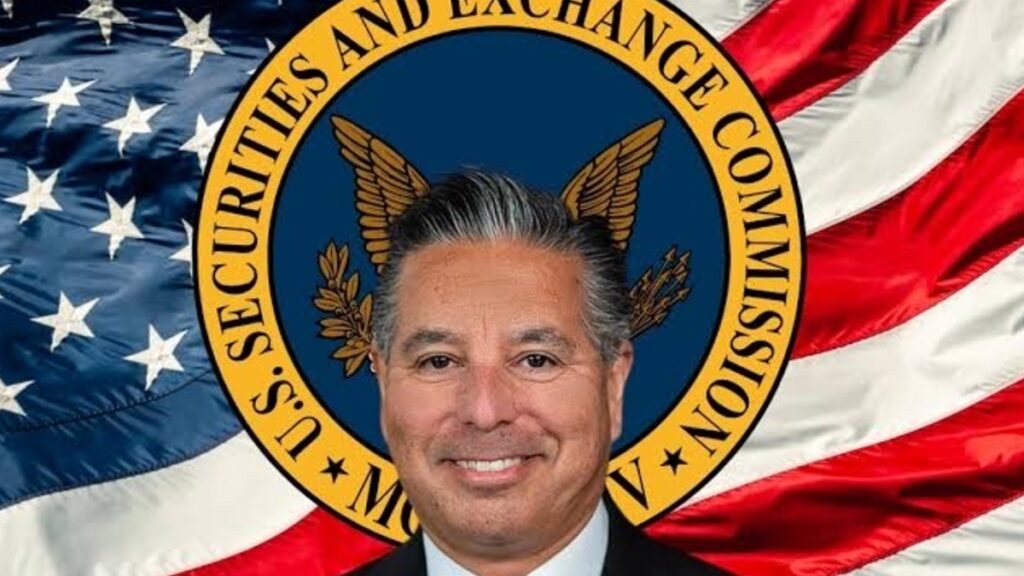

The impending departure of SEC Commissioner Caroline Crenshaw marks a pivotal moment for the agency as it transitions to a Republican-only leadership. With Crenshaw concluding her over five-year service at the U.S. Securities and Exchange Commission, the landscape of SEC leadership changes drastically. Her exit, set for this Saturday, comes at a critical juncture for digital assets regulation, where Crenshaw has been a vocal advocate for stringent oversight. As the sole remaining commissioners consist entirely of Republican members, concerns are rising among industry observers about the future of cryptocurrency enforcement. Without any Democratic representation, the regulatory balance at the SEC faces significant scrutiny, particularly as discussions surrounding digital asset policies intensify.
As the SEC navigates a major shift in its composition following the resignation of Commission member Caroline Crenshaw, the regulatory body is now exclusively steered by Republican commissioners. This development not only influences the internal dynamics of the SEC but also raises essential questions regarding the approach towards enforcing regulations on digital currencies. The absence of Democratic voices within the commission during this crucial period is particularly concerning to those invested in cryptocurrencies and other digital assets. Observers are keenly aware of the implications this might have on the future’s regulatory strategies and how they align with enforcement actions. Consequently, industry stakeholders are left pondering the potential consequences of this political shift on the evolving landscape of financial oversight.
The Impact of SEC Commissioner Caroline Crenshaw’s Departure
SEC Commissioner Caroline Crenshaw’s impending departure this week marks a pivotal moment for the U.S. Securities and Exchange Commission (SEC). After over five years of service, Crenshaw’s exit leaves the agency devoid of Democratic counsel, which raises questions about the future direction of the SEC’s policies, particularly regarding digital assets regulation. As the only Democratic voice in a commission now fully composed of Republican members, her absence signals a significant shift in the agency’s regulatory posture at a time when the landscape is rapidly evolving due to the booming cryptocurrency market.
Moreover, Crenshaw has been recognized for her assertive stance on digital assets, advocating for regulations that protect investors against potential market volatility. Her critical stand on rulings, such as the SEC’s settlement with Ripple Labs, underlines her commitment to stringent oversight of the cryptocurrency sector. With her departure, stakeholders fear that the SEC may adopt a more lenient approach to enforcement, aligning with the views of the Republican-appointed commissioners. This change could set a precedent for how digital assets are perceived and regulated in the coming years.
Concerns Over SEC Leadership Changes Amidst Republican Control
The SEC’s current leadership structure raises disparities in regulatory balance. With an all-Republican commission, this transition highlights challenges in diverse representation and comprehensive policy-making. Critics express apprehension about the SEC’s ability to manage an increasingly complex digital asset market under the new leadership. The absence of a Democratic perspective may lead to decisions that favor cryptocurrency advocacy groups over robust investor protection, which could ultimately affect public confidence in the regulatory framework.
Furthermore, the evolving landscape in digital asset regulations suggests that the SEC may increasingly leverage its enforcement powers against cryptocurrency entities. However, the perceived leniency towards regulation expressed by Republican members could diminish the SEC’s authority. Lawmakers and industry leaders like Representative Maxine Waters are calling for accountability in SEC operations, emphasizing the need for bipartisan collaboration to ensure effective oversight and maintain public trust in financial markets.
Future of Digital Assets Regulation Following SEC Changes
With the future of digital assets regulation in the balance, stakeholders are keenly observing how the SEC will navigate its challenges post-Crenshaw. Given her previous critiques of significant regulatory settlements in the cryptocurrency space, her departure may embolden the agency’s Republican commissioners to shift focus towards fostering innovation rather than stringent enforcement. This could present opportunities for faster approvals of digital asset projects, potentially branding the U.S. as a more attractive environment for cryptocurrency innovators.
On the contrary, a lack of rigorous regulatory action could prompt increased market instability, risking investor losses and prompting public outcry for stronger regulatory intervention. As discussions around legislative measures to stabilize and oversee digital assets escalate, the SEC’s future decisions will play a critical role in shaping the regulatory landscape. How the commission balances innovation against consumer protection will be pivotal not only for the agency’s reputation but for the resilience of the entire financial system.
Bipartisan Efforts Needed for Regulatory Balance
The SEC’s current state of leadership, with an all-Republican commission, has underscored the necessity of bipartisan efforts for effective governance in the realm of financial regulation. As the agency grapples with leadership shortages, there are growing calls from various quarters, including industry advocates and political figures, to restore a multi-partisan approach within the SEC. Representative Maxine Waters has highlighted the importance of finding a middle ground that accommodates differing perspectives on cryptocurrency enforcement, which could ensure that regulators are held accountable while also empowering innovation.
Bipartisan cooperation is essential not only for regulatory balance but also for fostering a framework that can adapt to the fast-paced developments in digital asset technologies. Ensuring that voices from both political sides contribute to policy formation can lead to more comprehensive regulations that effectively address risks while promoting growth. As the SEC navigates these leadership changes, establishing partnerships across the political spectrum will be vital to creating a regulatory environment that benefits consumers and the digital finance ecosystem alike.
SEC’s Role in Cryptocurrency Enforcement During Transition
Crenshaw’s departure leaves the SEC at a critical juncture regarding its role in cryptocurrency enforcement. As the regulatory environment for digital assets becomes increasingly intricate, the SEC’s approach toward enforcement actions may pivot significantly under the leadership of solely Republican commissioners. Historically, the commission has fluctuated between rigorous scrutiny and leniency, and with recent focus on compliance over punitive measures, the absence of a voice championing stringent enforcement may further skew this balance.
As industry leaders remain watchful of potential changes in enforcement strategies, there is a palpable concern that the SEC might become less proactive in regulating digital assets. This could lead to a perception of the United States as a less favorable jurisdiction for crypto investments and innovation. Stakeholders across the spectrum are advocating for a clear stance from the SEC on its enforcement policies to clarify how it will navigate the complexities of the rapidly evolving cryptocurrency market.
Challenges in Filling Vacancies at Federal Financial Agencies
Caroline Crenshaw’s exit from the SEC is indicative of broader challenges facing federal financial regulatory bodies, including the Commodity Futures Trading Commission (CFTC). After Caroline Pham’s recent departure, the CFTC is also confronting gaps in leadership, which further complicates oversight in areas critical to the growing digital assets market. This situation reinforces concerns about the capacity of regulatory agencies to respond effectively to emerging financial technologies and protect investors from potential risks.
The lack of appointed leaders in both the SEC and CFTC demonstrates the urgency for presidential nominations that promote a diverse range of viewpoints. Financial regulators must be equipped to tackle the complexities brought about by digital paradigms while ensuring that their policies reflect an inclusive approach to market participants. As agencies seek to fill these pivotal positions, the direction and effectiveness of U.S. financial regulation hang in the balance, necessitating swift and strategic action from leadership.
Congressional Oversight of SEC’s Policy Changes
In light of the significant shifts at the SEC, calls for congressional oversight are gaining traction, particularly regarding recent policy changes in response to digital asset regulation. Representative Maxine Waters has proposed hearings to scrutinize the SEC’s recent decisions on crypto enforcement, aiming to ensure accountability in how the agency manages its regulatory responsibilities. This level of scrutiny reflects a broader concern about the SEC’s transparency and effectiveness in handling cases involving cryptocurrency, particularly as the industry faces heightened scrutiny.
Moreover, congressional involvement in the SEC’s policy-making process could not only promote greater transparency but also facilitate a discourse on the appropriate regulatory framework that balances innovation with investor protection. As U.S. lawmakers engage in discussions around digital asset regulation, the outcomes could shape the trajectory of the entire cryptocurrency ecosystem. Continuous collaboration between the SEC, Congress, and industry stakeholders will be essential to establish a regulatory environment that fosters trust and stability within financial markets.
The Future of SEC Amidst Leadership Changes
As the SEC braces for the implications of Caroline Crenshaw’s departure, the agency’s future direction remains uncertain. Within the agency, a shift in regulatory philosophy could emerge as the remaining Republican commissioners shape their governance strategies. Observers anticipate that the SEC might adopt a more lenient approach to digital asset cases, reflecting the perspectives of its current leadership. The commission stands at a crossroads where its decisions will impact the regulatory landscape for years to come.
Amidst these leadership changes, the urgency for a balanced and robust approach to regulation is paramount. As stakeholders engage in discussions about the future of digital assets in the U.S., the SEC must navigate its responsibilities with consideration of both innovation and consumer protection. Effectively addressing these intricate challenges will require keen oversight, adaptable regulations, and a commitment to maintaining market integrity as digital assets continue to evolve.
Frequently Asked Questions
What are the implications of Caroline Crenshaw’s departure from the SEC?
Caroline Crenshaw’s departure is significant as it leaves the SEC without any Democratic representation, creating a Republican majority. This may impact the agency’s decisions on cryptocurrency enforcement and digital assets regulation, especially given Crenshaw’s critical stance on relaxed regulations.
How does Crenshaw’s exit affect SEC leadership changes?
With Crenshaw leaving, the SEC will consist solely of commissioners nominated by Republican presidents. This shift could influence the agency’s approach to digital assets and industry enforcement, raising concerns about balanced regulatory oversight.
What was Caroline Crenshaw’s position on digital assets regulation during her tenure at the SEC?
During her tenure, Crenshaw was known for her critical perspective on the SEC’s handling of digital assets regulation, notably opposing leniencies towards firms like Ripple Labs and cautioning against reduced regulatory mechanisms that could lead to market instability.
What challenges might the SEC face in cryptocurrency enforcement after Crenshaw’s departure?
Following Caroline Crenshaw’s departure, the SEC may experience challenges in cryptocurrency enforcement due to the lack of a Democratic voice. This could lead to more lenient regulatory approaches, which critics fear may undermine effective oversight of digital asset markets.
Why is it concerning that the SEC currently has only Republican members?
The absence of Democratic representation at the SEC raises concerns about regulatory balance, especially regarding digital assets regulation. Critics worry that this could lead to policies favoring a lenient stance towards the cryptocurrency industry, which may not adequately protect investors.
What actions have been suggested in response to the SEC’s current leadership situation?
In response to the SEC’s current leadership comprised solely of Republican members, Representative Maxine Waters has called for a congressional hearing to investigate the SEC’s dismissal of certain crypto enforcement cases and assess perceived policy changes.
How does Crenshaw’s departure relate to broader issues within federal financial regulatory bodies?
Crenshaw’s departure is part of a wider context of understaffing within federal financial regulatory bodies, including the CFTC. Both agencies are navigating leadership shortages while facing crucial decisions about digital assets regulation and enforcement in an evolving financial landscape.
What future roles might Caroline Crenshaw pursue after leaving the SEC?
While Caroline Crenshaw has not publicly announced her future plans after departing the SEC, her experience in digital assets regulation may position her well for roles in the private sector, particularly within firms involved in cryptocurrency and financial services.
| Key Points | Details |
|---|---|
| Departure of SEC Commissioner | Caroline Crenshaw is set to leave the SEC this week after over five years of service. |
| Impact on SEC’s Composition | Her departure leaves the SEC solely with Republican members, raising concerns about the lack of Democratic representation. |
| Crenshaw’s Tenure | Crenshaw was sworn into office in August 2020, and her term officially ended in June 2024. |
| Regulatory Concerns | Crenshaw was critical of the SEC’s approach to digital assets, particularly against relaxing regulations that could lead to market issues. |
| Commissioner Praise | Her fellow commissioners commended Crenshaw for her dedication to the SEC’s mission in a joint statement. |
| Future of SEC Leadership | There are no current nominations for Democratic replacements, which may affect the commission’s regulatory balance. |
| Broader Regulatory Trends | The SEC and CFTC are facing leadership shortages, potentially influencing their stance on digital asset regulation. |
| Congressional Response | Representative Maxine Waters has requested a congressional hearing regarding the SEC’s approach to crypto cases. |
Summary
SEC Commissioner Departure marks a significant shift in the U.S. Securities and Exchange Commission’s leadership dynamic as Caroline Crenshaw steps down, leaving the agency with an all-Republican board. This change raises questions about the absence of a Democratic voice in regulatory discussions, especially on critical issues like digital asset regulation amid current market challenges. Crenshaw’s exit, praised by her fellow commissioners, could instigate further scrutiny from lawmakers aiming for a balanced regulatory framework in a swiftly evolving cryptocurrency landscape.
Related: More from Regulation & Policy | Blocks Retreat Signals Broader Payments Shifts | Cardone Announces Real Estate Portfolio Tokenization