

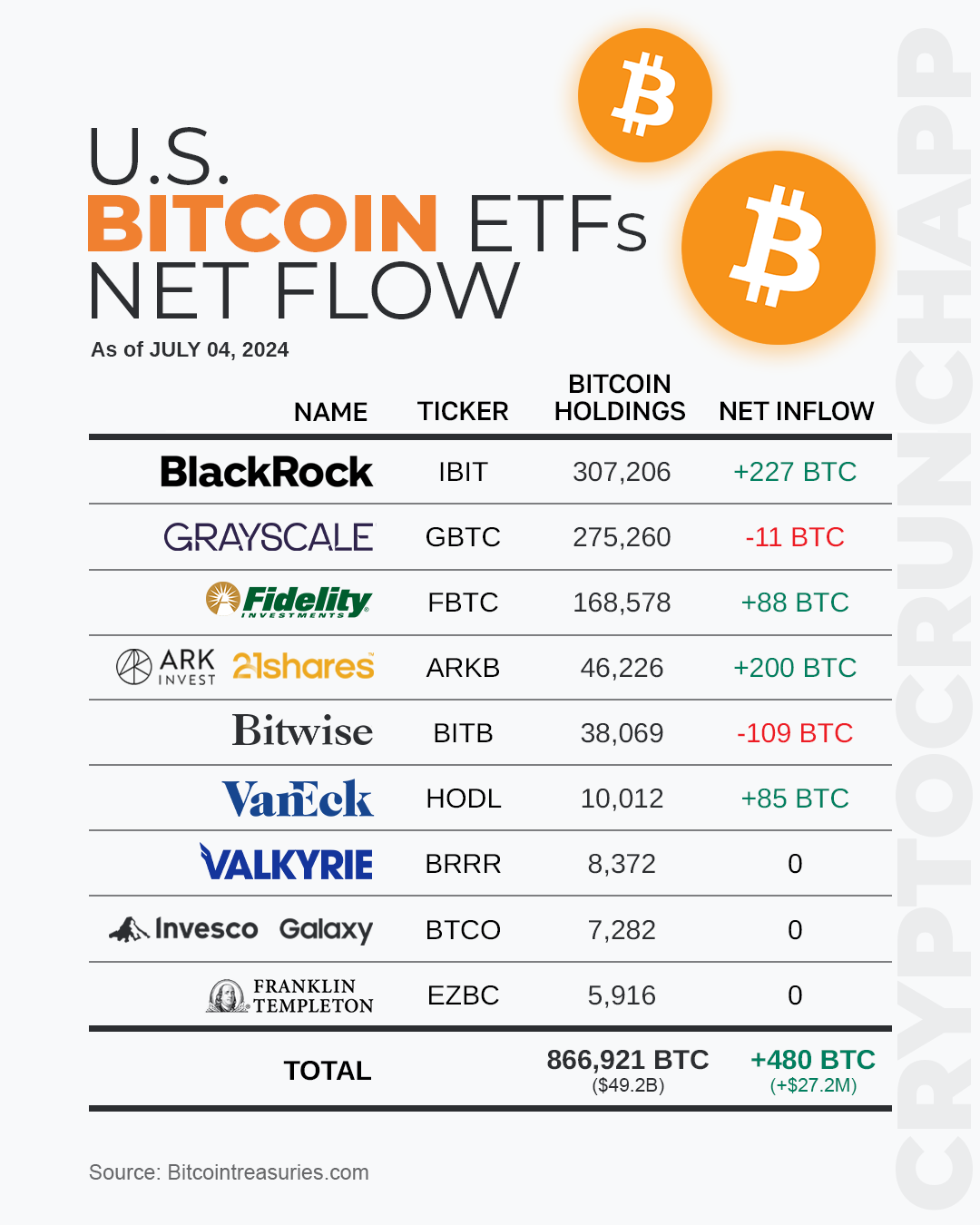

The U.S. Bitcoin ETF has been generating significant interest as it navigates the volatile world of cryptocurrency investments. On January 2, this high-profile fund experienced a notable net outflow of 2,061 BTC, highlighting the challenges faced by Bitcoin-focused exchanges amidst shifting market dynamics. In contrast, the Ethereum ETF enjoyed a robust net inflow of 12,930 ETH, suggesting a shift in investor sentiment towards alternative digital assets. This fluctuation in the U.S. Bitcoin ETF reflects broader trends captured in recent cryptocurrency ETF news, indicating the ongoing evolution of crypto investments. As we delve into the market’s forces, understanding the implications of such net outflows and inflows becomes vital for both seasoned investors and newcomers alike.
Bitcoin exchange-traded funds (ETFs) in the U.S. financial landscape are integral to comprehending the flow of investment capital in digital currencies. Recent activity illustrates a stark contrast in performance where the cryptocurrency-linked financial products are concerned; while the U.S. Bitcoin ETF faced a declining trend with outflows, the Ethereum ETF witnessed a healthy influx of assets. This divergence highlights the shifting preferences among crypto investors, especially as they react to real-time market fluctuations and opportunities. Alongside the Solana ETF, which has reported improved performance metrics, these trends offer a comprehensive snapshot of the current state of cryptocurrency funds and their influence on the broader financial ecosystem.
U.S. Bitcoin ETF Net Outflow Trends
As of January 2, the U.S. Bitcoin ETF recorded a significant net outflow of 2,061 BTC. This trend indicates growing volatility in the Bitcoin investment landscape, with investors withdrawing funds amidst changing market conditions. Over the past week, the net outflow accumulated to a total of 2,746 BTC, raising questions about the underlying factors contributing to this significant disinvestment. Monitoring similar trends could provide valuable insights into investor sentiment and market health.
The continued net outflow from the U.S. Bitcoin ETF might suggest a shift in investment strategies among crypto investors. Many are increasingly considering diversified options beyond Bitcoin, especially with the recent performance of Ethereum ETFs showing an opposite trend with significant inflows. Keeping a close watch on these metrics is essential for understanding the overall state of cryptocurrency investments in early 2023.
Ethereum ETF Sees Significant Inflow
In stark contrast to the U.S. Bitcoin ETF, the Ethereum ETF experienced a robust net inflow of 12,930 ETH on January 2. This development highlights the growing confidence among investors in Ethereum as a solid alternative to Bitcoin. With fluctuating market demands, the consistent increase in ETH investments suggests a possible reassessment of asset values among cryptocurrencies.
The overall trend of the Ethereum ETF is further emphasized by the net outflow of 12,629 ETH over the past week, representing a dip in some areas but overall showcasing the resilience of this digital asset. As investor portfolios adjust, Ethereum’s performance signifies robust market dynamics and encourages discussions around how cryptocurrency ETFs may reshape the investment landscape.
Solana ETF Performance Metrics and Market Reactions
The Solana ETF has been performing surprisingly well amid the recent market fluctuations, with an impressive net inflow of 30,799 SOL reported recently. This surge reflects a growing acceptance and belief in Solana’s potential among investors who are increasingly diversifying their crypto portfolios. The overall performance of the Solana ETF, with a net inflow of 96,181 SOL over the past week, solidifies its position in the cryptocurrency market in early 2023.
Such performance metrics bring attention to Solana’s unique value propositions, such as its high transaction speeds and low fees, making it an attractive option for investors. As crypto investments gain traction, Solana’s upward trends may signal a broader shift towards alternative cryptocurrencies that differentiate themselves from established players like Bitcoin and Ethereum.
Latest Cryptocurrency ETF News and Insights
Recent cryptocurrency ETF news underscores the importance of following inflow and outflow trends closely. The developments on January 2 showcased not just the contrasting fortunes of the Bitcoin and Ethereum ETFs, but also served as a reminder of the intricate factors influencing investor behavior. The increasing inflows into the Solana ETF highlight potential shifts in market confidence across different asset classes.
Key takeaways from these variations in ETF performances may prove critical for new investors entering the market. Understanding the surrounding environmental factors, such as economic indicators and technological advancements, could empower investors to make informed decisions regarding their crypto investments as 2023 unfolds.
Crypto Investments Trends in January 2023
As we progress into January 2023, crypto investments are navigating a complex landscape shaped by emerging trends. The significant net outflows from the U.S. Bitcoin ETF, contrasted with the rising inflows in other ETFs like Ethereum and Solana, suggest a pivotal moment in investor behavior. This dynamic highlights the necessity for stakeholders to remain vigilant and adaptive in their investment strategies.
Market analysts assert that the activity within Bitcoin and Ethereum ETFs could signal broader market sentiments that may influence future investment decisions. By tracking these trends closely, investors can quickly adapt their approaches to maximize opportunities in an ever-evolving cryptocurrency market.
Frequently Asked Questions
What was the recent performance of the U.S. Bitcoin ETF in January 2023?
On January 2, 2023, the U.S. Bitcoin ETF recorded a net outflow of 2,061 BTC. Over the preceding week, the total outflow reached 2,746 BTC, indicating a significant shedding of assets in the Bitcoin ETF.
How did the Ethereum ETF perform in comparison to the U.S. Bitcoin ETF?
In contrast to the U.S. Bitcoin ETF, the Ethereum ETF experienced a net inflow of 12,930 ETH on January 2, 2023, and a total net inflow of 12,629 ETH over the previous week. This difference highlights a positive trend for Ethereum-related crypto investments amid weakening sentiment in Bitcoin ETFs.
What are the recent trends in cryptocurrency ETF news in January 2023?
Crypto investments in January 2023 show fluctuating trends. The U.S. Bitcoin ETF has seen significant net outflows, while the Ethereum ETF and Solana ETF have experienced notable inflows, reflecting shifting investor interest and sentiment within the cryptocurrency ETF landscape.
What impact did the net outflows of Bitcoin ETFs have on investor sentiment?
The recent net outflows from the U.S. Bitcoin ETF could signal a shift in investor sentiment, potentially leading to reduced confidence in Bitcoin-focused funds compared to the net inflows seen in the Ethereum and Solana ETFs during the same period.
How did the Solana ETF perform amid recent U.S. Bitcoin ETF net outflow trends?
During the recent U.S. Bitcoin ETF net outflow period, the Solana ETF showed strong performance, registering a net inflow of 30,799 SOL on January 2, 2023, and a total inflow of 96,181 SOL over the week, indicating increasing investor interest in Solana as a viable cryptocurrency investment alternative.
| ETF Type | Net Flow on January 2 | Total Outflow/Inflows in Seven Days |
|---|---|---|
| U.S. Bitcoin ETF | -2,061 BTC | -2,746 BTC |
| Ethereum ETF | +12,930 ETH | -12,629 ETH |
| Solana ETF | +30,799 SOL | +96,181 SOL |
Summary
The U.S. Bitcoin ETF has notably seen a net outflow of 2,061 BTC on January 2, indicating a continuation of selling pressure in the market. This trend is concerning for investors who are closely monitoring the performance of Bitcoin ETFs in light of market dynamics. Meanwhile, the Ethereum ETF shows contrasting behavior with a net inflow, suggesting that investors may be shifting their focus toward Ethereum amidst the volatility in Bitcoin.
Related: More from Bitcoin News | BTC ETFs See $1.1B Inflows in Three Days, Set for Biggest Week | ETF Holders Preempt Potential Bitcoin Price Drop Below $60K