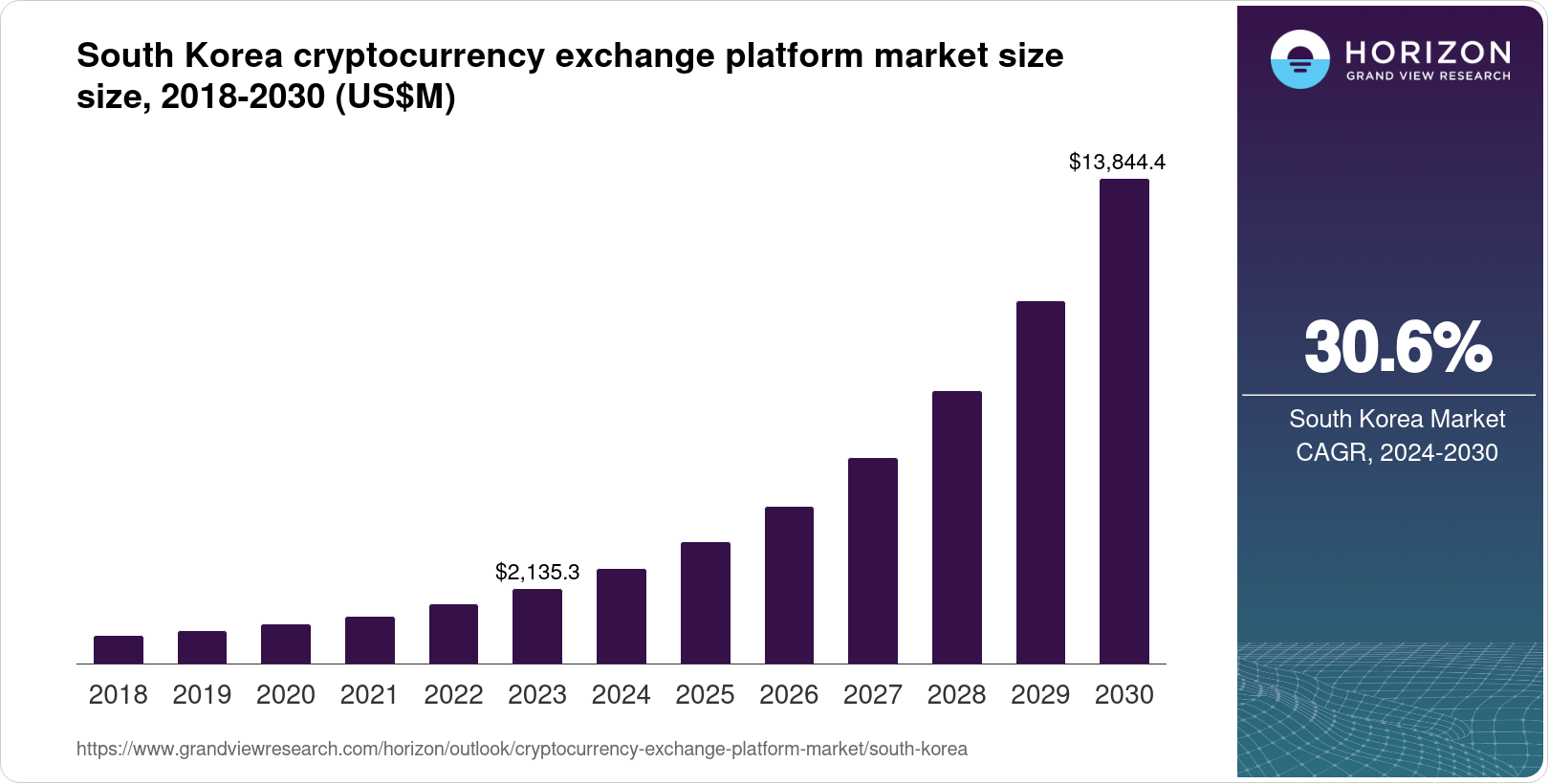

The Korean cryptocurrency market is navigating tumultuous waters as it grapples with stringent cryptocurrency regulations in Korea, forcing many investors to look abroad. In 2022 alone, more than 160 trillion won (approximately 110 billion USD) was transferred to foreign platforms due to local regulatory limitations. As South Korea’s cryptocurrency laws remain in flux, the momentum behind investing in cryptocurrencies has surged, with an estimated 10 million individuals engaging with digital assets. Despite the growth of popular Korean crypto exchanges like Upbit and Bithumb, revenue stagnation has sparked concern, particularly as more traders opt for overseas options like Binance and Bybit Korea. The evolving digital asset laws present both challenges and opportunities, underscoring the urgent need for a coherent regulatory framework in the local market.
The South Korean digital currency landscape is experiencing profound changes, marked by emerging policies and investor trends. With many citizens now exploring avenues for investments in digital currencies, there is a notable shift towards foreign trading platforms amid ongoing domestic regulatory challenges. This situation has led to a significant outflow of capital towards global exchanges such as Binance and Bybit, as many local investors seek advantageous trading conditions. As the number of cryptocurrency participants rises to unprecedented levels, the local exchanges face increasing pressure to deliver competitive services. The current regulatory environment, including the anticipated digital asset legislation, will play a crucial role in shaping the future of the crypto ecosystem in Korea.
The Current State of the Korean Cryptocurrency Market
The Korean cryptocurrency market is undergoing significant challenges, particularly due to regulatory restrictions that have driven many local investors overseas. In the previous year alone, it was estimated that an astonishing 160 trillion won has been transferred to foreign exchanges as a direct result of these regulations. This exodus of capital reflects the frustrations of Korean investors who are eager to participate in the growing digital asset landscape but find the local regulatory environment restrictive and prohibitive. Today, a staggering 10 million South Koreans are actively investing in cryptocurrencies, seeking opportunities that local exchanges like Upbit and Bithumb struggle to offer due to the stagnant regulatory framework.
The regulatory bottlenecks have not only affected investor sentiment but also the growth trajectory of local cryptocurrency exchanges. Without the necessary infrastructure and legal backing promised by the yet-to-be-implemented “Digital Asset Fundamental Law”, Korean platforms find it increasingly difficult to compete with more established international exchanges, particularly those like Binance and Bybit that provide complex trading products. This regulatory gap has led to concerns about market fairness and the ability of domestic exchanges to innovate and meet the needs of their growing user base.
Impact of Cryptocurrency Regulations in Korea
Cryptocurrency regulations in Korea remain a contentious issue, with many advocates arguing for clearer guidelines that protect investors while fostering innovation. The delay in the establishment of comprehensive digital asset laws has left a vacuum that foreign exchanges easily dominate. As these foreign platforms continuously attract Korean capital, domestic cryptocurrency exchanges face stagnation, limiting their potential in a rapidly evolving market. The lack of adequate regulations has raised concerns about investor protection and the integrity of financial practices in the local market.
Investing in cryptocurrencies becomes a double-edged sword under such regulatory uncertainty. While there are opportunities for profit, investors also face significant risks, particularly when using foreign exchanges that may not operate under the same stringent standards as local platforms. Regulatory clarity could enhance confidence in domestic exchanges, ameliorating fears about security, consumer rights, and market transparency. As key players in the tech and finance sectors push for reforms in cryptocurrency regulations, the future of investing in cryptocurrencies within Korea hangs in a delicate balance.
Challenges Faced by Korean Crypto Exchanges
The current limitations experienced by Korean crypto exchanges stem primarily from the extensive regulatory landscape imposed by the government. Platforms such as Upbit and Bithumb have enormous potential, yet they are hindered by laws that stymie innovation compared to their offshore counterparts. This environment restricts their ability to offer advanced trading options, such as derivatives and margin trading, which have become standard features in exchanges like Binance and Bybit. Consequently, many traders are opting to migrate to these overseas platforms, which offer a wider variety of investment tools and services.
While local exchanges attempt to adapt to these constraints, their growth has ultimately plateaued as they lack the capacity to engage with the wider investor market effectively. Furthermore, the phenomenon of shifting investors overseas highlights the urgent need for regulatory reform. With millions of active traders in Korea, the demand for diverse, competitive trading environments is clear. Regulatory authorities must act swiftly to bridge this gap, ensuring that domestic exchanges can provide the security and innovation expected by their user base.
The Rise of Overseas Platforms: Binance and Bybit
Korean investors have increasingly embraced overseas platforms such as Binance and Bybit due to the appealing features and trading options they provide. These platforms offer a range of services, including more complex derivatives and margin trading opportunities that local Korean exchanges are unable to match. The lure of higher liquidity, an extensive array of trading pairs, and lower fees significantly contribute to their popularity among Korean traders. This trajectory suggests that the gap between domestic offerings and international services must be addressed for local exchanges to remain viable.
As Binance and Bybit continue to expand their reach into the Korean cryptocurrency market, they have also heightened competition, posing challenges for domestic trading platforms to attract and retain users. Many analysts argue that for Korean exchanges to reclaim their lost market share, regulatory frameworks must evolve to create a fair and competitive environment. Moreover, educating Korean investors on the importance of security and compliance will be essential for re-establishing confidence in local platforms.
Future Prospects for Digital Asset Regulations in Korea
The future of digital asset regulations in Korea is under intense scrutiny as stakeholders call for urgent reform to bridge the widening gap caused by current policies. As the global cryptocurrency landscape evolves, maintaining relevance in a highly competitive market will require a proactive regulatory approach. The impending ‘Digital Asset Fundamental Law’ promises to offer clarity on how cryptocurrencies will be treated, impacting everything from investment strategies to the operations of trading platforms. The government’s ability to implement sound regulations could play a transformative role in defining the future integrity and competitiveness of Korean cryptocurrency markets.
With the potential growth of cryptocurrencies as mainstream investment assets, it is crucial for regulatory bodies to not only protect investors but also foster an environment where innovation thrives. This may include revisions to existing laws concerning securities, capital gains, and taxation, specifically designed for digital assets. Should the government effectively address these challenges, Korea could emerge as a leader in cryptocurrency innovation, attracting both local and international investors.
Investor Sentiment in the Korean Crypto Market
The current investor sentiment in the Korean cryptocurrency market is punctuated by a blend of excitement and trepidation. As more individuals engage with cryptocurrencies, their aspirations for lucrative returns are often met with the sobering realities of regulatory uncertainty. Many investors are frustrated by the current landscape, prompting them to look for opportunities outside Korea that offer robust trading products and better regulatory environments. Nevertheless, these sentiments also point to the resilience of the local market, as traders continue to adapt to challenges and explore ways to engage with digital assets.
In the face of a regulatory bottleneck, educating investors becomes paramount. Increasing awareness of risks associated with overseas trading, alongside the merits of participating in a regulated domestic marketplace, can help shape more secure investment practices. As awareness grows regarding the long-term implications of digital asset laws, Koreans can develop a more favorable outlook towards investing in cryptocurrencies, fostering a vibrant domestic industry that benefits all participants.
The Technological Landscape of Cryptocurrency in Korea
The technological advancements surrounding cryptocurrency have rapidly progressed, with South Korea at the forefront of blockchain innovation. This tech-savvy nation has witnessed a surge in startups focused on blockchain services, contributing to a dynamic ecosystem that thrives on technological proliferation. As the country moves towards solidifying its digital asset regulations, it simultaneously invests in enhancing its technological framework to support cryptocurrencies, setting the stage for a more integrated market that benefits both innovators and investors.
These technological developments are critical as the cryptocurrency landscape evolves. By investing in cutting-edge technology, Korean companies can differentiate themselves from international platforms while adhering to evolving regulations. This creates the potential for unique offerings exclusive to the Korean market, aiming to enhance user experience while staying compliant with guidelines outlined in the future digital asset laws. Ultimately, the harmonious relationship between technology and regulation will shape the trajectory of cryptocurrency in Korea, fostering an environment conducive to innovation and investment.
Challenges to Compliance for Crypto Investors
A significant concern affecting investors in the Korean cryptocurrency space is compliance with a complex mosaic of regulations and tax implications. As domestic laws continue to evolve, navigating these regulations can be daunting for many traders, especially those seeking to engage with overseas platforms that may not align with local requirements. This complexity may deter potential investors who fear the repercussions of non-compliance or misunderstand the implications of new laws on their trading activities.
To mitigate these challenges, there is an urgent need for educational resources that empower investors with knowledge about local regulations, tax obligations, and security practices. Creating accessible materials can foster a culture of compliance, helping investors understand their rights and responsibilities within this emerging landscape. Ultimately, addressing the compliance challenges will be vital for harnessing the full potential of the cryptocurrency market in Korea, ensuring its growth in a secure and transparent manner.
Adapting Strategies for a Shifting Crypto Landscape
The shifting landscape of the Korean cryptocurrency market compels investors to adapt their strategies in line with evolving regulations and market dynamics. As opportunities grow overseas, local investors must weigh the benefits of international platforms against the potential risks involved with compliance. They should consider diversified investment strategies that incorporate both domestic and international trading practices, allowing them to navigate the market smarter while adhering to local laws.
Investors can enhance their approach by staying informed about regulatory changes and adopting best practices for risk management. Engaging with reliable market information and participating in discussions about cryptocurrency regulations can bolster one’s understanding of the landscape. By adapting to these shifts and remaining vigilant, investors can position themselves advantageously in a market that is rapidly changing, enabling them to seize potential opportunities while minimizing exposure to regulatory pitfalls.
Frequently Asked Questions
What are the current cryptocurrency regulations in Korea?
The current cryptocurrency regulations in Korea are evolving, with a focus on implementing the ‘Digital Asset Fundamental Law’. Due to existing restrictions, many investors are turning to overseas platforms, highlighting the regulatory gap that needs to be addressed to foster growth in the Korean cryptocurrency market.
How can I invest in cryptocurrencies in Korea?
To invest in cryptocurrencies in Korea, you typically need to register on a local exchange such as Upbit or Bithumb. However, due to stringent regulations, many investors are exploring overseas platforms like Binance and Bybit to access a wider range of trading options.
What is the impact of Korean regulations on local crypto exchanges?
Korean regulations are impacting local crypto exchanges by creating stiff competition with overseas platforms. Many investors are preferring platforms like Binance and Bybit due to the enhanced services and trading products they offer, which has led to stagnation in the growth of Korean crypto exchanges.
Why are investors moving to foreign cryptocurrency exchanges like Binance and Bybit?
Investors are moving to foreign cryptocurrency exchanges like Binance and Bybit due to the regulatory challenges in Korea that limit trading options and innovations on local platforms. The availability of more complex trading products on these overseas exchanges is also a significant attraction.
What are the challenges faced by Korean crypto exchanges?
Korean crypto exchanges face significant challenges due to regulatory bottlenecks and stiff competition from international platforms. This has resulted in a stagnant growth environment, as investors seek more attractive trading conditions abroad.
What trends are emerging in the Korean cryptocurrency market?
Emerging trends in the Korean cryptocurrency market include an increasing number of investors, now totaling around 10 million, and a notable inflow of capital into foreign exchanges due to regulatory gaps in domestic laws.
How does the ‘Digital Asset Fundamental Law’ affect the Korean cryptocurrency market?
The ‘Digital Asset Fundamental Law’ aims to provide a clearer regulatory framework for the Korean cryptocurrency market. However, its delay in implementation has resulted in a regulatory gap, causing investors to shift to overseas exchanges for better trading options.
What is the scale of trading revenue for Korean cryptocurrency platforms?
The scale of trading revenue for Korean cryptocurrency platforms such as Upbit and Bithumb has reached several trillion won, indicating a robust trading activity, even amid significant capital outflow to foreign exchanges.
What safety measures should I consider when trading cryptocurrencies in Korea?
When trading cryptocurrencies in Korea, it’s crucial to use exchanges with strong regulatory compliance, prioritize security features such as two-factor authentication, and be aware of the evolving digital asset laws that could impact your trading activities.
How does the investment behavior of Koreans influence the global cryptocurrency market?
The investment behavior of Koreans, particularly their tendency to move funds overseas amidst local regulatory restrictions, is influencing the global cryptocurrency market by increasing liquidity and trading volumes on international platforms.
| Key Points | Details |
|---|---|
| Regulatory Bottlenecks | The Korean cryptocurrency market is experiencing delays in regulatory frameworks, causing significant concerns among investors. |
| Funds Migration | Over 160 trillion won (approximately $110 billion) transferred to overseas platforms by Korean investors in the past year due to domestic restrictions. |
| Investment Growth | The number of cryptocurrency investors in Korea has surged to 10 million, highlighting the growing popularity of digital assets. |
| Stagnation of Local Platforms | Domestic exchanges like Upbit and Bithumb have seen their growth stall as competition with overseas platforms intensifies. |
| Market Concerns | Investors express worries regarding the ability of local trading platforms to remain competitive against international options that offer better products. |
Summary
The Korean cryptocurrency market is currently hindered by regulatory bottlenecks, compelling many investors to move their funds to foreign exchanges. With an influx of over 160 trillion won to overseas platforms, the gap in local regulations has not only halted the growth of domestic exchanges but has also raised significant concerns about competitiveness in this burgeoning market. As the number of Korean investors continues to rise, the need for a robust regulatory framework becomes more critical to harness the potential of the Korean cryptocurrency landscape.
Related: More from Regulation & Policy | Blocks Retreat Signals Broader Payments Shifts | Cardone Announces Real Estate Portfolio Tokenization