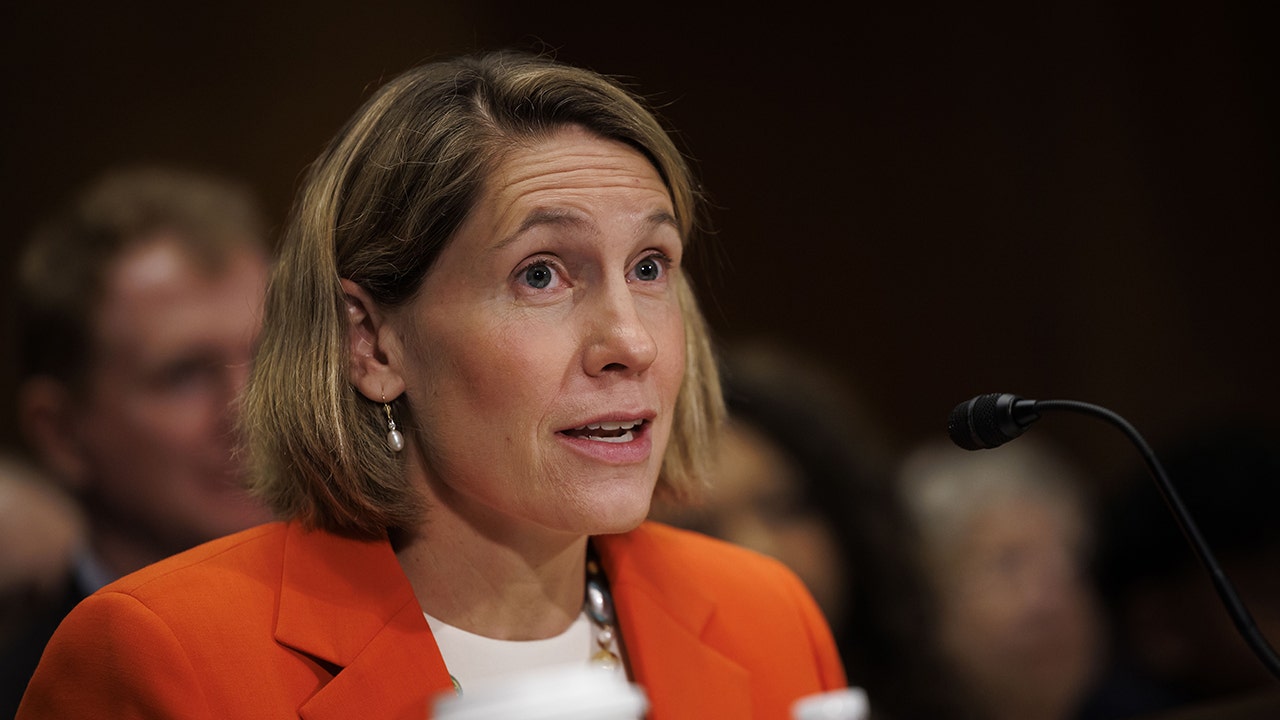

In a surprising turn of events, Caroline Crenshaw has announced her resignation from her position as a commissioner at the U.S. Securities and Exchange Commission (SEC). Known for her critical stance on cryptocurrency, Crenshaw’s departure raises questions about the future of cryptocurrency regulation in the U.S., particularly regarding guidance on meme coins. During her tenure, she often voiced her discontent over the lack of clarity in the SEC’s directives, emphasizing that the agency’s role was to protect investors and uphold market integrity. Her recent commentary, including the controversial report “Crypto 2.0: Regulatory Whiplash,” positioned her as a vocal critic of inconsistent enforcement actions that could mislead the public regarding crypto compliance. As the SEC navigates an increasingly complicated landscape of digital assets, Crenshaw’s resignation may signal a shift in the regulatory focus on cryptocurrency.
The resignation of Caroline Crenshaw from the SEC has sent ripples through the financial and cryptocurrency communities, igniting discussions about the regulatory framework surrounding digital assets. As one of the commission’s notable figures skeptical of crypto assets, her exit prompts speculation regarding future policies on digital currencies and the oversight of emerging trends such as meme coin trading. Observers are keen to see how her departure will influence the SEC’s approach to providing clear direction for cryptocurrency regulation, especially in light of criticisms surrounding the enforcement practices that she publicly addressed. The evolving landscape of crypto governance calls for a robust dialogue about investor protection and market transparency, which was a central theme in Crenshaw’s tenure. With her resignation, the conversation around effective guidance for the cryptocurrency sector is more relevant than ever.
Caroline Crenshaw Resignation: A Turning Point for the SEC
The recent resignation of Caroline Crenshaw from her position as a commissioner at the U.S. Securities and Exchange Commission (SEC) marks a significant shift in the agency’s approach to cryptocurrency regulation. Known for her skepticism towards the crypto industry, Crenshaw often voiced her concerns regarding the lack of clarity and guidance surrounding investments in cryptocurrencies and meme coins. This upheaval has many within the financial markets speculating about the future direction of the SEC, particularly concerning enforcement actions and regulatory policies that impact digital assets.
Crenshaw’s departure could lead to new leadership at the SEC that may prioritize more balanced cryptocurrency regulations. With her outspoken criticisms, including those aimed at major players like Coinbase and the overall enforcement credibility of the SEC, her resignation raises questions about whether the agency will adopt a more lenient stance towards cryptocurrency regulations or continue to impose stringent measures. As the SEC navigates this transition, stakeholders are closely watching for new guidance that may impact investor confidence in emerging digital markets.
The Implications of Crenshaw’s Departure on Cryptocurrency Regulation
Caroline Crenshaw’s resignation is expected to have far-reaching implications for cryptocurrency regulation in the United States. Her tenure at the SEC was marked by her critical perspective on various aspects of crypto governance, including the agency’s lack of clear definitions regarding meme coins. This ambiguity has left many investors vulnerable and confused, as they seek clarity on legal frameworks for digital asset investments. As the SEC seeks to fill her position, there is a pressing need for guidance that will provide unmistakable regulations that can protect consumers while fostering innovation in the cryptocurrency space.
With Crenshaw having highlighted the detrimental effects of severe enforcement actions on regulatory credibility and market perception, her absence may push the SEC to rethink its approach towards crypto enforcement. Investors and cryptocurrency advocates are anxious to see if her successor will adopt a more collaborative stance towards the industry, especially in generating clearer regulatory frameworks for new and popular crypto assets. As the landscape of cryptocurrency continues to evolve, the SEC’s new leadership will play a crucial role in shaping policies that could either stifle or advance the growth of this dynamic market.
The Future of SEC’s Role in Cryptocurrency and Meme Coin Oversight
The SEC is at a crossroads following Caroline Crenshaw’s resignation, especially regarding its oversight of cryptocurrency and meme coins. There is an urgent need for the commission to refine its approach to regulation as these assets gain increasing popularity among investors. Historically, the SEC has faced criticism for its reactive enforcement actions rather than proactively establishing clear regulatory frameworks. Moving forward, the agency will need to strike a balance between protecting investors and fostering innovation in the fast-paced cryptocurrency market.
As discussions surrounding cryptocurrency regulation intensify, stakeholders expect the SEC to provide clearer guidance on what constitutes acceptable practices in the meme coin market. The agency’s past inaction or unclear regulations on such assets has contributed to market volatility and confusion among investors. The urgency for precise regulations has never been greater, particularly with an influx of new cryptocurrencies and meme-inspired tokens entering the market. Stakeholders hope that with fresh leadership, the SEC will prioritize comprehensive crypto guidance to enhance market stability and investor protection.
Impact of Crenshaw’s Regulatory Philosophy on Future SEC Actions
Caroline Crenshaw’s regulatory philosophy, which emphasized investor protection and corporate accountability, has left a legacy that will inform future SEC actions. Her critical stance toward the cryptocurrency industry has drawn attention to the potential risks associated with digital assets, emphasizing the need for transparent and fair practices. This legacy will surely provoke debate among her successors as the SEC navigates the complexities of cryptocurrency regulation, including meme coins and DeFi innovations.
The scrutiny that Crenshaw applied to regulations may lead to a continued focus on investor education and market integrity, especially as cryptocurrency becomes more mainstream. Her resignation opens a new chapter for the SEC that could shift toward a more innovative and growth-oriented mandate. However, it also raises the question of whether the commission will maintain strict oversight over cryptocurrencies, proving that the future of SEC regulations will likely be a hot topic among investors, regulators, and corporate leaders alike.
The Intersection of Cryptocurrency Regulation and Investor Protection
The relationship between cryptocurrency regulation and investor protection is underscored by the recent resignation of Caroline Crenshaw. Throughout her tenure, Crenshaw championed the need to safeguard investors amidst the burgeoning cryptocurrency market. She frequently criticized the lack of clarity in existing regulations, which she believed created a perilous environment for investors participating in meme coins and other digital assets. With her departure, the SEC is at a crucial juncture to redefine its regulatory posture toward investor protection in the cryptocurrency landscape.
The SEC must reconcile its dual mandate of protecting investors while encouraging capital formation in the rapidly evolving digital asset landscape. As new cryptocurrencies and innovative financial products emerge, ensuring that regulations evolve concurrently is vital. Stakeholders and investors alike are eager to see whether the SEC will continue to prioritize investor protection or balance those priorities with more lenient regulations that could spur innovation in the crypto market.
Evaluating the SEC’s Cryptocurrency Enforcement Policies Post-Crenshaw
In light of Caroline Crenshaw’s resignation, evaluating the SEC’s enforcement policies regarding cryptocurrency becomes increasingly important. Under her leadership, the SEC adopted a stringent approach aimed at curbing speculation in the crypto markets. However, this approach was not without criticism, as it often left the industry grappling with ambiguity and confusion. As the regulatory landscape shifts, it remains to be seen whether the SEC will maintain its tough stance or consider a more flexible framework to accommodate the evolving needs of the cryptocurrency community.
Future SEC enforcement actions will likely reflect the changing dynamics of cryptocurrency adoption and innovation. Industry participants are awaiting new precedents that could clarify the boundaries of compliance for cryptocurrency exchanges and issuers, particularly in the context of meme coins. The agency’s subsequent steps will not only determine the future regulatory environment but will also significantly influence how the broader market perceives participation in cryptocurrency investments.
The Role of Public Opinion in Shaping SEC Regulations
Public opinion plays a crucial role in shaping SEC regulations, especially in the aftermath of Caroline Crenshaw’s resignation. As a commissioner who frequently consulted public sentiment, Crenshaw’s views often echoed the concerns of average investors regarding transparency and clarity in the cryptocurrency space. Moving forward, public feedback may push the SEC to adopt more consumer-friendly guidance that addresses widely held anxieties surrounding cryptocurrency investing, particularly as it pertains to meme coins and the associated risks.
The SEC’s responsiveness to public opinion could lead to a regulatory framework that not only enforces rules but also establishes an engaging dialogue with cryptocurrency stakeholders. This engagement is vital in understanding the practical implications of proposed regulations and ensuring they resonate with the community’s needs. As a new chapter unfolds following Crenshaw’s departure, the SEC’s willingness to listen to public sentiment will be key to fostering a more robust and inclusive regulatory environment for cryptocurrency enthusiasts.
Prospects for New Leadership and Regulatory Changes
The prospects for new leadership at the SEC come with a mixture of hope and concern for the future of cryptocurrency regulation. Caroline Crenshaw’s resignation opens the door for potential changes that could signal a more favorable stance towards crypto innovation. Many industry advocates are optimistic that a new commissioner could prioritize the establishment of clearer regulations that align with the fast-paced nature of the cryptocurrency market while still ensuring investor protection.
As new leadership assumes its role, the SEC may have the opportunity to redefine its approach to cryptocurrencies and meme coin regulations. This potential shift comes at a time when digital assets are gaining traction among mainstream investors, thus emphasizing the need for clearer guidelines. The challenge will be finding the right balance between fostering innovation and guarding against risks, ensuring that the regulatory landscape supports a thriving marketplace while maintaining the integrity of investor protections.
Frequently Asked Questions
What were the reasons behind Caroline Crenshaw’s resignation from the SEC?
Caroline Crenshaw resigned from the SEC amid her critical stance on cryptocurrency regulation. She expressed concerns about the lack of clear legal definitions in the SEC’s guidance on meme coins and criticized enforcement actions that impacted regulatory credibility. Her departure may signal a shift in the SEC’s approach to crypto oversight.
How did Caroline Crenshaw’s views on cryptocurrency regulation influence her actions at the SEC?
Caroline Crenshaw was known as a skeptic of cryptocurrency, advocating for clearer regulatory guidance. Her perspectives shaped her criticism of the SEC’s approaches to meme coins and enforcement actions, highlighting the need for integrity in investor protection and capital markets.
What impact did Caroline Crenshaw’s resignation have on the SEC’s stance on cryptocurrency regulation?
Caroline Crenshaw’s resignation could signal a potential shift in the SEC’s approach to cryptocurrency regulation. Known for her critical views on the existing crypto guidance, her departure raises questions about how the SEC will address regulatory challenges associated with cryptocurrency and meme coins moving forward.
What criticisms did Caroline Crenshaw voice regarding the SEC’s guidance on meme coins?
Caroline Crenshaw criticized the SEC’s guidance on meme coins, arguing that it lacked clear legal definitions. She highlighted that ambiguous regulations could mislead investors and undermine the commission’s credibility, emphasizing the importance of clear and actionable regulatory frameworks for emerging digital assets.
What was the significance of Caroline Crenshaw’s paper ‘Crypto 2.0: Regulatory Whiplash’?
In her paper ‘Crypto 2.0: Regulatory Whiplash’, Caroline Crenshaw addressed the challenges of cryptocurrency regulation, particularly criticizing the SEC’s enforcement actions and their effects on the industry’s perception. The paper underscored her commitment to investor protection and the need for a properly defined regulatory environment.
| Key Point | Details |
|---|---|
| Commissioner Departure | Caroline Crenshaw resigns from the SEC, marking a significant change in the commission. |
| Criticism of Cryptocurrency | Crenshaw was a skeptic of cryptocurrency and pointed out the lack of clear legal definitions for meme coins. |
| Regulatory Concerns | In her writings, Crenshaw criticized Coinbase for actions that damaged regulatory credibility and misled the public regarding law enforcement priorities. |
| Focus on Investor Protection | She emphasized that the SEC’s primary duty is to protect the interests of investors, issuers, and capital markets. |
Summary
The recent Caroline Crenshaw resignation from the SEC highlights her critical stance towards cryptocurrency and the need for clearer regulatory guidelines. As a notable figure in the commission, her departure may impact future regulatory approaches towards digital assets. Crenshaw’s advocacy for investor protection and critique of enforcement policies underscore the ongoing discussion on the role of regulatory bodies in the evolving financial landscape.
Related: More from Regulation & Policy | Blocks Retreat Signals Broader Payments Shifts | Cardone Announces Real Estate Portfolio Tokenization