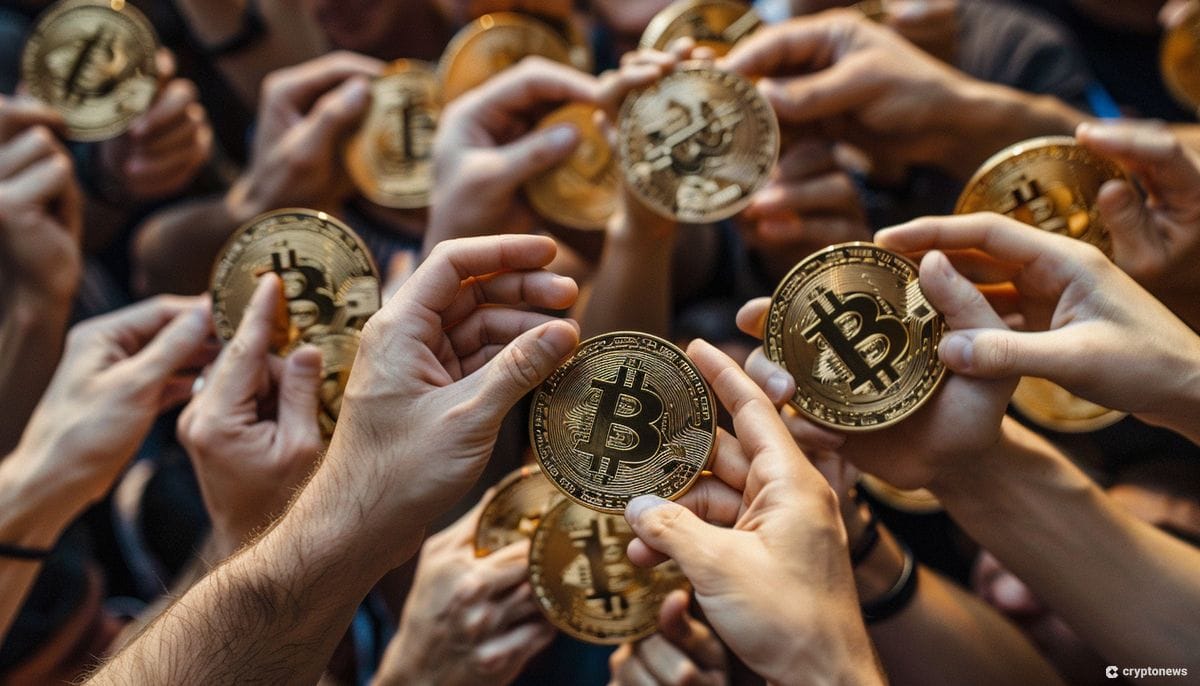

Bitcoin and AI in El Salvador are poised to revolutionize the country’s economic landscape, heralding a new era of financial innovation. With the El Salvador Bitcoin policy setting the foundation for this transformation, the government aims to leverage Bitcoin alongside artificial intelligence to enhance digital infrastructure. The nation’s abundant geothermal energy will power data centers, creating optimal conditions for Bitcoin mining and AI operations. This initiative not only supports the burgeoning decentralized finance sector in El Salvador but also fosters a climate for advanced AI education programs El Salvador is keen to adopt. As the country embraces these technologies, it seeks to attract global investments while navigating its unique cryptocurrency journey.
The intersection of cryptocurrency and machine learning in Central America holds significant promise for transformative growth. In recent developments, the government of El Salvador has initiated policies to blend blockchain technology with sophisticated AI solutions, seeking to optimize financial systems through Bitcoin’s potential. By harnessing the country’s geothermal resources, El Salvador aims to develop a thriving ecosystem that benefits from both Bitcoin’s decentralized storage and AI’s analytical prowess. As a result, initiatives designed to elevate AI education programs are emerging, positioning the nation as a forward-thinking leader in technological integration. This strategic endeavor is expected to create vast opportunities in decentralized finance, expanding the nation’s economic horizons.
El Salvador’s Forward-Thinking Approach to Bitcoin Policy
El Salvador has taken a bold step by officially announcing its national policy aimed at integrating Bitcoin with artificial intelligence. This move is not just a leap into cryptocurrency but also a strategic use of technology to foster economic growth. As the country accumulates substantial Bitcoin reserves amounting to over 7,517 BTC, valued at approximately $660 million, it signifies a commitment to becoming a leader in digital finance. The government’s vision includes the establishment of a conducive business environment, where decentralized finance can thrive alongside innovative technology solutions.
Alongside its accumulation of Bitcoin, El Salvador is looking to harness the potential of geothermal energy to power its technological initiatives. By utilizing the abundant geothermal energy resources, the country plans to build state-of-the-art data centers that will support both Bitcoin transactions and AI development. This progressive policy underscores El Salvador’s ambition to create sustainable energy solutions that align perfectly with the growing demands of the cryptocurrency and AI industries.
The Intersection of Bitcoin and AI in El Salvador
The integration of Bitcoin and artificial intelligence in El Salvador presents a unique opportunity for the country to bolster its economy and enhance technological adoption. With plans to develop AI special zones that promote the automation industry, El Salvador aims to attract both local and international investments. These zones will serve as incubators for innovation, providing an environment where businesses can flourish without the burden of excessive taxation.
Moreover, the legislation has been amended to make the acceptance of Bitcoin voluntary, a significant shift that encourages wider participation in the cryptocurrency landscape. By making taxation based on US dollars rather than Bitcoin, the country alleviates concerns about volatility, allowing businesses and consumers to engage with Bitcoin more comfortably. As a result, the landscape for Bitcoin and AI integration is ripe for innovation and growth.
Harnessing Geothermal Energy for Bitcoin Mining
El Salvador’s geothermal energy resources offer a sustainable solution for Bitcoin mining, which is often criticized for its environmental impact. By tapping into this renewable energy source, the country sets a precedent for how cryptocurrency can be mined responsibly. The government has recognized this potential and is committing to building infrastructure that will facilitate mining operations powered by geothermal energy.
Utilizing geothermal energy not only ensures that Bitcoin mining is sustainable but also positions El Salvador as a hub for energy-efficient mining operations. With a lower carbon footprint, this approach can attract environmentally conscious investors and entrepreneurs who are looking to partake in Bitcoin transactions without contributing to climate change. Additionally, this strategy aligns with global trends towards sustainability and could elevate El Salvador’s profile in the crypto space.
AI Education Programs in El Salvador
As part of its ambitious plan, El Salvador is focused on fostering a future-ready workforce through comprehensive AI education programs. Collaborating with organizations like Genius Act and xAI, the government aims to implement initiatives that equip citizens with the skills necessary to thrive in a technology-driven economy. These programs will not only enhance technical skills but also promote critical thinking and problem-solving abilities in the field of artificial intelligence.
By investing in education, El Salvador is ensuring that its populace is prepared to take advantage of job opportunities arising from the integration of AI and Bitcoin. This proactive approach is crucial as the demand for skilled professionals in technology continues to grow exponentially. Furthermore, these educational strides can position El Salvador as a leader in tech education within the region, attracting more foreign investments and enhancing its overall economic landscape.
The Role of Decentralized Finance in El Salvador’s Economy
Decentralized finance (DeFi) represents a significant shift in how financial services are delivered, and El Salvador is at the forefront of this revolution. By embracing Bitcoin and promoting DeFi solutions, the country is creating innovative alternatives to traditional banking systems. This transformation aims to empower individuals by providing access to financial services without the need for intermediaries, which can often be costly and inaccessible.
As the government invests in decentralized finance, it encourages local entrepreneurs to develop and implement solutions that can cater to the unique needs of the Salvadoran people. This grassroots movement in finance could lead to enhanced financial inclusion, allowing more individuals to participate in the economy and benefiting from the global cryptocurrency ecosystem. In this way, El Salvador is not only leveraging Bitcoin but also shaping its economic future through DeFi.
International Support for El Salvador’s Bitcoin Initiative
El Salvador’s ambitious plan to integrate Bitcoin and artificial intelligence has received international attention, particularly from the International Monetary Fund (IMF). The approval of $1.4 billion in funding signals a strong belief in the country’s economic potential and the viability of its Bitcoin policy. This financial backing will undoubtedly bolster the country’s infrastructure projects, especially those related to renewable energy and technology.
This international support not only provides necessary financial resources but also instills confidence among investors. As El Salvador positions itself as a pioneer in Bitcoin integration, the collaboration with global financial institutions will enhance its legitimacy in the cryptocurrency market. It is this blend of local initiatives and international cooperation that could help redefine the country’s economic landscape, paving the way for sustainable growth.
Future Prospects for Bitcoin and AI in El Salvador
Looking ahead, the future of Bitcoin and artificial intelligence in El Salvador is promising. As the country continues to embrace technology, it is expected to see transformative changes across various sectors. The establishment of AI zones and integration with Bitcoin could lead to developments that revolutionize how businesses operate, making them more efficient and competitive.
Moreover, the global trend towards digitization presents immense opportunities for El Salvador, particularly in exporting technology and expertise. By nurturing a tech-savvy workforce and innovation-driven ecosystem, the country can enhance its global standing as a hub for technology and finance. With the right policies in place, El Salvador’s forward-looking approach could inspire other nations and set a model for the future of economics in the digital era.
Challenges and Considerations in Bitcoin Integration
Despite its ambitious goals, El Salvador faces several challenges in integrating Bitcoin and artificial intelligence into its economy. Concerns over the volatility of Bitcoin and its implications for financial stability are paramount. The government must address these issues to ensure that citizens feel secure in using Bitcoin as part of their daily transactions.
Additionally, there are educational and infrastructure hurdles that need to be overcome. While AI education programs are a step in the right direction, ensuring that all citizens have access to technology and training is essential for widespread adoption. By mitigating these challenges, El Salvador can create a balanced approach that promotes innovation while safeguarding its economic future.
The Geopolitical Implications of El Salvador’s Bitcoin Policy
El Salvador’s decision to adopt Bitcoin as a part of its national policy carries significant geopolitical implications. As one of the first countries to embrace cryptocurrency at a national level, it may influence other nations to reconsider their own stances on Bitcoin and similar technologies. This pioneering approach could shift the balance of power in international finance, particularly in Central America and beyond.
Moreover, El Salvador’s unique position may attract attention from global tech companies and investors looking to establish a foothold in the cryptocurrency market. The country’s willingness to experiment with Bitcoin and AI could foster partnerships and investments that further boost its economy. However, it remains essential for political leaders to navigate the geopolitical landscape wisely to maximize benefits while minimizing risks associated with such a disruptive financial technology.
Frequently Asked Questions
What is El Salvador’s Bitcoin policy regarding artificial intelligence integration?
El Salvador has announced a national policy focused on integrating Bitcoin with artificial intelligence, aiming to utilize geothermal energy to power data centers. This initiative will also create AI special zones, promoting a tax-free environment for the automation sector and decentralized financial services.
How does geothermal energy relate to Bitcoin mining in El Salvador?
El Salvador plans to leverage its geothermal energy surplus to power Bitcoin mining operations. This approach not only supports sustainable Bitcoin production but also complements the nation’s strategy of using clean energy to bolster its emerging tech industry.
What are the benefits of AI education programs in El Salvador?
AI education programs in El Salvador, supported by collaborations with tech leaders like Genius Act and xAI, aim to equip citizens with essential skills in artificial intelligence. These programs will foster innovation, enhance job prospects, and drive economic growth in the context of Bitcoin integration.
What changes have been made to Bitcoin’s legal tender status in El Salvador?
El Salvador has amended its legislation to shift from mandatory acceptance of Bitcoin as legal tender to a voluntary basis. This change aims to encourage a more flexible economic environment while still promoting Bitcoin adoption alongside the national strategy for AI and technology.
How is decentralized finance being supported in El Salvador?
Decentralized finance in El Salvador is being supported through the creation of a regulatory framework that aligns with the Bitcoin and AI integration strategy. The establishment of AI special zones offers a tax-free environment, encouraging investments in finance technologies and boosting the crypto ecosystem.
What role does the International Monetary Fund play in El Salvador’s Bitcoin and AI initiatives?
The International Monetary Fund has provided El Salvador with $1.4 billion in funding support as part of its initiative to integrate Bitcoin and AI. This support aids in fostering economic development while ensuring the appropriate assessment of taxes in US dollars.
How does El Salvador’s Bitcoin policy intend to benefit the automation industry?
El Salvador’s Bitcoin policy is designed to benefit the automation industry by creating AI special zones that offer a tax-free framework. This incentivizes tech companies to set up operations that combine Bitcoin with artificial intelligence, enhancing growth in the sector.
What partnerships is El Salvador forming to enhance its AI capabilities alongside Bitcoin?
To enhance its AI capabilities while integrating Bitcoin, El Salvador is partnering with technological leaders like Genius Act and xAI. These partnerships focus on implementing AI-driven educational programs and fostering innovation within the country’s tech landscape.
| Key Points | Details |
|---|---|
| National Policy Announcement | Integration of Bitcoin with AI as of January 1, 2026. |
| Treasury Reserves | 7,517 bitcoins valued at over $660 million. |
| Geothermal Energy Usage | Surplus geothermal energy will be used to build data centers and AI special zones. |
| Tax Incentives | A tax-free environment for the automation industry and decentralized financial services. |
| Legislation Changes | Voluntary acceptance of Bitcoin as legal tender, with taxes assessed in US dollars. |
| Funding Support | Secured $1.4 billion in funding from the International Monetary Fund. |
| Collaborations | Working with Genius Act and xAI on AI-driven educational programs nationwide. |
Summary
Bitcoin and AI in El Salvador is a pioneering initiative that showcases the country’s innovative approach to integrating cryptocurrency with advanced technology. By leveraging its abundant geothermal energy, El Salvador aims to create a robust infrastructure for AI and digital financial services. With significant treasury reserves and legislative changes to facilitate this transformation, the country is positioning itself as a leader in the digital economy. Collaborations with major tech firms further enhance its educational and technological landscape, promising a future where Bitcoin and AI not only coexist but thrive in synergy.
Related: More from Bitcoin News | BTC ETFs See $1.1B Inflows in Three Days, Set for Biggest Week | ETF Holders Preempt Potential Bitcoin Price Drop Below $60K