


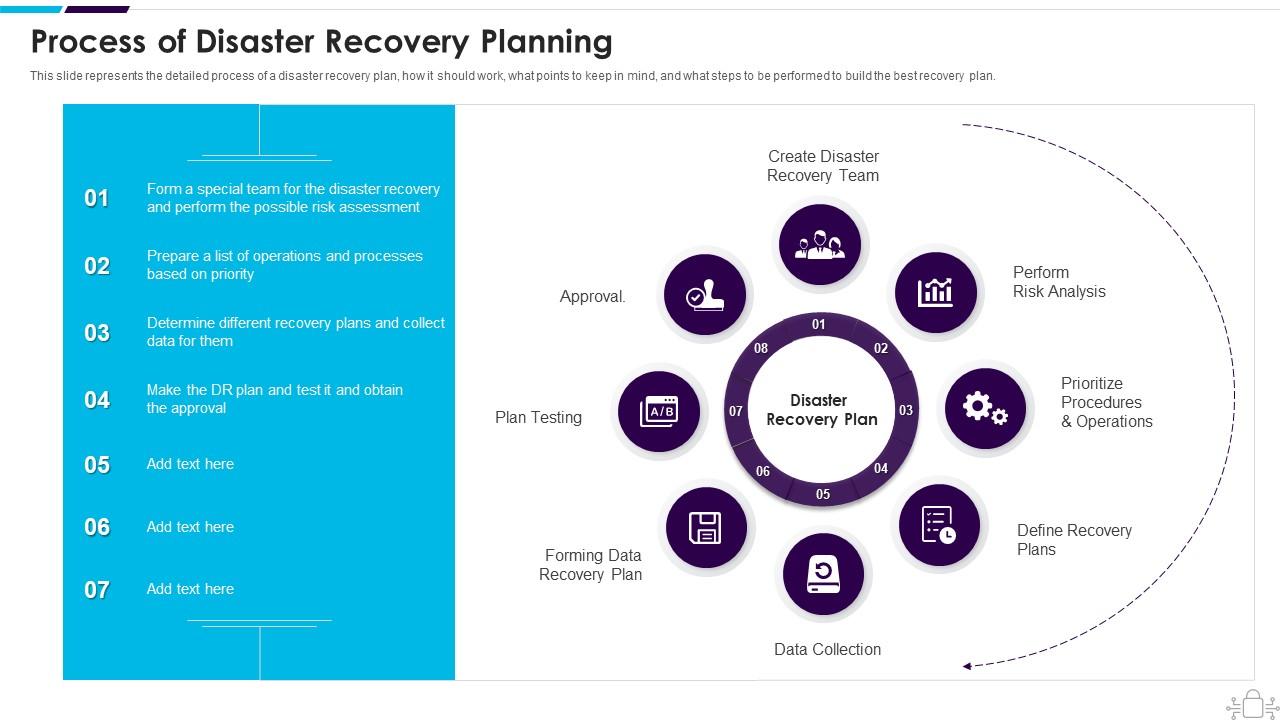

The Flow Recovery Plan is a crucial initiative launched by the Flow Foundation in response to a significant $3.9 million exploit of its blockchain, which raised immediate concerns regarding blockchain security risks and the handling of large token transactions on centralized exchanges. As of now, the recovery plan has entered its second phase, demonstrating significant progress as developers work diligently to restore EVM functionality while simultaneously addressing issues on their non-EVM chain, Cadence. Recent updates highlight the Foundation’s commitment to transparency, allowing all remediation actions to be publicly auditable through blockchain explorers. The situation has been exacerbated by a suspicious trading pattern linked to one exchange, which draws attention to potential trust and security issues within the crypto space. This incident has sparked a broader conversation about the importance of stringent security measures, especially in light of recent exploits involving major platforms like Trust Wallet.
The initiative to address cryptocurrency vulnerabilities, known as the Flow Recovery Plan, is designed to rectify the repercussions of a costly exploit affecting the Flow blockchain. With the recent $3.9 million incident bringing to light significant concerns about centralized exchange practices and their impact on users, the Flow Foundation is actively engaging in a structured remediation strategy. As the community navigates through this recovery process, multiple facets of blockchain security are being scrutinized, particularly regarding transparency and accountability in trading activities. Notably, the incident has raised alarm bells about associated exchanges and their protocols, hinting at potential oversights in user protection measures. In tandem, ongoing discussions emphasize the need for robust security frameworks to safeguard against exploits, similar to the challenges faced by other platforms, including Trust Wallet.
Understanding the Flow Recovery Plan After the $3.9 Million Exploit
The Flow Foundation is actively implementing a comprehensive recovery plan in light of the recent $3.9 million exploit, which highlights the vulnerabilities present within blockchain systems. This plan signifies a crucial turning point as it enters phase two, focusing on restoring the Ethereum Virtual Machine (EVM) functionality while simultaneously addressing issues related to its non-EVM framework, Cadence. The aim is not only to recuperate from this setback but to enhance overall blockchain security, identifying vulnerabilities that could lead to similar occurrences in the future.
Developers from the Flow Foundation are engaging in detailed audits and monitoring of large token movements, particularly those seen on centralized exchanges, which may pose significant risks. The phase two strategy emphasizes a transparent remediation process, allowing the community to witness change through publicly auditable transactions on the blockchain. This commitment fosters trust and accountability, essential to reaffirming confidence among users and investors in the platform’s stability and security.
EVM Functionality Restoration: A Key Element of Flow’s Strategy
Restoring EVM functionality is a pivotal aspect of the Flow Foundation’s recovery plan. By addressing the EVM component, the platform aims to integrate advanced operational capabilities that enhance its interoperability with other blockchain networks. This restoration supports a broader ecosystem of decentralized applications, thereby elevating user experience and facilitating smoother transaction processes. As the recovery plan progresses, the community remains hopeful for stable improvements that align with user needs.
Moreover, the simultaneous focus on both Cadence and EVM remediation demonstrates the Flow Foundation’s dedication to creating a resilient blockchain environment. Recognizing the complexities involved in restoring these functionalities requires not just technical expertise but also a thorough understanding of the security risks involved. The importance of ensuring safety against exploits raises the stakes for continuous innovation within Flow’s framework, ensuring that users can operate with minimized risk during and after the recovery process.
Blockchain Security Risks Defined: Evaluating the Impact of Exploits
The $3.9 million exploit on the Flow blockchain has underscored broader issues regarding blockchain security risks that cannot be ignored. The rapid decentralization of digital assets, combined with the rise of exchanges, has exposed vulnerabilities that can be exploitative, leading to significant financial losses. This incident serves as a reminder that security measures must continuously evolve alongside technological advancements to protect users from systemic failures.
As incidents like the Flow exploit and concerns surrounding the Trust Wallet hack illustrate, the potential consequences of inadequate security protocol can ripple across the entire blockchain ecosystem. The community must address these risks through enhanced regulations and vigilant monitoring of trading patterns, particularly on centralized exchanges. It emphasizes the need for comprehensive security frameworks that encompass not only technological solutions but also regulatory compliance to mitigate such threats effectively.
Centralized Exchange Concerns: Trust Wallet’s Holiday Setback
The recent exploits experienced by both Flow and Trust Wallet highlight significant concerns regarding the operations of centralized exchanges. Trust Wallet reported a staggering $7 million loss due to a security breach in its browser extension, drawing attention to the vulnerabilities that exist even among widely used wallets. The ramifications of such breaches can erode user trust and emphasize the importance of robust security protocols on centralized platforms, particularly during high-traffic periods like holidays.
The ability to react promptly to such incidents is critical. Former Binance CEO Changpeng Zhao’s commitment to cover the losses indicates that exchanges must not only focus on profit but prioritize user protection. As the industry matures, exchanges like Trust Wallet and Flow must refine their security strategies and foster an increased awareness of blockchain security risks to protect their communities and maintain operational integrity.
Community Involvement in the Flow Recovery Process
Engaging the community is an essential part of the Flow recovery plan, especially after the recent exploit. With the implementation of public audits and transparent remediation processes, the Flow Foundation is inviting feedback and participation from its users. This initiative fosters a culture of collaboration, where users can actively contribute to problem-solving and monitoring efforts, reinforcing a sense of shared responsibility in upholding blockchain security.
By prioritizing community input, the Flow team can make informed decisions that reflect user needs and concerns, ultimately leading to enhanced trust. Furthermore, as the community witnesses the transparency of the recovery efforts, it strengthens the overall credibility of the platform, encouraging user retention and attracting potential investors wary of security-related incidents.
The Aftermath of the $3.9 Million Exploit: Lessons Learned
In the aftermath of the $3.9 million exploit, it is crucial to analyze the lessons learned from this incident. The Flow Foundation’s swift action and transparent communication about the ongoing recovery plan have set an example for other blockchain entities to follow. This incident highlights the urgency for continuous improvement in security measures to avert future exploits and ensure that all transactions on the blockchain are safeguarded against malicious activities.
Another significant lesson is the importance of collaboration among blockchain projects, centralized exchanges, and the community at large. The scrutiny over the movements within exchanges, as seen with Flow’s concerns about trading activities post-exploit, showcases the need for enhanced vigilance and cooperation in monitoring suspicious activities. The entire ecosystem must work synergistically to create a secure environment where digital asset security is prioritized.
Preventing Futures Exploits: Role of AML/KYC Enforcement
The exploit on the Flow blockchain has raised critical concerns regarding the enforcement of AML (Anti-Money Laundering) and KYC (Know Your Customer) practices at exchanges. Following the incident, Flow noted a dramatic trading pattern in which an account deposited a significant portion of tokens before withdrawing large sums within short timeframes. Such actions necessitate stricter compliance measures at exchanges to identify and mitigate potential fraudulent activities that can lead to considerable financial risks for users.
Effective implementation of AML and KYC protocols is vital not only for the protection of individual exchanges but also for the integrity of the entire blockchain network. Users must feel safe and assured that the platforms they engage with actively work to combat illicit activities. By enhancing oversight and adopting robust identity verification practices, exchanges can protect users and maintain regulatory compliance while fostering a secure trading environment.
Future Directions for Flow and Blockchain Security
In light of the recent exploit, Flow’s future directions will likely emphasize enhanced security protocols and ongoing development of trust within the blockchain space. The foundation’s commitment to promoting blockchain security will necessitate continuous innovation tailored to address evolving threats, such as the capacity for large token movements on centralized exchanges. By setting a precedent for effective remediation, Flow can position itself as a leader in blockchain security advancements.
Moreover, fostering relationships with other blockchain entities and regulators will be crucial in shaping policy and improving security measures across the ecosystem. Collaborative efforts toward establishing industry standards can enhance blockchain infrastructure resilience, ultimately curtailing potential exploits. As blockchain technology continues to evolve, so must its security measures, ensuring safety is paramount for all users.
Wrap-Up: Building a Secure Future for Blockchain Projects
The events surrounding the $3.9 million exploit and the Trust Wallet compromise serve as a clear call to action for the blockchain community. It underscores the imperative to develop and implement stringent security frameworks that resonate with the trust and confidence users expect from their platforms. The lessons learned from these incidents will be pivotal in shaping future policies regarding blockchain security.
Ultimately, the path forward for Flow and similar blockchain projects involves strategic risk management and a proactive approach to security vulnerabilities. By prioritizing user security and fostering an environment of openness and accountability, they can build a sustainable and secure future for blockchain technology.
Frequently Asked Questions
What is the Flow Recovery Plan in response to the $3.9 million exploit?
The Flow Recovery Plan is an ongoing strategy initiated by the Flow Foundation to address the $3.9 million exploit on its blockchain. The plan includes significant progress towards restoring Ethereum Virtual Machine (EVM) functionality and addressing security concerns while implementing community governance measures.
How does the Flow Recovery Plan address blockchain security risks?
The Flow Recovery Plan mitigates blockchain security risks by transparently executing cleanup transactions within validator-authorized boundaries. It ensures all remediation activities are publicly auditable, reducing potential vulnerabilities while restoring trust in the platform’s security.
What concerns has the Flow Foundation expressed about exchange activity during the exploit?
The Flow Foundation raised concerns about an unnamed exchange’s response to the $3.9 million exploit, highlighting suspicious trading patterns that involved large token movements. They criticized the exchange for an apparent failure in anti-money laundering (AML) and know-your-customer (KYC) practices, which left users vulnerable to purchasing fraudulent tokens.
What recent updates has the Flow Foundation provided about the Flow Recovery Plan?
The Flow Foundation recently announced that the Flow Recovery Plan has entered phase two, focusing on restoring EVM functionality while simultaneously addressing the non-EVM chain, Cadence. The Foundation remains committed to executing actions in a transparent manner, with continuous updates to the community.
How is the Flow Recovery Plan different from other recovery efforts in the blockchain space?
The Flow Recovery Plan emphasizes community governance and transparency in all remediation activities, contrasting with other recovery efforts that may lack clear communication. The Foundation’s approach involves publicly auditable transactions through block explorers, ensuring accountability in handling the $3.9 million exploit.
What can users do to stay informed about the Flow Recovery Plan developments?
Users can stay informed about the Flow Recovery Plan by regularly checking updates from the Flow Foundation’s official channels, including social media posts and community announcements, which provide insights into ongoing remediation efforts and any emerging blockchain security risks.
How does the Flow Recovery Plan impact user trust following the Trust Wallet exploit?
The Flow Recovery Plan aims to restore user trust in the ecosystem by addressing vulnerabilities exposed by the $3.9 million exploit and ensuring robust safeguards against future incidents. The Foundation’s proactive communication and transparent recovery efforts are designed to reassure users about the safety of their assets during this period.
Will the Flow Recovery Plan include any changes to trading practices on exchanges?
While the Flow Recovery Plan primarily focuses on restoring blockchain functionality, it highlights the need for improved trading practices across exchanges to prevent future exploits. The Foundation emphasizes the importance of stringent AML/KYC protocols to protect users from risks associated with fraudulent token transactions.
What role does community feedback play in the Flow Recovery Plan?
Community feedback is vital to the Flow Recovery Plan, as the Foundation values input from its users and stakeholders in shaping remediation strategies. Engagement with the Community Governance Council allows for collaborative decision-making and reflects the community’s concerns and priorities.
| Key Point | Details |
|---|---|
| Incident Overview | Flow experienced a $3.9 million exploit, prompting a recovery plan. |
| Current Status | Flow is in ‘phase two’ of its recovery plan and has scrapped an initial rollback proposal. |
| EVM Functionality Restoration | A path to restore EVM functionality has been identified. |
| Community Governance Role | The Community Governance Council is conducting cleanup transactions. |
| Concerns About Exchanges | Flow raised concerns over an exchange’s handling of the exploit. |
| Exploitation Details | A single account deposited 150M $FLOW tokens and withdrew $5M shortly after the exploit. |
| Trust Wallet Incident | Trust Wallet reported a separate exploit leading to $7 million in losses. |
Summary
The Flow Recovery Plan is a structured approach that aims to mitigate the impact of a recent exploit involving $3.9 million on the blockchain. As the Flow Foundation enters phase two, it focuses on restoring functionality and ensuring transparency in the remediation process. While the foundation has acknowledged concerns about exchanges and user safety, it remains committed to addressing the vulnerabilities uncovered by the exploit. Overall, the Flow Recovery Plan demonstrates a proactive measure in enhancing the security and resilience of blockchain operations.
Related: More from Security & Hacks | DOJ Seizes $580M Crypto from Chinese Actors | Minnesota Considers Banning Cryptocurrency Kiosks Due to Scams
