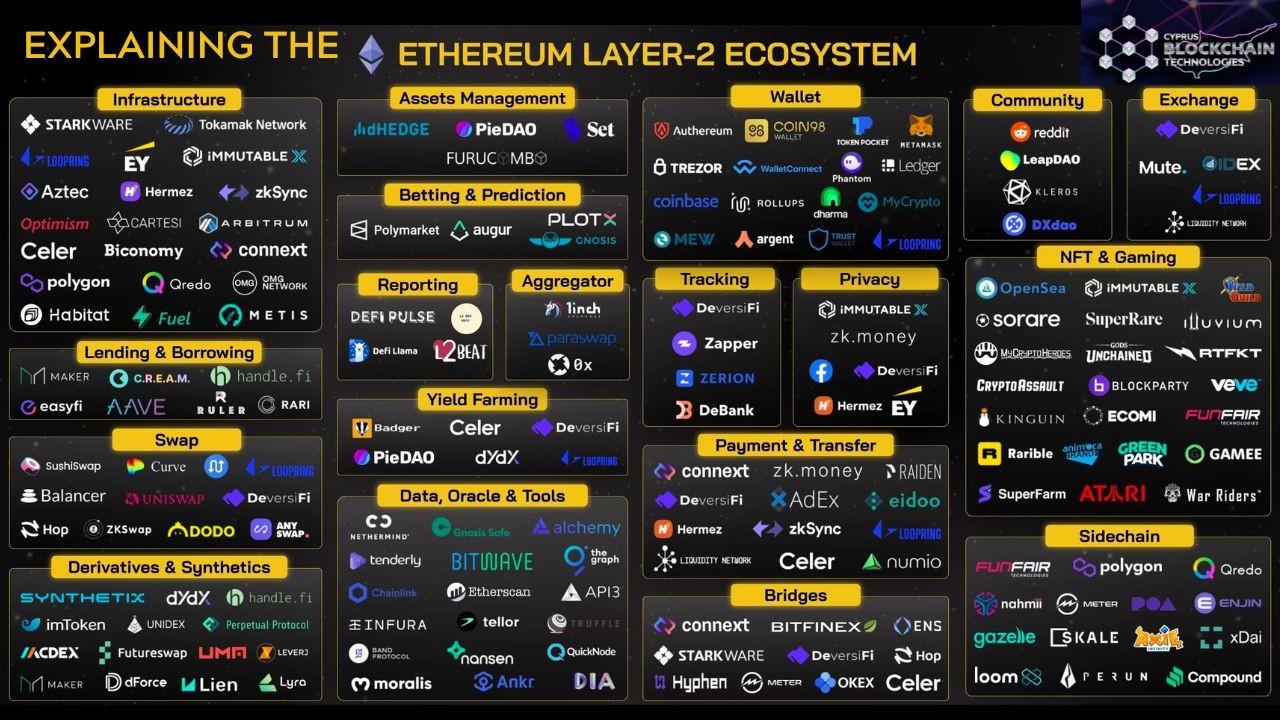

In 2025, the Ethereum ecosystem subsidy emerged as a pivotal strategy to bolster the network’s expansion despite a notable Ethereum revenue decline. By strategically reducing transaction fees, Ethereum facilitated the proliferation of layer 2 networks, which significantly contributed to the growth of the blockchain ecosystem as a whole. This approach allowed Ethereum to maintain a leading position in the decentralized finance (DeFi) market, even as the price of ETH fell below $3000. With a staggering decline in mainnet revenue, the Ethereum network effectively sacrificed over $100 million, prioritizing ecosystem development over immediate financial gains. As transaction volumes soared, Ethereum’s innovative solutions showcased a commitment to long-term success and sustainability in a highly competitive landscape.
In a bold move to enhance its network capabilities, the Ethereum platform implemented financial strategies that acted as an ecosystem subsidy, aimed at advancing its technological footprint. This approach involved the deliberate reduction of transaction costs, which subsequently laid the groundwork for the ascent of alternative layer 2 solutions within the broader decentralized economy. During a year marked by fluctuations in asset prices and a critical DeFi market landscape, Ethereum’s focus on ecosystem growth underscored the importance of fostering user engagement while combating revenue downturns. Such measures highlight the interdependence of blockchain infrastructure and operational efficiency, driving a conversation around the need for innovative revenue models. Through these efforts, Ethereum not only aimed to stabilize its mainnet revenues but also to catalyze a flourishing digital financial landscape.
Understanding Ethereum’s Revenue Decline in 2025
In 2025, Ethereum faced a notable revenue decline that coincided with its strategic focus on decreasing transaction fees. This deliberate move aimed to enhance user participation in decentralized finance (DeFi) applications and promote the adoption of layer 2 networks. Despite processing a record transaction volume and achieving a significant market capture in DeFi, Ethereum’s mainnet revenue plummeted to just $10 million. This stark contrast between network performance and revenue highlights the challenge of maintaining profitability in a rapidly changing blockchain landscape.
The revenue decline can be traced to a broader trend within the Ethereum ecosystem, where the growth of layer 2 solutions has become essential for sustaining platform scalability. While Ethereum’s total revenue dropped significantly, it’s important to recognize that layer 2 networks are providing crucial support, allowing users to conduct transactions with drastically reduced fees. This could potentially invigorate the market for Ethereum usage, even as the mainnet revenues suffered, thereby reinforcing the importance of these enhancements in the context of Ethereum’s continuing evolution.
The Impact of Transaction Fees Reduction on Ethereum’s Ecosystem
Ethereum’s approach to reducing transaction fees has had a profound impact on its ecosystem, facilitating a significant uptick in activity across various DeFi applications. By lowering costs, Ethereum is not just making decentralized applications more accessible but is also fostering conditions for layer 2 networks to thrive. As transaction fees saw a dramatic decline, there was an observable shift in user behavior, with many turning to layer 2 for faster and cheaper transactions. This dynamic is vital for the long-term health of the Ethereum ecosystem, as it enables decentralized applications to operate more efficiently.
However, the reduction of transaction fees came at a cost; Ethereum ostensibly sacrificed over $100 million in potential revenue to ensure the ecosystem’s expansion. This financial strategy underlines the network’s commitment to enhancing functionality over short-term profits, promoting blockchain ecosystem growth. While this might seem detrimental on paper, it paves the way for a more inclusive financial architecture that could flourish in the long term, potentially recovering and even surpassing earlier revenue figures as more participants join the ecosystem.
Analysis of Ethereum’s DeFi Market Standing
Despite the challenges posed by declining revenue figures, Ethereum firmly maintained its dominance in the DeFi market throughout 2025, securing a total value locked (TVL) of 64%. This robust DeFi market activity showcases the ongoing demand for Ethereum’s capabilities, particularly as developers increasingly leverage its smart contract functionality. The breadth of applications within the DeFi space continues to attract investment and interest, suggesting that while revenue may decline, user engagement with Ethereum-based projects remains strong.
Furthermore, this situation necessitates a nuanced understanding of how DeFi and traditional revenue models interact within the Ethereum ecosystem. Although mainnet revenues decreased sharply, the vibrancy of the DeFi market indicates a thriving underlying network. As layer 2 networks gain traction, the Ethereum ecosystem is well-positioned to leverage this growth for renewed revenue opportunities in the future. The reduction in fees is paving the way for innovative developments that will potentially sync revenue with user engagement metrics.
Layer 2 Networks: A Solution for Ethereum’s Sustainability
Layer 2 networks have emerged as a pivotal solution for enhancing Ethereum’s scalability and sustainability in the face of declining mainnet revenue. By facilitating transactions at lower costs and increased speed, these networks alleviate the burden on the mainnet, allowing it to process larger volumes without straining resources. The shift toward layer 2 solutions exemplifies the adaptation of Ethereum to meet market demands while simultaneously preserving its foundational principles of decentralization and security.
The reality of a 53% decrease in layer 2 revenue to $129 million signals both challenges and opportunities within the ecosystem. While short-term revenue losses may deter some investors, the strategic importance of layer 2 is eminently clear; it is essential for accommodating user growth and ensuring competitiveness. As the Ethereum network continues to evolve and prioritize layer 2 initiatives, the potential for recovery and increased revenue becomes likely, marking a crucial phase in Ethereum’s long-term trajectory.
Future Prospects for Ethereum in 2026 and Beyond
Looking ahead to 2026, Ethereum is positioned to rebound from the revenue challenges of 2025. With a focused strategy on enhancing ecosystem growth through subsidies and innovations in layer 2 scaling solutions, the platform aims to attract a more diverse user base that can drive transaction volumes back up. This stabilizing approach intends to revitalizes investor confidence while paving the path for more sustainable revenue models that don’t overly rely on high transaction fees.
Moreover, as Ethereum continues to lead in innovating within the DeFi space, the likelihood of new revenue streams emerging is promising. Emerging technologies and applications have the potential to attract significant capital and usage, further insisting that any transient declines in revenue do not overshadow the broader growth narrative. If the network effectively harnesses these opportunities, Ethereum could well return to being a formidable revenue generator within the blockchain ecosystem.
Evaluating Ethereum’s Strategic Subsidy Model
Ethereum’s strategic decision to subsidize its ecosystem is a bold approach that highlights its commitment to fostering broader adoption of decentralized technologies. By sacrificing potential earnings, Ethereum not only enhances user experience through reduced transaction fees but also addresses the burgeoning demand for affordability in the DeFi landscape. This subsidy model has been a significant factor in achieving greater accessibility, ultimately supporting the overall growth of blockchain technology.
While the immediate financial impact of this subsidy may appear daunting, the long-term implications suggest that such investments are necessary for sustainable growth. This model could serve as a blueprint for other blockchain networks seeking to drive adoption without compromising on the viability of their ecosystems. As Ethereum navigates this transitional phase, its ability to balance short-term sacrifices with long-term gains will be critical to its success in the ever-evolving cryptocurrency market.
The Role of Revenue Diversification in Ecosystem Health
In a rapidly changing blockchain environment, revenue diversification is paramount for ensuring the health of the Ethereum ecosystem. The revenue downturn demonstrated the vulnerability of a model heavily reliant on transaction fees. By exploring various income avenues—such as partnerships, integrations, or transaction fee restructuring—Ethereum can mitigate risks associated with reliance on specific revenue streams. This adaptability is key to fostering resilience against future market fluctuations.
Furthermore, a diversified revenue approach can empower Ethereum to invest in technological innovations aimed at scaling and enhancing user experiences. As the ecosystem expands, having multiple income sources can ensure funds are available for continuous development while also allowing stakeholders to maintain confidence in the network’s future. The pushing of layer 2 solutions as a significant path forward aligns with the principle of diversification, where multiple strategies contribute to stronger overall ecosystem viability.
Technological Upgrades: Driving Ethereum’s Future Growth
Technological upgrades have laid the foundation for Ethereum’s future growth and sustainability in light of recent market declines. These enhancements are designed to improve network performance and ensure that the infrastructure can support the growing needs of users and developers. By prioritizing scalability, particularly through layer 2 innovations, Ethereum is carving out a niche that highlights its commitment to staying competitive in the ever-evolving blockchain landscape.
The importance of these upgrades cannot be overstated, as they facilitate transaction fee reductions, effectively unlocking additional avenues for growth. Users are more likely to engage with the network when the cost of participation is lowered, driving up usage and, ideally, long-term revenue prospects. In this context, continuous technological advancement is not just a choice but a necessity for Ethereum, ensuring it can adapt and thrive as market dynamics shift.
Decentralized Finance Growth: The Future of Ethereum
The burgeoning world of decentralized finance (DeFi) presents immense opportunities for Ethereum’s resurgence. As more users flock to DeFi platforms for their financial activities, Ethereum solidifies its position as the backbone of this movement. Given its established trust and functionality, DeFi serves as a catalyst for Ethereum’s continued growth, attracting investments and fostering innovation. As the desire for decentralized financial solutions grows, Ethereum’s role as a facilitator of this shift cannot be overemphasized.
Furthermore, the evolving landscape of DeFi indicates a shift in user expectations and market demands. To remain relevant, Ethereum must continue to innovate and adapt to these changing dynamics. By prioritizing the needs of DeFi users and fostering an inclusive financial paradigm, Ethereum is not only enhancing its ecosystem but also creating pathways for sustainable growth. This development ensures that the network remains central to the evolving marketplace while also positioning itself strongly for future profitability.
Frequently Asked Questions
What is the significance of Ethereum ecosystem subsidy in light of revenue decline?
The Ethereum ecosystem subsidy plays a crucial role in mitigating revenue decline. By reducing transaction fees, Ethereum encourages activity in its layer 2 networks, ultimately fostering ecosystem growth despite a drop in mainnet revenue. This strategy aims to create a more vibrant DeFi market and promote user engagement.
How did Ethereum’s transaction fees reduction impact its ecosystem subsidy in 2025?
In 2025, Ethereum’s transaction fees reduction was designed to subsidize the ecosystem, enabling lower costs for users and promoting the development of layer 2 solutions. This initiative led to a considerable decline in mainnet revenue, which fell significantly to just $10 million, highlighting the extent of Ethereum’s subsidy efforts.
What are layer 2 networks and their role in the Ethereum ecosystem subsidy?
Layer 2 networks are off-chain solutions that process transactions more efficiently, helping to alleviate congestion on the Ethereum mainnet. By subsidizing these networks, Ethereum enhances scalability and transaction throughput while simultaneously supporting its ecosystem’s growth, even as mainnet revenue declines.
How does Ethereum’s strategy for covering losses contribute to DeFi market analysis?
Ethereum’s strategy to cover losses through ecosystem subsidies provides valuable insights for DeFi market analysis. By prioritizing subsidy over profit, Ethereum signals its commitment to long-term growth and ecosystem sustainability, which can attract more developers and users, ultimately reinforcing its position in the DeFi landscape.
What trends emerged from the Ethereum revenue decline and ecosystem subsidy in 2025?
The trends emerging from the Ethereum revenue decline and ecosystem subsidy in 2025 highlight a shift towards prioritizing ecosystem health over immediate profit. As Ethereum decreases transaction fees to support layer 2 networks, the overall blockchain ecosystem experiences growth, attracting more users and developers even in times of financial setbacks.
How does the Ethereum ecosystem subsidy affect the overall blockchain ecosystem growth?
The Ethereum ecosystem subsidy positively impacts overall blockchain ecosystem growth by reducing transaction costs and incentivizing the use of layer 2 solutions. This reduction not only enhances user experience but also fosters innovation within the DeFi space, contributing to a more robust and diverse Ethereum ecosystem.
What are the financial implications of Ethereum’s subsidy strategy on the market?
The financial implications of Ethereum’s subsidy strategy include a sharp decrease in mainnet revenue alongside an increase in profits for layer 2 operators. While Ethereum ‘sacrificed’ over $100 million in potential revenue, this strategic subsidy positions the blockchain for sustained growth and competitive advantage in the market.
How did Ethereum’s sacrifice of revenue influence its competitive edge in the DeFi market?
Ethereum’s sacrifice of revenue through its ecosystem subsidy has solidified its competitive edge in the DeFi market. By enabling lower transaction fees and supporting layer 2 networks, Ethereum can attract a greater number of users and projects, reinforcing its leading position in the growing decentralized finance landscape.
| Key Point | Details |
|---|---|
| Record Transaction Volume | Ethereum handled a record transaction volume and maintained dominance in the DeFi market, holding 64% of the total value locked (TVL) on the mainnet. |
| ETH Price Decline | Despite network activity, ETH price fell by 10%, dropping below $3000, indicating a disconnect between price and underlying network performance. |
| Fee Reduction Strategy | Ethereum underwent technological upgrades to reduce transaction fees to encourage layer 2 network growth, impacting mainnet revenue negatively. |
| Revenue Drop | Total revenue from layer 2 decreased by 53%, resulting in $129 million, while fees to the mainnet dramatically fell to $10 million. |
| Sacrificed Revenue | The mainnet effectively ‘sacrificed’ over $100 million in revenue to facilitate ecosystem growth, marking a reduction of approximately $103 million compared to the previous year. |
Summary
The Ethereum ecosystem subsidy refers to the network’s strategic decision to prioritize ecosystem expansion over immediate financial returns. In 2025, Ethereum sacrificed over $100 million in potential revenue to reduce transaction fees and stimulate growth in layer 2 networks, thereby benefiting the overall DeFi market. This selfless approach highlights Ethereum’s commitment to long-term sustainability and innovation within the blockchain space.
Related: More from Ethereum News | World Liberty Financial Links Staking to Voting: USD1 Supply Exceeds $4.7B | Ethereum Transforms into High