


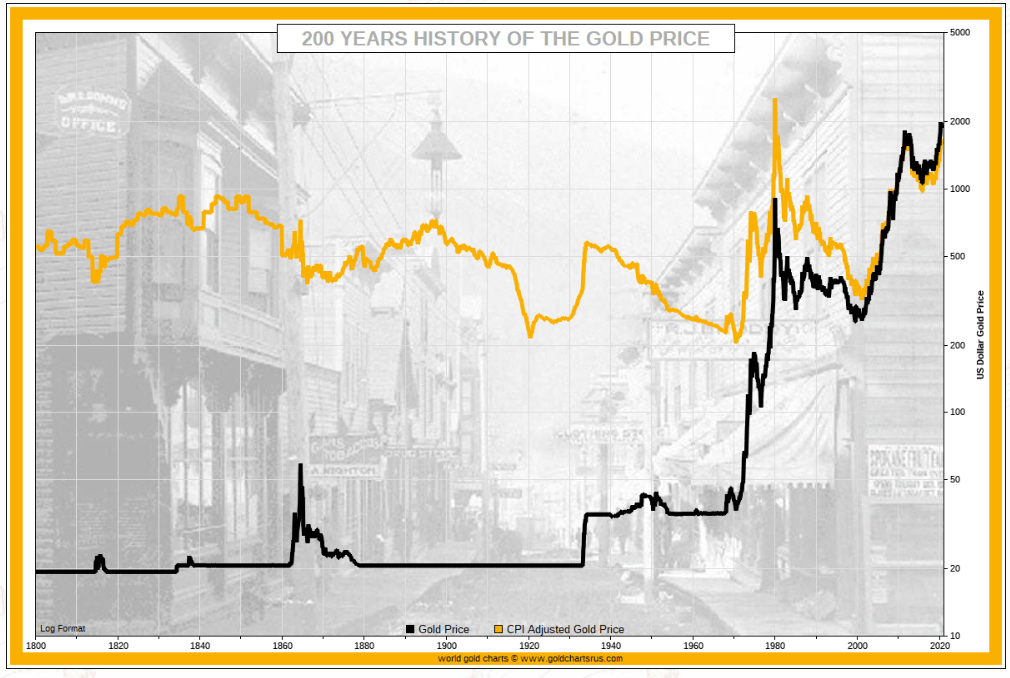

Gold prices have captured the attention of investors and analysts alike, as recent trends reveal a remarkable increase of 120% since early 2024. This surge marks one of the most substantial rises in the gold market, occurring distinctly outside the shadows of economic downturns or financial crises. As central banks bolster their reserves with over 600 tons purchased in 2025 alone, the forecast for 2026 anticipates even greater acquisitions, potentially reaching 840 tons. This robust demand illustrates a strong correlation between the performance of gold and the overall health of the economy, diverging from trends seen in the cryptocurrency realm, particularly Bitcoin. Understanding gold prices and their dynamics with central banks and precious metals performance is crucial for predicting future market movements and assessing global economic stability.
When discussing the value of this precious metal, it’s essential to consider its recent fluctuations and the underlying market dynamics affecting its valuation. The ongoing interest in gold, a reliable safe-haven asset, highlights trends that resonate with international monetary strategies and investor behavior. Factors such as central bank acquisition rates and the intriguing relationship between gold and digital currencies like Bitcoin contribute to an engaging narrative about commodity markets. As we look forward, insights into the gold market can provide a glimpse into broader economic conditions and investor sentiment heading into 2026 and beyond. By exploring these alternative perspectives, we gain a more comprehensive understanding of how gold prices reflect the complexities of both traditional and digital asset landscapes.
Current Trends in Gold Prices
Gold prices have been on a remarkable upward trajectory, soaring 120% since the start of 2024. This substantial rise is attributed to various factors, including increased demand from central banks, which acquired over 600 tons in 2025 alone. The absence of economic recessions or crises during this period underscores the inherent strength of gold as a safe-haven asset, allowing it to thrive even in more favorable economic climates. Investors are turning to gold amid uncertainties surrounding other investment avenues, further propelling its market value.
The dynamics of the gold market have shifted significantly, with the growing interest from central banks indicating a strong bullish sentiment. Analysts are projecting that purchases could reach up to 840 tons in 2026, reinforcing the asset’s position as a cornerstone of global financial stability. This ongoing demand contributes to a robust long-term forecast for gold prices, making them an essential focus for investors wanting to navigate the fluctuating economic landscape.
Understanding the Correlation Between Gold and Bitcoin
The interplay between Bitcoin and gold is a fascinating aspect of today’s financial landscape. Historically, gold has exhibited a lead over Bitcoin during liquidity inflection points, often preceding significant moves in the cryptocurrency market by approximately three months. This correlation can be pivotal for investors seeking to understand market dynamics, as shifts in gold can signal forthcoming fluctuations in Bitcoin prices. As gold has successfully completed its repricing due to an easing cycle, Bitcoin is still correcting and reacting to past cycle behaviors.
Investors are increasingly aware of how gold acts as a barometer for Bitcoin’s performance. With gold showing resilience and strength, Bitcoin enthusiasts may take cues from its movement, particularly in the context of risk assessment and strategy formulation. The recognition of precious metals, including gold, as indicators of market sentiment positions them as vital tools in forecasting and trading Bitcoin, making this relationship crucial for any cryptocurrency investor.
The Performance of Precious Metals in Today’s Economy
The robust performance of precious metals is a clear indicator of economic sentiment and stability. In times of crisis, investors flock to precious metals for security, and the current scenario highlights that trend exceptionally well. As gold leads the market, other metals like silver and platinum are also experiencing increased interest, leading to an overall bullish trend in precious metals performance. This market behavior reflects investor perceptions about inflation and employment, pushing them toward assets that hold intrinsic value.
Moreover, when precious metals outperform equities, it typically signals a pivot from growth to preservation, indicating market participants are more concerned about currency depreciation than the potential for growth. As central banks continue to amass gold reserves, this validates the idea that precious metals will remain central to discussions of economic strategy and wealth protection in the coming years.
2026 Gold Forecast: What Investors Should Know
Looking ahead, the 2026 gold forecast remains optimistic, with analysts predicting a continuation of the current bullish trend. Central bank purchases are projected to rise, with global financial entities expected to acquire an estimated 840 tons of gold throughout the year. This trend underpins a positive trajectory for gold prices, inspired by demand from institutions and individual investors alike, responding to inflationary pressures and geopolitical instability.
Moreover, as fiscal policies evolve, the performance of gold will also reflect shifts in market dynamics. Investors who stay informed about the changes in gold market trends are more likely to capitalize on potential gains. With the central banks playing a crucial role in shaping gold’s future, understanding their purchasing patterns can provide significant insights into where the market is headed.
The Impact of Central Banks on Gold Prices
Central banks play a pivotal role in the gold market, significantly influencing gold prices through their purchasing decisions. The collective buying of over 600 tons of gold in 2025 demonstrates the strategic importance of gold as a reserve asset amid volatile financial conditions. Experts have noted that as central bank gold purchases are expected to rise, they are likely to create bullish pressure on prices, benefiting investors and signaling a shift in monetary policy focus.
As these institutions accumulate gold, they effectively reduce its availability in the market, consequently driving prices higher. This dynamic is essential for investors to understand, as it highlights not only the value of gold as a hedge against inflation but also as a strategic asset in sovereign monetary policies. Hence, monitoring central bank trends becomes crucial for making informed investment decisions regarding gold.
The Role of Precious Metals in Inflationary Times
In times of inflation, precious metals, particularly gold, tend to show stronger performance, acting as a hedge against currency devaluation. The current economic climate, marked by rising inflation rates, has heightened investor interest in these tangible assets. With a consistent increase in gold prices, investors are flocking to precious metals to protect their wealth from the eroding effects of inflation, making them a vital part of a diversified investment portfolio.
Moreover, as inflation persists, the demand for gold as a safe haven continues to grow. Investors are seeking security in metals that have historically maintained their value, further amplifying gold prices. Understanding the relationship between inflation and gold performance is paramount for investors looking to leverage these conditions for potential gains.
The Future of Gold and Global Economic Stability
The future of gold remains closely tied to global economic stability. As economies navigate through tumultuous times, the unwavering appeal of gold as a stable and reliable asset will likely endure. With predictions suggesting continued increases in central bank purchases and anticipated volatility in other markets, gold’s status as a safe haven appears more relevant than ever.
Improved economic indicators in certain regions may further solidify gold’s position in investment portfolios, especially as nations prioritize strategic gold reserves in their financial policies. This development will likely enhance investor confidence in gold, underlining its importance in discussions surrounding global economic health.
Implications of Precious Metals Performance for Investors
The performance of precious metals over the past years offers critical implications for investors. As gold and other metals demonstrate resilience amid market fluctuations, they enhance the argument for including these assets in long-term investment strategies. Investors who recognize the importance of monitoring precious metals trends can position themselves effectively to leverage market movements, particularly as gold prices are predicted to rise.
By integrating a broader understanding of how economic factors influence precious metals, investors can make more informed decisions. As volatility appears across various markets, the performance of gold and other metals could provide valuable insights into market sentiment and risk assessment, paving the way for strategic investment approaches.
Strategies for Investing in Gold and Precious Metals
Investing in gold and precious metals can be a prudent strategy for diversifying one’s investment portfolio. Given the historical performance of gold during periods of economic uncertainty, implementing a systematic approach to precious metals investment can enhance financial stability. Investors should consider various methods of exposure, including bullion, ETFs, and mining stocks, based on their risk tolerance and investment preferences.
Furthermore, staying alert to market trends and developments in the gold sector is crucial. With increasing purchases by central banks and a prevailing sentiment favoring solid assets, strategic investments in gold could yield significant returns. Continuous education about market indicators and geopolitical events will aid investors in making timely decisions that align with their investment goals.
Frequently Asked Questions
What are the current gold prices and how do they relate to gold market trends?
As of January 2026, gold prices have surged by 120% since the beginning of 2024, making it crucial to monitor gold market trends closely. This rise is noteworthy as it occurred without an economic recession, highlighting the strength of gold as a safe-haven asset.
How do central banks’ gold purchases affect gold prices?
Central banks purchased over 600 tons of gold in 2025, with projections of 840 tons in 2026. Such significant acquisitions directly influence gold prices by increasing demand and signaling confidence in gold as a reliable store of value.
What is the correlation between Bitcoin and gold prices?
Historically, gold prices have led Bitcoin by approximately three months at liquidity inflection points. This correlation is significant, especially as investors assess risk in the cryptocurrency market relative to the performance of precious metals.
What insights does the 2026 gold forecast provide for investors?
The 2026 gold forecast suggests continued strength in gold prices, driven by robust central bank purchases and market conditions that favor precious metals over stocks. Investors should consider these indicators when strategizing about gold investments.
How does the performance of precious metals impact the overall market?
When precious metals, including gold, outperform stocks, it signals potential currency depreciation rather than growth collapse. This performance can influence market perceptions and behavior, particularly in risk assets.
What factors contributed to the strong rise in gold prices since early 2024?
The rise in gold prices since early 2024 is attributed to a lack of economic recession, significant central bank purchases, and a general shift in investment sentiment favoring precious metals, indicating their role as a hedge against uncertainty.
Why should investors follow gold market trends closely in 2026?
Investors should closely follow gold market trends in 2026 due to anticipated continued growth driven by central banks’ increased gold purchases and factors affecting the performance of precious metals compared to other assets.
| Key Points | Details |
|---|---|
| Gold Price Increase | Gold prices increased by 120% from January 2024 to January 2026. |
| No Economic Downturn | This rise occurred without a recession, quantitative easing, or financial crisis. |
| Central Bank Purchases | Central banks bought over 600 tons of gold in 2025; expected purchases are 840 tons in 2026. |
| Historical Trends | Gold typically leads Bitcoin by about three months at liquidity inflection points. |
| Market Signals | The performance of precious metals indicates potential policy easing and fiscal dominance. |
| Precious Metals vs Stocks | When precious metals outperform stocks, it suggests currency depreciation is being priced in. |
Summary
Gold prices have seen a significant increase over the past years, demonstrating their strength and reliability as a store of value. This upward trend highlights the importance of gold in the global market, particularly amidst changing economic environments. As central banks continue to buy gold, the implications for both precious metals and cryptocurrencies like Bitcoin grow increasingly relevant. Understanding the factors influencing gold prices can provide insights into broader market movements and economic policies.
Related: More from Market Analysis | Earnings season is wrapping up with a mixed bag of results across | Polymarket Bet Fails to Catch Insider Traders

