
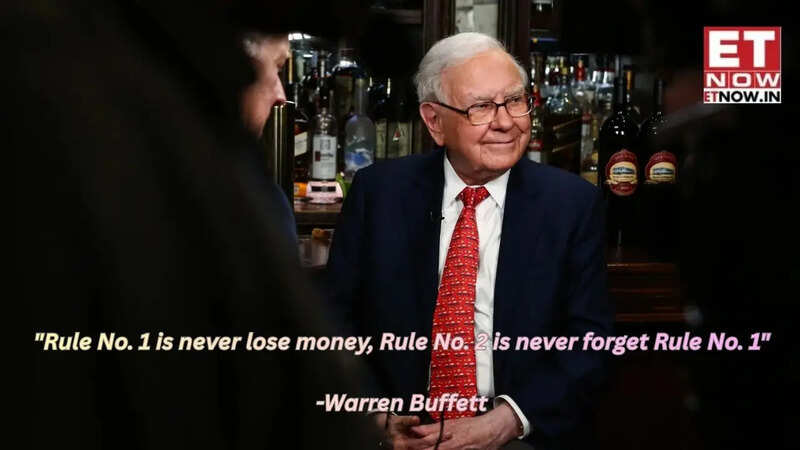

Warren Buffett retirement is a significant milestone that marks the end of an era in the world of investing. After decades at the helm of Berkshire Hathaway, the legendary investor officially announced his retirement in November 2025 at the age of 95. This announcement not only sent ripples through the stock market but also left a lasting impact on the Warren Buffett legacy, as he leaves behind a treasure trove of investing strategies and insights. His decision, coupled with recent Berkshire Hathaway news, has left shareholders and fans eager to see how the company will evolve without its iconic leader. While Buffett steps down as CEO, he assures us that he will maintain a pivotal role as chairman of the board, continuing to influence the company’s direction and strategies moving forward.
The recent shift in leadership at Berkshire Hathaway heralds a new chapter as the investment community reflects on the changes that come with Warren Buffett’s departure. Known for his unparalleled wisdom and investment acumen, Buffett’s retirement raises questions about the future path of the company he molded for so long. As fans analyze this transition, discussions around his profound investing philosophies and the consequent Berkshire Hathaway strategies take center stage. Reinventing itself under new leadership will be a challenge, but the principles laid out by the storied CEO prepare the foundation for the future. This pivotal moment ushers in a blend of uncertainty and excitement within the investment landscape, as the world anticipates how his proven legacy will influence future decisions.
Warren Buffett’s Retirement Announcement
In a historic announcement made in November 2025, Warren Buffett, the revered CEO of Berkshire Hathaway, confirmed his retirement at the impressive age of 95. This decision marks a significant transition not only for Buffett but also for the financial world, given his longstanding influence on investing strategies that have inspired millions. While he steps away from his daily responsibilities, Buffett will maintain his role as chairman of the board, ensuring that his experience and wisdom continue to guide the company he built into a powerhouse.
Buffett’s retirement announcement captivated the attention of investors, financial analysts, and media outlets worldwide. As the face of Berkshire Hathaway and a symbol of value investing, his departure has raised questions about the future direction of the company and the sustainability of its investing strategies. Stakeholders are eager to see how Berkshire Hathaway will navigate this transition and whether Buffett’s successors will continue to uphold the legacy that has solidified his status as one of the greatest investors of our time.
The Legacy of Warren Buffett
Warren Buffett’s legacy is deeply intertwined with the evolution of modern investment philosophy. Known as the ‘Oracle of Omaha,’ Buffett has not only amassed wealth but has also become a mentor for countless investors seeking to emulate his success. His strategies, rooted in value investing, emphasize the importance of financial education and a long-term approach. Even while transitioning into retirement, Buffett’s teachings from annual shareholder letters and public interviews will continue to resonate within the investing community.
As Buffett steps down from his role as CEO, his impact on the market and individual investment strategies cannot be overstated. The principles he championed—thorough research, patience, and understanding the intrinsic value of a business—will remain cornerstones for investors seeking to replicate his success. Furthermore, the Berkshire Hathaway news regarding Buffett’s retirement has sparked conversations about the future leaders of the company and how they might evolve his legacy to adapt to contemporary market challenges.
Implications of Buffett’s CEO Retirement for Berkshire Hathaway
The retirement of Warren Buffett as CEO raises questions about the implications for Berkshire Hathaway’s strategic direction. As the company embarks on this new chapter, market analysts are closely watching how Buffett’s successors will manage the vast portfolio and diversified interests of the firm. There is a substantial expectation for continuity, as Buffett emphasized the importance of maintaining the principles that have guided Berkshire Hathaway to its current stature.
Moreover, the transition in leadership brings an opportunity for innovation within the company. With a fresh perspective, new leaders may implement modern investing strategies that are more responsive to current market conditions and technological advancements. Investors are both hopeful and cautious about how the change will affect the company’s future performance and whether Buffett’s legacy can be sustained or even enhanced under new management.
Warren Buffett’s Investment Strategies
Warren Buffett’s investment strategies have become legendary, characterized by a focus on value investing, long-term growth, and a fundamental belief in the companies he invests in. His mantra of investing in businesses with strong fundamentals has guided him through market ups and downs, consistently yielding impressive returns. As he transitions into retirement, many in the financial sector are analyzing his methods to glean insights into profitable investing during challenging economic climates.
In particular, Buffett’s careful selection of stocks based on thorough analysis serves as a foundation for aspiring investors. His adherence to principles like having a margin of safety, understanding the businesses he invests in, and avoiding emotional decisions during market volatility will continue to feature prominently in investment education. With Buffett stepping away from managing Berkshire Hathaway day-to-day, the longevity and adaptability of these strategies will be key topics amongst financial circles.
News and Reactions to Buffett’s Retirement
The announcement of Warren Buffett’s retirement has made headlines globally, sparking reactions from investment professionals, corporate leaders, and the general public. Many view this transition as a critical moment in financial history, considering Buffett’s significant influence on global markets and investing behaviors. Reactions range from admiration of his long career to anxiety about the leadership void his departure creates at Berkshire Hathaway.
Investment communities are buzzing with discussions on how Buffett’s retirement will affect market dynamics. Individuals are pondering the future of investment strategies as they have learned directly from Buffett’s experiences and insights. Moreover, Berkshire Hathaway’s potential future strategies remain a focal point, as stakeholders analyze how the company will sustain its competitiveness in his absence.
Warren Buffett and the Future of Berkshire Hathaway
As Warren Buffett retires, the future of Berkshire Hathaway is a matter of great interest among investors and analysts alike. The key question is how the company will sustain its strength without its charismatic leader at the helm. The company’s robust acquisition strategy, which Buffett has championed for decades, is expected to continue; however, the approach to investments and management style under new leadership may evolve.
Buffett’s successors will need to honor the legacy he left while also adapting to the ever-changing landscape of the business world. They will face challenges like navigating digital transformation, sustainability initiatives, and evolving consumer preferences. The ability to embrace these changes while maintaining the core values established by Buffett will be critical for Berkshire Hathaway’s ongoing success.
The Importance of Financial Literacy in Investing
Warren Buffett has often emphasized the value of financial literacy in his investment philosophy. His belief that understanding financial principles is essential to successful investing is a lesson that resonates with audiences around the world. As he retires, the importance of education in finance becomes even more pronounced; Buffett’s teachings and investment strategies serve as invaluable resources for both novice and seasoned investors.
Promoting financial literacy can empower individuals to make informed decisions, assess risks, and develop prudent investment strategies. Schools and organizations can build on Buffett’s legacy by incorporating investment education into their curricula, ensuring future generations learn to navigate the complexities of the financial markets. By prioritizing financial literacy, we can honor Buffett’s legacy while equipping individuals with the tools needed for successful investing.
Berkshire Hathaway’s Next Chapter
With Warren Buffett retiring, Berkshire Hathaway enters a transformative phase. The leadership transition is crucial as new executives take the reins of one of the world’s largest holding companies. These leaders will be under pressure to uphold the legacy while also infusing new ideas into the management of the diverse portfolio that Berkshire Hathaway oversees.
The future direction of Berkshire Hathaway will hinge on the ability of its new leaders to blend historical values with contemporary business practices. Continuous communication with shareholders and an openness to innovation will be vital. As the company adapts to market changes, stakeholders will be closely watching to see how Buffett’s heritage informs the next chapter of Berkshire Hathaway’s journey.
Continued Influence of Warren Buffett in Retirement
Even in retirement, Warren Buffett’s influence is expected to persist. His insights on market trends and investing can still guide individuals and institutional investors alike. Buffett has always been a strong advocate for transparency in investing, and his commitment to ethical business practices will likely encourage a culture of accountability within the financial sector long after his tenure as CEO.
Moreover, ongoing public engagements, interviews, and shareholder conferences will provide platforms for Buffett to share his wisdom. As new generations of investors look for guidance, Buffett’s legacy will remain a benchmark for excellence in investing. His continuous advisory role as chairman ensures that his philosophy will still shape Berkshire Hathaway’s choices and inspire confidence in its strategies.
Frequently Asked Questions
What does Warren Buffett’s retirement mean for Berkshire Hathaway?
Warren Buffett’s retirement marks a significant transition for Berkshire Hathaway, as he steps down as CEO after decades of leadership. His legacy will influence the company’s future strategies and operations, although he will remain active as chairman of the board.
Why did Warren Buffett announce his retirement now?
At the age of 95, Warren Buffett’s announcement to retire comes as he recognizes the importance of preparing Berkshire Hathaway for a future without him. This strategic decision aims to ensure the company’s stability and sustainability in the long term.
What investing strategies will continue after Warren Buffett’s retirement?
Post-retirement, Berkshire Hathaway is expected to continue its investing strategies that emphasize value investing and long-term gains. Buffett’s philosophies are deeply ingrained in the company’s culture, and his successors are likely to maintain a similar approach.
Who will take over after Warren Buffett’s CEO retirement?
Following Warren Buffett’s retirement, Berkshire Hathaway has a succession plan in place, with vice-chairs Greg Abel and Ajit Jain positioned to lead the company. They will uphold Buffett’s legacy while bringing their own expertise to the table.
How will Warren Buffett’s legacy impact investors after his retirement?
Warren Buffett’s legacy will continue to shape investment philosophies even after his retirement. His teachings on patience, value investing, and maintaining a long-term perspective will still guide both new and seasoned investors.
Will we still hear from Warren Buffett post-retirement?
Yes, although Warren Buffett will retire as CEO, he will still serve as chairman of the board and retain a significant share in Berkshire Hathaway. Investors can expect ongoing insights and updates from him in this capacity.
What are some key Berkshire Hathaway news after Warren Buffett’s retirement announcement?
After Warren Buffett’s retirement announcement, key news may include updates on the succession plans, changes in investment strategies, and performance reports from the company. Stakeholders eagerly anticipate how Berkshire Hathaway will evolve under new leadership.
How has Warren Buffett’s investing strategies evolved leading up to his retirement?
Leading up to his retirement, Warren Buffett has adapted his investing strategies to include a diversified portfolio while sticking to core principles of value and quality investing. His recent focus has included technology investments, showcasing an evolving approach to contemporary markets.
| Key Points | Details |
|---|---|
| Retirement Announcement | Warren Buffett officially announced his retirement in November 2025. |
| Age at Retirement | Buffett is retiring at the age of 95. |
| Position Resignation | He will step down as CEO of Berkshire Hathaway. |
| Future Involvement | Buffett will remain as chairman of the board. |
| Stock Ownership | He will retain a substantial amount of shares in the company. |
Summary
Warren Buffett retirement marks a significant moment in the world of investment and business leadership. As the renowned investor steps down as the CEO of Berkshire Hathaway at 95 years old, his legacy continues as he maintains his role as chairman and holds a considerable stake in the company. This transition reflects both the culmination of an extraordinary career and the ongoing influence of one of the greatest investors of all time.
Related: More from Market Analysis | Earnings season is wrapping up with a mixed bag of results across | Polymarket Bet Fails to Catch Insider Traders