


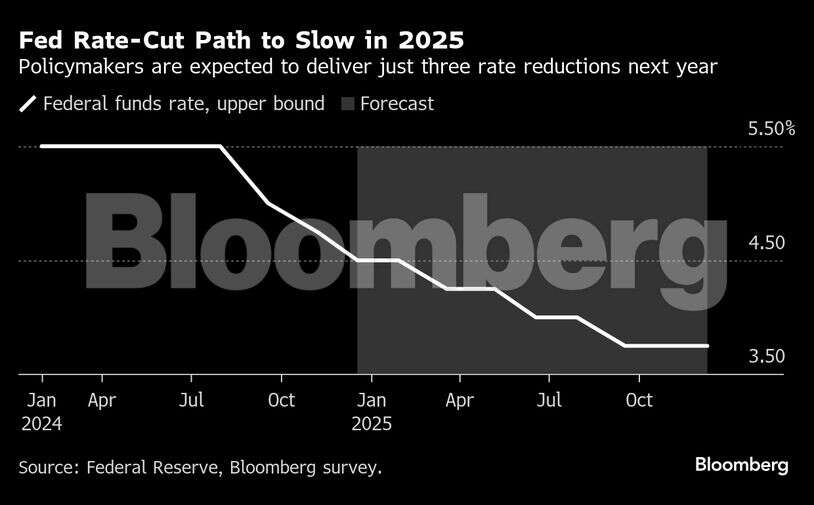

A recent Federal Reserve rate cut has stirred significant conversation among economists and financial analysts, marking a pivotal moment in the current economic landscape. In the latest Fed meeting minutes, officials discussed the implications of this interest rate decision and expressed mixed feelings about further monetary policy adjustments. Despite strong consumer spending trends contributing positively to economic growth, rising prices may complicate future cuts. As we approach the next Federal Reserve meeting, many are keenly anticipating how forthcoming economic data might influence discussions around additional rate adjustments. With the intersection of fiscal policy and consumer behavior at play, the impact of the Fed’s decisions will undoubtedly shape market dynamics moving forward.
The recent decision by the central bank to lower interest rates signifies a noteworthy shift in monetary policy that could affect multiple sectors. As analysts dive into the Fed meeting minutes, the dialogue around potential rate reductions has become increasingly complex, especially with the latest reports shedding light on economic growth dynamics. Observers are paying close attention to consumer spending behaviors, which demonstrate resilience amid inflationary pressures. Looking ahead, upcoming data releases may significantly impact the Federal Reserve’s perspective on future rate strategies. Understanding these shifts in monetary policy is crucial for grasping the broader economic implications.
Understanding the Federal Reserve Rate Cut
The Federal Reserve rate cut is a pivotal monetary policy decision that directly influences the economy’s health. When officials convene to discuss interest rate adjustments, they weigh various factors including inflation rates, consumer spending trends, and overall economic growth. The recent discussion emphasizes how prolonged price escalation has complicated the Fed’s ability to make decisive cuts. Given that some officials expressed hesitation towards further easing, the implications of this decision are far-reaching for both consumers and investors alike.
As we decipher the potential outcomes of the Federal Reserve’s decision-making process, it’s crucial to acknowledge the interconnectedness of economic indicators. The minutes from the latest Fed meeting highlight that while strong consumer spending has uplifted economic growth, the dynamics between rising prices and unemployment rates create a dilemma. This scenario suggests that the Fed may need to consider alternative monetary policy updates, taking into account the upcoming economic data releases which could drastically influence expectations as the next meeting approaches.
The Impact of Consumer Spending Trends on Monetary Policy
Consumer spending trends are often seen as a reflection of economic confidence and are critical in informing monetary policy decisions. When consumers feel secure in their finances, they are more likely to spend, which can stimulate economic growth. Recently released data shows strong consumer activity, which has buoyed the economy despite slight increases in unemployment. The Federal Reserve must consider these patterns when contemplating interest rate adjustments, particularly as they assess the trade-offs between inflation control and economic stimulation.
However, the robust consumer spending reported raises questions about the sustainability of this growth. The Fed’s interest rate decision not only shapes current economic conditions but also sets the future trajectory of monetary policy. Analysts are keenly observing the potential ramifications of the upcoming economic data set for release next month, as it may play a significant role in shaping the Fed’s outlook ahead of the next meeting in January. As such, the relationship between consumer sentiment and Federal Reserve policies continues to be of utmost importance.
Navigating Economic Growth and Interest Rate Decisions
The relationship between economic growth and interest rate decisions is complex. Recent Fed meeting minutes reveal that while economic growth has remained robust, the persistent rise in prices has created a unique challenge for policymakers. Balancing the act of nurturing economic expansion while curbing inflation can lead to cautious interest rate decisions. The upcoming months will be crucial as the Fed evaluates how these competing factors will influence their strategy moving forward.
As the Fed looks ahead, the uncertainty surrounding future economic growth will be influenced by various data points, including consumer spending and employment figures. If strong consumer spending trends continue alongside modest employment growth, the Fed may be compelled to reassess their current stance on rate cuts. Therefore, stakeholders must remain attuned to any significant developments in economic indicators that will guide the Fed’s next monetary policy updates.
The Role of Fed Meeting Minutes in Shaping Monetary Decisions
The release of Fed meeting minutes is a vital tool for market participants, offering insights into the reasoning behind interest rate decisions. These documents provide context for the deliberations that take place among Fed officials, revealing their perspectives on economic conditions and future projections. Recent minutes indicate a cautious sentiment regarding further rate cuts, as officials grapple with the economic realities punctuated by rising prices and strong consumer expenditures.
Understanding the nuances outlined in these minutes is essential for forecasting the Fed’s future actions. With many viewing economic growth trends as encouraging, the Fed remains on the fence regarding further easing measures. As the next meeting nears, the minutes serve as a barometer for gauging official sentiments, consumer spending trends, and the broader economic implications of their monetary policy decisions.
Anticipating Future Economic Data Releases
The anticipation of upcoming economic data releases plays a significant role in informing both market expectations and the Federal Reserve’s monetary policy stance. Scheduled reports can reshape perceptions of economic health, potentially influencing the focus of Federal Reserve officials as they prepare for the interest rate meeting in January. This upcoming data is particularly crucial, as it may validate or challenge the ongoing trends in consumer spending and economic growth.
Moreover, the Federal Reserve’s responsiveness to new information underscores the importance of real-time data in their decision-making process. As analysts dissect potential outcomes and implications, the interplay between consumer behavior and economic indicators will be closely monitored. Ultimately, the ability of the Fed to navigate these complexities will determine how effectively they can adjust interest rates in alignment with prevailing economic conditions.
Challenges Ahead for the Federal Reserve’s Rate Strategy
The Federal Reserve faces a series of challenges as it navigates its interest rate strategy in light of current economic indicators. With rising prices presenting a significant hurdle, officials must balance inflation concerns against the need to support economic growth through strategic rate cuts. The reluctance expressed by some members during the recent meeting may signal a cautious approach moving forward, potentially leading to a more conservative fiscal policy in the near future.
Additionally, the interplay between consumer spending trends and overall economic performance complicates the Fed’s decision-making process. As officials weigh the likelihood of continued consumer-driven growth against the backdrop of inflation, their subsequent monetary policy updates will likely reflect this ongoing tension. The outlook heading into the January meeting remains uncertain, with the potential for significant economic data to sway final decisions.
Consumer Confidence and Its Effects on Economic Growth
Consumer confidence is a pivotal driver of economic growth, as it directly influences spending patterns and investment behavior. A high level of confidence can lead consumers to spend more freely, bolstering demand for goods and services and, subsequently, stimulating economic activity. The current atmosphere of strong consumer spending suggests a degree of confidence that has helped sustain economic growth despite external pressures.
However, shifts in consumer sentiment can rapidly alter economic landscapes. If rising prices begin to weigh on consumers, leading to curtailed spending, the ramifications could prompt the Federal Reserve to reconsider their interest rate policies. Maintaining an understanding of consumer confidence is essential for the Fed as they endeavor to strike a balance between fostering growth and managing inflation.
Implications of the Fed’s Upcoming Decisions for Investors
The decisions made by the Federal Reserve have profound implications for investors across all sectors. A potential rate cut may signal an intention to bolster economic growth, which could encourage higher levels of investment in equities. Conversely, any hesitance to cut rates in light of inflation concerns may lead to volatility in the markets as investors recalibrate their expectations for future economic performance. Understanding the Fed’s strategy is critical for making informed investment choices.
Moreover, as the Fed approaches its next meeting, market participants are on alert, carefully analyzing any hints from the minutes regarding future monetary policy updates. Investors will be particularly interested in how factors such as consumer spending trends and economic data releases are likely to influence the Fed’s decisions. Ultimately, navigating these waters requires a keen understanding of the broader economic context and its impact on investment strategies.
The Federal Reserve’s Balancing Act Between Inflation and Growth
The Federal Reserve’s balancing act between controlling inflation and fostering economic growth is more critical than ever. As they grapple with rising prices, officials must weigh the costs of tightening monetary policy against the benefits of stimulating growth through rate cuts. The ongoing dialogue surrounding this balancing act is pivotal as it shapes the Fed’s monetary policy direction and communicates their evolving outlook on economic health.
Navigating these concerns requires careful analysis of consumer spending trends and economic indicators, particularly in the context of the upcoming January meeting. The Fed’s ability to address these challenges will dictate how they approach interest rate decisions, as well as the overall stability of the financial system. Investors and policymakers alike will be closely monitoring the outcomes of these discussions, as they hold significant implications for the broader economy.
Frequently Asked Questions
What is a Federal Reserve rate cut and why is it significant?
A Federal Reserve rate cut refers to the reduction of the federal funds rate, which is the interest rate at which banks lend to each other overnight. This decision impacts borrowing costs across the economy, influencing consumer spending, economic growth, and monetary policy updates. It is significant because it can stimulate economic activity by making loans cheaper for businesses and individuals.
How do the Fed meeting minutes influence perceptions of future rate cuts?
The Fed meeting minutes provide insights into the discussions and considerations of Federal Reserve officials regarding interest rate decisions. These minutes reveal officials’ thoughts about economic conditions, such as consumer spending trends and economic growth impact, which can shape market expectations about future Federal Reserve rate cuts.
What impact do Federal Reserve rate cuts have on consumer spending trends?
Federal Reserve rate cuts generally lower borrowing costs, making it easier for consumers to finance purchases such as homes and cars. This can lead to increased consumer spending trends, as lower interest rates encourage more borrowing and spending, which in turn can support further economic growth.
Why may the Federal Reserve face challenges in deciding on future rate cuts?
The Federal Reserve may face challenges in deciding on future rate cuts due to conflicting economic data, such as rising prices and strong consumer spending. The minutes from recent meetings indicate that while officials may consider rate cuts, they are met with reluctance due to concerns over inflation and potential economic growth impact.
How might upcoming economic data affect Federal Reserve rate cut decisions?
Upcoming economic data can significantly influence Federal Reserve rate cut decisions by providing new insights into the economy’s health. For example, if data shows continued strength in consumer spending or shifts in unemployment rates, it may sway officials’ perspectives during future meetings, affecting their stance on monetary policy and potential rate cuts.
What are the key factors Federal Reserve officials consider when discussing rate cuts?
Key factors include inflation trends, consumer spending patterns, employment figures, and overall economic growth impact. Officials refer to Fed meeting minutes and recent economic data to gauge whether the conditions are right for implementing Federal Reserve rate cuts.
| Key Points |
|---|
| Federal Reserve Meeting Summary |
| Rate Cut Discussion |
| Reluctance for Further Easing |
| Rising Prices Impact |
| Economic Growth Indicators |
| Future Data Considerations |
Summary
The Federal Reserve rate cut remains a critical topic as officials weigh the implications of economic data and inflationary pressures. Recent minutes reveal mixed feelings among Fed officials, with some showing hesitance towards further rate cuts due to prolonged inflation. Continued robust consumer spending amidst a slight uptick in unemployment suggests underlying economic health, yet the decision for January remains precarious. Upcoming economic data will be pivotal in shaping the Fed’s approach to interest rates, and thus the discussion surrounding the Federal Reserve rate cut is expected to intensify.
Related: More from Market Analysis | Earnings season is wrapping up with a mixed bag of results across | Polymarket Bet Fails to Catch Insider Traders