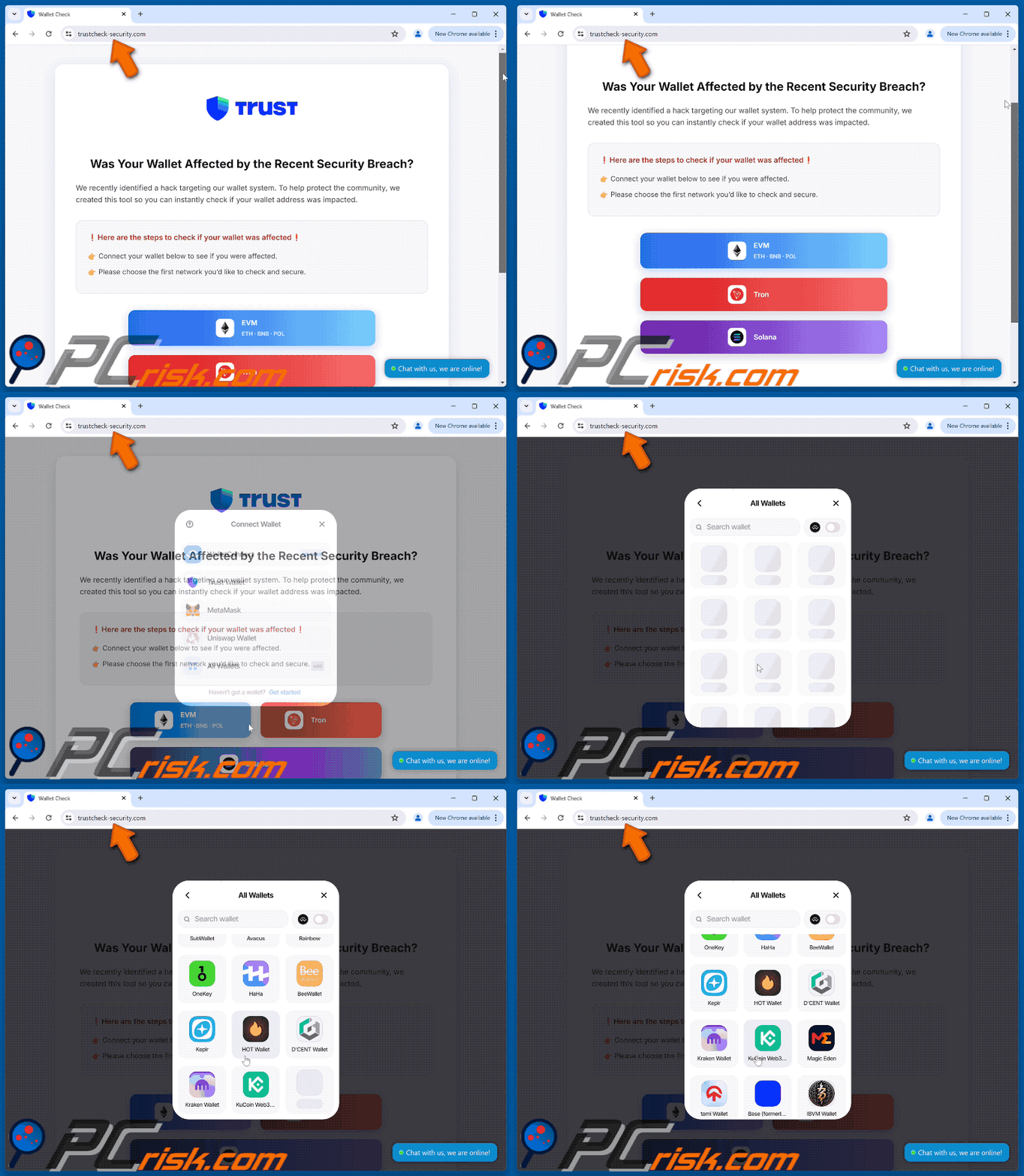

The recent Trust Wallet security breach has raised significant concerns among cryptocurrency users as it became evident that the browser extension version v2.68 was compromised due to an API key leak, enabling the dissemination of malicious code. Over 2,520 wallet addresses were affected, culminating in a staggering theft of approximately $8.5 million in assets. Investigations linked this incident to a broader supply chain attack known as Sha1-Hulud, where attackers infiltrated the Chrome Web Store API using leaked GitHub credentials. In response to this breach, Trust Wallet has pledged to compensate affected users and has begun refining its compensation workflow for victims. Users are strongly advised to transfer their funds to new wallets and submit claims through the official form to mitigate their losses.
Following the alarming Trust Wallet security incident, concerns surrounding digital asset protection are more pertinent than ever. This recent vulnerability highlights the risks associated with the Trust Wallet API key leak, which allowed nefarious actors to install harmful software on users’ devices. With Trust Wallet v2.68 under scrutiny, it has become evident that the theft impacting more than 2,500 wallet addresses was not an isolated event. By implementing robust security measures and compensating users affected by the incident, Trust Wallet is taking essential steps towards rebuilding trust in their wallet infrastructure. Vigilance and proactive responses are vital in ensuring that users can safely manage their crypto assets amidst growing threats from malicious entities.
Understanding the Trust Wallet Security Breach
The Trust Wallet security breach that occurred between December 24 and 26, 2025, sent shockwaves through the cryptocurrency community. This incident was driven by a serious vulnerability related to an API key leak in the browser extension version v2.68. Cybercriminals exploited this breach to inject malicious code, compromising over 2,520 wallet addresses and resulting in the theft of approximately $8.5 million in digital assets. This breach is not an isolated event but part of a larger trend of security vulnerabilities affecting digital wallets across the industry.
The fallout from the Trust Wallet API key leak highlights the critical importance of security in the crypto sphere. Users of Trust Wallet, a platform known for its emphasis on security, were particularly affected as this incident reflected deeper issues tied to supply chain vulnerabilities within the software industry. The incident is linked to the broader Sha1-Hulud attack that began in November, targeting the Chrome Web Store through leaked GitHub credentials. Such attacks underscore the need for enhanced security protocols and user awareness to prevent similar occurrences.
Trust Wallet Compensation and User Support
In light of the severe impacts from the Trust Wallet security breach, the company has taken significant steps to address the concerns of the affected users. Trust Wallet has committed to voluntarily compensating those who lost assets due to the compromised wallet addresses. The compensation workflow is currently being refined, and Trust Wallet is working diligently to verify ownership and engage with those who have been officially recognized as victims. This commitment is commendable and aims to restore trust in their platform following such a harrowing incident.
As part of the recovery effort, Trust Wallet has advised users to quickly transfer their funds into new wallets and submit claims through an official form designed for this purpose. Since the breach, the response has been overwhelming, with over 5,000 claims submitted for review. The Trust Wallet team is meticulously evaluating each case to ensure just compensation for all affected. This initiative not only demonstrates the company’s responsibility towards its users but also sets a precedent in the industry for handling security breaches with transparency and accountability.
Preventing Future Trust Wallet Malicious Code Incidents
In response to the malicious code uploaded during the Trust Wallet API key leak incident, the company has released an updated version, Trust Wallet v2.69. This newly fixed version addresses the vulnerabilities that led to the breach, enhancing security measures to protect users against future attacks. Trust Wallet has taken proactive steps, such as disabling permissions and credentials associated with the compromised version, to prevent any recurrence of similar breaches.
Furthermore, this incident has sparked a broader conversation about the need for all digital wallet providers to implement rigorous security protocols. By learning from the Trust Wallet experience, other platforms can develop strategies to bolster security against potential threats, such as employing two-factor authentication (2FA) and regular security audits. Users must also remain vigilant by updating their wallets and practicing safe storage features, ensuring their digital assets are safeguarded against malicious code and unauthorized access.
Impact on Trust Wallet Users and the Crypto Community
The impact of the Trust Wallet security breach has been profound, not just for the direct victims but for the entire cryptocurrency community. The theft of $8.5 million in crypto assets has raised alarms, prompting other wallets and exchanges to reevaluate their security measures and user protocols. As the trust in digital wallets depends heavily on their security infrastructure, this incident may dissuade new users from entering the crypto space, limiting the overall market growth.
Moreover, this breach highlights the widespread issue of security within the cryptocurrency ecosystem. Incidents such as the Trust Wallet API key leak have prompted calls for upgrading security standards and practices across the board. Users are urged to stay educated about potential threats while developers must prioritize creating unbreachable systems that secure wallet addresses against such malicious attacks.
Trust Wallet Version 2.68: A Lesson in Digital Security
The release of Trust Wallet version 2.68 serves as a cautionary tale about the vulnerabilities prevalent in digital wallet systems. Users relied on this version, unaware of the lurking threat posed by the API key leak that ultimately compromised user security. This incident emphasizes the need for constant vigilance from both wallet providers and their users, as security threats can emerge unexpectedly.
From this debacle, one vital lesson emerges: Regular updates and maintenance of wallet software are non-negotiable to ensure user safety. Trust Wallet’s shift to version 2.69 is a step in the right direction. It illustrates the company’s dedication to not only rectifying the flaws from the previous version but also reinforcing the overall security infrastructure of their platform to prevent future breaches.
Analyzing the Industry-Wide Supply Chain Attack
The Trust Wallet security breach cannot be viewed in isolation but as part of a larger, industry-wide supply chain attack termed Sha1-Hulud. This coordinated campaign exploited vulnerabilities allowing attackers to compromise systems connected to development tools and platforms like GitHub and Chrome Web Store API. Such systemic risks highlight that cybersecurity breaches overflow beyond individual entities, posing shared dangers across the cryptocurrency landscape.
These events testify to a serious gap in the security practices across digital platforms. Stakeholders must recognize the links between their operations and take a more holistic approach to cybersecurity. Enhancing collaboration among different platforms can facilitate the sharing of threat intelligence and ultimately create a united front against common threats posed by cybercriminals.
The Future of Trust Wallet: Enhancements and User Confidence
Looking ahead, Trust Wallet’s strategy post-breach will be critical in maintaining user confidence and enhancing platform security. The implementation of the revised compensation workflows and the communication of security updates are vital to restoring trust. Additionally, their steps towards refining security practices show a commitment not just to recovery but to growth and improvement in faultless digital wallet management.
To mitigate the impact of future threats, Trust Wallet is likely to invest in advanced security technologies and staff training to ensure all employees are equipped to recognize and react to potential vulnerabilities. The proactive stance taken by Trust Wallet can serve as a benchmark for the entire industry, possibly leading to enhanced practices that protect against malicious attempts, thereby paving the way for a more secure crypto ecosystem.
Educating Users on Crypto Security Measures
The Trust Wallet security breach underlines the need for enhanced education surrounding crypto security measures. Users must be well-informed about how to manage and safeguard their wallet addresses against potential threats, starting from the basics of using two-factor authentication (2FA) to recognizing phishing attempts. Increased education can empower users to take charge of their digital asset safety.
Moreover, Trust Wallet and similar platforms should consider offering educational workshops or online resources to help users better understand the security features available within their wallets. Such grassroots efforts help build a knowledgeable user base that collectively contributes to a safer cryptocurrency environment. When users are equipped with the knowledge of how to spot vulnerabilities and act accordingly, the overall security posture of the crypto community is significantly strengthened.
The Role of Trust Wallet in the Cryptocurrency Ecosystem
Trust Wallet plays a pivotal role in the cryptocurrency ecosystem, providing users with a reliable means to manage their digital assets. By emphasizing decentralization and user sovereignty, Trust Wallet has attracted millions of users globally. However, the recent API key leak and subsequent breach serve as a reminder that even established platforms are not impervious to vulnerabilities.
In contributing to a secure crypto environment, Trust Wallet’s ongoing efforts to improve security protocols and respond to breaches effectively will be essential. Trust Wallet’s experience, coupled with its strategies for remediation, can foster a much-needed dialogue about security best practices within the broader blockchain community, encouraging others to prioritize user safety to uphold the integrity of the entire industry.
Frequently Asked Questions
What happened during the Trust Wallet security breach involving API key leak?
The Trust Wallet security breach, which occurred from December 24 to 26, 2025, was caused by an API key leak in the browser extension version v2.68. This compromise allowed malicious code to be uploaded, affecting approximately 2,520 wallet addresses and leading to the theft of around $8.5 million in assets.
How many users were affected by the Trust Wallet v2.68 security breach?
Approximately 2,520 wallet addresses were impacted during the Trust Wallet v2.68 security breach. This incident was part of a larger industry-wide supply chain attack that took place in November.
What compensation is Trust Wallet offering to users affected by the security breach?
Trust Wallet is voluntarily compensating users affected by the security breach. The compensation workflow is being improved, and the team is reaching out to affected users to assist in the claims process.
What should affected Trust Wallet users do after the security breach?
Affected Trust Wallet users should promptly transfer their funds to new wallets and submit their claims through the official compensation form provided by Trust Wallet.
Is there a new version released after the Trust Wallet security breach?
Yes, Trust Wallet has released a fixed version, v2.69, following the security breach that occurred in the previous version v2.68. This updated version has disabled the relevant release permissions and credentials to enhance security.
What was the result of the Trust Wallet security breach involving malicious code?
The result of the Trust Wallet security breach, which involved the upload of malicious code, was the theft of approximately $8.5 million from 2,520 wallet addresses. This incident was linked to a wider industry supply chain attack known as Sha1-Hulud.
What actions is Trust Wallet taking in response to the compromised wallet addresses?
Trust Wallet is actively reviewing over 5,000 claims from users affected by the security breach. The team is managing the claims on a case-by-case basis to ensure each situation is addressed properly.
How did the Trust Wallet API key leak occur?
The Trust Wallet API key leak occurred due to a security breach linked to the Sha1-Hulud supply chain attack, which allowed attackers to access the Chrome Web Store API through leaked GitHub credentials.
| Key Point | Details |
|---|---|
| Incident Duration | December 24 to 26, 2025 |
| Version Affected | Trust Wallet browser extension v2.68 |
| Cause of Breach | API key leak allowing malicious code upload |
| Number of Affected Wallets | 2,520 wallet addresses |
| Total Asset Theft | Approximately $8.5 million |
| Related Attack | Linked to Sha1-Hulud supply chain attack in November |
| Compensation Offered | Trust Wallet will compensate affected users |
| Claims Filed | Over 5,000 claims filed |
| New Wallet Advice | Affected users advised to transfer funds to new wallets |
| Fixed Version Released | Trust Wallet version 2.69 has been released with fixes |
Summary
The Trust Wallet security breach, which occurred between December 24 and 26, 2025, highlights the critical importance of maintaining robust security protocols in digital asset management. Following an API key leak that led to the compromise of version v2.68, attackers gained access to the wallet’s infrastructure, affecting over 2,500 wallets and leading to significant financial loss. Trust Wallet’s proactive measures, including voluntary compensation to affected users and the quick release of a patched version of its browser extension, demonstrate the company’s commitment to user safety. It is crucial for users to remain vigilant and take immediate action by transferring their assets to secure accounts and participating in the claims process to seek restitution.
Related: More from Regulation & Policy | UK Gambling Regulator Examines Cryptocurrencies for Licensed Bettors in Crypto Regulation | Blocks Retreat Signals Broader Payments Shifts