
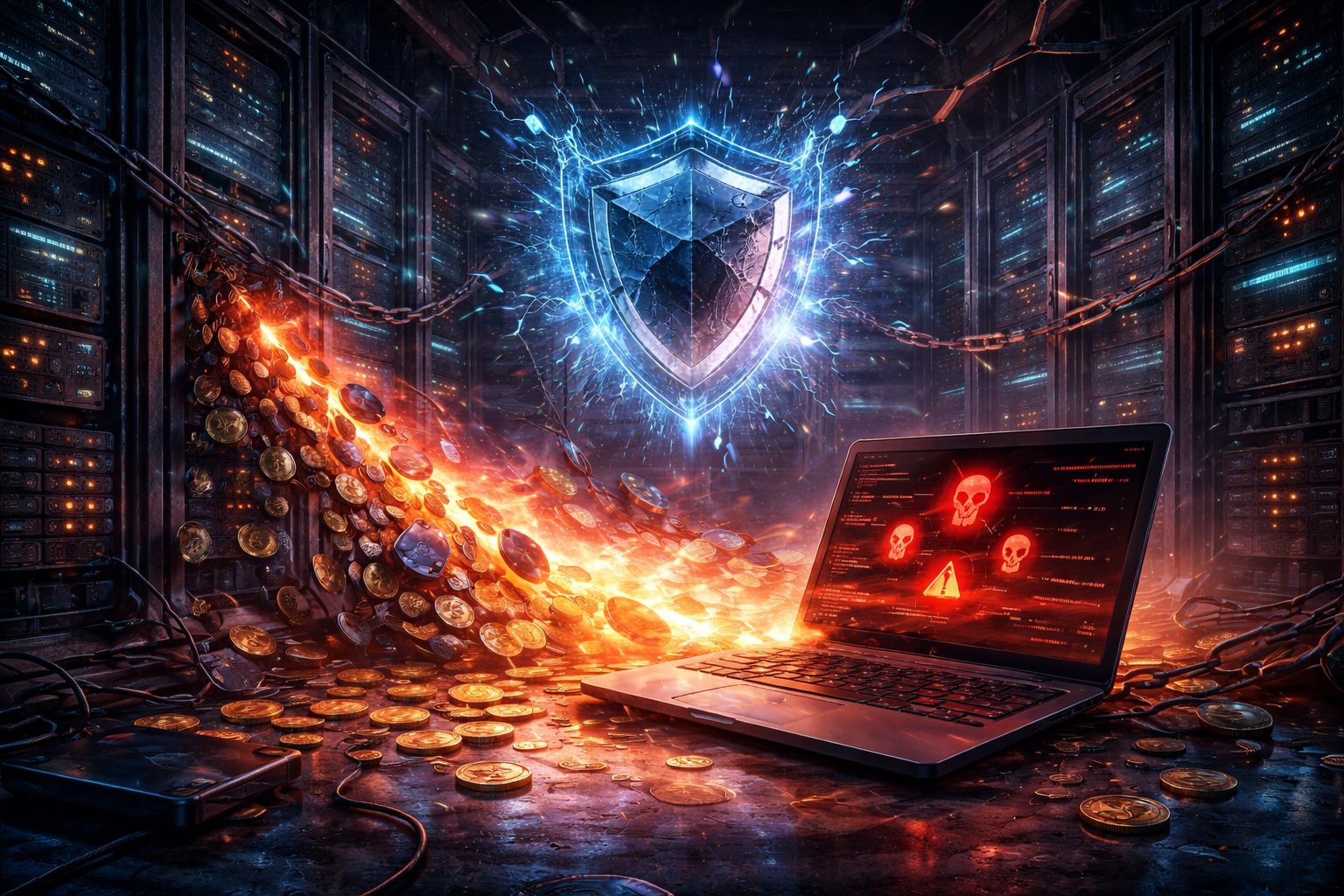

The recent Unleash Protocol hack has sent shockwaves through the decentralized finance (DeFi) community, highlighting a significant governance failure that allowed for unauthorized access to user funds. This breach resulted in the theft of approximately $3.9 million worth of assets, as attackers exploited weaknesses in the protocol’s multi-signature governance system. In a daring move, the hackers managed to drain funds before laundering them through an Ethereum bridge and established services like Tornado Cash. Such incidents raise urgent concerns about decentralized finance security, as they illustrate how compromised governance mechanisms can lead to devastating financial losses. As discussions around the implications of this attack unfold, the need for enhanced governance strategies within platforms like Unleash Protocol has never been more apparent.
In recent events, a serious security incident involving the Unleash Protocol has underscored critical vulnerabilities within decentralized governance structures. Dubbed a governance mishap, this exploit allowed malicious actors to drain millions from the system, dramatically impacting user trust and asset safety. Utilizing an Ethereum bridge, the perpetrators executed a sophisticated laundering operation through platforms such as Tornado Cash, raising alarms about the integrity of decentralized finance. This alarming case reflects not only the challenges faced by specific protocols but highlights broader issues regarding decentralized finance security and the urgent need for robust operational frameworks. As we delve deeper into these matters, the significance of sound governance practices becomes increasingly evident.
Understanding the Unleash Protocol Hack
The Unleash Protocol hack serves as a cautionary tale in the world of decentralized finance (DeFi), illustrating how governance failures can result in significant security breaches. An unauthorized contract upgrade allowed the attacker to exploit vulnerabilities inherent in the protocol’s governance framework. With approximately $3.9 million in user funds drained, the attacker’s maneuver underscores the fragility of DeFi ecosystems when governance mechanisms are not adequately fortified. This incident has re-emphasized the need for robust governance protocols as a vital layer of security in platforms like Unleash Protocol.
In the aftermath of the hack, discussions in the DeFi community have heightened about governance structures, especially in projects built on protocols like Ethereum. The ease with which the attacker bypassed multi-signature controls reflects how critical it is to continuously evaluate and fortify governance frameworks. The spurious upgrade was completed by manipulating admin permissions, which highlights that even well-intended governance systems can house vulnerabilities that lead to catastrophic outcomes.
Frequently Asked Questions
What caused the Unleash Protocol hack through governance failure?
The Unleash Protocol hack was facilitated by a governance failure that allowed an unauthorized contract upgrade, leading to direct withdrawals of funds from the protocol. Attackers exploited weaknesses in the governance system, enabling them to bypass standard security measures.
How were the funds stolen in the Unleash Protocol hack laundered?
After the Unleash Protocol hack, the stolen funds were bridged to Ethereum and laundered through Tornado Cash. The attacker utilized a strategy of breaking assets into smaller transactions to obscure their trails and reduce detection by monitoring tools.
What assets were affected by the Unleash Protocol hack?
The Unleash Protocol hack impacted several assets, including WIP, USDC, WETH, stIP, and vIP. These tokens were withdrawn through the unauthorized upgrade implemented during the governance failure.
What lessons can be learned from the Unleash Protocol governance failure?
The Unleash Protocol hack underscores the importance of robust governance mechanisms in decentralized finance. It illustrates how vulnerabilities in governance controls can lead to significant security breaches and financial losses.
Was the broader Story Protocol ecosystem affected by the Unleash Protocol hack?
No, the broader Story Protocol ecosystem was not compromised during the Unleash Protocol hack. The incident was contained within Unleash Protocol’s internal governance frameworks and did not affect its validators or core infrastructure.
What emergency measures did Unleash Protocol implement after the hack?
Following the Unleash Protocol hack, the team paused all platform operations to prevent further losses and is collaborating with security experts to investigate the breach. Users have been advised not to interact with Unleash Protocol contracts until further notice.
How did the Unleash Protocol exploit highlight security vulnerabilities in DeFi?
The Unleash Protocol exploit illustrated critical security vulnerabilities in decentralized finance by revealing how governance failures can lead to unauthorized access and significant financial theft, raising concerns about governance mechanisms.
| Key Point | Details |
|---|---|
| Governance Failure | Unauthorized contract upgrade allowed direct withdrawals amounting to $3.9 million. |
| Attack Method | Exploited weaknesses in multi-signature governance system to push unauthorized upgrades. |
| Laundering Process | Funds were bridged to Ethereum, then laundered through Tornado Cash in multiple transactions. |
| Affected Tokens | Impacted assets included WIP, USDC, WETH, stIP, and vIP obtained through the exploit. |
| Emergency Response | Unleash Protocol paused operations and is investigating the breach with security experts. |
Summary
The Unleash Protocol hack serves as a stark reminder of how governance failures can lead to catastrophic outcomes in decentralized finance. Following an unauthorized contract upgrade that allowed attackers to drain approximately $3.9 million, the incident highlights critical vulnerabilities in governance mechanisms. While Unleash Protocol is working diligently to address these issues and prevent future incidents, the breach underscores the importance of robust governance frameworks to safeguard user assets in decentralized applications.
Related: More from Security & Hacks | DOJ Seizes $580M Crypto from Chinese Actors | Minnesota Considers Banning Cryptocurrency Kiosks Due to Scams