

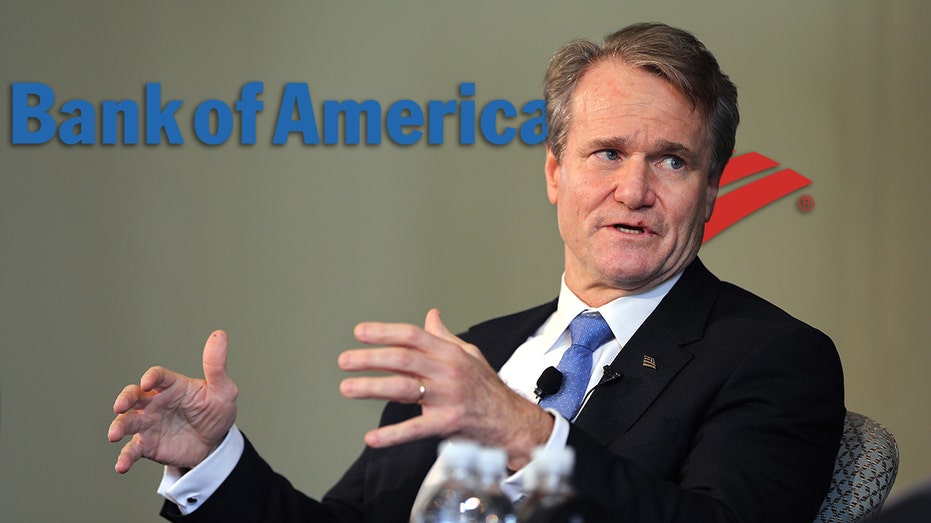

In a recent interview, Bank of America CEO Brian Moynihan made intriguing comments regarding the U.S. economy and the somewhat exaggerated role of the Federal Reserve (Fed) in public discourse. Highlighting that the scale of the U.S. economy dwarfs that of the Fed, Moynihan expressed his belief that the Fed should not dominate the conversation surrounding economic matters. He articulated that much of the economic strength comes from the private sector, encompassing businesses of all sizes and innovative entrepreneurs. This perspective offers valuable insights into the current dynamics of the U.S. economy, particularly concerning Fed interest rates and their perceived influence. With the impending nomination of a new Fed chair by Trump, Moynihan’s insights spark an essential discussion on the true factors driving economic growth and stability beyond just the Federal Reserve’s decisions.
In the context of recent statements made by the CEO of Bank of America, Brian Moynihan, it’s clear that discussions surrounding central banking and economic leadership are gaining traction. His observations during a CBS interview shed light on the often-misplaced focus on the Federal Reserve’s impact on the broader economy. Moynihan argued that the thriving private sector, rather than the Fed’s adjustments to interest rates, plays a pivotal role in shaping economic outcomes. This view challenges conventional wisdom and invites a reconsideration of how economic health is assessed in relation to Fed policy and the inner workings of the U.S. economy. As we explore these thoughts, the importance of understanding the broader economic landscape beyond just monetary policy becomes increasingly apparent.
Insights from Brian Moynihan: The Role of the Federal Reserve
In a recent interview on CBS’s “Face the Nation,” Brian Moynihan, CEO of Bank of America, shared his perspective on the influence of the Federal Reserve on the U.S. economy. He emphasized that the scale of the economy vastly outweighs the Fed’s impact, suggesting that an overemphasis on Fed decisions distracts from the true drivers of economic growth. Moynihan argued that businesses, both large and small, are the backbone of the economy, and their innovation and activity are what truly steer economic progress. This view illustrates a fundamental belief that while Fed interest rates can influence financial conditions, they should not dominate public discourse, especially given the extensive role of the private sector in fostering economic stability.
Moynihan’s comments highlight a growing concern among economists that excessive focus on Fed policies might lead consumers and investors to misjudge the broader economic landscape. While the Federal Reserve plays a crucial role in regulating monetary policy, Moynihan insists that the real essence of economic vigor lies within the entrepreneurial drive and operational scale of American businesses. His remarks serve as a crucial reminder of the diversified factors that contribute to economic health—suggesting that we should look beyond mere interest rate adjustments and appreciate the dynamic interplay of various market actors in shaping economic fortunes.
The U.S. Economy vs. the Federal Reserve: A Scale Comparison
One of the key revelations from Brian Moynihan’s interview is the stark contrast between the scale of the U.S. economy and the size of the Federal Reserve’s influence. As Moynihan noted, it is critical to understand that while the Federal Reserve aims to ensure economic stability through its policies, the actual thrust of economic activity comes from the myriad of businesses operating across the nation. This is a relevant perspective particularly in today’s environment where Fed interest rate speculations often dominate discussions related to economic outcomes. Such a comparison emphasizes the idea that, although the Fed has tools to manage inflation and unemployment, its measures are merely part of a larger economic ecosystem driven by private enterprise.
Analyzing the economics of scale, Moynihan advocates for a broader comprehension of what underpins the U.S. economic structure. His insights suggest that the Fed’s role should be viewed more as a facilitator than a central player, highlighting how the productivity of various businesses cumulatively contributes to economic resilience. This view can encourage policymakers and the public alike to maintain a balanced focus on both monetary policy and the contributions of various sectors in driving growth, thus reaffirming the importance of nurturing talent and innovation in the business community.
The Private Sector’s Impact on U.S. Economic Health
Moynihan’s assertions regarding the private sector’s vital role in the U.S. economy raise essential considerations about economic policy. He noted that much of the dialogue about the economy tends to revolve around the actions of the Federal Reserve, often overshadowing the significant contributions made by businesses. This echoes a larger conversation about the need to prioritize policy initiatives that bolster the private sector, such as supporting small business growth and fostering entrepreneurship. By doing so, the U.S. can cultivate a more robust economic landscape, less dependent on the Fed’s monetary interventions.
The call for greater prominence of the private sector in economic discussions also points to the importance of innovation and competitiveness. As economic conditions fluctuate, it becomes increasingly vital for policymakers to engage with business leaders to understand the challenges they face and the contributions they make to economic development. The interplay between the Fed’s monetary policy and the operations of the private sector can shape a more resilient economy. Thus, as stated by Moynihan, acknowledging the true engines of growth—entrepreneurs and businesses—could lead to more effective and impactful economic strategies.
Understanding Consumer Sentiment Amid Fed Speculations
The concerns raised by Brian Moynihan regarding consumer sentiment amidst Fed speculations reflect a crucial aspect of economic psychology. By highlighting the obsession with the Federal Reserve, Moynihan implies that such fixation can skew public perceptions and potentially lead to misguided financial decisions. As consumers react to anticipated changes in Fed interest rates rather than the real economic landscape, they could inadvertently influence market stability. Understanding how to balance these expectations is crucial for maintaining consumer confidence and fostering a sustainable financial environment.
Furthermore, Moynihan’s insights can be essential for policymakers and financial institutions. They must navigate consumer expectations concerning the Fed’s actions without allowing it to divert attention from genuine economic indicators. By focusing on the broader aspects of economic health—such as employment rates and business performance—leaders can provide a more realistic framework for consumers to base their decisions upon. Adequately addressing these factors is essential in cultivating financial literacy and confidence among consumers, helping them make informed choices irrespective of Fed maneuvers.
Economic Growth Beyond Federal Reserve’s Influence
In his discussion, Moynihan illustrated how economic growth is intrinsically linked to the actions and decisions of the private sector rather than being solely dictated by the Federal Reserve. Given that the Fed’s interest rate adjustments may only offer a short-term solution, it is critical for businesses to adopt long-term strategies that focus on innovation and market expansion. Moynihan emphasizes the notion that true economic growth stems from creativity and entrepreneurship, which should take precedence over concerns about future Fed policies.
Furthermore, understanding that the economy is multifaceted encourages a more diversified approach to economic health. Conditions within the labor market, consumer spending, and technology adoption all play significant roles. As such, while the Fed’s policies matter, they cannot singularly define economic performance. Moynihan’s comments push for a broader dialogue that includes empowering businesses and addressing the needs of the workforce, ultimately pointing to a more holistic approach to fostering economic prosperity.
Navigating Future Economic Policies: Balancing Fed and Private Sector
Looking ahead, the economic landscape of the U.S. will require a careful balance of influences from both the Federal Reserve and the private sector. Moynihan’s insights call for collaboration towards a unified economic vision that embraces both monetary strategy and business-led initiatives. For effective economic policy, it is essential for leaders to recognize that economic resilience is not solely dictated by interest rate decisions but also by the vibrancy and health of the private sector.
By involving business leaders in dialogue about economic strategy, policymakers can better align Federal Reserve actions with the realities faced by entrepreneurs and companies. This cooperative environment can pave the way for economic initiatives that are more resilient to market fluctuations and adaptive to consumer needs. Ultimately, the emphasis on public discussions about the essential partnership between the Fed and the private sector is paramount for building a future economy that thrives on collaboration.
Future of the Federal Reserve in a Dynamic Economic Landscape
Moynihan’s remarks on the Federal Reserve’s future role in a dynamic economy spark interest in understanding the potential evolution of monetary policy. As markets become increasingly complex, there is an opportunity for the Fed to recalibrate its focus towards supporting long-term economic growth rather than being reactive to short-term crises. By shifting towards forward-thinking strategies that encourage investment in innovation and infrastructure, the Fed can play a pivotal role in shaping a resilient economic future.
Moreover, the necessity for the Fed to adapt to changes in consumer behavior and business dynamics cannot be understated. As technological advancements continue to reshape economic structures, the Fed must remain flexible and responsive while fostering an environment conducive to sustainable growth. Moynihan’s perspective serves as a reminder that the Fed’s engagement with the private sector will be crucial in navigating this evolving economic landscape, fostering collaboration that can further enhance the country’s economic stability.
The Importance of Business Leadership in Economic Recovery
Brian Moynihan’s insights underscore the importance of business leadership in steering the U.S. economy towards recovery and growth. As the nation grapples with post-pandemic challenges, strong leadership within the private sector will be critical for fostering resilience. Business leaders have the ability to innovate and pivot in response to market needs, which is essential for driving economic recovery. Their role in creating jobs, advancing technology, and contributing to community development is invaluable during such pivotal times.
Additionally, the collaboration between business leaders and policymakers could significantly amplify the effectiveness of economic recovery strategies. With insights from companies across various sectors, economic policies can be tailored to address the unique needs of diverse industries, ensuring a more comprehensive approach to recovery. Moynihan’s comments highlight this synergy as a crucial component of a thriving economy, emphasizing that partnerships between the Fed and business leaders can yield impactful and sustainable economic outcomes.
Building a Sustainable Economic Future Post-COVID
Reflecting on the aftermath of the COVID-19 pandemic, Moynihan highlights the need for a sustainable approach to building the economic future of the U.S. As businesses navigate the new normal, it is imperative to create economic policies that not only address immediate recovery but also lay the groundwork for long-lasting resilience. This requires a concerted effort from the Fed and the private sector to work together in fostering environments that promote growth, innovation, and inclusivity.
Moreover, the path to sustainability involves addressing the systemic changes in consumer habits and business operations sparked by the pandemic. Insights from business leaders can inform better practices and policies that enhance economic durability, paving the way for a future that is less reactive and more proactive. Moynihan’s emphasis on the role of the private sector in economic development points to the significance of drawing on collective wisdom to achieve a more adaptive and thriving economy moving forward.
Frequently Asked Questions
What did Bank of America CEO Brian Moynihan say about the Federal Reserve’s role in the U.S. economy?
In a recent interview, Brian Moynihan indicated that the Federal Reserve’s role should not dominate public attention, stating that the U.S. economy’s scale is much larger than that of the Fed. He emphasized that the true drivers of the economy are the private sector and businesses of all sizes.
How does Brian Moynihan perceive the impact of Fed interest rates on the U.S. economy?
Brian Moynihan believes that the obsession with Fed interest rates adjustments, such as a 25 basis point change, is misplaced. He argues that the U.S. economy is influenced more by the actions of small, medium, and large businesses, not just by the Fed’s monetary policy.
What insights did Brian Moynihan provide about the U.S. economy in his CBS interview?
During his CBS interview on ‘Face the Nation’, Brian Moynihan shared insights about the U.S. economy, arguing that while the Fed plays a role, the economy’s overall performance is reliant on the private sector rather than solely on the actions of the Federal Reserve.
What is the significance of Brian Moynihan’s comments regarding the Federal Reserve and private sector impact on the economy?
Brian Moynihan’s comments highlight the belief that the health of the U.S. economy relies heavily on private sector activities and entrepreneurship, suggesting that the Federal Reserve’s influence should not overshadow these critical economic drivers.
In discussing the future of the Federal Reserve, what does Brian Moynihan think about new Fed chair nominations?
While Brian Moynihan did not express a preference for any particular nominee for the Fed chair, his comments suggest he believes that the focus should shift away from Fed leadership changes, like an upcoming nomination to replace Powell, towards the broader economic landscape and private sector vitality.
| Key Points |
|---|
| Brian Moynihan’s perspective on the U.S. economy |
| The U.S. economy’s scale exceeds that of the Federal Reserve |
| Public focus on the Fed is excessive, according to Moynihan |
| Moynihan emphasizes the importance of the private sector |
| Consumer fate is overly tied to Fed’s rate adjustments |
Summary
Bank of America CEO comments emphasize the need to re-evaluate the public’s fixation on the Federal Reserve. In a recent CBS interview, Brian Moynihan conveyed that the vastness of the U.S. economy should not be overshadowed by the Fed’s decisions. He pointed out that the real drivers of economic growth are the businesses and entrepreneurs in the private sector, rather than the central bank’s minor adjustments in interest rates.
Related: More from Regulation & Policy | UK Gambling Regulator Examines Cryptocurrencies for Licensed Bettors in Crypto Regulation | Blocks Retreat Signals Broader Payments Shifts