
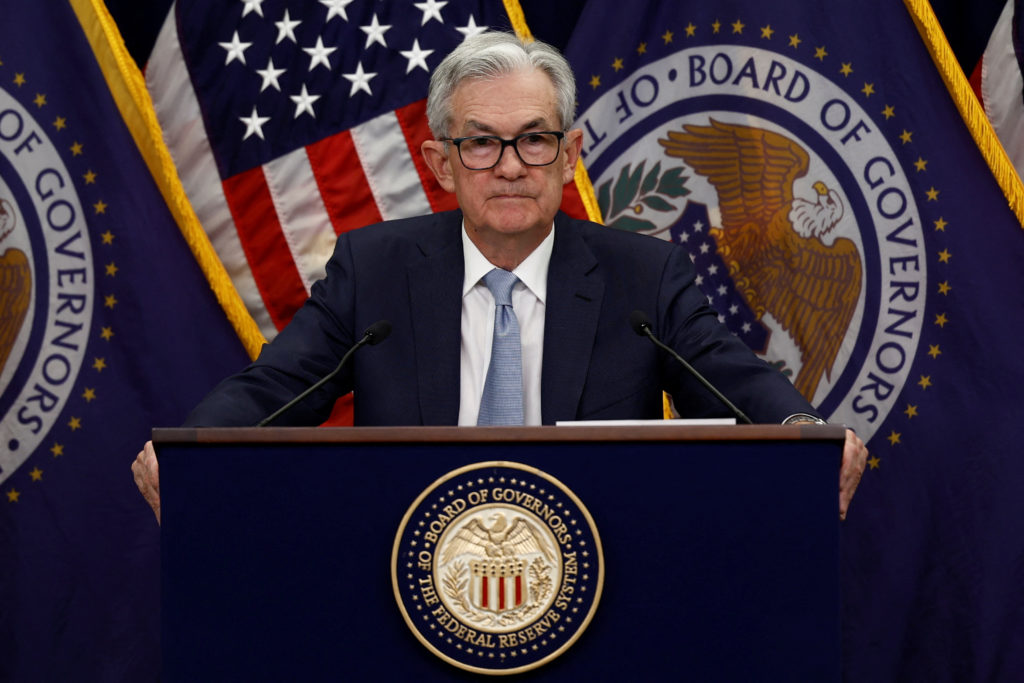

In recent Federal Reserve news, U.S. President Trump made headlines with his bold comments about the central bank’s leadership on December 30. He expressed frustration over the current Federal Reserve Chairman, Jerome Powell, even hinting at a possible lawsuit against him. Trump stated that he would prefer to fire Powell but recognized that the Chairman’s term is nearing its end, stirring speculation around the upcoming Federal Reserve Chairman nomination. With January Federal Reserve updates on the horizon, many are awaiting the announcement that could shake up monetary policy. These dynamics have sparked discussions about the future of the Federal Reserve, including Trump’s potential moves to influence its direction.
In an evolving narrative surrounding the U.S. monetary policy authority, recent discussions have placed a spotlight on its leader and strategic decisions. President Trump’s remarks about the head of the central bank have ignited debates about accountability and potential change at the top. The impending nomination for the Federal Reserve Chair is crucial, particularly in light of Trump’s dissatisfaction with Powell’s actions. As the January updates approach, the tension between political leaders and economic regulators continues to shape perceptions of financial stability. This intricate dance between government and the central banking system reflects broader themes of influence and oversight within the economy.
Trump’s Controversial Stance on the Federal Reserve
In a surprising statement made on December 30, 2025, President Trump openly criticized Federal Reserve Chairman Jerome Powell, indicating that he was contemplating legal action against the Fed leader. Trump’s remarks reflect his ongoing frustrations with the Federal Reserve’s monetary policies, which he believes have stifled economic growth. His potential lawsuit against Powell underscores the tension between the executive branch and the central banking system, a relationship often fraught with disagreements concerning fiscal policy.
Furthermore, Trump’s comments about Powell’s impending resignation have set the stage for significant speculations regarding the nomination of a new Federal Reserve Chairman. As January approaches, analysts and market watchers are keenly attuned to any developments surrounding this high-stakes appointment. Trump’s public discontent raises questions about the future of Federal Reserve policies and how they may shift depending on who assumes the role of Chairman in 2026.
January Federal Reserve Updates: Key Anticipations
As January 2026 approaches, all eyes are on the Federal Reserve as critical updates are expected regarding the leadership of the central bank. Following President Trump’s comments, it is anticipated that the announcement of the new Federal Reserve Chairman will take place early in the month. This news is expected to have considerable implications for the U.S. economy, particularly in terms of interest rates and inflation management.
In preparation for the upcoming announcement, investors are evaluating their strategies based on the projected changes in leadership and policy direction. With Trump’s intention to reshape the Fed highlighted, the financial community is eager for clarity on how the new chairman will address current economic challenges and the ongoing recovery from recent recessions.
Moreover, the updates are likely to shape the Fed’s approach in response to current market conditions, which include inflation concerns and wage growth pressures. As such, January’s announcements could signal either a continuation of Powell’s previous strategies or a stark pivot that aligns more closely with Trump’s anticipated economic agenda.
Federal Reserve Chairman Nomination Process
The nomination process for the Federal Reserve Chairman is a critical aspect of U.S. monetary policy, influencing everything from interest rates to overall economic stability. Traditionally, the sitting president nominates the chairman, who must then be confirmed by the Senate. With Trump hinting at dissatisfaction with Powell’s performance, the scrutiny surrounding the nomination process will be elevated, especially as the Senate considers the impending choice.
Trump’s remarks about potentially firing Powell come just as discussions are heating up regarding who will be nominated next. Analysts speculate that Trump might seek someone aligned closely with his economic perspectives, which could herald a transformative chapter for the Federal Reserve. The implications of such a nomination are profound, as the new chairman could introduce shifts in monetary policy that reflect Trump’s vision for economic recovery and stringent fiscal management.
The Impact of Trump’s Federal Reserve Lawsuit
Trump’s consideration of a lawsuit against Federal Reserve Chairman Powell introduces an unprecedented scenario in U.S. economic governance. Legal actions against the Fed could challenge the independence of the central bank, a cornerstone principle of American monetary policy. If pursued, this lawsuit might set a dangerous precedent, potentially undermining public confidence in the Fed’s ability to operate free of political interference.
The ramifications of Trump’s potential lawsuit include not only the legal outcomes but also the broader impact on market perceptions. Such actions could lead to increased volatility in financial markets as investors react to the possibility of heightened political risk surrounding the Federal Reserve. Critics argue that Trump’s confrontation with Powell could destabilize monetary policy, which relies on the Fed’s credibility and autonomy to manage economic growth effectively.
Understanding Powell’s Leadership Tenure
Since his appointment, Jerome Powell has navigated complex economic challenges including record-low unemployment, trade tensions, and inflation rates. His tenure has been marked by decisive moves such as interest rate adjustments and quantitative easing measures aimed at ensuring economic stability. However, under Trump’s administration, Powell has faced criticism, particularly regarding the pace and timing of these monetary policies.
As Powell’s term approaches its conclusion, it is essential to evaluate the influence of his leadership on the Fed’s current stance. Observers note that the decisions made during Powell’s leadership have shaped not only the financial landscape but also set the stage for the forthcoming nomination process. The ongoing debate over Powell’s performance has intensified discussions around the qualities that the next Chairman should possess.
Market Reactions to Federal Reserve Leadership Changes
Financial markets are highly sensitive to changes in the leadership of the Federal Reserve, reflecting the critical role that monetary policy plays in guiding economic trajectories. As speculation mounts regarding Trump’s potential nomination for a new Fed Chairman, stock and bond markets are likely to react either positively or negatively, impacting investor sentiment. A shift away from Powell’s policies could signal increased market volatility, particularly if the incoming chairman exhibits drastically different monetary strategies.
Moreover, the anticipation surrounding the new Federal Reserve Chairman will fuel discussions among economists and analysts about the future direction of interest rates and broader economic conditions. Therefore, effective communication from the Fed during this transition period will be essential to maintain market confidence and mitigate the risk of uncertainty in investment climates.
The Future of the Federal Reserve Amid Trump’s Influence
The potential influence of President Trump on the direction of the Federal Reserve could redefine the relationship between monetary policy and political leadership in the United States. Trump’s commitment to reshaping the central bank, coupled with his dissatisfaction with Powell, suggests that significant changes may be on the horizon. These changes could extend beyond personnel to the very philosophies driving fiscal decision-making.
As the economic landscape evolves, the next Chairman will likely need to address both the challenges inherited from Powell’s era and the new expectations set forth by the Trump administration. The way forward could either reinforce the Fed’s autonomy or mark a shift towards a more politically influenced monetary policy, fundamentally altering the economic framework in which markets operate.
Analyzing the Implications of Trump’s Federal Reserve Comments
Trump’s comments regarding the Federal Reserve, including his dissatisfaction with Powell and the potential for a lawsuit, carry significant implications for how fiscal policy is perceived both domestically and internationally. The President’s public critique of the Fed’s leadership may destabilize investor confidence, leading to apprehensions about central bank independence. Such rhetoric could spur a debate on the need for a balance between political oversight and the autonomy of economic institutions.
The fallout from Trump’s pronouncements may also attract attention from global market participants. Internationally, the United States is often seen as a bastion of monetary stability; thus, challenges to the Fed’s autonomy can reverberate through global financial systems. As markets grapple with these developments, Trump’s potential nomination decisions might be watched closely by foreign investors evaluating the implications for global economic interdependence.
Insights into the January 2026 Federal Reserve Meeting
The Federal Reserve’s meeting in January 2026 poses significant implications not just for U.S. economic policy but for global financial markets as well. With the possibility of a new chairman on the horizon, discussions will likely focus on key economic indicators, including inflation rates and employment figures. This meeting, anticipated with heightened interest, will be critical in shaping market expectations for fiscal policy in the coming months.
As stakeholders prepare for this meeting, the speculation surrounding Trump’s comments and the potential nominee will drive discussions. The future trajectory of the Federal Reserve’s monetary policy will hinge on how the new leadership addresses the current economic climate, especially concerning inflation control and interest rate management. Given the stakes involved, January’s revelations are sure to spur significant market responses.
Frequently Asked Questions
What did Trump say about the Federal Reserve in December 2025?
On December 30, 2025, President Trump commented on the Federal Reserve, expressing his dissatisfaction with Chairman Powell. He mentioned considering a lawsuit against Powell and stated that he would like to see him resign, even hinting at the possibility of firing him. This statement came ahead of the expected announcement for the Federal Reserve Chairman nomination in January 2026.
When can we expect the Federal Reserve Chairman nomination announcement?
The nomination for the Federal Reserve Chairman is anticipated to be announced in January 2026, as indicated by President Trump’s December comments regarding the Federal Reserve and Chairman Powell.
What are the implications of Trump’s comments on the Federal Reserve?
Trump’s comments on the Federal Reserve suggest potential turbulence ahead for monetary policy. By expressing a desire to sue and possibly fire Chairman Powell, Trump signals a significant push against current Federal Reserve policies, which may impact market stability and investor confidence. The upcoming Federal Reserve Chairman nomination could play a crucial role in shaping future monetary strategies.
What updates does the January Federal Reserve meet bring?
The January Federal Reserve meeting set to follow the upcoming Chairman nomination announcement could provide important updates on interest rates and monetary policies. Given Trump’s critical remarks about Chairman Powell, the resulting leadership change could lead to significant shifts in Federal Reserve communications and strategies.
How might the Trump Federal Reserve lawsuit affect the central bank?
If President Trump follows through with a lawsuit against Federal Reserve Chairman Powell, it could create legal and political challenges for the central bank. Such action may raise concerns about the independence of the Federal Reserve, potentially leading to market volatility and impacting public confidence in the institution.
What is the significance of Powell’s resignation news in the Federal Reserve context?
Powell’s resignation news is significant as it could indicate a shift in the Federal Reserve’s approach to economic policy. With President Trump expressing his desire for Powell to resign, the manner in which this occurs—whether through resignation, the end of his term, or otherwise—will influence the direction of U.S. monetary policy and the response to ongoing economic challenges.
| Date | Source | Comment by President Trump | Implication | |
|---|---|---|---|---|
| December 29, 2025 | Odaily Planet Daily | Considering suing Federal Reserve Chairman Powell; suggests he should resign and expresses desire to fire him. | Possible leadership change at the Federal Reserve, impacting monetary policy. | |
Summary
Federal Reserve news indicates that tensions between President Trump and the Federal Reserve continue to escalate. In his statement, he not only criticized Chairman Powell but also hinted at a potential legal battle and a change in leadership, which could significantly impact the direction of U.S. monetary policy.
Related: More from Regulation & Policy | UK Gambling Regulator Examines Cryptocurrencies for Licensed Bettors in Crypto Regulation | Blocks Retreat Signals Broader Payments Shifts


