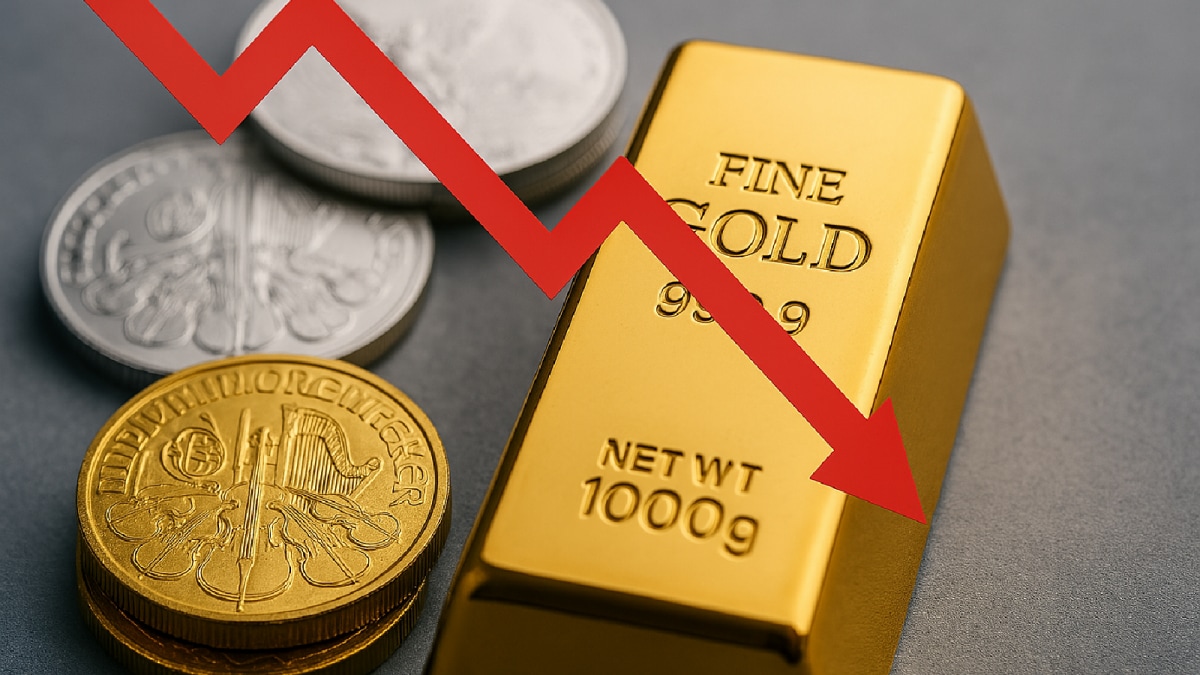

Gold prices decline as the market reacts to shifting economic expectations, particularly the anticipated easing of monetary policy by the Federal Reserve in the near future. After achieving record highs recently, international spot gold has witnessed a notable drop, with prices hovering around $4300 per ounce amidst profit-taking activities. This decline is exacerbated by the strengthening of the US dollar, which typically puts additional pressure on the gold market. Analysts are closely monitoring the situation, providing valuable gold price news and predictions that indicate a complex interplay of factors influencing investor sentiment. Despite the recent volatility, many still view gold as a reliable safe-haven asset, reflective of broader economic uncertainty.
In the world of precious metals, the recent downturn in the value of gold has sparked discussions about future price trends and market behaviors. As investors digest the implications of the Federal Reserve’s potential changes in monetary policy, gold market analysis becomes increasingly relevant. Following an unprecedented surge in gold values, the latest fluctuations have left many wondering if this is a mere correction or the start of a new trend. With ongoing global economic uncertainties, the demand for gold as a protective financial instrument remains prevalent, hinting at the asset’s enduring appeal despite short-term setbacks. Observers are keen to explore how these dynamics will shape upcoming gold price predictions.
Understanding the Recent Decline in Gold Prices
In the most recent trading session, gold prices declined from their recent peaks, primarily influenced by profit-taking moves among investors. After reaching an unprecedented high of $4300 per ounce, many market players sought to capitalize on these gains, leading to a sharp drop. This sell-off was particularly pronounced in the thinly traded markets characteristic of the holiday season, when liquidity is limited and price swings can be more volatile. Investors are now navigating a more cautious landscape as they evaluate the potential for further fluctuations in gold prices amid shifting market dynamics.
The recent decline can also be attributed to a mild rebound in the US dollar, which typically inversely correlates with gold prices. As the dollar strengthens, gold becomes more expensive for holders of other currencies, reducing its appeal as an investment. Additionally, the market’s anticipation of Federal Reserve monetary policy changes plays a pivotal role in gold price predictions. While the Fed’s potential easing of monetary policy might support gold in the long term, immediate market reactions often result in volatility as traders adjust their positions.
Frequently Asked Questions
What are the main reasons for the recent gold prices decline?
The recent decline in gold prices can be attributed to several factors, including strong profit-taking following significant gains, a mild rebound in the US dollar, and expectations that the Federal Reserve will ease monetary policy next year. These elements have created a thin liquidity environment that amplified the price correction.
How does Federal Reserve monetary policy affect gold prices?
Gold prices often react to Federal Reserve monetary policy because lower interest rates typically increase gold’s appeal as a non-yielding asset. The market’s expectation of the Federal Reserve easing its monetary policy next year has led to fluctuations, with current dip tempering enthusiasm despite long-term bullish sentiment in the gold market.
What impact does the US dollar have on gold prices?
Generally, gold prices have an inverse relationship with the US dollar. A rebound in the value of the dollar can place downward pressure on gold prices, as seen in the recent decline. Investors often move into currencies when they perceive strength in the dollar, diminishing the allure of gold as a safe-haven asset.
What insights can we gain from gold market analysis regarding price predictions?
Current gold market analysis shows that while there has been a short-term pullback in gold prices, the overall economic backdrop remains supportive for gold investments. Analysts are keeping an eye on macroeconomic indicators and expectations of Federal Reserve policy changes as these will likely influence future gold price predictions.
Why is the decline in gold prices important for investors?
The decline in gold prices is significant for investors as it may present buying opportunities, especially in an environment where political and economic uncertainties favor safe-haven assets. Understanding trends and the factors driving price movements can help investors make informed decisions in a volatile market.
What does the latest gold price news indicate about future trends?
Latest gold price news indicates that despite the recent decline, the overall macroeconomic climate still favors gold as an investment. With anticipated easing of Federal Reserve monetary policy and ongoing concerns about central bank independence, many analysts forecast that gold could see increases as these trends continue to unfold.
| Key Point | Details |
|---|---|
| Gold Prices Recent Decline | Gold prices fell significantly after reaching an all-time high, dropping to around $4300 per ounce. |
| Profit-Taking Activity | The decline is attributed to strong profit-taking in a thin liquidity environment. |
| Impact of US Dollar | A mild rebound of the US dollar has added to the downward pressure on gold prices. |
| Macroeconomic Support | Despite the short-term decline, the overall macroeconomic conditions are still supportive of gold prices. |
| Expectations for Fed Policy | Market anticipates that the Federal Reserve will ease monetary policy in the coming year. |
| Political Developments | Concerns regarding central bank independence in the US contribute to a favorable environment for safe-haven assets, including gold. |
Summary
Gold Prices Decline as the market reacts to profit-taking and dollar strength, following an all-time high. Analysts suggest that despite the current downturn, the fundamental macroeconomic support for gold remains intact. Investor focus is drawn towards expected changes in Federal Reserve monetary policy next year, compounded by political uncertainties, which collectively enhance gold’s appeal as a safe-haven asset.
Related: More from Regulation & Policy | UK Gambling Regulator Examines Cryptocurrencies for Licensed Bettors in Crypto Regulation | Blocks Retreat Signals Broader Payments Shifts