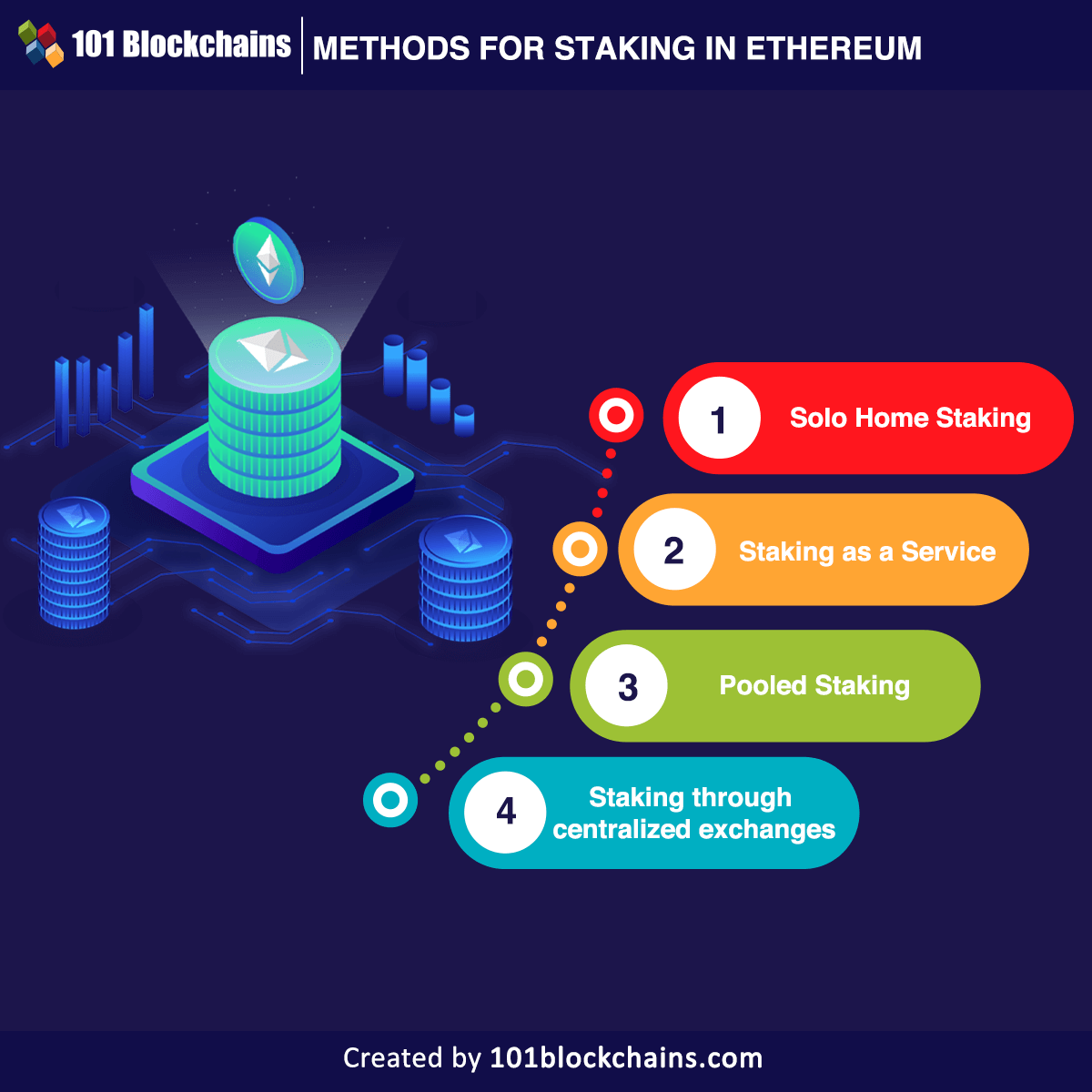

Ethereum staking is gaining traction as one of the most promising avenues for generating passive income in the ever-evolving cryptocurrency landscape. With an impressive Ethereum staking queue, the demand for staking ETH has surged, hinting at newfound institutional interest in this proof-of-stake model. This movement has been notably influenced by corporate figures like BitMine, which are making significant investments to position themselves amongst Ethereum validators. As the queue of stakers grows, many are eager to lock their tokens and earn rewards, while the regulatory environment becomes increasingly favorable. In this dynamic ecosystem, understanding the nuances of Ethereum staking can unlock potential benefits for investors seeking to leverage their assets effectively.
The surge in interest surrounding Ethereum staking signifies a transformative moment for digital asset investors. Often referred to as ETH staking, this process entails locking up Ethereum to support network security and maintain consensus, allowing participants to earn yield on their holdings. As the cryptocurrency landscape matures, terms like proof-of-stake and institutional staking are becoming common vernacular for market players looking to optimize their portfolios. Amidst this backdrop, ETH validators play a crucial role by facilitating the staking process, making it easier for both retail and institutional actors to engage in this increasingly important investment strategy. Observing the Ethereum staking queue and its implications will provide valuable insights into the evolving market dynamics.
Understanding Ethereum Staking Mechanics
Ethereum staking is a crucial component of the network’s transition to a proof-of-stake consensus mechanism, significantly influencing its security and functionality. When users stake their ETH, they commit their funds to validate transactions on the blockchain, earning rewards in return. However, the dynamics of staking can be complex, particularly when examining the current trends within the Ethereum staking queue. This congestion indicates a growing institutional interest, as seen with notable players like BitMine, which has brought substantial ETH into the staking process, reflecting confidence in future price appreciation and the regulatory landscape.
As Ethereum operates under a proof-of-stake model, the role of validators becomes increasingly important. These validators not only secure the network but also participate in governance decisions, further reinforcing their stake in the network’s success. Therefore, understanding the intricacies of Ethereum staking is essential for investors looking to engage with Ethereum, whether through direct staking or by investing in entities like BitMine, which manage large ETH holdings and facilitate staking on behalf of multiple investors.
Institutional Interest in Ethereum Staking
The recent congestion in Ethereum’s staking queue reflects a significant uptick in institutional interest, driven largely by changes in the regulatory environment and the market’s overall maturation. Institutions are now more inclined to participate in staking due to the clarity provided by the U.S. SEC and other regulatory bodies regarding liquid staking activities. This newfound clarity reduces the risk associated with staking for institutions, encouraging them to lock in their ETH for longer periods in exchange for rewards, which was unprecedented just a few months ago.
BitMine’s aggressive entry into the Ethereum staking space is indicative of this trend, as it alone accounts for nearly half of the current ETH waiting in the staking queue. Such moves are not merely speculative but are rooted in strategic decisions aimed at maximizing capital efficiency. As institutions recognize the benefits of Ethereum staking—not just in terms of yield but also for maintaining exposure to a rapidly evolving digital asset landscape—they are positioning themselves to leverage the potential upside associated with Ethereum’s continued growth and adoption.
Impacts of Regulatory Changes on Ethereum Stakeholders
Recent regulatory changes have had profound implications for stakeholders participating in Ethereum staking. The SEC’s stance on liquid staking has not only legitimized the activity but has also opened the floodgates for institutional investors to explore staking as a viable investment strategy. This new legal framework enables firms to engage in staking activities without the fear of regulatory backlash, encouraging further institutional capital influx into the Ethereum network.
Moreover, the IRS and Treasury Department’s guidance has created a ‘safe harbor’ that reassures institutions looking to stake their digital assets. This guidance allows for more streamlined operations and compliance, which can be particularly beneficial for larger asset managers seeking to integrate staking into their portfolio strategies. As regulatory clarity continues to improve, we can expect that interest in Ethereum staking will grow, facilitating a more robust ecosystem for both institutional and retail investors.
Navigating the Ethereum Staking Landscape
Navigating the Ethereum staking landscape requires a nuanced understanding of both the opportunities and challenges at play. With a significant backlog in the staking queue, investors need to be aware of the implications of delayed entry, particularly as they relate to potential yield and market dynamics. The current situation reflects not only a growing interest but also highlights the need for strategic decision-making in participation.
Institutions must weigh the benefits of staking against operational complexities such as validator management and compliance with regulatory standards. Failure to professionalize these processes can leave investors vulnerable in a rapidly evolving digital asset landscape. For those willing to invest in the necessary infrastructure, however, the potential rewards can be substantial, particularly as Ethereum continues to mature as a proof-of-stake network.
The Role of Large Entities in Ethereum’s Staking Ecosystem
Large entities like BitMine play a pivotal role in shaping Ethereum’s staking ecosystem. Their significant market activities can skew perceptions of the overall state of the market, as demonstrated by BitMine’s recent inflow of ETH into the staking queue. While this might suggest a bullish sentiment from a broad audience, it actually signifies the influence of a few large players directing the narrative. This phenomenon poses a challenge for analysts seeking to gauge true retail sentiment and demand in a market often guided by institutional factors.
As Ethereum continues to attract institutional interest, it is crucial for smaller investors and retail participants to remain vigilant and informed. Understanding how large players operate within the staking space can provide valuable insights that help to navigate individual investment strategies effectively. By monitoring the activities of these entities, smaller stakeholders can better position themselves to capitalize on potential opportunities within the decentralized finance landscape.
Technological Upgrades and Their Impact on Staking
The Ethereum network’s ongoing technological upgrades, such as the recent Pectra upgrade, have significant implications for the staking landscape. By increasing the maximum effective balance for validators, these upgrades enhance the user experience by simplifying the staking process for larger entities. This accessibility promotes efficient resource allocation in a network where consolidation of validators can lead to improved stability and reduced operational overhead.
However, while technological advancements simplify staking, they also introduce new operational complexities. Large validators are now faced with greater responsibilities in terms of managing their staking operations and ensuring compliance with heightened regulatory expectations. Therefore, entities looking to stake more ETH must prepare for extensive infrastructural requirements, ensuring that they can meet the demands of both the network and regulatory frameworks.
The Consequences of Market Dynamics on Ethereum Staking
Current market dynamics, particularly the tension between liquidity and staking, have significant consequences for Ethereum’s future. Recent trends indicate a rise in staking due to both institutional participation and the resetting of the network’s ‘plumbing,’ which affects how stakeholders view liquidity and yield generation. These dynamics have led to valuable lessons for investors in understanding how both market behavior and regulatory changes can impact staking opportunities.
Additionally, the interplay between capital being withdrawn from the market and net inflows into the staking queue illustrates the fragile balance that exists in the Ethereum ecosystem. For investors, recognizing these shifts can provide crucial insights into potential investment strategies. Establishing a comprehensive understanding of how market conditions can influence the staking landscape will be vital for effectively engaging with Ethereum’s robust growth in a proof-of-stake environment.
Understanding the Risks Associated with Ethereum Staking
While Ethereum staking presents an attractive opportunity for generating yield, it also comes with inherent risks that investors must consider. Factors such as slashing risk—where validators might lose a portion of their staked assets for improper behavior—underscore the need for thorough research and risk assessment before engaging in staking activities. Moreover, operational challenges accompanying validator management can elevate the risk profile, particularly for institutions lacking adequate infrastructure.
As more entities flock to participate in Ethereum staking, the landscape will continue to evolve. Investors must be acutely aware of these shifting variables to navigate their participation effectively, especially as Ethereum’s transition to a more decentralized proof-of-stake network unfolds. Engaging with Ethereum staking necessitates not only an understanding of potential rewards but also a comprehensive grasp of the risks, ensuring that participants are well-equipped to make informed decisions.
The Future of Ethereum Staking Post-Regulatory Changes
The future of Ethereum staking appears promising in light of recent regulatory changes. As institutions increasingly embrace staking due to the clarified legal frameworks provided by the SEC and IRS, opportunities for innovation and growth in this sector are expanding. This regulatory support will likely lead to a surge in institutional products centered around Ethereum staking, positioning it as a cornerstone of crypto asset management moving forward.
With the groundwork laid for a more stable and appealing staking environment, developers and asset managers are likely to create new financial instruments that capitalize on these trends. Such products could democratize access to staking, attracting a broader audience and further embedding Ethereum’s role in the financial ecosystem. The interplay between regulatory clarity and institutional involvement in Ethereum staking will define the trajectory of the network in the years to come.
Frequently Asked Questions
What is the Ethereum staking queue and why is it important?
The Ethereum staking queue is a record of Ethereum (ETH) that is waiting to be staked, which is essential for participants wishing to secure the Ethereum blockchain. This queue reflects the institutional interest in Ethereum staking, indicating that investors are locking up their assets to earn rewards, showing confidence in Ethereum’s proof-of-stake network.
How does BitMine influence the Ethereum staking queue?
BitMine significantly impacts the Ethereum staking queue by contributing a substantial amount of ETH to be staked, which distorts the organic demand signals. As the largest public ETH holding entity, BitMine’s maneuvers can create congestion in the staking process, relegating responses from smaller investors.
What role does institutional interest play in Ethereum staking?
Institutional interest is pivotal in the Ethereum staking ecosystem, as regulatory clarifications have encouraged large asset managers, like Grayscale and bitcoin-etfs/" class="bpay-semantic-link" style="color:#0a7a64; font-weight:700; text-decoration:none;" target="_blank" rel="noopener">BlackRock, to implement products that allow staking. This interest signals confidence in Ethereum’s proof-of-stake model, potentially leading to increased yield for stakers and stability in the network.
What does the term ‘Ethereum proof-of-stake’ mean?
Ethereum proof-of-stake refers to the consensus mechanism employed by Ethereum that allows validators to secure the network by staking their ETH. Unlike the proof-of-work model, proof-of-stake is more energy-efficient and allows participants to earn rewards for their contributions without the need for extensive computational resources.
How do ETH validators contribute to Ethereum’s network stability?
ETH validators are crucial to the stability of the Ethereum network by validating transactions and adding them to the blockchain. By staking their assets, these validators help maintain the network’s integrity and security while also earning staking rewards, which incentivizes continued participation.
What impact did the Pectra upgrade have on Ethereum staking?
The Pectra upgrade enhanced Ethereum staking by raising the maximum effective balance for validators from 32 ETH to 2,048 ETH. This improvement allowed for the consolidation of smaller validators into fewer, larger entities, thereby streamlining the staking process and stabilizing the Ethereum validator set.
What were the effects of regulatory changes on Ethereum staking for institutions?
Recent regulatory changes have relieved compliance concerns for institutions engaging in Ethereum staking, allowing them to participate without jeopardizing their tax status. This shift opened the doors for products like Ethereum Exchange-Traded Products (ETPs), increasing institutional capital flow into staking.
Why is there currently congestion in the Ethereum staking queue?
The congestion in the Ethereum staking queue is mainly due to a significant entry backlog created by BitMine’s recent staking activities and the return of previously unstaked ETH after a pause induced by security concerns. This has resulted in delays for new entrants wanting to stake their ETH.
What are the risks associated with Ethereum staking for validators?
Validators in Ethereum staking face several risks, including slashing risk (loss of staked ETH due to misconduct), operational complexities, and regulatory compliance challenges. A well-established management infrastructure is crucial for mitigating these risks and ensuring sustainable yield.
How can decentralized finance (DeFi) impact Ethereum staking?
The decentralized finance (DeFi) landscape can influence Ethereum staking by affecting liquidity and offering additional strategies such as lending. However, the recent market corrections have caused some traders to unwind leveraged positions, impacting the overall ETH staking dynamics.
| Key Aspects | Details |
|---|---|
| Current Staking Queue | 734,299 ETH waiting to stake, with an estimated delay of 14 days. |
| Exit Queue | 343,179 ETH waiting to exit, with an estimated 6-day delay. |
| Institutional Interest | Led by BitMine, with significant treasury movements impacting the staking environment. |
| Regulatory Impacts | New SEC and Treasury guidelines create a safer environment for staking, boosting institutional participation. |
| Stakeholder Changes | Entities like Grayscale and BlackRock now enable staking, indicating a shift towards SEC-compliant products. |
| Market Dynamics | The market reflects a mix of returning capital and new investment as protocols stabilize post-deleveraging. |
Summary
Ethereum staking is witnessing a transformative phase marked by a record queue that reflects heightened institutional interest. With regulatory clarity enhancing participation, the dynamics of staking are evolving as entities like BitMine lead significant movements in the validator set. This shift not only increases the total ETH locked in staking but also emphasizes the importance of compliance and operational maturity for institutions looking to capture sustainable yields. As the market adjusts to these developments, Ethereum staking stands at the forefront of institutional finance, ready for a new era of opportunity.
Related: More from Ethereum News | Vitalik Buterin Shares Vision for Ethereum Scaling Solution | Tether Freezes Over $4B Linked to Crime in Three Years in Ethereum