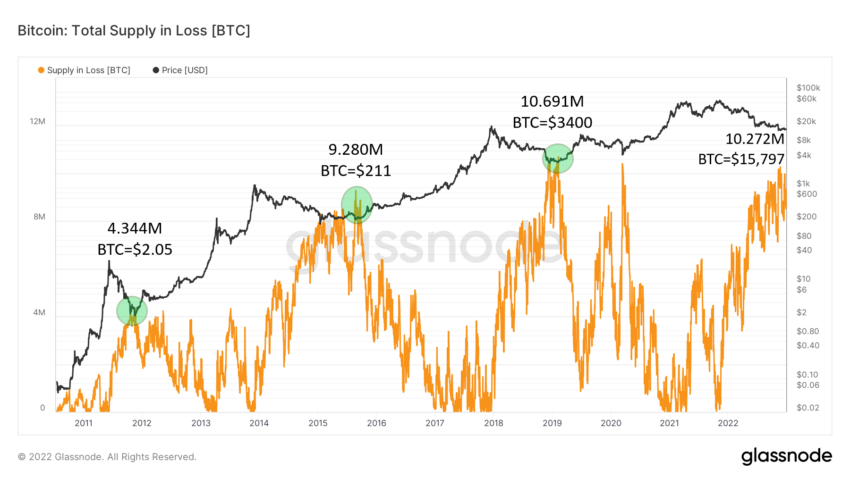

Bitcoin supply loss is becoming a crucial topic in the cryptocurrency landscape, as recent data indicates that approximately 33.5% of the Bitcoin supply is currently lost. According to a report by Cryptopolitan on the X platform, this significant loss mirrors conditions observed when Bitcoin (BTC) traded at around $26,000 in October 2023. As the Bitcoin trading news unfolds, it becomes increasingly important to understand how these losses impact market dynamics and investor behavior. With Bitcoin market analysis continuously evolving, the implications of supply loss are essential for traders and investors alike. Keeping track of these developments can provide insights into future BTC price trends, making it a paramount concern for anyone interested in cryptocurrency investments.
The phenomenon of Bitcoin supply loss highlights a key aspect of cryptocurrency valuation and scarcity. In this context, the idea of ‘lost Bitcoin’ reflects coins that are irretrievably removed from circulation, which can significantly influence market perceptions and the trading environment. Discussions surrounding the BTC scarcity often surface in Bitcoin trading news and reports, particularly among analysts examining market patterns and potential price fluctuations. By analyzing factors such as transaction records and wallet activities, investors can gain valuable insights into the present Bitcoin supply situation and its ramifications for future market dynamics. Such analyses are critical for understanding how the overall cryptocurrency market reacts to changes in Bitcoin’s circulating supply.
Understanding Bitcoin Supply Loss and Its Impact on Pricing
Recent reports, including those from Odaily Planet Daily and Cryptopolitan, highlight that approximately 33.5% of the overall Bitcoin supply is currently classified as lost. This statistic is significant as it underscores the shrinking pool of available Bitcoin, which plays a crucial role in influencing the market dynamics. When a substantial portion of the Bitcoin supply is lost, it can elevate demand for the remaining coins, potentially leading to a surge in BTC prices as seen in previous market fluctuations.
In October 2023, Bitcoin was trading around $26,000, coinciding with the last recorded instance of this percentage of supply being lost. Market analysts and traders are closely observing these trends, recognizing that the scarcity introduced by lost coins may lead to increased volatility and price appreciation in the future. Understanding this relationship is pivotal for investors engaging in Bitcoin trading, as they navigate through the complexities of the cryptocurrency market.
BTC Price Movements and Market Analysis
The Bitcoin market, influenced heavily by supply dynamics, has shown various price movements throughout 2023. Data shows that the price of BTC was around $26,000 in October 2023. This figure reflects broader sentiment in the market that reacts to both external economic factors and internal conditions, such as the proportion of total supply that is unavailable for trading. Market analysis indicates that as investors begin to recognize the implications of Bitcoin supply loss, they might adjust their trading strategies accordingly.
Moreover, the fluctuations in BTC prices are often foreshadowed by significant trading news and events. Traders who stay updated with the latest Bitcoin trading news are better positioned to capitalize on emerging trends. The interplay between Bitcoin supply loss and market price is vital for participants in this domain; thus, continuous market analysis is essential for making informed decisions.
The Role of Supply in Bitcoin Valuation
Supply plays a crucial role in the valuation of Bitcoin. With the recent data indicating that over 33.5% of Bitcoin is classified as lost, this raises questions about overall liquidity and market stability. When considering how this affects valuation, it’s essential to acknowledge that the perceived scarcity can drive prices higher, as seen during recent trading periods. Investors often gauge potential appreciation against supply metrics, with losses leading to increased attention on the remaining coins.
With Bitcoin trading around $26,000 in October 2023, the interaction between supply loss and demand creates a fertile ground for speculation. Understanding how Bitcoin’s supply impacts its value provides traders and investors with a strategic edge. Market participants often utilize advanced analytical tools to link supply metrics with trading volumes, which further enhances decision-making processes.
Bitcoin Trading News: What Investors Need to Know
Keeping abreast of Bitcoin trading news is imperative for anyone invested in cryptocurrencies. As reports like those from Cryptopolitan highlight the alarming rate of Bitcoin supply loss, investors must adjust their perspectives on future price movements. The data indicating that 33.5% of Bitcoin is lost suggests a strategic approach to buying and holding could yield benefits, especially if scarcity continues to drive up demand.
Beyond just news, understanding the market analysis surrounding Bitcoin can shape a trader’s strategy. October 2023’s BTC price movements serve as a case study for how sudden surges in demand can occur when significant supply losses are reported. Investors who actively engage with trading news and immediate market reactions are better equipped to capitalize on opportunities and hedge against potential downturns.
Evaluating Market Sentiment Towards Bitcoin
Market sentiment plays a significant role in Bitcoin’s performance. The recent report indicating that 33.5% of Bitcoin supply is lost has stirred various emotions within the cryptocurrency trading community. Bullish sentiment may emerge as traders recognize the implications of a reduced supply, encouraging some to increase their holdings. On the other hand, bearish sentiments may arise from potential fears over Bitcoin’s long-term viability, should losses continue to accumulate.
Tools for measuring market sentiment, including social media analytics and trading volume metrics, have taken on heightened importance in context with Bitcoin’s fluctuating supply. Professionals and casual investors alike should monitor these indicators to gauge market reactions timely. The ongoing discussion surrounding BTC price in October 2023 highlights the need for agile trading strategies in response to evolving sentiments.
Long-Term Implications of Bitcoin Supply Loss
The long-term ramifications of a significant Bitcoin supply loss are critical for the cryptocurrency’s ecosystem. With reports indicating that approximately 33.5% of Bitcoin is lost, it leads to a transformative impact on the market landscape. Over time, this diminished supply may result in increased valuations if demand remains steady or grows. Investors must consider these dynamics when planning their portfolios to ensure they remain aligned with ongoing market trends.
Furthermore, as the cryptocurrency landscape evolves, sustained supply loss will likely impact Bitcoin’s role as a hedge against inflation and a store of value. Understanding these long-term implications allows investors to adopt more effective trading strategies that align with macroeconomic trends and cryptocurrency’s unique characteristics. Thus, keeping an eye on supply metrics is not just about immediate gains but also about laying a foundation for future success.
The Importance of Blockchain Transparency in Bitcoin Supply
Blockchain transparency is paramount in discussing Bitcoin’s supply. The decentralized nature of Bitcoin provides visibility into the total supply and how much is actively circulating. With roughly 33.5% classified as lost, this transparency allows for better understanding and anticipation of market movements. Stakeholders can observe trends and adjust their strategies based on accurate data drawn from the blockchain.
Analyzing Bitcoin’s supply through blockchain can also reveal insights into whale behavior—individuals or entities that hold substantial amounts of Bitcoin, potentially influencing market dynamics. When assessing factors that affect BTC price around October 2023, the ability to access comprehensive supply data helps investors make informed decisions, reducing uncertainty surrounding Bitcoin investments.
Strategies for Navigating Bitcoin Market Challenges
Navigating the challenges presented by the Bitcoin market requires strategic planning and an understanding of various market signals linked to Bitcoin supply loss. With current statistics indicating a substantial amount of lost coins, traders must devise strategies that can withstand volatility and leverage market movements. These strategies may include diversifying portfolios, staying updated with market news, and understanding technical analysis.
In times of uncertainty, such as those highlighted by the losses observed in Bitcoin supply, investors should focus on long-term goals rather than short-term market fluctuations. Creating a well-outlined investment thesis that accommodates for potential market shocks can prove advantageous. By analyzing trends surrounding Bitcoin trading news and market analysis, one can better prepare for price movements and supply dynamics.
The Intersection of Bitcoin Supply and Future Trading Opportunities
As Bitcoin supply continues to evolve, particularly with the notable figure of 33.5% now lost, new trading opportunities may arise that astute investors can leverage. This highlights an interesting interplay between supply constraints and market demand, pushing traders to seek opportunities in a potentially appreciating asset. The forecast for Bitcoin in light of these supply losses suggests traders should remain vigilant for upward trends driven by scarcity.
Investors must also account for how macroeconomic trends may intersect with Bitcoin supply issues. Events that impact the broader financial landscape, combined with Bitcoin’s unique supply challenges, may open up various trading avenues. Consequently, aligning trading strategies with both current supply data and overarching economic indicators is crucial for optimizing future trading outcomes.
Frequently Asked Questions
What does Bitcoin supply loss mean and how is it impacting the BTC price in October 2023?
Bitcoin supply loss refers to the proportion of mined Bitcoin that is no longer accessible due to lost keys, forgotten wallets, or other factors. As reported by Cryptopolitan, about 33.5% of the Bitcoin supply is currently affected, which historically correlates with significant market implications, like influencing the BTC price in October 2023, when it was around $26,000.
How does the loss of Bitcoin supply affect market analysis?
The loss of Bitcoin supply is crucial for market analysis as it reduces the available BTC for trading. This reduction can lead to increased scarcity, potentially driving up BTC price in the current trading news and forecasts. According to the Cryptopolitan report, as the supply loss reaches 33.5%, it may prompt analysts to reassess future price movements.
Why is the Bitcoin supply loss relevant in Bitcoin market analysis?
Bitcoin supply loss is relevant in market analysis because it indicates the potential scarcity of the cryptocurrency. With 33.5% of Bitcoin supply currently classified as lost, analysts, including those featured in Cryptopolitan reports, monitor how this might influence BTC price trends and market strategies.
What are the implications of 33.5% Bitcoin supply loss for investors?
For investors, a 33.5% Bitcoin supply loss, as highlighted in the latest Bitcoin trading news, suggests that a significant portion of Bitcoin is no longer accessible, which could impact supply-demand dynamics, potentially driving BTC price volatility and influencing trading decisions.
How often does Bitcoin supply loss reach such high levels?
High levels of Bitcoin supply loss, such as the current 33.5%, are rare and can often signal shifts in market sentiment. Historical data indicates that the last time Bitcoin supply loss was at this level, BTC price hovered around $26,000 in October 2023, as detailed in various Bitcoin market analyses.
| Key Point | Details |
|---|---|
| Bitcoin Supply Loss Percentage | 33.5% of the total Bitcoin supply is considered to be in a state of loss. |
| Historical Context | The last time the Bitcoin supply loss percentage reached 33.5%, the price of BTC was approximately $26,000 in October 2023. |
Summary
Bitcoin supply loss refers to the significant portion of the total Bitcoin that is inactive or lost. Currently, about 33.5% of the Bitcoin supply is in a state of loss, as reported by Cryptopolitan on the X platform. This situation mirrors a previous period when Bitcoin was valued at around $26,000 in October 2023. Understanding these dynamics is crucial for investors and analysts alike.
Related: More from Bitcoin News | Citi Sees Bitcoin Banked on Wall Street Crypto Platform | Bitcoin Drops Below $65K Amid Macro Risks