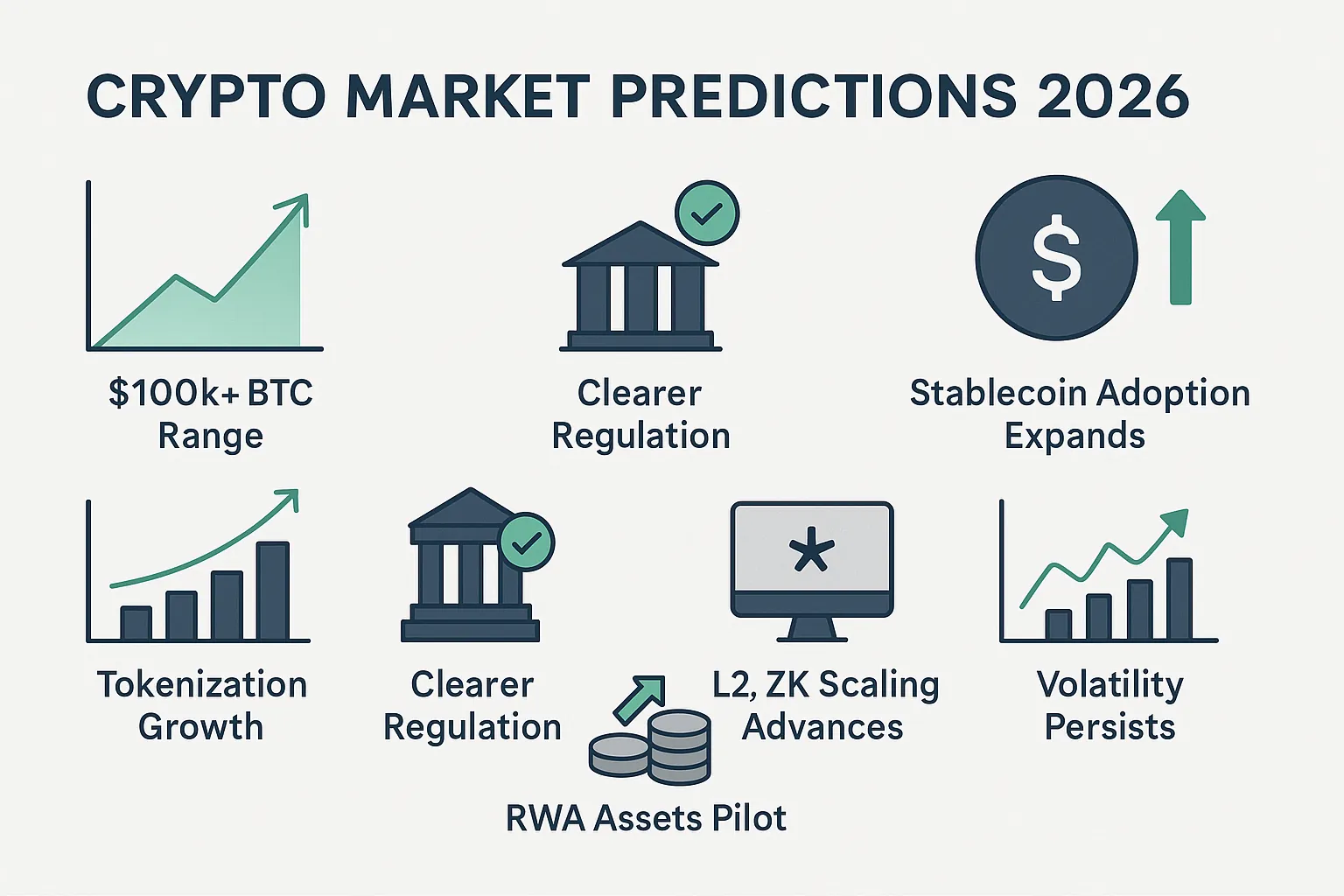

As we look towards cryptocurrency investments 2026, the landscape appears ripe for transformative growth, driven by a convergence of innovative technologies and regulatory clarity. With over $25 billion funneled into the crypto sector in 2025, investors are shifting their focus towards sustainable applications within the blockchain technology space, rather than mere speculation. The rise of stablecoins and tokenized assets is expected to anchor this evolution, providing a robust foundation for institutional adoption of crypto investment trends. Furthermore, decentralized finance (DeFi) consumer products are set to play a pivotal role in creating seamless user experiences and enhancing accessibility. Overall, the anticipation for 2026 suggests a maturing industry that prioritizes real-world applications and long-term stability over short-term gains.
As we approach the year 2026, the focus on digital currency investments is becoming increasingly prominent, indicating a significant evolution in the financial ecosystem. The ongoing development of blockchain innovations and the adoption of stable digital assets are reshaping how stakeholders perceive and engage with the investment landscape. Analysts note that future capital flows will preferentially support tokenization and decentralized finance solutions, which offer unprecedented opportunities for efficiency and integration. This new phase emphasizes the transition towards practical, user-centric applications, aligning with institutional needs and market demands. As such, 2026 is forecasted to usher in a new era of financial maturity characterized by responsible growth and enhanced collaboration within the crypto sector.
The Shift Towards Mature Cryptocurrency Investments in 2026
As we approach 2026, the landscape of cryptocurrency investments is expected to undergo significant transformations. Following an impressive influx of over $25 billion in venture capital during 2025, industry experts anticipate a shift from speculative trading towards a phase characterized by maturity and stability. This evolution marks a departure from prior narratives that were primarily speculative in nature. VCs from renowned firms like Coinbase Ventures and Galaxy Ventures assert that focusing on real demand and long-term infrastructure compatibility will be crucial in shaping the future of investment priorities in the cryptocurrency sector.
Mike Giampapa from Galaxy Ventures emphasizes that the advent of stablecoins and tokenized assets will catalyze long-term growth within the market. As traditional financial institutions increasingly adopt blockchain technology, they will likely replace outdated systems with more efficient, decentralized alternatives. This transition suggests that cryptocurrency investments in 2026 will not only be about adopting new technologies but also about integrating these innovations into existing financial frameworks to foster resilience and growth.
The Role of Stablecoins and Tokenized Assets in 2026
Stablecoins and tokenized assets are projected to play critical roles in the evolution of cryptocurrency investments in 2026. As Francesca Conti from CV Labs highlights, regulatory clarity is paving the way for greater institutional interest in these assets, which are perceived as safer and more stable compared to their more volatile counterparts. This push towards stable currencies is crucial for attracting hesitant institutions that require a certain level of security and compliance before fully integrating into the cryptocurrency ecosystem.
Moreover, as digital currencies gain traction across various sectors, the importance of tokenized assets will become increasingly apparent. These assets bridge the gap between traditional finance and the digital realm, allowing for greater liquidity and investment opportunities. By 2026, the integration of stablecoins and tokenized assets into mainstream finance could lead to a paradigm shift, where investors can leverage the benefits of blockchain while minimizing risks associated with volatility.
The Impact of Regulatory Clarity on Cryptocurrency Investments
Regulatory clarity is essential for nurturing a robust investment environment in the cryptocurrency sector. As emphasized by Hoolie Tejwani of Coinbase Ventures, enhanced regulations encourage institutional investors to engage more confidently, shifting the focus towards sustainable applications rather than short-term speculation. This regulatory backdrop not only fosters trust but also allows innovations to flourish within a framework designed to safeguard investors and uphold financial integrity.
Petr Martynov from Morningstar Ventures concurs, noting that the presence of clear regulations unlocks untapped potential in emerging markets and traditional industries. The convergence of regulatory frameworks with blockchain technology will allow for the design of compliant and innovative solutions that can address real economic challenges, further solidifying the role of cryptocurrencies in mainstream finance.
Understanding DeFi Consumer Products and Their Growth Potential
Decentralized Finance (DeFi) consumer products are expected to gain traction as the cryptocurrency market matures. With a focus on creating ‘seamless’ experiences for users, these products aim to provide financial services without the traditional intermediary barriers. As Jeff Ren of OKX Ventures points out, the capital will increasingly flow towards projects that integrate seamlessly with established financial systems, thereby improving access and encouraging broader adoption.
By 2026, the emphasis on DeFi solutions will not only cater to crypto enthusiasts but also attract mainstream consumers interested in leveraging these innovations for their financial needs. The potential for AI and automation within the blockchain ecosystem can further enhance DeFi applications, leading to a new wave of efficiency, transparency, and accessibility in financial transactions.
Investment Trends Shaping the Future of Cryptocurrency
Investment trends in the cryptocurrency space are poised to evolve significantly as the market matures. With the shift from speculative narratives to a focus on practicable applications, investors are likely to prioritize projects that promise tangible benefits. The current consensus among top VCs, including Mike Giampapa and Hoolie Tejwani, underscores the need to shift towards infrastructure that supports real-world applications, thereby fostering growth and stability in the long term.
As more institutions enter the crypto space, the demand for sound investment strategies and products will grow. This trend will encourage collaboration among blockchain projects, traditional finance establishments, and regulatory bodies, fostering an ecosystem where innovation and compliance coexist. The emphasis on sophisticated and well-researched projects could lead to a more balanced investment landscape by 2026.
Tokenization: The Future of Assets in Cryptocurrency
Tokenization is revolutionizing how assets are viewed and managed in the cryptocurrency world. By converting physical assets into digital tokens, investors gain access to new markets and liquidity. This innovative approach also democratizes investment opportunities, allowing smaller investors to own fractions of high-value assets. As we approach 2026, the implications of tokenized assets will be profound, potentially reshaping traditional investment vehicles across various sectors.
Additionally, as established VCs, including Francesca Conti, highlight, the adoption of tokenization facilitated through blockchain technology can enhance transparency and trust in asset management. This trend is likely to attract a broader range of investors, catalyzing a shift in how wealth is distributed and investments are approached, especially in developing markets that have historically lacked access to such opportunities.
The Intersection of Cryptocurrency and Traditional Finance
The cryptocurrency sector’s integration with traditional finance is a pivotal trend as we head into 2026. As more institutional funds direct capital towards blockchain projects, the collaboration between these two worlds is becoming vital. VCs like Petr Martynov from Morningstar Ventures note that the capacity for cryptocurrency solutions to mesh with established financial frameworks will be a determining factor in the latter’s evolution.
This convergence offers numerous advantages including enhanced liquidity, greater market access, and improved regulatory compliance. Institutions looking to modernize and future-proof their operations are increasingly viewing crypto as an integral component of their financial strategy, which could affirm the legitimacy and longevity of cryptocurrency in the global financial landscape.
Adapting Cryptocurrency Strategies for 2026
As the cryptocurrency landscape evolves, investors will need to adapt their strategies in alignment with emerging trends. The focus will shift towards long-term viability and innovation rather than fleeting gains from volatile price shifts. Investors are encouraged to conduct thorough research and prioritize projects that align with stablecoins, tokenized assets, and regulatory compliance, reflecting a more cautious yet growth-oriented investment approach.
Moreover, the integration of blockchain technology into traditional finance requires investors to remain agile and responsive to changes within regulatory frameworks. By staying informed and engaging with developments in both fields, investors can position themselves advantageously for the opportunities that 2026 will present in the cryptocurrency market.
Emerging Opportunities in the Global Cryptocurrency Landscape
As we look towards 2026, the global cryptocurrency landscape is teeming with opportunities. Emerging markets are poised to benefit tremendously from the adoption of blockchain technology, enabling both individuals and businesses to participate in a more decentralized and democratized financial ecosystem. VCs such as Jeff Ren emphasize that projects offering practical solutions tailored to meet local needs are more likely to thrive, showcasing the adaptability of the crypto sector.
Furthermore, the ongoing evolution of regulatory frameworks will open new doors for investment while cultivating a supportive environment for innovative projects. The collaboration between private sector players and policymakers is essential in shaping a sustainable future for cryptocurrencies, ensuring they cater effectively to the evolving needs of various markets and demographics worldwide.
Frequently Asked Questions
What are the anticipated cryptocurrency investment trends for 2026?
In 2026, the cryptocurrency investment trends are expected to shift towards more mature implementations, with a focus on stablecoins and tokenized assets. Investors are likely to prioritize projects that integrate seamlessly with traditional financial systems and offer real-world applications, driven by enhanced regulatory clarity.
How will blockchain technology impact cryptocurrency investments in 2026?
Blockchain technology is set to play a crucial role in cryptocurrency investments in 2026, as it enables the development of tokenized assets and stablecoins. These innovations will likely drive institutional adoption and growth within the sector, as they offer more transparent and efficient financial solutions.
Why are stablecoins important for cryptocurrency investments in 2026?
Stablecoins will be particularly important for cryptocurrency investments in 2026 because they provide stability within the volatile crypto market. As institutions increasingly adopt blockchain technology, stablecoins will facilitate smoother transactions and integrate traditional finance with digital assets.
What role will DeFi consumer products play in cryptocurrency investments by 2026?
DeFi consumer products are expected to be a significant focus in cryptocurrency investments by 2026. They will enhance the application layer of blockchain technology, providing users with more options for financial services and contributing to a more mature and user-friendly ecosystem.
How does regulatory clarity influence cryptocurrency investments in 2026?
Regulatory clarity will significantly influence cryptocurrency investments in 2026 by fostering institutional demand and confidence. With clear guidelines, investors are more likely to engage in long-term strategies that emphasize genuine utility and collaboration within financial ecosystems.
What are the prospects for tokenized assets in cryptocurrency investments for 2026?
Tokenized assets are projected to play a key role in cryptocurrency investments in 2026, as they represent real-world assets in a digital format. This trend will enable greater liquidity and access to investments, appealing to a broader range of investors and institutions.
How might competitive infrastructure shift in cryptocurrency investments by 2026?
By 2026, the competitive landscape for cryptocurrency investments is expected to shift from a focus on building infrastructure to fostering sustainable applications and institutional partnerships. This evolution reflects a maturation of the market and a focus on real economic scenarios.
What influential factors will drive cryptocurrency investments in 2026?
Key factors driving cryptocurrency investments in 2026 include the maturation of the market, regulatory advancements, integration of blockchain technology with traditional finance, and the rise of innovative DeFi consumer products and stablecoins that enhance user experience.
What should investors look for in cryptocurrency projects in 2026?
Investors should seek cryptocurrency projects in 2026 that demonstrate institutional compatibility, real demand, and sustainable applications. Focus will likely be on how projects utilize blockchain technology and how effectively they integrate with existing financial systems.
| Key Point | Details |
|---|---|
| Venture Capital Milestone | The cryptocurrency sector secured over $25 billion in funding in 2025. |
Summary
Cryptocurrency investments in 2026 are poised to enter a transformative phase characterized by maturity and substantial growth. Following a year of significant venture capital influx, the industry is shifting towards sustainable applications and institutional support. Prominent investors highlight the importance of regulatory clarity, which is fostering demand from institutional players and paving the way for blockchain integration in traditional finance. With an emphasis on real-world asset generation and the development of innovative financial products, the future of crypto investments is anticipated to focus on operational efficiency rather than mere speculation. This momentum indicates a stabilization and maturation of the cryptocurrency market, marking 2026 as a pivotal year.
Related: More from Regulation & Policy | UK Gambling Regulator Examines Cryptocurrencies for Licensed Bettors in Crypto Regulation | Blocks Retreat Signals Broader Payments Shifts