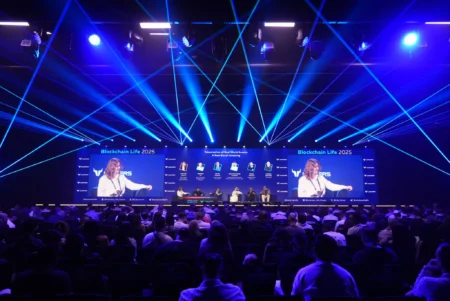

Power Engineering Cost Management is becoming increasingly crucial as the energy sector undergoes rapid transformation. The recent National Power Engineering Cost and Quota Management Work Conference highlighted significant advancements in cost management strategies, particularly over the past Five-Year Plan. Key discussions focused on integrating innovative technologies, such as artificial intelligence in energy and blockchain in power management, to enhance efficiency and transparency. With a vision set for the future, industry leaders are urged to adopt proactive planning and establish standards aligned with the evolving power system. As we look ahead, the concerted efforts to navigate challenges will undoubtedly shape the foundation for sustainable energy practices.
When discussing the financial oversight of power resources, terms like energy costing strategies and power utility budget management often arise. The recent conference on power sector allocation emphasized the importance of developing advanced techniques to manage expenditures amid the ongoing evolution in energy markets. Innovations in technology, particularly the applications of AI and blockchain, are essential for improving transparency and efficiency in financial operations. As the energy landscape shifts, the fusion of traditional practices with modern solutions will dominate discussions among stakeholders. Subsequently, strategic collaboration between various entities will be crucial in achieving long-term stability in energy management.
The Transformative Role of Power Engineering Cost Management
Power engineering cost management plays a crucial role in shaping the future of the energy sector, especially amid ongoing transformations and innovations. The National Power Engineering Cost and Quota Management Work Conference highlighted the need for a comprehensive approach to align power quotas with emerging business models. This proactive planning is essential for establishing a cost-standard system that meets the demands of a new energy landscape. It emphasizes a shift from traditional methodologies to a more integrated system that can accommodate innovations such as renewable energy integration and decentralized power systems.
Moreover, effective cost management strategies are fundamental for ensuring financial stability within the power sector. By implementing a coherent framework that combines traditional cost management practices with cutting-edge technological advancements, energy companies can enhance their operational efficiency. As highlighted in the 15th Five-Year Plan, these strategies not only support financial sustainability but also enable organizations to adapt to the rapidly changing market conditions and regulatory environments, thereby transforming the energy sector.
Innovative Technologies in Cost Management
The integration of innovative technologies like artificial intelligence (AI) and blockchain in power engineering cost management is revolutionizing efficiency and transparency within the energy sector. AI facilitates data-driven decision-making, enabling companies to analyze cost patterns and predict future expenditures effectively. This is particularly beneficial in the context of dynamic energy markets where fluctuations in supply and demand can significantly impact operating costs. Through AI, organizations can optimize resource allocation and identify opportunities for cost reduction, leading to more sustainable operations.
Simultaneously, blockchain technology fosters a trustworthy and decentralized approach to cost management. By implementing blockchain, various stakeholders within the energy sector can gain access to a shared dataset, enabling a transparent view of costs related to power consumption and distribution. This technology enhances accountability and allows for more effective collaboration between different entities, thus expediting the digital transformation within the sector. As highlighted at the conference, the development of a cost data sharing mechanism utilizing blockchain is a critical step towards achieving a more interconnected and efficient power grid.
These innovative applications of technology illustrate that embracing digital transformation is no longer optional but a necessity for modern power engineering enterprises. The collaboration between AI, blockchain, and cost management strategies will lead to improved operational performance and pave the way for future advancements in the energy sector.
Collaboration for Stability in Power Cost Management
Achieving stability and long-term development in power engineering cost management requires a collaborative effort among various stakeholders. The conference underscored the importance of unity among participants from different sectors, including government agencies, utility companies, and technology providers. Establishing a cooperative framework can help generate a consensus on cost reduction practices and quota systems that respond effectively to market needs. By fostering joint initiatives, stakeholders can streamline processes and create more effective policies to manage energy costs.
Furthermore, this collaborative approach is vital in addressing the transformative tasks outlined in current and future energy frameworks. By uniting their efforts, stakeholders can explore innovative cost management strategies that are adaptable to changes in the regulatory landscape. The shared insights from different entities can lead to best practices that enhance accountability, sustainability, and responsiveness within the sector. As the energy landscape continues to evolve with the integration of AI and blockchain technologies, this collaboration will be essential for ensuring the resilience and efficiency of power cost management.
Future Directions Post 2025 Power Engineering Conference
The outcomes of the National Power Engineering Cost and Quota Management Work Conference signal a critical shift in how cost management is approached in the energy sector post-2025. The three key requirements set forth illustrate a clear roadmap for integrating traditional practices with modern innovations. As the energy sector transforms, ensuring that the planning phase includes proactive measures will be vital in addressing potential challenges and harnessing new opportunities.
Additionally, the emphasis on digital transformation and the adoption of advanced technologies like AI and blockchain delineate the path towards more efficient management systems. Future discussions and resolutions will likely mirror the need for continued innovation and adaptability in cost management practices, ensuring that the power sector can meet both present and future demands effectively. As we move forward, the dialogue initiated at the conference must be maintained to foster an environment conducive to advancement and collaboration.
Power Engineering Conferences: Driving Innovations
Power engineering conferences serve as pivotal platforms for exchanging ideas and innovations in cost management and energy transformation. Event highlights often reflect trending topics such as the implementation of advanced technologies and sustainability practices in the sector. The recent Beijing conference showcased numerous achievements and laid the groundwork for future strategies that encompass cost management, digital transformation, and collaboration among diverse stakeholders.
These conferences not only allow for networking among professionals but also provide insights into the latest research and developments that are shaping the future of power engineering. By attending such events, participants can gain firsthand knowledge of the challenges and solutions being discussed, facilitating the adoption of successful strategies in their organizations. The dialogue fostered within these platforms will undoubtedly influence the 15th Five-Year Plan and beyond.
Cost Management Strategies for Future Resilience
As the energy landscape evolves, implementing effective cost management strategies is paramount for resilience. These strategies must encompass both traditional cost management practices and newer methodologies that leverage advanced technologies. The integration of AI and blockchain can significantly enhance the capability of companies to manage risks and optimize resources effectively. Exploring these technologies is not merely a trend; it represents a fundamental shift towards smarter energy management.
Moreover, resilience in cost management also requires flexibility and adaptability to react promptly to market changes. Organizations in the energy sector must continuously evaluate their cost management strategies against emerging challenges and opportunities. By prioritizing innovation and collaboration, companies can navigate the complexities of the energy sector while ensuring long-term sustainability and profitability.
The Impact of the 15th Five-Year Plan on Power Engineering
The introduction of the 15th Five-Year Plan brings significant changes to the framework of power engineering cost management. This blueprint sets ambitious targets for the integration of new technologies and sustainable practices within the sector. The outlined transformative tasks reflect a comprehensive approach to establishing a reliable and efficient energy system that not only focuses on growth but also on environmental responsibility. Implementation of these strategic directives will rely heavily on innovative cost management and collaborative frameworks among various stakeholders.
Key to this transformation will be the need to adapt current practices while adopting innovative solutions that align with the evolving energy sector. Engaging with participants in the power engineering conferences will provide vital insights into adapting cost management strategies that correspond with the Plan’s vision. By incorporating feedback from industry leaders, policymakers, and technology experts, a more cohesive and effective approach to energy cost management can be established, guiding the sector towards its long-term goals.
The Role of Artificial Intelligence in Energy Management
Artificial intelligence is becoming an integral player in enhancing power engineering cost management. The ability to analyze large amounts of data quickly allows organizations to derive insights that were previously unattainable. AI can predict energy consumption patterns, optimize operational efficiencies, and ultimately reduce costs, making it a valuable tool for power engineering firms. Incorporating AI into cost management strategies will not only streamline processes but also optimize resource utilization across the energy sector.
Moreover, the integration of AI fosters innovation by enabling real-time adjustments to cost management practices based on changing market conditions. The insights generated through AI technologies allow decision-makers to implement proactive measures rather than reactive responses, ensuring that enterprises remain competitive and resilient in the face of industry challenges. The future of power engineering will undoubtedly be shaped by the ongoing evolution of AI applications, transforming how cost management is approached across the sector.
Blockchain Technology: A Game Changer in Power Management
Blockchain technology is revolutionizing cost management strategies within the power engineering sector. The decentralized nature of blockchain allows for increased transparency and accountability, which is critical for managing costs effectively. By utilizing smart contracts and shared ledgers, stakeholders can track transactions and verify compliance easily, ensuring that all parties are aligned in their cost management efforts. This technology not only reduces administrative costs but also mitigates risks associated with fraud and disputes.
Furthermore, the applicability of blockchain extends to creating data-sharing platforms that can facilitate collaboration among various entities in the power sector. By breaking down silos of information, blockchain enables organizations to access real-time data on pricing, consumption, and quotas, which can significantly inform strategic decision-making. As the energy landscape continues to shift, the adoption of blockchain will be key to enhancing operational efficiencies and fostering innovative cost management solutions.
Frequently Asked Questions
What are the key strategies discussed at the National Power Engineering Cost and Quota Management Conference for improving Power Engineering Cost Management?
At the National Power Engineering Cost and Quota Management Work Conference, key strategies for improving Power Engineering Cost Management were outlined, focusing on the integration of traditional power quotas with emerging business models. Emphasis was placed on developing compatible quota and cost standard systems that align with the new power system, underscoring the importance of proactive planning.
How is artificial intelligence influencing Power Engineering Cost Management?
Artificial intelligence is significantly influencing Power Engineering Cost Management by enabling innovative applications that improve efficiency and accuracy in cost estimation and resource allocation. During the recent conference, discussions highlighted the need for a cost data sharing mechanism leveraging AI, which can enhance decision-making processes within the energy sector.
What role does blockchain play in modern Power Engineering Cost Management practices?
Blockchain technology is being explored as a key tool in modern Power Engineering Cost Management by establishing transparent and secure cost data sharing practices across different entities. This innovative approach facilitates improved accountability and efficiency, which were central themes at the recent conference focused on the transformation of the energy sector.
What challenges are faced in Power Engineering Cost Management during the energy sector transformation?
The transformation of the energy sector presents several challenges in Power Engineering Cost Management, including the need for the integration of new technologies and business models. Conference discussions indicated that there is a requirement for proactive planning and innovative strategies to adapt to these changes effectively, ensuring long-term stability in cost and quota management.
How does the 15th Five-Year Plan impact Power Engineering Cost Management strategies?
The 15th Five-Year Plan outlines transformative tasks that significantly impact Power Engineering Cost Management strategies. It calls for establishing compatible standards between traditional quotas and emerging formats while also encouraging the exploration of advanced technologies like AI and blockchain, which were key points in the conference discussions.
What is the significance of establishing a cost data sharing mechanism in Power Engineering Cost Management?
Establishing a cost data sharing mechanism is crucial in Power Engineering Cost Management as it promotes collaboration across different entities and enhances transparency. The recent discussions at the conference stressed that sharing cost data supports innovative applications of technology and aids in achieving the digital transformation of cost management.
| Key Points | Details |
|---|---|
| Conference Overview | The conference was held in Beijing on December 26, 2025. |
| Achievements Recognized | The achievements in power engineering cost and quota management during the 14th Five-Year Plan were acknowledged by An Hongguang. |
| Proactive Planning Requirement | Plan for integrating traditional power quotas with new business formats and establish compatible quota and cost standards. |
| Exploration of Innovative Technologies | Use AI and blockchain in cost management and create a cross-field cost data sharing mechanism. |
| Collaboration Among Stakeholders | Encourage collaboration to ensure stability and development in power cost and quota management. |
Summary
Power Engineering Cost Management is crucial for the stability and growth of the energy sector. The National Power Engineering Cost and Quota Management Work Conference laid out significant achievements that have been realized during the 14th Five-Year Plan and set ambitious goals for the future. Emphasizing proactive planning, innovative applications of technology, and cooperative efforts among stakeholders, the conference aims to guide the sector towards a more integrated and technologically advanced management landscape. With the foundation laid for these tasks, the future of Power Engineering Cost Management looks promising as it adapts to meet the evolving challenges of the industry.
Related: More from Regulation & Policy | UK Gambling Regulator Examines Cryptocurrencies for Licensed Bettors in Crypto Regulation | Blocks Retreat Signals Broader Payments Shifts