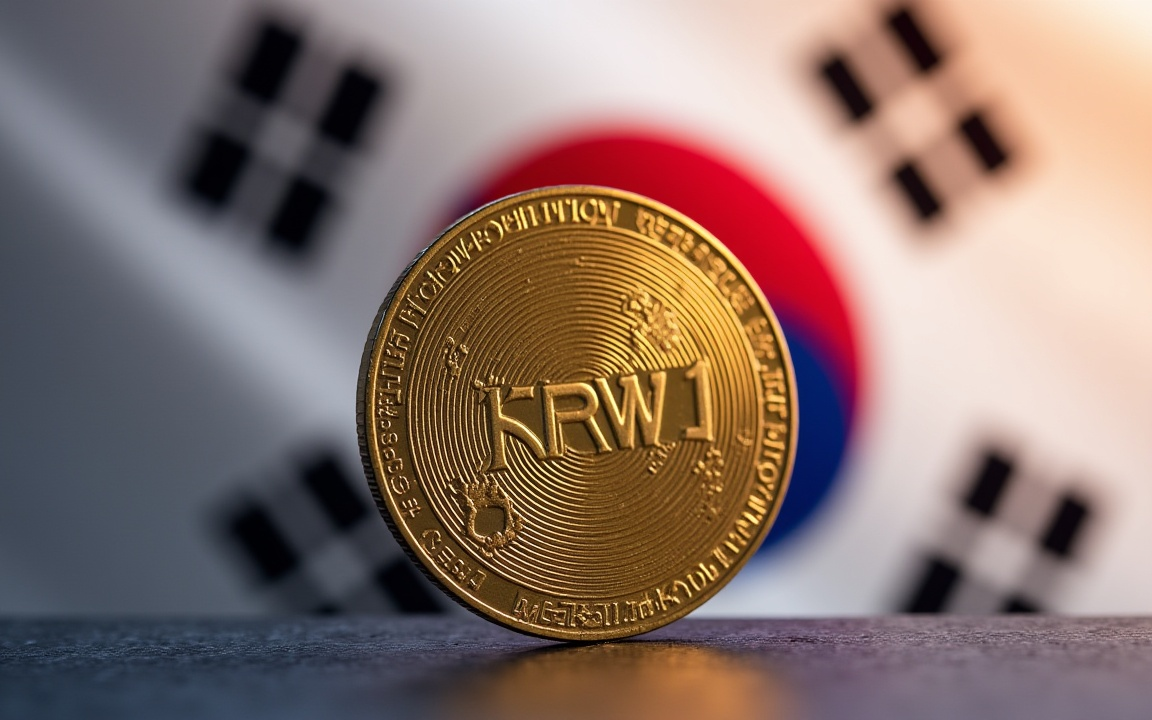

The emergence of the Korean won stablecoin has sparked considerable interest in South Korea’s financial landscape, especially in light of the recent delays in regulatory measures. As the nation’s Financial Services Commission (FSC) failed to submit the essential Korean won regulatory bill by the December 10 deadline, discussions around South Korea’s stablecoin regulations have intensified. This stablecoin proposal is crucial for establishing a robust framework that can effectively integrate digital currencies into the mainstream financial system. With regulatory oversight becoming increasingly critical, stakeholders are keenly awaiting further developments from the FSC. The future of cryptocurrencies in South Korea hinges on this pivotal legislation, and the implications of the delayed proposal are being closely monitored by both investors and policymakers alike.
In the evolving realm of cryptocurrency, the South Korean digital currency tied to the Korean won represents a significant innovation in stablecoin initiatives. While the Financial Services Commission navigates regulatory complexities, discussions surrounding the governance of this digital asset are becoming more pressing. The anticipated guidelines from regulators will greatly influence the adoption of stablecoins in South Korea, offering clarity and direction for market participants. Many experts believe that a comprehensive regulatory framework is essential to facilitate the stablecoin landscape in South Korea, enabling greater confidence among investors and paving the way for broader acceptance. As the country edges closer to defining its stance on digital currencies, the eventual outcome of the ongoing legislative efforts will play a critical role in shaping the future of finance in the region.
The Importance of Korean Won Stablecoin Regulation
As the digital finance landscape evolves, the discussion surrounding the regulation of a Korean won stablecoin becomes increasingly vital. This digital currency could offer stability within the volatile cryptocurrency market, especially as South Korea’s Financial Services Commission (FSC) seeks to establish frameworks that can appropriately govern this emerging sector. By creating a stablecoin pegged to the Korean won, the FSC aims not only to facilitate smoother transactions but also to ensure investor protection and reduce the risk of fraud associated with unregulated cryptocurrencies.
Moreover, implementing stablecoin regulations aligns with global trends where countries are moving towards solidifying their digital financial infrastructure. Given the rise of digital currencies and the increasing interest from local businesses and fintech firms, a well-defined regulatory bill could boost confidence among market participants. As South Korea’s economy becomes more digitally integrated, the establishment of a Korean won stablecoin will serve as a crucial step towards ensuring that the country remains competitive within the global financial ecosystem.
Delays in Submission of the Korean Won Regulatory Bill
The recent delays from South Korea’s Financial Services Commission regarding the Korean won regulatory bill have sparked concerns among stakeholders in the cryptocurrency space. Originally set for submission by December 10, the FSC indicated that it needed additional time to coordinate with various government agencies. The complexities inherent in crafting a comprehensive regulatory framework for a stablecoin require thorough discussions and a robust agreement across different sectors, highlighting the importance of collaboration between the FSC and other relevant ministries.
Such delays, although understandable, can lead to uncertainty among investors and businesses looking to delve into the stablecoin market. Stakeholders might worry that prolonged inaction could hinder the adoption of the Korean won stablecoin and slow down advancements in the digital finance sector. As South Korea grapples with establishing a regulatory framework, the implications of these delays may resonate within the fintech industry, potentially affecting investment decisions and the development of innovative financial solutions.
Implications of Stablecoin Regulation for South Korea
The regulation of stablecoins, including the Korean won stablecoin, carries significant implications for South Korea’s financial landscape. The proposed regulatory framework is expected to give clarity to both investors and businesses, promoting innovation while safeguarding against risks associated with cryptocurrency investments. In formulating these regulations, the Financial Services Commission is tasked with creating a balance between fostering growth in fintech and establishing security measures that protect consumers and the financial system alike.
A robust regulatory framework could open the floodgates for more businesses to engage with cryptocurrency solutions, further bridging the gap between traditional finance and digital assets. It could also allow local companies to operate within a more defined legal environment, thus promoting international partnerships that are essential for the growth of South Korea’s digital economy. As the financial ecosystem continues to evolve, the FSC’s efforts to regulate the stablecoin market play a pivotal role in ensuring South Korea remains at the forefront of fintech advancements.
The Role of the Financial Services Commission
The Financial Services Commission (FSC) is primed to play a crucial role in the establishment and regulation of the Korean won stablecoin. As the government agency responsible for overseeing South Korea’s financial policies, the FSC must navigate the complexities associated with integrating digital currencies into traditional financial systems. This involves not only developing regulatory proposals but also engaging with legislative bodies to ensure that the regulations effectively respond to both the opportunities and risks presented by cryptocurrency.
Given its responsibility, the FSC must ensure that the proposed stablecoin regulatory bill aligns with global best practices while catering to the unique aspects of the South Korean market. By doing so, the commission has the opportunity to establish itself as a leader in fintech regulation, promoting a stable financial environment in which innovation can thrive. The FSC’s ongoing discussions with other government agencies highlight the importance of interagency collaboration in crafting regulations that are sensitive to market dynamics yet firm on protecting consumers.
Stablecoin Proposal Processes in South Korea
The process surrounding stablecoin proposals in South Korea is a multifaceted approach that requires careful consideration of various national interests and economic factors. The recent suspension of the Korean won stablecoin regulatory bill submission reflects the complexities of establishing a legislative agenda that meets the various stakeholders’ needs, while ensuring a clear pathway for innovation in the financial technology landscape. The Financial Services Commission’s cautious approach suggests an intent to preemptively address potential pitfalls that other nations have encountered with their own stablecoin implementations.
Navigating the proposal process, South Korea has the chance to set standards that could influence future international regulations surrounding stablecoins. By being deliberate and thorough in this foundational stage, the FSC could not only instill a sense of reliability in the Korean won stablecoin but also boost investor confidence at home and abroad. This would be crucial for attracting investment and talent in an increasingly competitive global environment where digital currencies are becoming mainstream.
Investor Reactions to Delayed Regulations
Investor responses to the delayed regulations surrounding the Korean won stablecoin are varied but generally cautious. Many investors view the FSC’s call for additional negotiations as a necessary step toward ensuring that a comprehensive regulatory framework is established. While some may express frustration over the postponed deadline, others recognize the importance of careful deliberation in crafting regulations that will adequately address risks and foster innovation within the cryptocurrency market.
In the current climate, investor sentiment can greatly influence market dynamics, particularly in the volatile world of cryptocurrencies. Some investors may remain hesitant, awaiting clearer guidance from the FSC before committing significant resources to the stablecoin market. Nevertheless, there is an underlying acknowledgment that a well-formulated regulatory approach could bolster long-term confidence, paving the way for a flourishing stablecoin ecosystem tied to the Korean won.
Future Outlook for Stablecoins in South Korea
The future of stablecoins in South Korea appears promising, provided that the regulatory environment develops swiftly and effectively. As discussions around the Korean won stablecoin continue, it is essential for the Financial Services Commission to outline a clear strategy that not only addresses existing challenges but also anticipates future developments in the cryptocurrency landscape. Emerging technologies and financial innovations can be harnessed to create a robust framework that supports the adoption of stablecoins while ensuring financial stability.
In addition, as South Korea positions itself as a leader in digital finance, proactive regulation of stablecoins could serve as a catalyst for broader acceptance of digital currencies among the general population. By fostering a supportive regulatory climate, the FSC can encourage more widespread use of stablecoins in everyday transactions, contributing to the evolution of a cashless society. Thus, the unfolding narrative around the Korean won stablecoin will likely shape South Korea’s economic landscape in the years to come.
Lessons from Global Stablecoin Regulations
As South Korea develops its Korean won stablecoin regulatory bill, there are valuable lessons to be learned from global counterparts that have already ventured into this territory. Countries such as the United States and those in the European Union have faced challenges and successes that South Korea can analyze to inform its own regulatory framework. Understanding the nuances of these regulations can help the FSC avoid potential pitfalls and harness best practices that promote a balanced approach toward innovation and consumer protection.
Examples of successful stablecoin regulations from around the world showcase the diverse strategies adopted to integrate digital assets within existing legal frameworks. By closely examining these models, South Korea can effectively tailor its approach to accommodate its unique financial ecosystem, ensuring that the eventual rollout of the Korean won stablecoin aligns with both domestic needs and international standards.
Stakeholder Engagement in Stablecoin Development
The engagement of various stakeholders in the development of the Korean won stablecoin regulatory framework is critical to its success. The Financial Services Commission has the responsibility to include perspectives from banks, fintech companies, and consumer representatives in crafting regulations that are practical and beneficial for all parties involved. A collaborative approach will not only yield a more inclusive regulatory landscape but also enhance the credibility of the stablecoin as it is introduced into the market.
By fostering open dialogues with stakeholders, the FSC can instill a sense of shared ownership over the regulatory process, which may ultimately facilitate the acceptance of the Korean won stablecoin among the public. Stakeholder input can help the FSC identify practical challenges that may arise during the implementation of the regulatory framework, enabling proactive solutions that enhance the overall efficacy of the policy.
Frequently Asked Questions
What is the significance of the Korean won stablecoin for South Korea?
The Korean won stablecoin aims to provide a digital currency solution that stabilizes value and facilitates transactions within South Korea. It plays a crucial role in enhancing the digital economy and offering a regulated framework for cryptocurrency integration.
What are the current regulations regarding Korean won stablecoin in South Korea?
Currently, there are ongoing discussions regarding the regulations of the Korean won stablecoin. The Financial Services Commission (FSC) is working towards submitting a comprehensive regulatory bill, although they have missed initial deadlines.
Why did the Financial Services Commission delay the Korean won stablecoin regulatory bill?
The delay in the Korean won stablecoin regulatory bill by the Financial Services Commission is attributed to the need for further coordination among various governmental agencies to ensure a well-structured and comprehensive proposal.
How will the stablecoin proposal in South Korea affect the cryptocurrency market?
The stablecoin proposal in South Korea is expected to provide clarity and regulatory structure to the cryptocurrency market, potentially boosting investor confidence and encouraging more widespread adoption of digital assets.
What is the role of the Financial Services Commission in the Korean won stablecoin regulation?
The Financial Services Commission (FSC) plays a pivotal role in overseeing the development and regulatory framework surrounding the Korean won stablecoin. It is responsible for ensuring compliance with financial regulations and protecting consumers.
What could be the implications of the missed deadline for the Korean won regulatory bill?
The missed deadline for the Korean won regulatory bill may lead to uncertainty in the cryptocurrency market in South Korea, delaying the expected benefits of a structured regulatory environment for stablecoins.
When can we expect the Korean won stablecoin regulatory proposal to be announced?
Although no specific date has been provided, the Financial Services Commission intends to announce the Korean won stablecoin regulatory proposal once it is finalized and submitted to the National Assembly.
How does the Korean won stablecoin differ from other stablecoins globally?
The Korean won stablecoin is tailored specifically for the South Korean economy, reflecting local financial regulations and conditions, whereas other stablecoins may be governed by different legal frameworks and market dynamics.
What challenges does the Korean won stablecoin face in terms of regulation?
Challenges for the Korean won stablecoin include navigating complex regulatory landscapes, ensuring compliance with existing financial laws, and maintaining security and consumer trust amid evolving digital currency technologies.
What steps are involved in the approval of the Korean won stablecoin regulation?
The approval process for the Korean won stablecoin regulation involves drafting the regulatory bill by the Financial Services Commission, coordinating with relevant agencies, public consultations, and ultimately submission to and approval by the National Assembly.
| Key Points |
|---|
| South Korea’s ruling party urged the Financial Services Commission (FSC) to submit a regulatory bill for the Korean won stablecoin by December 10. |
| The FSC did not meet the deadline for submitting the regulatory bill. |
| An FSC spokesperson indicated that more time is needed for coordination with relevant agencies. |
| The FSC prefers to announce the proposal when it submits the bill to the National Assembly. |
Summary
The failure of South Korea’s Financial Services Commission to submit the Korean won stablecoin regulatory bill on time highlights the ongoing challenges in developing a robust regulatory framework for digital currencies. Stakeholders are urged to closely watch future developments as the FSC aims for a more coordinated approach in regulatory proposals.
Related: More from Regulation & Policy | UK Gambling Regulator Examines Cryptocurrencies for Licensed Bettors in Crypto Regulation | Blocks Retreat Signals Broader Payments Shifts