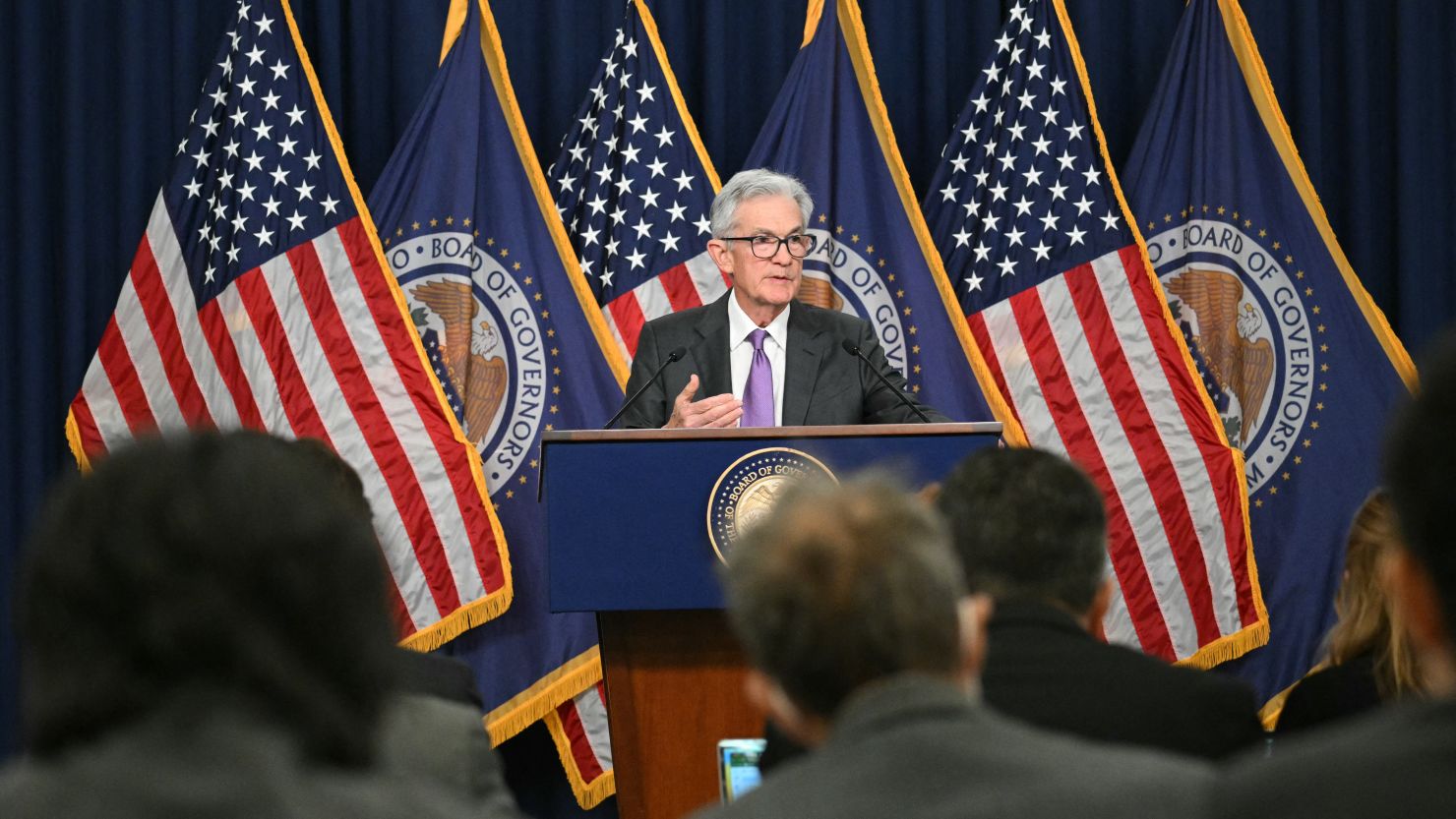

The Federal Reserve FOMC meeting is a pivotal event in the financial calendar, attracting significant attention from economists and investors alike. Scheduled for 9 AM on Tuesday, this key gathering of the Federal Open Market Committee aims to discuss crucial matters such as the current economic landscape and potential shifts in monetary policy. As participants await the FOMC announcement news, speculation abounds regarding the interest rate decision that could impact markets globally. Observers closely monitor the FOMC schedule, knowing that outcomes from this meeting often influence the Federal Reserve meeting time discussions for months to come. With each convening, the FOMC provides vital insights that help shape expectations for growth and inflation in the economy.
The Federal Reserve’s crucial gathering, commonly referred to as the FOMC session, is a highly anticipated occurrence for financial stakeholders. Set to unfold at 9 AM on an upcoming Tuesday, this assembly of policymakers will evaluate economic conditions and consider strategic adjustments to interest rates. Market analysts keenly scrutinize the latest FOMC release, as the repercussions of their decisions resonate broadly across various sectors. As the Federal Reserve convenes, the spotlight shines on its deliberations that lay the groundwork for future economic strategies and responses. Engaging in comprehensive discussions, these officials aim to enhance the financial landscape by carefully weighing their options on monetary policy.
Understanding the FOMC Meeting Schedule
The Federal Reserve plays a critical role in shaping U.S. monetary policy, and the Federal Open Market Committee (FOMC) meetings are pivotal events where significant decisions are made. These meetings are often scheduled with precision and announced well in advance, allowing economic stakeholders to prepare accordingly. The most recent FOMC schedule indicates that the next meeting will be held on Tuesday at 9 AM, an essential time for economists, traders, and policymakers alike.
During these FOMC meetings, participants discuss the current economic conditions, including inflation rates and employment statistics, to determine the future direction of U.S. interest rates. Investors and analysts closely monitor the Federal Reserve meeting time since the outcomes can impact trends in the stock market, bond yields, and consumer spending. As such, understanding the FOMC’s schedule is crucial for anyone involved in the financial markets.
Key Outcomes from the Latest FOMC Meeting
The FOMC meeting’s outcomes have a direct effect on the country’s economic framework. After each Federal Reserve meeting, the FOMC announcement news typically addresses the committee’s interest rate decision, whether to increase, decrease, or maintain the current rates. Investors and financial institutions eagerly await this news, as it can shape their strategies and expectations in the market.
Moreover, the implications of the FOMC’s interest rate decisions extend beyond just the immediate financial markets. For example, changes in interest rates can influence borrowing costs for consumers and corporations, affecting everything from mortgages to business investments. Thus, the aftermath of each FOMC meeting not only influences short-term economic performance but also sets the tone for long-term economic growth.
Given the critical nature of these decisions, every Federal Reserve meeting attracts significant media attention and public interest. The FOMC’s careful deliberations on interest rate adjustments reflect its dual mandate to promote maximum employment while ensuring price stability. Hence, staying informed about the latest FOMC announcement news is paramount for anyone engaged in economic planning or investment.
The Impact of FOMC Decisions on the Economy
Decisions made during the FOMC meetings can trigger a chain reaction within the economy. For instance, when the Federal Reserve adjusts interest rates, it influences the broader economic environment by impacting the cost of borrowing. Higher interest rates can help curb inflation but may also slow down economic activity if consumer spending decreases in result. Conversely, lowering interest rates can stimulate growth by encouraging spending but risks increasing inflation rates over the long term.
These complexities highlight the delicate balance the FOMC must maintain. After every Federal Open Market Committee meeting, analysts dissect the statements and press conferences for clues about future monetary policy directions. This scrutiny arises from the profound effects of their interest rate decisions on mortgage rates, credit availability, and overall economic growth metrics.
Predicting Future Interest Rate Movements
While the next FOMC meeting is just around the corner, analysts are constantly attempting to gauge future interest rate movements based on various economic indicators. These predictions are often informed by recent economic data releases, public statements from Federal Reserve officials, and the outcomes of previous Federal Reserve meetings. Tools such as dot plots, released by the FOMC, provide insights into committee members’ projections for future interest rates and help market participants plan their next moves.
Moreover, factors including inflation trends, employment growth, and international economic conditions influence the FOMC’s decisions significantly. By understanding these variables, investors can make more informed decisions regarding the timeliness of their investments and improve their chances of capitalizing on market movements following the FOMC meetings.
The Significance of Fed Communication
Effective communication by the Federal Reserve, particularly after an FOMC meeting, serves as a fundamental tool for managing market expectations. Following the meetings, the FOMC releases minutes and statements that outline their current economic assessments and future outlook. This transparency helps to minimize uncertainty in the markets regarding the Federal Reserve’s stance on interest rates, fostering a more stable economic environment.
In addition, having regular updates through press conferences and media releases about monetary policy decisions enhances public understanding of the Fed’s objectives and reasoning. Market participants interpret these communications to gauge the likelihood of changes in interest rate policies, which directly influences their financial decisions and market behavior.
Investor Reactions to FOMC Announcements
Following an FOMC meeting, investor reactions can be immediate and quite volatile. Traders in stock and bond markets often adjust their positions based on the anticipation of interest rate changes. For example, if the Federal Reserve’s announcement suggests that rates will increase, bond prices typically fall as new bonds would offer higher yields, leading to an immediate reaction in the financial markets.
Additionally, sectors sensitive to interest rates, such as real estate and banking, can experience significant shifts based on FOMC meeting outcomes. Investors rely on timely analysis and updates after each meeting to make informed decisions, demonstrating the crucial intersection of Fed policy announcements and market dynamics.
How to Stay Updated on FOMC Meetings
To effectively navigate the economic landscape shaped by the Federal Open Market Committee, staying updated on FOMC meetings is indispensable. Several financial news outlets, economic calendars, and the official Federal Reserve website provide real-time updates and comprehensive summaries of FOMC discussions and decisions. Taking advantage of these resources can significantly empower investors, analysts, and economists.
In addition to traditional media, following economic blogs and podcasts that specialize in monetary policy can provide unique insights and analyses surrounding FOMC announcements. Engaging with experts who specialize in Federal Reserve policy can also shed light on complex economic implications and improve understanding of how interest rate decisions may impact various sectors.
Analyzing Historical FOMC Decisions
Looking at historical FOMC decisions can help contextualize current monetary policy trends. By reviewing past interest rate changes and economic outcomes, analysts and investors can better appreciate the Federal Reserve’s responsiveness to economic conditions. Such analysis can reveal patterns that may help predict future decisions, providing an advantage in forecasting capital market behavior.
Moreover, understanding how previous FOMC meetings influenced macroeconomic indicators like inflation and unemployment can aid in creating a more comprehensive view of the Fed’s dual mandate. Historical context also illustrates the complexity of these economic decisions, reinforcing the importance of thoughtful analysis following each Federal Reserve meeting.
The Role of the FOMC in Economic Stability
The Federal Open Market Committee holds a significant responsibility in aiming for economic stability through its decisions on interest rates and monetary policies. Their role becomes particularly crucial during periods of economic turbulence, where adjustments can either alleviate or exacerbate financial conditions. The FOMC strives to gauge the overall economic climate to make informed decisions that foster sustained growth and long-term stability.
In essence, the FOMC’s influence on economic stability cannot be understated. Their interest rate decisions not only reflect current economic conditions but also project future expectations, enabling consumers and investors to make strategic, informed decisions regarding spending and investment. Thoroughly analyzing the outcomes of these meetings ensures that stakeholders can navigate the complexities of the financial landscape effectively.
Frequently Asked Questions
What is the schedule for the upcoming Federal Reserve FOMC meeting?
The next Federal Reserve FOMC meeting is scheduled for 9 AM on Tuesday, where key monetary policy decisions will be discussed.
What can I expect from the FOMC announcement news after the Federal Reserve meeting?
Following the Federal Reserve meeting, the FOMC announcement news will provide insights into interest rate decisions and future economic projections.
How often does the Federal Open Market Committee hold its meetings?
The Federal Open Market Committee typically holds FOMC meetings eight times a year to assess economic conditions and set monetary policy.
What time does the Federal Reserve meeting start?
The Federal Reserve meeting begins at 9 AM, where the committee reviews current economic data and discusses interest rate decisions.
Where can I find the latest news on FOMC announcements?
You can find the latest FOMC announcement news on the Federal Reserve’s official website, which updates as soon as the committee releases its statements.
How does the FOMC meeting schedule impact interest rate decisions?
The FOMC meeting schedule plays a crucial role in shaping interest rate decisions, as these meetings are where committee members evaluate economic indicators.
What is the significance of the Federal Reserve FOMC meeting?
The Federal Reserve FOMC meeting is significant as it helps set the direction of monetary policy, influencing interest rates and overall economic health.
| Key Points |
|---|
| The FOMC meeting is set for Tuesday at 9 AM. |
| The meeting will occur as scheduled, indicating stability in the Federal Reserve’s planning. |
Summary
The upcoming Federal Reserve FOMC meeting signifies the central bank’s commitment to scheduled monetary policy discussions. Taking place at 9 AM on Tuesday, this meeting will provide crucial insights into economic conditions and potential policy adjustments. Stakeholders and analysts are eager to see how the committee will address current economic challenges, making this meeting an essential event in the financial calendar.
Related: More from Market Analysis | Earnings season is wrapping up with a mixed bag of results across | Polymarket Bet Fails to Catch Insider Traders