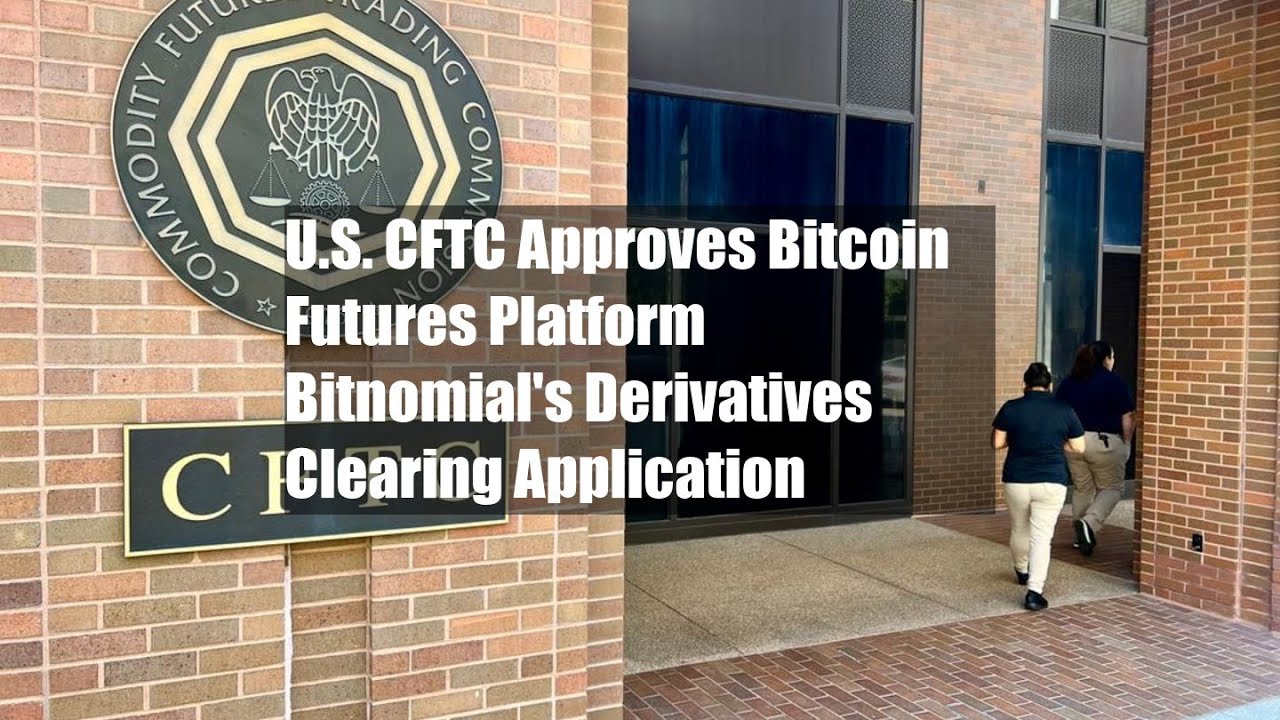

The recent approval by the CFTC of Bitcoin, Ethereum, and USDC for U.S. leverage marks a significant step in the ongoing evolution of cryptocurrency regulation in the United States. This pivotal decision not only provides a framework for leveraging these digital assets but also raises questions about the future of altcoins like XRP and Solana, which were notably excluded from this initiative. As the landscape of crypto regulation unfolds, the CFTC’s digital assets pilot may set the tone for how stablecoins and other digital currencies navigate the market. Investors and institutions alike are keenly observing these developments, as they could dictate the trajectory of crypto integration into traditional financial systems. Ultimately, the CFTC Bitcoin Approval is a landmark moment that could redefine the relationship between digital assets and regulatory oversight.
The recent endorsement of key cryptocurrencies like Bitcoin, Ethereum, and USDC by the Commodity Futures Trading Commission (CFTC) for leverage trading signifies a transformative shift in how digital currencies are perceived within U.S. financial markets. This initiative encapsulates aspects of crypto regulation in the U.S. that could reshape the landscape, particularly emphasizing the establishment of a robust framework for tipping points like the stablecoins market. With the exclusion of certain notable cryptocurrencies, including XRP and Solana, the implications of this pilot program are profound as investors and stakeholders navigate the emerging dynamics of digital assets. The CFTC’s actions paint a clear picture of an evolving regulatory tapestry intended to safeguard participants while facilitating innovation. As we venture further into this new era of crypto and finance, the dialogue surrounding these approvals will undoubtedly influence market behavior and regulatory practices going forward.
CFTC Bitcoin Approval: A Pivotal Step for Digital Assets
The recent approval by the CFTC to include Bitcoin, Ethereum, and USDC as eligible collateral marks a significant milestone for digital assets in the U.S. financial landscape. This regulatory endorsement introduces a structured environment where these cryptocurrencies can be leveraged in futures and swaps trading, thereby enhancing their legitimacy and usability within traditional financial systems. Notably, this decision underscores the growing recognition of digital assets as viable players in the global financial ecosystem, paving the way for more innovation in crypto-related products.
Incorporating these cryptocurrencies into the futures market is not just about expanding trading options; it also demonstrates a commitment to fostering a safer and more resilient financial framework. By allowing assets like Bitcoin and ETH to be used as margin in regulated environments, the CFTC is addressing concerns about user protection and market stability, vital for encouraging broader institutional participation. Furthermore, this move could spark a surge of investment in the sector, raising confidence in Bitcoin and other cryptocurrencies as alternative financial instruments.
Impact of Stablecoins on Crypto Regulation in the US
The surge of stablecoins like USDC has introduced new dynamics into the crypto regulation landscape in the U.S. Their rise challenges traditional notions of currency and value storage while promising stability amidst the inherent volatility of cryptocurrencies like Bitcoin and Ethereum. As indicated by the CFTC’s pilot approval, stablecoins are not just being recognized as digital currencies but as significant collateral agents within the financial system, showcasing their potential to enhance operational efficiencies in market transactions.
Moreover, the expanding stablecoin market has crucial implications for regulatory frameworks, as the CFTC and other authorities strive to ensure that these digital assets integrate smoothly into existing financial regulations. The juxtaposition of stablecoins against traditional fiat currencies highlights the necessity for ongoing legislative measures that account for the unique characteristics of digital assets. As the market evolves, regulators must consider how best to balance innovation with consumer protection, ultimately leading to more comprehensive crypto regulation in the U.S.
Tokenized Markets and the Future of Bitcoin and Ethereum
As we move towards a digitally dominated financial landscape, tokenized markets for cryptocurrencies like Bitcoin and Ethereum are set to become central to mainstream trading practices. The CFTC’s approval signifies an important shift where tokenized assets are not only recognized but embraced within established trading frameworks. This development could lead to increased liquidity in these markets, offering a more accessible and secure environment for both retail and institutional traders.
The future of tokenized markets will likely hinge on the robustness of the regulatory frameworks that govern them. As the CFTC initiates this pilot program, it establishes a foundation from which regulations can evolve, addressing the challenges posed by liquidity, volatility, and market behavior during times of stress. The successful integration of Bitcoin and Ethereum into this structured environment may inspire further innovations in tokenization, including a potential increase in the number of assets that could eventually participate in these markets.
XRP and Solana: Navigating the Exclusion from CFTC Approval
The exclusion of XRP and Solana from the CFTC’s approval list raises critical questions about their future in U.S. markets. As the crypto regulatory landscape continues to mature, the omission reflects underlying concerns regarding liquidity depth and market volatility associated with these assets. Stakeholders in the crypto community are keenly observing how these exclusions will affect the perception of XRP and Solana among investors and regulators alike, especially considering their significant presence in the market.
Furthermore, the uncertainty surrounding XRP’s regulatory status, particularly its court battles with the SEC, could impede its ability to regain a foothold in regulated trading environments. For Solana, the focus may also shift towards enhancing its market stability and establishing its value proposition to satisfy regulatory concerns. Moving forward, these factors will play a crucial role in determining how XRP and Solana navigate their futures in the rapidly evolving landscape of crypto regulation.
The Role of Regulatory Clarity in Advancing Cryptocurrencies
Regulatory clarity is vital for the growth and acceptance of cryptocurrencies within financial markets. The CFTC’s recent actions to approve Bitcoin, Ethereum, and USDC under a structured trading pilot serve to illuminate the path towards comprehensive crypto regulation. By taking decisive steps to integrate these digital assets into the regulatory framework, the CFTC is enhancing the legitimacy of cryptocurrencies and fostering greater investor trust.
As more regulatory clarity emerges, it encourages institutional investors to consider cryptocurrencies as viable financial instruments, thus driving adoption and market growth. This phenomenon can also lead to improved market infrastructure, attracting a broader base of market participants while ensuring that consumer protections are upheld. The CFTC’s initiatives signify a commitment to creating an environment conducive to innovation while also maintaining stringent oversight, which is vital for sustainable growth in the cryptocurrency ecosystem.
The Future of Digital Assets: Innovations Driven by Regulation
The landscape for digital assets is continually evolving and is increasingly shaped by regulatory frameworks. The CFTC’s pilot approval for Bitcoin, Ethereum, and USDC is a testament to the importance of structured regulations in encouraging technological advancement within the crypto space. This regulatory environment not only legitimizes digital assets but also stimulates innovation across the sector as companies and developers seek to align their products with regulatory requirements.
As regulatory clarity improves, we can expect to see more innovative uses for cryptocurrencies and blockchain technology. This could include enhanced forms of digital wallets, more effective trading platforms, and new financial instruments designed for digital assets. The integration of stablecoins into mainstream financial practices will likely further drive innovation, creating opportunities for greater collaboration between traditional financial institutions and the burgeoning crypto sector.
CFTC Digital Assets Pilot: Implications for Institutional Traders
The CFTC’s digital assets pilot program provides a new landscape for institutional traders to engage with cryptocurrencies in a regulated environment. By permitting Bitcoin, Ethereum, and USDC as collateral, the pilot establishes guidelines that hedge against the risks associated with cryptocurrency volatility while leveraging their potential for returns. This framework allows institutions to explore diversified investment strategies while maintaining compliance with U.S. regulations.
This pilot represents a critical advancement for institutional engagement in crypto markets, indicating that U.S. regulatory bodies are beginning to recognize the need for a structured approach to handling digital assets. As institutional traders grapple with the realities of crypto investments, having access to a safe regulatory framework for leveraging digital assets can not only mitigate risks but also create avenues for growth in the sector.
Leveraging Bitcoin and Ethereum: A Study in Risk Management
The use of Bitcoin and Ethereum as leverage in regulated trading presents an interesting case study in risk management. The CFTC’s approval to utilize these cryptocurrencies as collateral indicates a regulatory acknowledgment of their potential for serving as secure assets in a derivatives market. This regulatory insight helps shape the strategies that institutional traders might adopt when engaging with highly volatile digital currencies.
Effective risk management practices will be essential as market participants navigate the complexities introduced by leveraging cryptocurrencies. Institutions will need to employ methodologies that account for the unique volatility associated with Bitcoin and Ethereum, ensuring that their trading strategies remain robust against unforeseen market fluctuations. This approach will not only enhance overall market stability but also solidify the role of digital assets within traditional financial systems.
The Importance of Consumer Protection in Crypto Regulation
Consumer protection remains a top priority within the framework of crypto regulation, particularly following the CFTC’s recent approval of specific cryptocurrencies for futures margining. This initiative not only aims to safeguard investors but also ensures that participants in the cryptocurrency market are shielded from potential pitfalls associated with unregulated trading environments. As consumers increasingly engage with digital assets, the need for protective measures becomes paramount.
By establishing clear regulations, the CFTC and other regulatory bodies can foster a secure trading ecosystem that encourages responsible market behavior. As consumer confidence grows, so too does the likelihood of increased participation in cryptocurrency markets, which ultimately benefits the industry as a whole. Ensuring robust consumer protections will be essential for the sustained success and wider acceptance of digital assets, cementing their place within the financial landscape.
Frequently Asked Questions
What is the CFTC Bitcoin Approval and what assets are included?
The CFTC Bitcoin Approval refers to the recent decision by the Commodity Futures Trading Commission (CFTC) to authorize the use of Bitcoin, Ethereum, and USDC as eligible margin within a digital assets pilot program for U.S. leverage trading. This initiative aims to integrate these cryptocurrencies into the U.S. financial framework while leaving assets like XRP and Solana excluded from this initial approval.
How will the CFTC’s digital assets pilot impact crypto regulation in the US?
The CFTC’s digital assets pilot is a significant step in crypto regulation in the US, as it sets a precedent for integrating digital currencies like Bitcoin and USDC into regulated financial markets. By allowing these assets as collateral under strict oversight, the pilot encourages a safer trading environment and enhances the security of leverage trading while providing guidelines for future regulatory assessments.
Why were XRP and Solana excluded from the CFTC’s Bitcoin approval?
XRP and Solana were excluded from the CFTC’s Bitcoin approval primarily due to concerns regarding their liquidity, volatility, and ease of valuation. The CFTC’s selective inclusion emphasizes the need for reliable assets that can be valued accurately and liquidated without disturbing market stability, thus prioritizing Bitcoin and Ethereum for their established positions in the market.
What are the potential benefits of the CFTC digital assets pilot for institutional traders?
The CFTC digital assets pilot offers several benefits for institutional traders, including the ability to use Bitcoin, ETH, and USDC as collateral within a regulated framework. This setup minimizes risks associated with offshore exchanges, combines crypto with traditional collateral formats, and ensures ongoing oversight, which enhances market integrity and reduces the potential for significant losses.
How does CFTC Bitcoin approval influence the future of stablecoins market?
The CFTC Bitcoin approval positively influences the future of the stablecoins market by validating USDC as a reliable token for collateralized trading under U.S. regulation. As the pilot progresses and potentially expands to include more stablecoins, it will shape the framework for how these digital assets can operate within traditional financial systems, driving their acceptance and usage.
What implications does the CFTC’s pilot have for the regulation of digital assets in the US?
The implications of the CFTC’s pilot for digital asset regulation in the US are substantial. It signifies a move towards a clearer regulatory framework for cryptocurrencies, encouraging safer trading practices, and could pave the way for future regulations that address other digital assets like XRP and Solana once they meet the required standards for liquidity and valuation.
Can other cryptocurrencies become collateral under the CFTC’s digital assets pilot in the future?
Yes, other cryptocurrencies may become collateral under the CFTC’s digital assets pilot in the future if they meet the liquidity thresholds and regulatory requirements set forth by the CFTC. The pilot has established a foundation for evaluating tokenized assets, suggesting that as the market evolves, more digital currencies could be considered for inclusion.
What is the role of the CFTC in the crypto regulation US landscape following the Bitcoin approval?
Following the CFTC Bitcoin approval, the CFTC plays a crucial role in shaping the crypto regulation landscape in the US. It acts as a regulatory body overseeing the integration of digital assets into traditional finance, ensuring the establishment of safe trading practices, risk management standards, and maintaining market integrity as the industry continues to evolve.
| Key Points | Details |
|---|---|
| CFTC Approval | CFTC has approved Bitcoin, Ethereum (ETH), and USDC for U.S. leverage use. |
| Inclusion Limitations | XRP and Solana (SOL) are not included in this approval, leading to uncertainty for these assets. |
| Stablecoins’ Rise | Stablecoins have been performing better than Bitcoin in key market metrics, highlighting a $23 trillion gap. |
| Regulatory Strategy | The pilot program aims to risk-manage digital assets under U.S. oversight to protect customers. |
| Market Dynamics | CFTC’s model supports regulated transactions, transferring risk from offshore to managed environments. |
| Future Implications | Potential expansion of the program to include more assets like XRP and RLUSD, contingent on meeting requirements. |
Summary
The CFTC Bitcoin Approval signifies a pivotal moment for the integration of digital assets into regulated U.S. financial systems. By officially endorsing Bitcoin, ETH, and USDC for leverage, the CFTC is establishing a framework that could pave the way for broader acceptance of cryptocurrency in mainstream markets while emphasizing the importance of oversight and risk management. The exclusion of XRP and SOL suggests a cautious approach as the regulatory environment adapts to the evolving cryptocurrency landscape, indicating that future expansions could hinge on proving liquidity and stability in these assets. Ultimately, this approval is more than just a policy change; it represents a foundational step toward a more structured and secure digital asset market in the U.S.
Related: More from Bitcoin News | Bitcoin Falls Below $63K Amid US | Bitcoin Drops Below $65K, Other Coins Fall 6%