

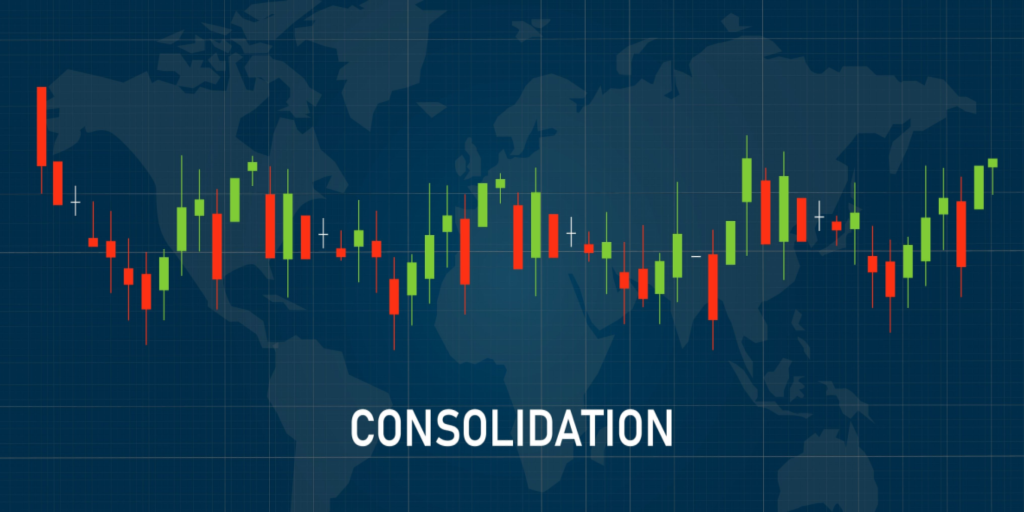

The crypto market consolidation is a critical and fascinating phase currently unfolding in the digital asset space. As macro risk tolerance stabilizes, we’re witnessing a clear narrowing of crypto activity focused predominantly on Bitcoin (BTC) and Ethereum (ETH). Recent BTC ETH price analysis indicates that despite persistent crypto volatility, both retail and institutional investors are leaning towards these leading cryptocurrencies. This consolidation period has allowed the total market capitalization to rebound to approximately $3.25 trillion, demonstrating resilience amidst fluctuating macroeconomic conditions. With the market’s momentum shifting and fund flows becoming more selective, the stage is set for a more determined path forward as investors await further macroeconomic clarity.
The recent stabilization seen in the digital currency ecosystem points to a significant phase of market consolidation as investors recalibrate their strategies. Essentially, this situation reflects a trend where liquidity and fund movements are becoming more concentrated among major cryptocurrencies such as Bitcoin and Ethereum. With lowered volatility and more discerning capital flows, the landscape is evolving from chaotic trading to measured market engagement. This period of digestion is crucial as it prepares investors for potential upward movements, especially as macroeconomic factors weigh heavily on overall strategy. As the market capitalization reflects improved sentiment and investor confidence, the crypto landscape is poised for exciting developments.
Understanding Crypto Market Consolidation
Crypto market consolidation refers to a phase where the prices of major cryptocurrencies stabilize within a tight range following a period of high volatility. This process is crucial for the market as it reflects a period of digestion where investors reassess their positions and the macroeconomic landscape. During consolidation, both BTC and ETH seem to display resilience, showcasing a more normalized macro risk tolerance. This can spark interest among investors, particularly those looking for signs of strength in a fluctuating market.
As evidenced by the recent price movements, crypto market consolidation can lead to significant insights regarding future trends. With BTC recently bouncing back to approximately $92,000 and market capitalization rallying to $3.25 trillion, investors are eyeing a potential upward trajectory. However, the current environment requires a cautious approach as external factors, including the Federal Reserve’s monetary policy and global economic indicators, can heavily influence market dynamics.
Impact of Macro Risk Tolerance on Crypto Volatility
The normalization of macro risk tolerance has a profound impact on crypto volatility. When investors feel more secure about broader economic conditions, they are more likely to engage with higher-risk assets such as BTC and ETH. This shift in sentiment is particularly crucial following a period marked by macroeconomic uncertainty, which typically drives market volatility. With current fund flows showing a positive bias towards major cryptocurrencies, it indicates that both retail and institutional investors are cautiously optimistic, seeking stable investments amidst the chaotic landscape.
Additionally, the ongoing consolidation phase reflects a more strategic approach among investors, as many are now focused on quality assets while reallocating funds away from underperforming coins. The narrowing activity to BTC and ETH symbolizes a collective confidence that these leading cryptocurrencies can withstand adverse market conditions. Therefore, even though volatility remains a hallmark of the crypto market, the stabilization of macro risk tolerance suggests a capacity for resilience.
Analyzing BTC and ETH Price Trends
The price analysis of BTC and ETH reveals intriguing patterns in the current market landscape. Over the past weeks, BTC has rebounded significantly, reaching around $92,000, while ETH has shown comparable strength amidst a consolidating phase. This rebound comes after a period of sharp downturns where risk aversion prevailed, leading many investors to reassess their portfolios. With the overall market capitalization surging to approximately $3.25 trillion, these leading cryptocurrencies are attracting renewed interest, which could lead to further price stabilization and growth.
Moreover, it’s essential to consider the implications of market movements, especially after BTC experienced a rapid decline of about $4,000 due to a liquidation event. This volatility is indicative of the high speculative nature of the crypto market, yet it also underscores the importance of monitoring macroeconomic factors that could influence price trajectories. As investors remain vigilant, the developments around BTC and ETH could dictate the overall sentiment in the cryptocurrency market.
The Role of Fund Flows in Crypto Market Dynamics
Fund flows play a crucial role in understanding the dynamics of the crypto market. The recent influx of capital towards BTC and ETH suggests that both retail and institutional investors are strategically positioning themselves in anticipation of favorable market conditions. With relatively low leverage observed, the positive bias in fund flows could indicate a more cautious, yet optimistic approach to investing in cryptocurrencies amidst prevailing macro uncertainties.
Moreover, the rotation of funds into mainstream coins amidst the weakening Nasdaq reflects a shift in investment strategy, highlighting a flight towards quality assets. This behavior illustrates that investors are looking for stability in an otherwise volatile landscape and are increasingly diversifying their portfolios to include robust cryptocurrencies like BTC and ETH. As we continue to monitor fund flows, it will be telling to assess how these investments respond to external economic factors over the coming weeks.
Macro Economic Factors Affecting Crypto Investment
Macro economic factors play a significant role in shaping investment trends within the crypto market. Upcoming events, such as the Federal Reserve’s decision and the Bank of Japan’s meeting, are pivotal moments that could influence investor sentiment and market behavior. The anticipation surrounding these decisions often leads to increased volatility as traders adjust their positions in response to possible changes in monetary policy. The juxtaposition of crypto investments against traditional markets such as the Nasdaq underscores the interconnectedness of these financial ecosystems.
The current market environment is particularly sensitive to macroeconomic shifts, which means that crypto traders must remain vigilant. These factors can lead to drastic fluctuations in pricing and investment flows. For instance, if the Federal Reserve signals a more favorable economic outlook, we may observe a surge in capital being directed towards cryptocurrencies, particularly BTC and ETH, as investors seek to capitalize on potential gains. Therefore, understanding these macro factors is essential for navigating the intricacies of crypto investments.
The Future of Crypto Market Resilience
The future of the crypto market largely hinges on its resilience and ability to adapt to changing economic landscapes. The consolidation phase that the market is currently experiencing suggests that cryptocurrencies are at a crossroads, adapting to shifts in macroeconomic conditions while maintaining investor interest. Having withstood periods of intense volatility, the crypto market demonstrated its capacity to rebound strongly, as seen in the refreshing interest in major coins like BTC and ETH.
This resilience is crucial as we head into a period where macroeconomic clarity is sought after by investors. The stabilization of prices is often a precursor to new growth phases; hence, maintaining a focus on quality assets and diversified portfolios will be key. Stakeholders who understand the interplay between macro trends and crypto dynamics will be well-equipped to navigate future fluctuations and potentially capitalize on the next wave of investment opportunities.
Strategies for Navigating Crypto Volatility
Navigating the inherent volatility of the crypto market requires strategic planning and risk management. Investors often develop tailored strategies to mitigate losses during downturns while capitalizing on potential gains during uptrends. One common approach is to focus on dollar-cost averaging, which involves making regular investments regardless of price fluctuations. This strategy not only smooths out the purchase price over time but also reduces the psychological impact of market volatility.
Another effective strategy involves closely monitoring market correlations and utilizing tools for technical analysis. Investors should stay informed about important indicators such as BTC and ETH price trends, macroeconomic developments, and fund flows. This comprehensive analysis aids in making informed decisions that can better withstand unpredictable market behaviors, thus improving overall trading outcomes amidst ongoing volatility.
Investing in Quality Crypto Assets
Focusing on quality crypto assets is paramount in today’s investment climate, especially as market conditions fluctuate due to macroeconomic factors. Major players like BTC and ETH are often viewed as safer bets within the crypto ecosystem, as they possess established market capitalization and significant investor confidence. These assets are typically less prone to extreme volatility compared to lesser-known cryptocurrencies, making them a preferred choice for long-term investors.
Investing in quality does not only pertain to established cryptocurrencies but also involves thorough research into emerging projects with strong fundamentals. Understanding the value proposition and market potential of these projects can lead to lucrative opportunities. Investors must remain vigilant and continuously assess their portfolios to ensure they are not overly exposed to riskier assets during turbulent times.
Monitoring Market Capitalization Trends
Keeping a close watch on market capitalization trends is essential for any investor looking to make informed decisions in the crypto space. The total market capitalization of cryptocurrencies serves as a barometer for the overall health of the market. Recent trends indicate a rebound in market capitalization, with figures climbing back to around $3.25 trillion. This resurgence not only reflects growing investor interest but could also signal the potential for further market stabilization.
Market capitalization trends provide insights into the dominance of certain cryptocurrencies and the shifting dynamics of the market. By analyzing fluctuations in capital allocation, investors can gauge the sentiment around specific coins, helping to anticipate potential movements. Utilizing this information effectively can greatly assist investors in crafting strategies tailored to capitalizing on market trends.
Frequently Asked Questions
What does the recent crypto market consolidation indicate for BTC and ETH prices?
The recent crypto market consolidation suggests a phase where BTC and ETH prices stabilize, showing resilience despite volatility. After a rebound to around $92,000 for BTC and a total market capitalization of approximately $3.25 trillion, this consolidation could lead to further price strength as fund flows into these major cryptocurrencies demonstrate positive investor sentiment.
How are crypto fund flows affecting the consolidation of the crypto market?
Crypto fund flows play a crucial role in market consolidation by driving investments into BTC and ETH. Positive inflows from both retail and institutional investors signal a bullish bias, helping to solidify the market at this range-bound pace. This shift reflects an overall increase in macro risk tolerance, further stabilizing the crypto market during this phase.
What role does macro risk tolerance play in crypto market consolidation?
Macro risk tolerance is pivotal for crypto market consolidation as it determines how investors respond to market fluctuations. As risk appetite normalizes, we see decreased volatility and improved sentiment towards quality assets like BTC and ETH, which allows the market to navigate through consolidation without sharp price shifts.
Why is the total market capitalization important during crypto market consolidation?
The total market capitalization is a significant indicator during crypto market consolidation. A rebound in market cap, now approximately $3.25 trillion, reflects increased investor confidence and stability within the market. It underscores that major cryptocurrencies are successfully retaining value despite market uncertainties.
What does crypto volatility mean for investors amid market consolidation?
Amid crypto market consolidation, volatility tends to decrease as prices stabilize within a certain range. For investors, this can represent a period of digestion, allowing for strategic investments in BTC or ETH without the fear of sudden price drops, as seen recently with an intraday dip of about $4,000 that was quickly absorbed.
How does the current consolidation phase affect trading strategies in the crypto market?
In the current consolidation phase, traders may adopt a more cautious approach, focusing on quality assets like BTC and ETH while awaiting macroeconomic clarity. With limited price movements and lower leverage, strategies may shift towards accumulation rather than speculative trading, offering a more measured way to engage with the market.
What signals are investors looking for during the crypto consolidation phase?
During the crypto consolidation phase, investors are looking for signals such as macroeconomic developments and decisions from the Federal Reserve or other financial institutions. These insights will help dictate the next moves in BTC and ETH prices, especially given the current basis compression which indicates limited leverage exposure.
Can we expect a continuation of the consolidation phase in the crypto market?
It is plausible to expect a continuation of the consolidation phase in the crypto market, especially as BTC and ETH show resilience against volatility. Investor sentiment and macroeconomic conditions will heavily influence this phase, providing crucial indicators on whether the market remains within this range or moves towards a new trend.
| Key Points |
|---|
| Wintermute’s insights indicate a normalization of macro risk tolerance, leading to market consolidation. |
| Despite ongoing volatility, crypto activity is focused on BTC and ETH. |
| Both retail and institutional investors are showing a positive bias with low leverage. |
| The market is entering a consolidation phase, remaining range-bound recently. |
| BTC prices have rebounded to around $92,000; market cap is roughly $3.25 trillion. |
| Recent volatility included an intraday drop of $4,000 due to liquidation events. |
| Capital is flowing towards quality assets as Nasdaq momentum weakens. |
| Market participants are anticipative ahead of macroeconomic events affecting market clarity. |
Summary
Crypto market consolidation is currently evident as the market adjusts to a more stable range following a period of heightened volatility. As both BTC and ETH attract inflows while demonstrating resilience, investors appear increasingly optimistic amid macroeconomic uncertainty. This transition towards a consolidation phase suggests that traders are digesting previous market movements, waiting for clearer signals from broader economic indicators.
Related: More from Market Analysis | Earnings season is wrapping up with a mixed bag of results across | Polymarket Bet Fails to Catch Insider Traders

