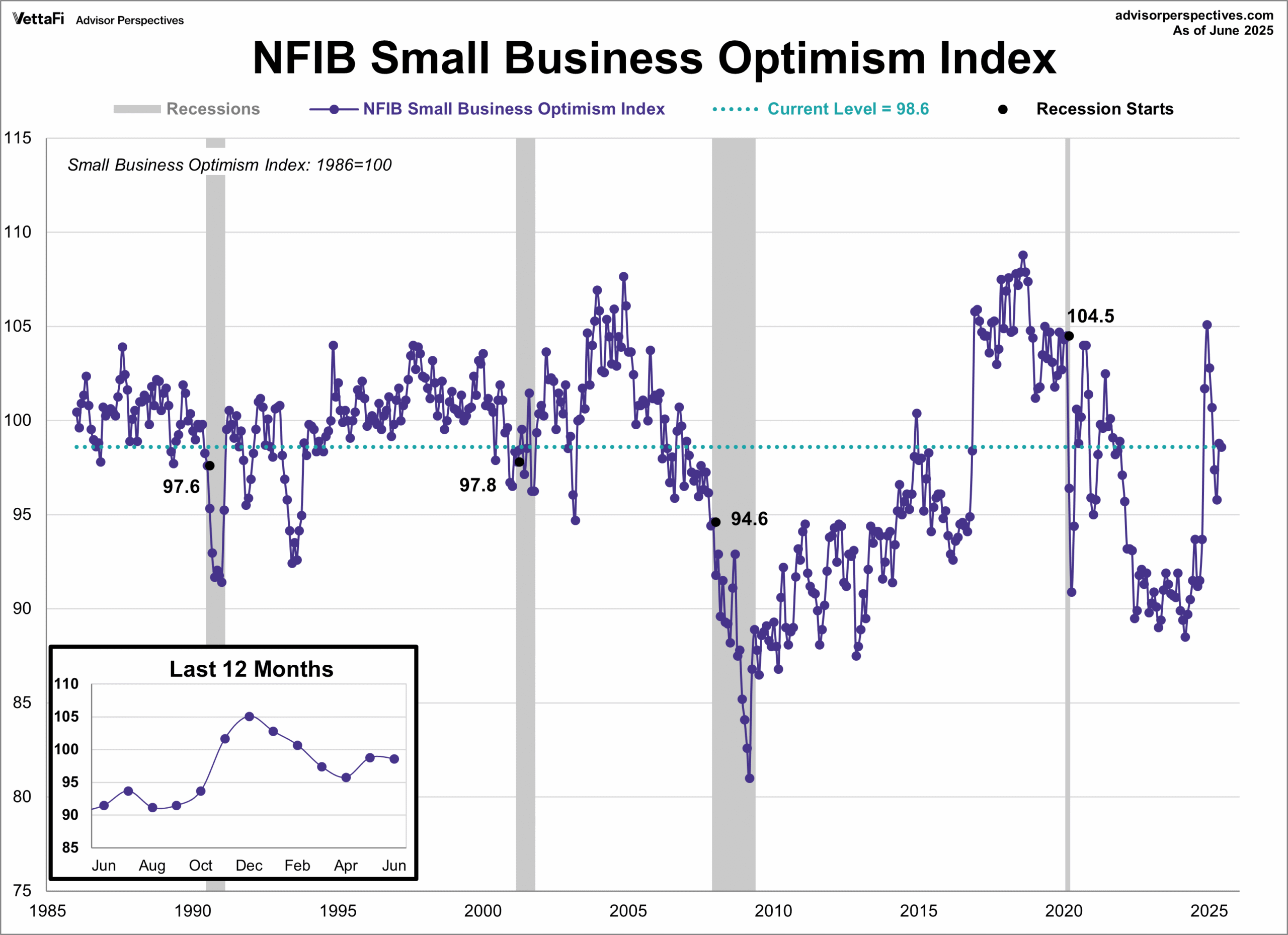

The small business optimism index for the U.S. has shown encouraging signs of recovery, with the NFIB Small Business Confidence Index rising to 99.0 in November—an increase driven by improved sales expectations. Despite this positive shift, small business owners continue to grapple with persistent labor market issues and the inflation impact on businesses that hinder their overall confidence. Notably, nearly one-third of business owners reported facing unfilled positions, highlighting the ongoing struggle within the workforce landscape. Additionally, while employment expectations are on the rise, with 19% planning to hire, concerns over uncertainty loom large, reflected in the increased uncertainty index. As businesses navigate these challenges, the interplay between optimism and the realities of inflation and labor shortages remains critical to watch in the coming months.
U.S. entrepreneurs are experiencing a fluctuating landscape, as indicated by the recent surge in the NFIB Small Business Confidence Index, signaling a rebound in small business optimism. However, amid this encouraging prospect, many are still contending with various challenges, notably labor shortages and the pressures from inflation that affect their operational strategies. The conditions in the job market continue to be a significant concern, with a notable percentage of small businesses reporting employee vacancies that remain unfilled. Optimism about hiring intentions has risen, yet overall business sentiment is tempered by an underlying uncertainty about economic conditions. With the resilience of small businesses tested, the balance between positive sales projections and the threat of increased operational costs prompts ongoing vigilance in market performance.
Small Business Optimism Index: A Positive Turn
The latest figures from the NFIB Small Business Confidence Index indicate a notable rebound in small business optimism, rising to 99.0 for November. This improvement reflected a modest increase from October’s score, suggesting that many business owners are starting to feel more positive about the future. The increase in the index can largely be attributed to a rise in sales expectations, which are a critical driver for small business growth and sustainability. In an environment fraught with challenges, this boost in confidence may provide business owners with the motivation needed to invest in their operations and workforce.
However, despite the rise in the optimism index, there are underlying concerns that cloud this positive development. The uncertainty index has also risen, indicating that while optimism has improved, many business owners remain wary about the future. Factors such as the ongoing labor market issues and inflationary pressures continue to overshadow the confidence boost, reminding business owners that while there are improvements, significant challenges remain.
Labor Market Challenges in Small Business
The labor market continues to present significant challenges for small businesses, with ongoing shortages affecting operations and growth strategies. In November, about 33% of small business owners reported having unfilled positions, which is an increase from the previous month and notably high compared to historical averages. These labor market issues not only hinder daily business operations but also impact overall economic growth, as businesses struggle to meet demand due to a lack of qualified personnel.
Despite these difficulties, there are some positive signs emerging in terms of employment expectations. A reported 19% of business owners are planning to hire more employees in the coming months, indicating a potential shift towards a more stable labor market. This marks a significant increase from the previous month and suggests that businesses are beginning to feel more secure, potentially leading to more investments in staff and resources.
The Impact of Inflation on Small Businesses
Inflation remains a formidable challenge for small businesses across the United States. The increasing cost of goods and services has led a significant portion of business owners to raise their prices, with 34% reporting price increases in November compared to just 21% in October. This sharp rise in the proportion of businesses adjusting their selling prices highlights the urgent need for business owners to adapt to the current economic environment. While such adjustments may help maintain margins, they also pose a risk of affecting customer demand and overall sales.
The impact of inflation on small business operations cannot be understated. Rising costs not only squeeze profit margins but also limit investment into growth initiatives. As business owners navigate this inflationary landscape, they must balance the need to increase prices while remaining competitive in the market. The ability to manage inflation effectively will be crucial for small businesses aiming to retain customer loyalty and sustain their growth.
Sales Expectations Among Small Businesses
Improved sales expectations are a silver lining for small business owners, as indicated by the NFIB index’s recent findings. A number of small businesses project an increase in sales in the months ahead, fueled by higher consumer demand and increasing confidence among customers. This positive sentiment can contribute to a stronger revenue outlook, allowing businesses to invest further in their operations, workforce, and marketing strategies.
However, it’s crucial for small businesses to remain cautious amidst these optimistic sales projections. The external environment, particularly inflation and labor market issues, can significantly affect actual sales performance. Business owners are encouraged to keep a close eye on market trends and consumer behavior to tailor their sales strategies effectively, ensuring that they can capitalize on the optimistic outlook while mitigating risks associated with potential downturns.
Navigating the Uncertainty Index
The recent increase in the uncertainty index for small businesses serves as a reminder that optimism must be tempered with caution. While the NFIB Small Business Confidence Index shows improvement, the rise in uncertainty indicates that external factors still pose significant risks to small business operations. Business owners must navigate these uncertainties by developing robust contingency plans and staying informed about market changes to minimize potential disruptions.
Moreover, addressing the fears related to the uncertainty index requires proactive communication and transparency with employees and customers. By fostering an open dialogue, businesses can reassure stakeholders of their commitment to stability and adaptability in the face of challenges. Cultivating a culture of resilience can empower small business owners to navigate uncertainties more effectively, ensuring long-term sustainability and growth.
Employment Expectations: A Mixed Bag
The mixed signals regarding employment expectations reflect both challenges and opportunities for small businesses. While 19% of small business owners plan to add employees, which is the highest level recorded this year, it also highlights the ongoing struggle with labor shortages that many are facing. This optimistic outlook for hiring is tempered by the fact that many owners still have unfilled positions, suggesting that attracting qualified workers remains a significant challenge.
As small businesses strive to enhance their workforce, they may need to consider innovative recruitment strategies or improve their value propositions to attract talent. Offering competitive wages, flexible working conditions, and better benefits could help small businesses navigate this complex labor landscape and meet their employment expectations. Ultimately, addressing these hurdles will be key to fulfilling potential growth opportunities presented by an improving confidence index.
Future Trends in Small Business Confidence
Looking ahead, the trends in small business confidence will be closely linked to ongoing economic conditions and consumer behavior. As business owners remain optimistic about sales and employment opportunities, the future of small businesses will largely depend on their ability to adapt to changing market dynamics. Factors such as inflation, labor market conditions, and overall economic stability will play critical roles in shaping their confidence and growth potential.
Moreover, small business owners should consider leveraging technology and innovation to improve their operational efficiency and competitiveness in the market. Embracing digital tools can help businesses streamline processes, enhance customer engagement, and ultimately drive revenue. By being proactive and adaptable, small businesses can position themselves favorably to ride the waves of uncertainty and emerge stronger in the evolving economic landscape.
Customer Expectations and Small Business Operations
Understanding customer expectations has become more vital than ever for small businesses aiming to thrive in a competitive landscape. With rising inflation and changing economic conditions, customer needs and preferences are evolving, and small businesses must stay attuned to these shifts. By offering personalized services, enhancing customer experiences, and maintaining quality, businesses can foster loyalty among their clientele, which is crucial for sustaining sales.
Additionally, small business owners should actively engage with their customers to gather feedback and understand their concerns. This customer-centric approach allows businesses to make informed decisions and adapt their offerings accordingly. Building strong relationships with customers can lead to repeat business and referrals, which are essential for growth, especially during periods of economic uncertainty.
The Role of Community Support in Small Business Growth
Community support has a significant role in the growth and sustainability of small businesses. As local markets become increasingly competitive, the backing of the community can provide essential resources and networks to help businesses thrive. Local initiatives, such as “shop local” campaigns, can drive traffic to small businesses and foster a sense of solidarity within the community that boosts sales and customer loyalty.
Moreover, small businesses that engage with their communities through events, sponsorships, and partnerships can create strong local relationships that lead to mutual benefits. By actively participating in community life, small business owners not only market their services but also cultivate a positive reputation that resonates with customers, ultimately supporting their long-term success in a challenging economic environment.
Frequently Asked Questions
What does the NFIB Small Business Confidence Index indicate about small business optimism?
The NFIB Small Business Confidence Index is a key indicator of small business optimism in the U.S. It rose to 99.0 in November, reflecting improved sales expectations among business owners. This increase suggests a rebound in optimism despite ongoing challenges such as labor shortages and inflation pressures.
How do labor market issues affect the small business optimism index?
Labor market issues significantly impact the NFIB Small Business Confidence Index. In November, 33% of small business owners reported unfilled positions, highlighting persistent labor shortages. This contributes to a cautious optimism, as businesses strive to balance hiring needs with ongoing market challenges.
What is the impact of inflation on the small business optimism index?
Inflation has a notable impact on the small business optimism index. As reported in November, the percentage of business owners raising selling prices increased to 34%, indicating that inflation concerns are affecting operational decisions and overall confidence levels.
What are employment expectations according to the small business optimism index?
Employment expectations have shown improvement in relation to the small business optimism index. In November, 19% of business owners indicated plans to add employees within the next three months, which is a positive indicator of workforce growth despite ongoing labor market challenges.
How do sales expectations influence the NFIB Small Business Confidence Index?
Sales expectations play a crucial role in influencing the NFIB Small Business Confidence Index. The increase in the index in November was primarily driven by improved sales forecasts, suggesting that when small businesses expect better sales, their overall confidence increases, offsetting some concerns about inflation and labor shortages.
| Key Points | Details |
|---|---|
| Overall Index | NFIB Small Business Confidence Index rose to 99.0 in November, up by 0.8 points from October. |
| Improvement Indicators | Six out of ten sub-indicators improved, primarily due to better sales expectations. |
| Uncertainty Index | Uncertainty index increased by 3 points to 91, slightly offsetting optimism. |
| Labor Market | 33% of business owners reported unfilled positions, up from 32%, indicating labor shortages. |
| Employment Expectations | 19% of business owners plan to hire in the next three months, the highest level this year. |
| Inflation Concerns | 34% of owners raised average selling prices, the highest since March 2023. |
Summary
The small business optimism index shows signs of recovery as it rises to 99.0, indicating increased confidence among U.S. entrepreneurs. However, persistent labor shortages and rising inflation continue to pose significant challenges. While there is a marked improvement in sales expectations and hiring intentions, the overarching concerns about the labor market and inflation pressure suggest that while optimism is growing, significant hurdles remain. This dual narrative underscores a slowly recovering optimism, but also a clear need for addressing these economic challenges.
Related: More from Market Analysis | Earnings season is wrapping up with a mixed bag of results across | Polymarket Bet Fails to Catch Insider Traders