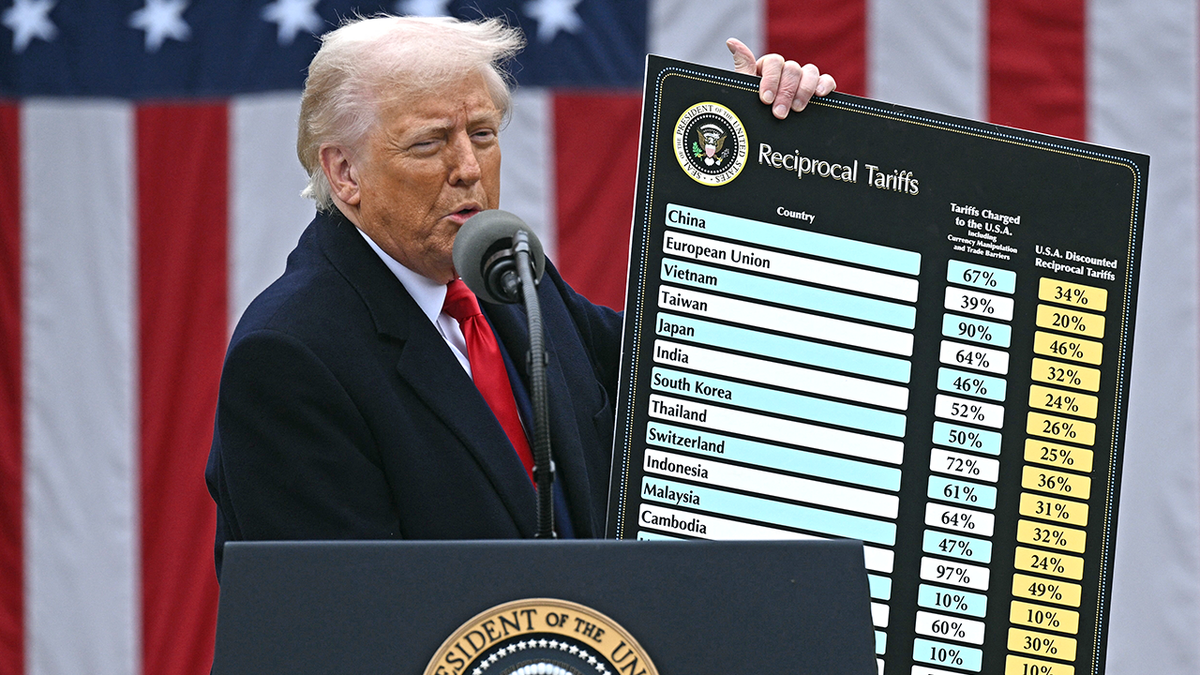

Trump tariffs have become a pivotal issue in contemporary economic discussions, intertwining trade policy with national security concerns. As President Trump emphasizes, these tariffs are not just about protecting American industries, but also about bolstering U.S. national security and maintaining the country’s position as an economic powerhouse. The administration argues that the implementation of tariffs is a strategic maneuver to shield the nation from foreign exploitation, ensuring that America remains competitive on the global stage. However, the potential implications of any ruling, especially from the Supreme Court on tariffs, could dramatically shift this landscape and threaten this economic strategy. With the stakes so high, understanding the intricacies of Trump tariffs is essential not only for policymakers but for citizens invested in the nation’s financial future.
The financial strategies introduced by the Trump administration, particularly regarding import duties, have sparked substantial debate about their effectiveness and implications. These trade barriers, often referred to as protective tariffs, are seen by some as vital for preserving the nation’s security and economic stability. As leaders weigh the pros and cons of such measures, many recognize that the ultimate judgment from judicial bodies, like the U.S. Supreme Court, could redefine the landscape of American trade. Furthermore, the ongoing discussions highlight the balance between safeguarding national interests and the potential repercussions on international relations. In the ever-evolving discourse on trade policy, the legacy of tariffs established during Trump’s presidency remains a topic of intense scrutiny and significance.
The Role of Trump Tariffs in Strengthening National Security
Trump tariffs have been a pivotal tool in the administration’s strategy to bolster national security. By imposing these tariffs, the government aims to protect domestic industries from foreign competition, promoting economic self-sufficiency. This self-sufficiency is perceived as vital for national security, as a robust economy can withstand external pressures and threats. Furthermore, the strategic use of tariffs allows the U.S. to leverage its economic power on the global stage, ensuring that foreign nations are held accountable for unfair practices that could undermine American prosperity.
In a world where economic interdependencies can create vulnerabilities, the implementation of tariffs is positioned as a safeguard. President Trump has emphasized that without such measures, the U.S. risks losing its competitive edge. The notion that economic stability directly correlates to national security is not unfounded; a strong economy enables better funding for defense initiatives and strengthens the country’s geopolitical stance.
Supreme Court Ruling on Tariffs: A Critical Inflection Point
The specter of a Supreme Court ruling on tariffs looms large in the economic landscape, with President Trump warning that an unfavorable decision could jeopardize national security. Such a ruling could dismantle the legal basis for tariffs, curtailing the administration’s ability to impose protective measures that have been viewed as essential for maintaining economic power. This potential scenario has raised concerns about the implications for domestic industries and employment, which are integral components of the national security framework.
A ruling that limits the scope of U.S. tariffs may lead to increased reliance on foreign goods and services, thereby weakening the domestic economy. Critics of tariffs argue that they can lead to trade wars and retaliatory measures that ultimately harm American consumers. However, proponents, including President Trump, suggest that preserving tariff authority is crucial for ensuring American economic resilience. This tension highlights the complex relationship between legal rulings, economic policy, and national security.
Economic Power and the Impact of U.S. Tariffs on Trade Relations
U.S. tariffs play a significant role in shaping international trade relations, often viewed as a leverage point for the country to negotiate better deals. By imposing tariffs, the U.S. not only protects its own industry but also sends a clear message to trading partners that it will not tolerate unfair trade practices. This approach to maintaining economic power can lead to a more balanced trade environment, where nations engage in fair competition. The implications of such tariffs extend beyond mere economic interests; they also touch upon the broader theme of national security.
The economic power wielded by the U.S. through tariffs can deter potential threats, as trading partners recognize the consequences of violating trade agreements. In this context, tariffs are not simply tools for revenue generation but instrumental in securing a nation’s economic sovereignty. This dual role reinforces the narrative that strong economic policies are intertwined with national security, ultimately shaping America’s position in a rapidly evolving global economy.
How Trump’s Tariffs Shape Domestic Industry Resilience
As part of the broader economic strategy, Trump’s tariffs are designed to reinforce the resilience of domestic industries against the backdrop of globalization. By raising the cost of foreign imports, these tariffs encourage consumers to buy American-made products, thereby sustaining jobs and invigorating local economies. This shift not only helps industries to thrive but also fosters a sense of national pride and identity, contributing to the overall health of the U.S. economy.
Furthermore, the protection offered by these tariffs is particularly significant for sectors deemed critical to national security, such as steel and technology. By ensuring that these industries remain viable, the administration acts to fortify the economy against external shocks that could arise from geopolitical tensions. Thus, Trump’s tariffs have a far-reaching influence, effectively integrating economic strategy with a vision of national security that emphasizes the importance of a self-reliant economy.
The Intersection of National Defense and Economic Policy
In recent years, the connection between national defense and economic policy has become increasingly evident, with tariffs emerging as a focal point in this discussion. The rationale is simple: a strong economy is essential for a robust national defense infrastructure. By using U.S. tariffs to limit foreign competition, the government is not only protecting jobs but also ensuring that America remains a leader in technological innovation and military capabilities.
This intersection emphasizes the strategic importance of economic policies that promote strength and stability. As President Trump has articulated, the ability to impose tariffs is crucial for maintaining a competitive edge, which in turn enhances national security. In an era where global threats are multifaceted and dynamic, this economic approach becomes a fundamental pillar supporting the nation’s defense strategy.
The Global Implications of U.S. Tariffs on Trade Politics
U.S. tariffs have massive implications for international trade politics, often igniting tensions between the U.S. and its trade partners. When the U.S. imposes tariffs, it disrupts established supply chains and creates a ripple effect that can lead to retaliation, as seen with several countries responding in kind. These dynamics can elevate traditional trade disputes into full-blown economic conflicts, influencing global markets and economic stability.
Moreover, the strategic imposition of tariffs can be used as a bargaining tool in trade negotiations, providing the U.S. leverage to secure better terms. However, this approach can also engender resentment and complicate diplomatic relations, leading to a complex interplay between trade policy and international diplomacy. The challenge lies in navigating these waters to foster cooperative trade relations while also asserting national interests.
Understanding the Economic Impacts of Tariffs on American Consumers
While tariffs are often justified on grounds of protecting national security and American jobs, they also have significant implications for consumers. Increased tariffs typically lead to higher prices for imported goods, impacting consumer choice and purchasing power. As costs rise, many Americans face the burden of paying more for everyday products, which can lead to dissatisfaction among the electorate and increased scrutiny of tariff policies.
The balancing act for policymakers is ensuring that the perceived benefits of tariffs – such as protecting local industries – do not come at the expense of consumer well-being. This financial strain can exacerbate economic inequalities, particularly affecting lower-income households. Understanding this dynamic is crucial in evaluating the long-term sustainability of tariff policies in the context of national security and economic resilience.
Future Directions: The Evolution of U.S. Tariffs in a Changing Global Economy
The future of U.S. tariffs will likely evolve as global economic conditions shift and new challenges arise. Policymakers will need to remain adaptable and responsive to changing dynamics, particularly as technology and trade relationships develop. The emphasis on national security and economic power will continue to shape tariff strategies, but it will be essential to balance these priorities with the realities of a global marketplace.
As we look forward, discussions surrounding tariffs will also need to consider the lessons learned from the past. The effectiveness of tariffs in enhancing national security and fostering domestic industries will come under scrutiny, prompting policymakers to explore alternative strategies that promote economic growth while still safeguarding national interests. Ultimately, the ability to navigate these complexities will define the future trajectory of U.S. tariff policies.
Frequently Asked Questions
What are the main goals of Trump tariffs in relation to U.S. national security?
Trump tariffs were implemented primarily to protect U.S. national security by reducing dependence on foreign goods and enhancing domestic manufacturing. These tariffs aim to strengthen economic power by safeguarding American jobs and industries from foreign competition.
How have Trump tariffs influenced U.S. economic power?
Trump tariffs have had a significant impact on U.S. economic power by forcing manufacturers to source materials domestically, which helps stimulate local economies. The increased costs of imported goods under these tariffs also encourage consumers to support American-made products.
What is the Supreme Court’s role in determining the legality of Trump tariffs?
The Supreme Court’s rulings on tariffs can determine their legality and enforceability, impacting how effectively Trump tariffs can be applied. A ruling against these tariffs could be seen as a threat to U.S. national security, as it would potentially weaken America’s economic defenses.
What are the economic implications of Trump tariffs for American consumers?
The economic implications of Trump tariffs for American consumers include increased prices on imported goods, leading to higher costs for essentials. This often results in a shift in consumer buying habits towards domestically produced products, thereby supporting local industries.
How do Trump tariffs relate to national security concerns highlighted by the administration?
Trump tariffs are closely tied to national security concerns, as the administration argues that tariffs help protect vital industries from foreign influence, thereby maintaining the United States’ economic sovereignty and security against external threats.
What potential consequences might arise from a Supreme Court ruling on Trump tariffs?
A Supreme Court ruling against Trump tariffs might lead to a significant economic shift, possibly destabilizing markets and diminishing U.S. economic power. This could render the nation more vulnerable to foreign competition and influence.
How have Trump tariffs affected international trade relationships?
Trump tariffs have strained international trade relationships by prompting retaliatory tariffs from other countries. This tit-for-tat escalation can lead to trade wars, complicating global economic interactions and affecting U.S. exports.
What are the expected long-term effects of Trump tariffs on the U.S. economy?
The long-term effects of Trump tariffs on the U.S. economy could include a reshaping of supply chains, increased production costs, and a push towards greater self-sufficiency in critical industries. However, this isolationist approach may also lead to reduced competitiveness in global markets.
| Key Point | Details |
|---|---|
| Tariffs Enhance National Security | Trump claims that the quick implementation of tariffs has significantly enhanced U.S. national security and has contributed to America’s status as a leading financial power. |
| Opposition to Tariffs | Trump suggests that only ‘dark and evil forces’ want to see an end to the current tariff policies, indicating strong opposition from certain groups. |
| Supreme Court Concerns | He expresses concern that an unfavorable ruling by the U.S. Supreme Court regarding tariffs could pose a significant threat to national security, rendering the U.S. economically defenseless. |
Summary
Trump tariffs have been a central element of economic policy under the Trump administration, aimed at strengthening national security and bolstering financial power. President Trump emphasizes the rapid implementation of tariffs as a key factor in enhancing American security, while also warning against potential judicial challenges that could undermine these efforts. Thus, tariffs remain a contentious yet crucial element of U.S. economic strategy.
Related: More from Regulation & Policy | UK Gambling Regulator Examines Cryptocurrencies for Licensed Bettors in Crypto Regulation | Blocks Retreat Signals Broader Payments Shifts