
Risk appetite wobbles as Tesla downgrade, mortgage-rate spike and US–China tech tensions stir cross-asset volatility
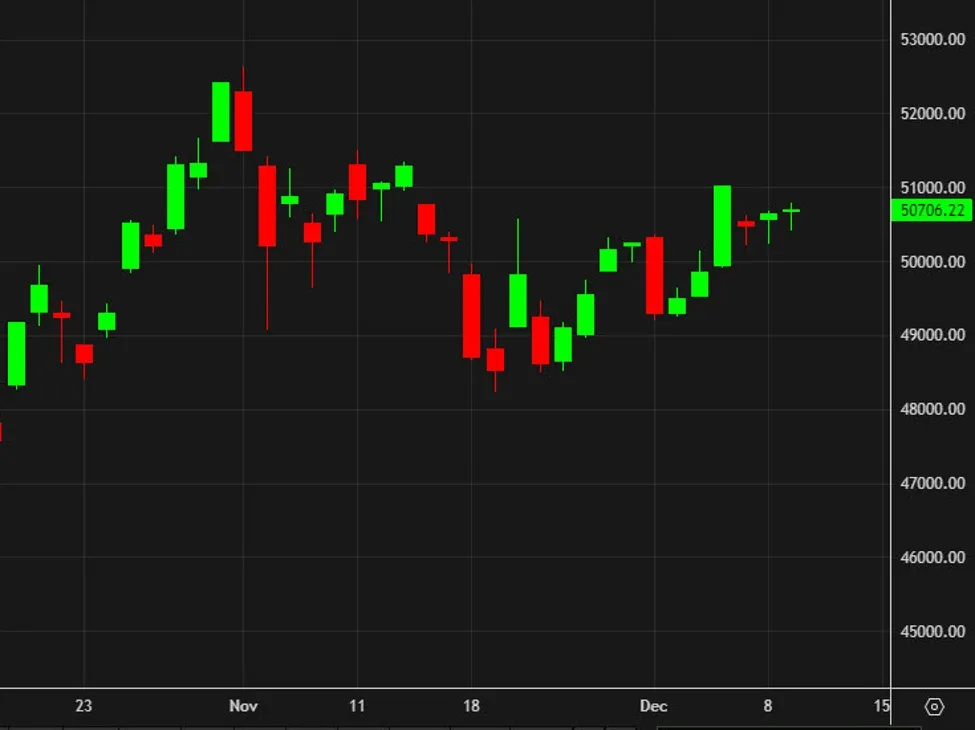
A risk-off undertone crept into markets as Tesla slumped on a Wall Street downgrade, mortgage costs jumped to three‑month highs despite expected Fed cuts, and a fresh US–China tech flare-up rattled chip sentiment. Bitcoin hovered near $90,000 with liquidity thin—setting the stage for wider swings across FX, stocks and commodities.
Equities: Growth-led pullback as Tesla slides; chip headlines reignite export-risk trade
Tesla fell about 4% after a Morgan Stanley downgrade highlighted stretched valuation and persistent EV demand and competitive pressures. The drop rippled through high-beta tech, where sentiment remains sensitive to policy rates and earnings durability. Semiconductor names were also in focus after authorities seized roughly $160 million of Nvidia AI chips in a smuggling case, sharpening attention on export controls and supply-chain circumvention risks.
Rates and FX: Mortgage jump jars dovish bets; dollar steadies on firm yields
A surprise rise in US mortgage rates to a three-month peak pushed back against the market’s easing narrative, lifting term premia and supporting the dollar as Treasury yields firmed. The move tightens financial conditions at the margin, complicating the path to a soft landing and pressuring duration-sensitive equities. FX volatility remains subdued but skewed to upside in the dollar if real yields rise and rate-cut timing slips amid mixed Fed rhetoric.
Crypto: Bitcoin near $90k as liquidity thins; lower open interest invites larger swings
Bitcoin hovered close to $90,000, but thinner order books and lower open interest suggest outsized moves on modest flows. Traders are eyeing upcoming Fedspeak and macro prints for cues on dollar liquidity and risk appetite, with policy splits inside the Fed raising headline risk. In the background, fraud risks remain acute: a reported $1 million romance-fueled crypto scam underscores the need for strict counterparty checks and custody hygiene.
Defensive income: Merck and Duke draw interest as yields remain attractive
With rate uncertainty lingering, Merck (MRK) and Duke Energy (DUK) drew attention for income stability—each offering dividend yields above 3%, conservative payout ratios and valuations at a discount to historical norms. In a higher-for-longer scenario, investors continue to balance carry against duration risk, making low-beta dividend growers potential ballast in multi-asset portfolios.
Commodities: Lean hogs firm on export strength despite softer cutout
Lean hog futures advanced on robust export demand even as the carcass cutout eased. USDA data showed year-over-year gains in hog slaughter, while traders focused on the CME Lean Hog Index around $81.81 as a key reference. The backdrop remains tight enough to support prices, but a stronger dollar could temper export momentum.
Key points
- Tesla drops ~4% after a Morgan Stanley downgrade, reviving questions on EV demand and valuation.
- US mortgage rates hit a three-month high, challenging expectations for swift Fed cuts and buoying the dollar via firmer yields.
- Bitcoin trades near $90,000 with thin liquidity and lower open interest, setting up outsized volatility around macro headlines.
- Authorities seize about $160 million in Nvidia AI chips, escalating export-control concerns and weighing on semiconductor sentiment.
- Defensive income plays (MRK, DUK) draw interest with 3%+ yields and low payout ratios amid rate uncertainty.
- Lean hog futures rise on export strength; traders watch the CME Lean Hog Index near $81.81 as a key signpost.
What traders are watching
– Fed commentary for clues on the pace and depth of policy easing, given the disconnect between mortgage rates and rate-cut hopes.
– Semiconductor export-control developments and potential knock-on effects in USD/CNH and tech supply chains.
– Crypto market depth and basis as proxies for stress into key macro catalysts.
– Earnings and guidance from rate-sensitive sectors as financial conditions tighten at the margin.
FAQ
How do rising mortgage rates affect FX markets?
Higher mortgage rates often reflect firmer Treasury yields and tighter financial conditions, which can support the US dollar via improved rate differentials and higher real yields. If cuts are repriced later or shallower, the dollar typically finds a bid against lower-yielding peers.
Why does thin Bitcoin liquidity matter for traders?
When order books are shallow and open interest declines, smaller flows can trigger larger price moves. That amplifies slippage, widens spreads and raises gap risk around macro events, making position sizing and risk limits crucial.
What does a Tesla downgrade mean for broader equities?
A Tesla-led selloff can pressure growth and momentum baskets, drag on the Nasdaq, and tighten overall financial conditions via a wealth effect. It may also prompt rotations into value, defensives or income plays if rate volatility remains elevated.
How could the Nvidia chip seizure impact markets?
It heightens regulatory and export-control risks, potentially tightening supply of high-end AI chips and denting sentiment in semiconductors. It can also fuel US–China tensions, with spillovers into USD/CNH, Asia equities, and global tech supply chains.
Are MRK and DUK attractive if rates stay higher for longer?
Both offer 3%+ yields with relatively low payout ratios, which can provide income stability as bond yields fluctuate. While duration sensitivity remains, their defensive profiles and discounted valuations can help cushion equity portfolios.
What’s significant about the CME Lean Hog Index near $81.81?
It’s a key reference for pricing lean hog futures. Holding around that level amid stronger exports suggests underlying demand remains supportive, though a stronger dollar or softer cutout values could temper gains.
This article is based on market developments and analysis from BPayNews.
Related: More from Market Analysis | Figure Shares Drop After Mixed Q4 Results as Crypto Loan Volume Grows | Barclays Looks at Blockchain for Payments, Deposits