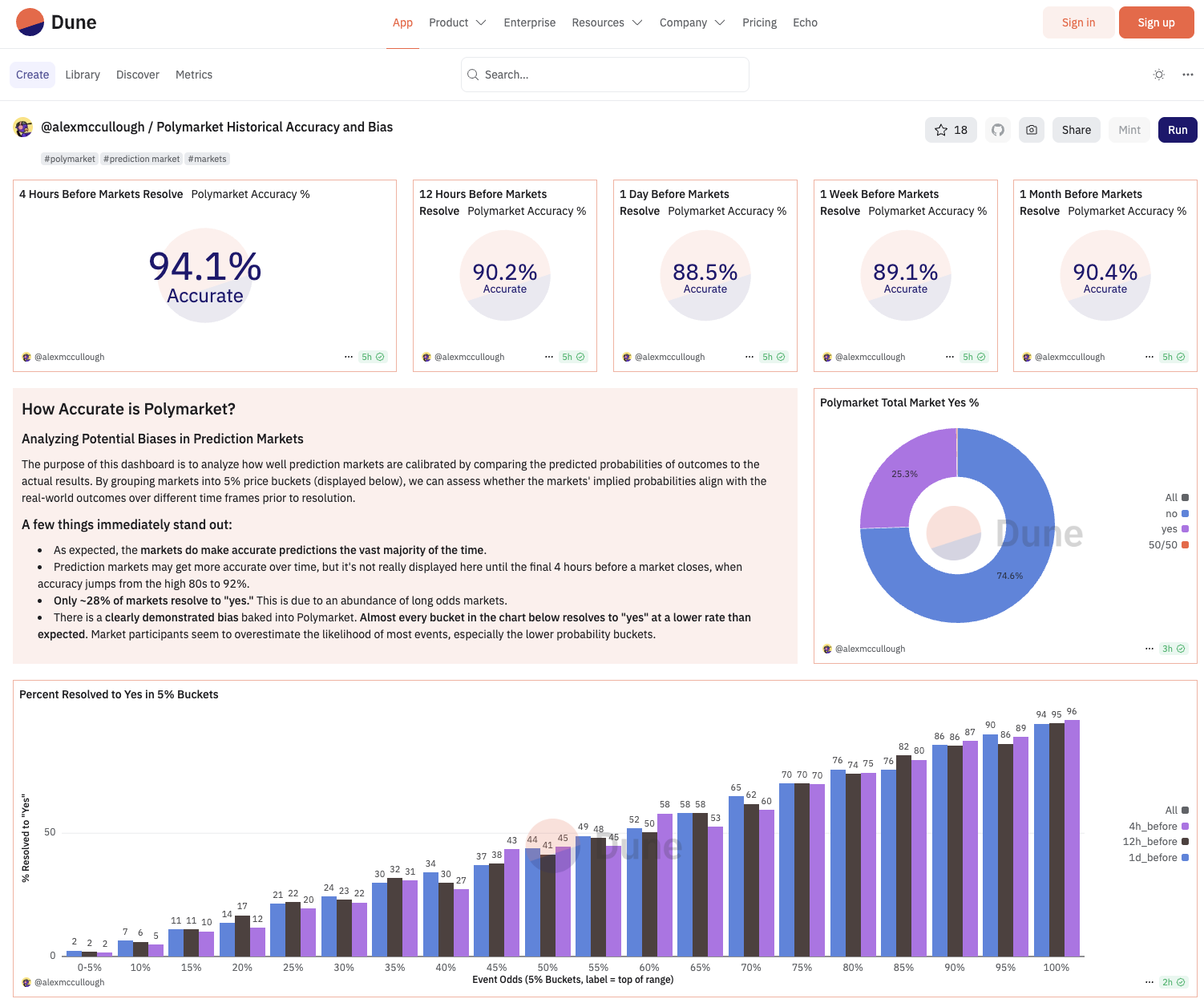

Polymarket Data Accuracy has recently come into the spotlight, especially given the discourse surrounding the integrity of trading volumes on its platform. According to Bankr’s co-founder, any concerns regarding the alleged “double counting” of these volumes are misattributed to the practices of third-party data collection, rather than any flaws inherent in Polymarket’s own data. This assertion gains weight as he criticizes Paradigm for potentially spreading misinformation due to their investments in Kalshi, suggesting a conflict of interest that undermines their credibility. The emphasis on Polymarket’s commitment to accurate crypto data integrity is vital in a rapidly evolving market where trust is paramount. As trading volumes fluctuate and new competitors emerge, understanding the reliability of Polymarket’s data becomes crucial for both investors and traders.
When discussing Polymarket Data Accuracy, it’s essential to recognize the ongoing debate about the reliability of market analytics across cryptocurrency platforms. Analysts have pointed out that issues such as trading volume discrepancies can mistakenly arise from the methods employed by external data aggregators, reflecting broader concerns in the crypto data landscape. Furthermore, Paradigm’s motives appear questionable, as their negative portrayal of Polymarket seems tied to their financial stake in rivals like Kalshi. This scenario highlights the importance of transparency and data integrity in trading ecosystems. As competing platforms vie for attention and investment, the accuracy of information disseminated to traders significantly influences their decisions.
Understanding Polymarket Data Accuracy
Polymarket has established itself as a leading platform in the prediction market arena, renowned for its commitment to data accuracy. Recent statements from the co-founder of Bankr emphasized that the accusations of double counting trading volumes have been exaggerated. Contrary to claims made by some competitors, including Paradigm, the data integrity maintained by Polymarket remains intact. By relying on systematic data collection methods, Polymarket ensures that users have access to reliable information, which is crucial for making informed decisions in a volatile market.
Moreover, the controversy surrounding data accuracy highlights the broader implications for the crypto trading landscape. Inaccurate data can lead to misguided investments and a lack of trust among traders. Therefore, firms like Polymarket are critical in advancing crypto data integrity. With robust and transparent data practices, Polymarket asserts its position in the market, driving users toward more confident trading experiences.
Frequently Asked Questions
What is Polymarket’s data accuracy and how does it impact trading volumes?
Polymarket’s data accuracy is upheld by its robust trading volume records, which recent statements by Bankr’s co-founder confirm are free from fundamental errors. Any claims regarding ‘double counting’ of trading volumes are attributed to data collection methods from third-party sources, not any flaws inherent to Polymarket.
How do recent controversies about Polymarket’s trading volumes relate to Paradigm’s investment in Kalshi?
The controversies surrounding Polymarket’s data accuracy have been amplified by Paradigm, an investor in Kalshi, which suggests a competitive motive behind Paradigm’s commentary. This context highlights the importance of examining data integrity claims critically, as they may stem from biased interests.
What measures does Polymarket take to ensure crypto data integrity?
Polymarket maintains data integrity through meticulous tracking of trading volumes and transparency in its data collection methods. Recent insights from Bankr’s co-founder reinforce that Polymarket’s records are reliable, countering allegations of data errors propagated by competitors.
Why is Paradigm’s critique of Polymarket’s data accuracy considered ‘unscrupulous’?
Bankr’s co-founder categorized Paradigm’s critique as ‘unscrupulous’ due to the apparent conflict of interest stemming from Paradigm’s investment in Kalshi. This perspective suggests that the negative portrayal of Polymarket’s data accuracy is less about genuine data issues and more about competitive strategy.
How can users verify the accuracy of Polymarket’s trading data?
Users can verify the accuracy of Polymarket’s trading data by reviewing direct information provided by Polymarket in conjunction with independent audits and analysis of third-party data sources. Awareness of the context of criticisms, especially from vested interests like Paradigm, is also crucial.
What implications does the dispute regarding Polymarket’s data accuracy have for the crypto market?
The dispute over Polymarket’s data accuracy raises important questions about data integrity within the crypto market. Such controversies can impact user trust and influence market dynamics, especially when competitor interests are involved, highlighting the need for transparency and due diligence in data reporting.
| Key Point | Details |
|---|---|
| Polymarket’s Data Accuracy | Bankr’s co-founder asserts that Polymarket’s trading volume data is accurate and has no fundamental errors. |
| Controversy Sources | The controversy regarding double counting is attributed to third-party data collection methods, not Polymarket’s data quality. |
| Investment Bias | Paradigm, as an investor in Kalshi, is accused of intentionally undermining Polymarket’s reputation to benefit its own investment. |
| Paradigm’s Allegations | Paradigm’s founder claimed there was a data bug in Polymarket, suggesting a connection with their financial interests in Kalshi. |
Summary
Polymarket Data Accuracy is critical in the competitive landscape of market prediction platforms. Recent statements from Bankr’s co-founder affirm that Polymarket maintains high standards for data integrity, refuting claims of inaccuracies stemming from double counting allegations. These claims have been linked to competitive motivations from Paradigm, a firm invested in rival platform Kalshi. It is important for users and investors alike to understand the nuances of data accuracy in these markets, ensuring informed decisions in a dynamic trading environment.
Related: More from Market Analysis | Earnings season is wrapping up with a mixed bag of results across | Polymarket Bet Fails to Catch Insider Traders